


Description
Progynova 2 mg (Estradiol Valerate): A Guide to Estrogen Hormone Replacement Therapy for Menopause
Key Facts About Progynova 2 mg
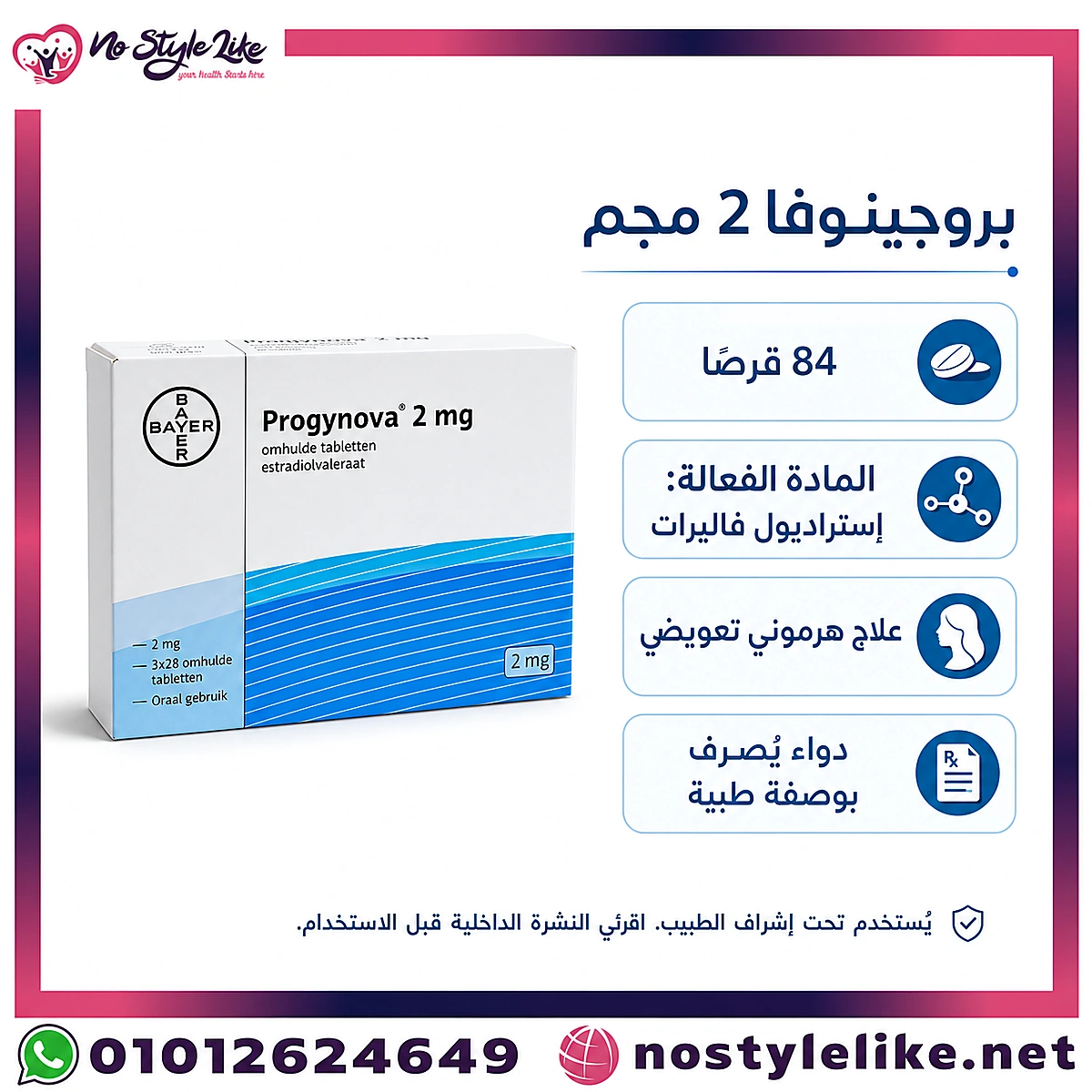
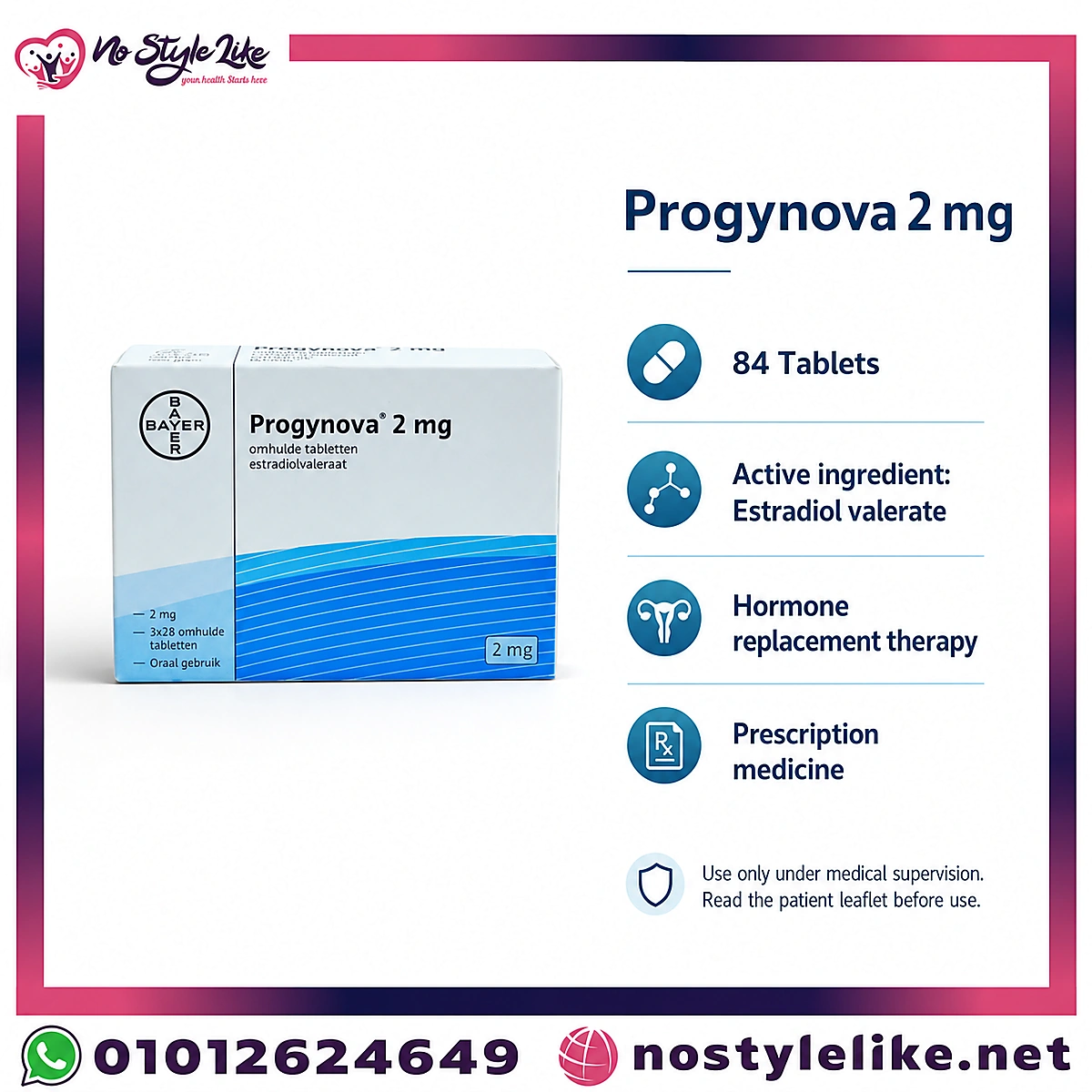
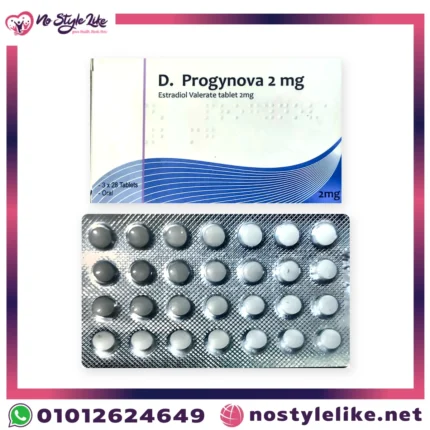
Short description: Progynova 2 mg, 84 tablets, is an estrogen hormone replacement therapy (estradiol valerate) by Bayer, prescribed by a doctor to relieve estrogen-deficiency symptoms after menopause. It is used under medical supervision with regular follow-up, and may require adding a progestogen for women with a uterus.
Table of Contents
- Introduction
- What Is Progynova?
- The Active Ingredient and How It Works
- Indications
- Who Is It Prescribed For?
- How to Use It and Dosage
- The Need for a Progestogen With a Uterus
- Contraindications
- Important Warnings: Clots and Cancer
- Drug Interactions
- Possible Side Effects
- Tests and Monitoring
- Pregnancy and Breastfeeding
- Common Mistakes
- Myths and Facts
- When to See a Doctor
- NSL Expert Tip
- Frequently Asked Questions
- Conclusion
Introduction
As menopause approaches, the ovaries produce less of the hormone estrogen, and bothersome symptoms appear such as hot flushes, night sweats, disturbed sleep, vaginal dryness and mood changes. Progynova is one form of hormone replacement therapy that a doctor may prescribe to replace the missing estrogen and ease these symptoms. In this guide we explain the medicine’s composition, how it works and its indications, with a clear focus on the fact that it is a prescription-only medicine that requires careful medical follow-up because of its important warnings.
What Is Progynova?
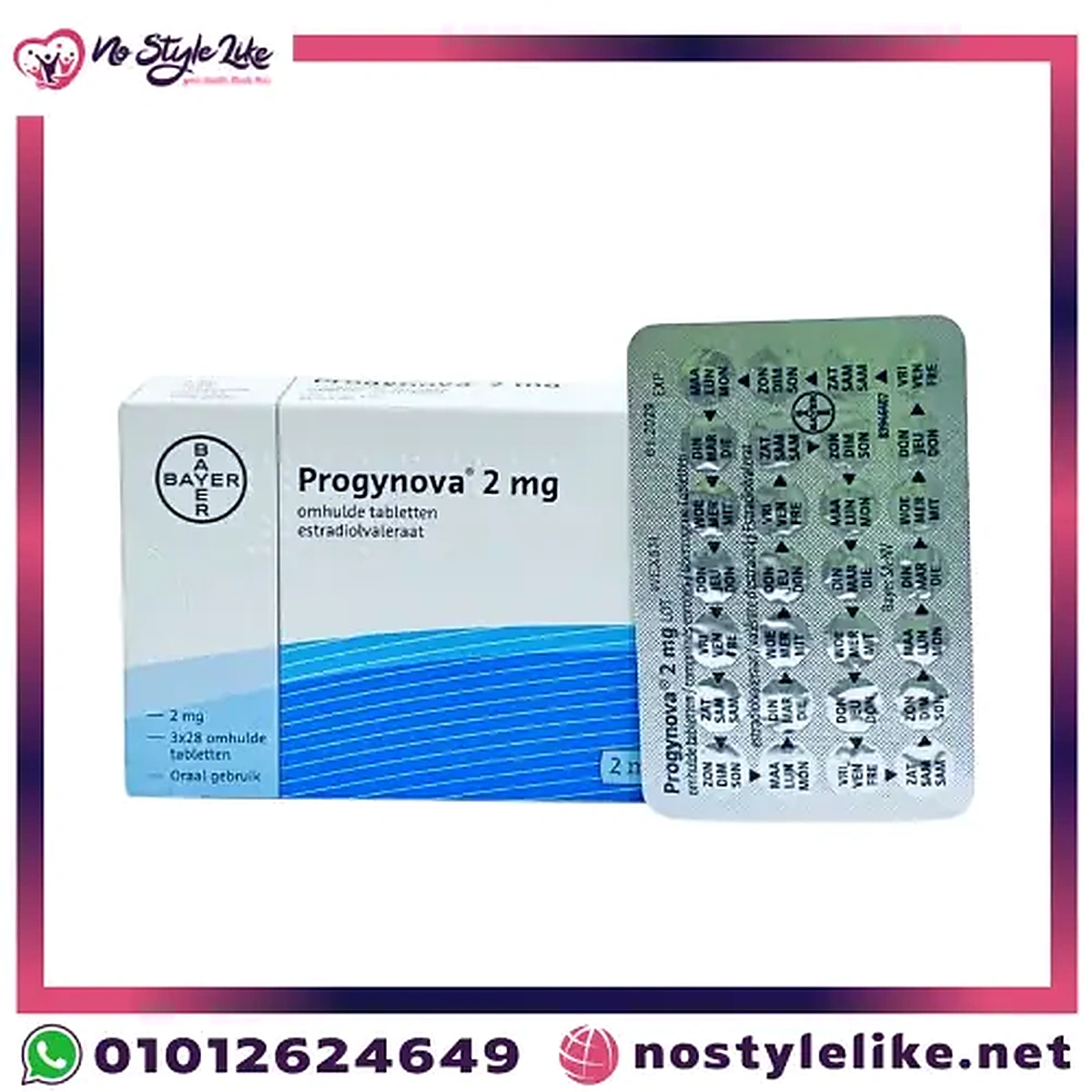
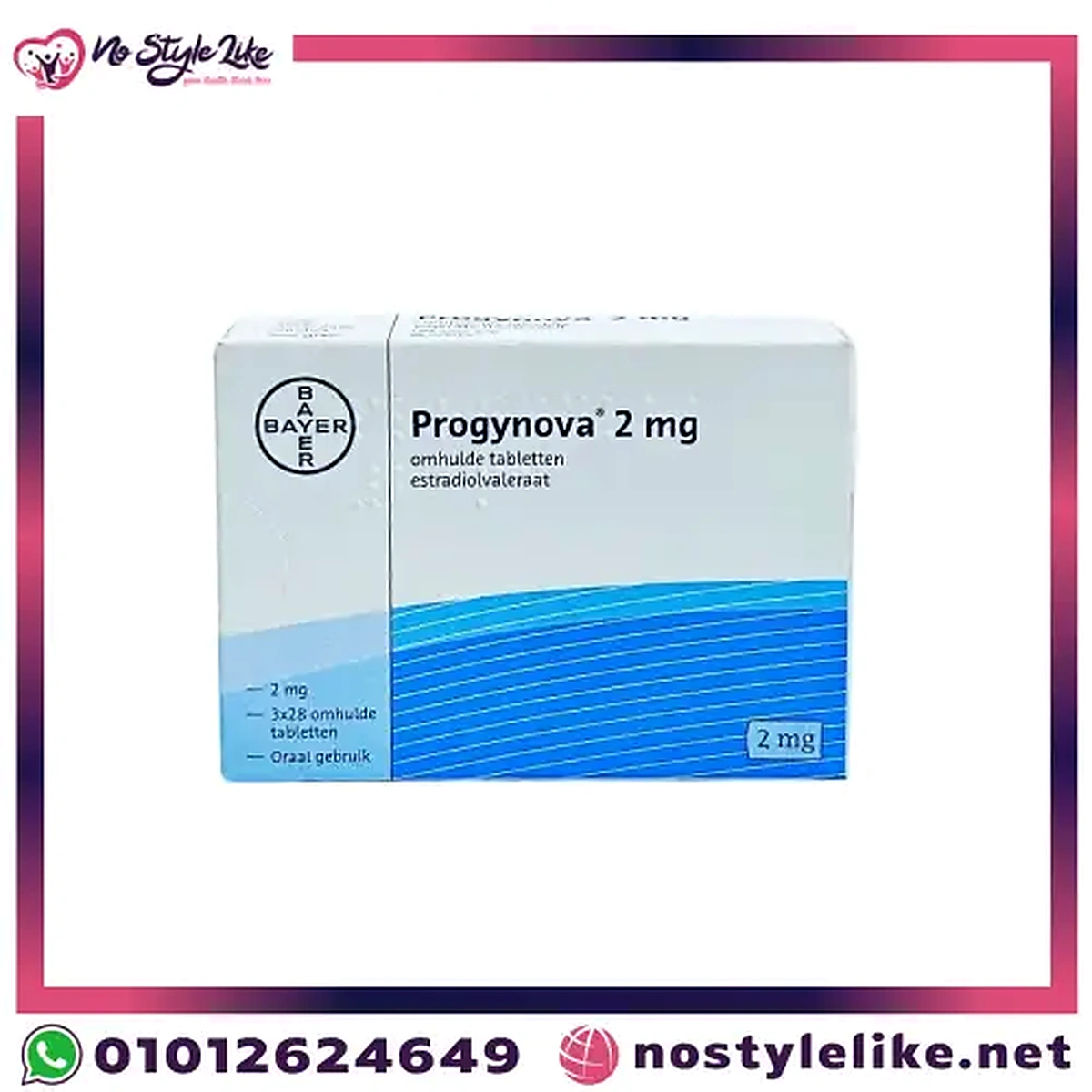
Progynova 2 mg is a hormonal medicine made by the German company Bayer; each pack contains 84 oral tablets. Its active ingredient is estradiol valerate, an estrogen that the body converts into estradiol, which is identical to the natural female hormone. Progynova is classified as a hormone replacement therapy (HRT) medicine, is prescription-only, and is used solely on a doctor’s decision and under supervision after assessing the case and weighing the benefits and risks for each woman individually.
The Active Ingredient and How It Works
The active ingredient is estradiol valerate 2 mg per tablet. After being taken, it converts into estradiol, the main form of estrogen the ovaries produced before menopause. By replacing this deficiency, the medicine helps relieve the symptoms caused by falling estrogen, and it also affects estrogen-responsive tissues such as the lining of the womb and bone. Because estrogen alone can stimulate the womb lining in women who still have a uterus, a doctor usually adds a progestogen to protect it.
Indications
A doctor prescribes Progynova mainly as hormone replacement therapy to relieve estrogen-deficiency symptoms in women after menopause, such as hot flushes, night sweats, sleep disturbance and vaginal symptoms. In some cases it may also be used to help prevent osteoporosis in postmenopausal women at high risk of fracture when other options are unsuitable. The indication is decided by the doctor according to each woman’s situation.
Who Is It Prescribed For?
Progynova is prescribed for women with bothersome menopausal symptoms after the doctor assesses them and confirms there are no contraindications. The decision is individual and depends on age, time since menopause, and personal and family medical history, especially regarding heart disease, clots and breast cancer. The medicine is not prescribed merely for a general sense of improvement, but when there is a clear medical need and after discussing the benefits and risks with the treating doctor.
How to Use It and Dosage
Progynova is usually taken as one tablet daily on a continuous basis, swallowed with water and preferably at the same time each day. The doctor often starts at the lowest effective dose and adjusts it according to response, aiming to use the lowest dose for the shortest time that achieves the treatment goal. The dose and duration are determined by the doctor only, and the dose should not be changed or the medicine stopped without consulting them. If you miss a dose, follow the leaflet or your doctor’s instructions and do not double up.
The Need for a Progestogen With a Uterus
When estrogen is used alone in a woman who still has her uterus, the risk of endometrial hyperplasia and endometrial cancer may increase. Therefore the doctor usually prescribes a progestogen for a number of days each cycle (at least 12 days per month) to protect the womb lining. Women who have had a hysterectomy usually do not need a progestogen. This point is essential and is decided by the doctor according to your case; estrogen should not be used on its own without medical assessment.
Contraindications
Progynova is contraindicated in several situations, including: known or suspected breast cancer or estrogen-dependent tumours, undiagnosed vaginal bleeding, untreated endometrial hyperplasia, current or previous venous thromboembolism (leg or lung clot) or clotting disorders, recent arterial thromboembolic disease such as angina or heart attack, acute liver disease or abnormal liver function, porphyria, pregnancy, and hypersensitivity to any ingredient. The doctor assesses these contraindications before prescribing.
Important Warnings: Clots and Cancer
Hormone replacement therapy carries some risks that must be balanced against the benefits: a relative increase in the risk of venous clots and stroke, an increase in the risk of breast cancer with prolonged use especially when combined with a progestogen, and an increased risk of endometrial cancer when estrogen is used alone without protection in women who have a uterus. For this reason the medicine is prescribed at the lowest effective dose for the shortest time, with regular follow-up. Stop the medicine and see a doctor immediately if signs of a clot appear (leg pain or swelling, shortness of breath, chest pain), a sudden severe headache, yellowing of the skin, or a marked rise in blood pressure.
Drug Interactions
Progynova may interact with medicines that induce liver enzymes and reduce its effectiveness, such as some anti-epileptics (carbamazepine, phenytoin), some antibiotics and antifungals, tuberculosis medicines (rifampicin), and St John’s wort herbal products. It may also affect other medicines. So tell your doctor and pharmacist about everything you take, including medicines, supplements and herbs, before starting and during treatment to avoid any conflict.
Possible Side Effects
Side effects may occur and vary from one woman to another, including headache, breast pain or tenderness, nausea, fluid retention and weight change, irregular vaginal bleeding or spotting especially at the start, and mood changes. Many may ease over time, but any bothersome or persistent symptom should be reported to the doctor. Read the patient leaflet for the full list, and report any serious side effect immediately.
Tests and Monitoring
Before starting treatment the doctor carries out a full assessment including medical history and clinical examination, and may check blood pressure and other tests as needed. During treatment, regular follow-up is advised, along with breast examination and mammography as recommended by the doctor and approved programmes, and monitoring of any unusual bleeding. This follow-up is essential to confirm the treatment’s safety and adjust it when needed.
Pregnancy and Breastfeeding
Progynova is not intended for pregnancy and is contraindicated during it; if pregnancy occurs during treatment, the medicine should be stopped immediately and the doctor consulted. It is also not used during breastfeeding. If you are of an age at which pregnancy is possible and need contraception, discuss this with your doctor, because Progynova is not a method of contraception.
Common Mistakes
Common mistakes include starting hormone therapy without a prescription or medical follow-up, relying on estrogen alone for women with a uterus without a progestogen, continuing for many years without re-assessing benefits and risks, or ignoring warning symptoms such as leg pain or shortness of breath. Another mistake is sharing the medicine with another woman, since each case needs an individual assessment.
Myths and Facts
| Myth | Fact |
|---|---|
| Hormone therapy is safe for everyone without conditions | It has important contraindications and warnings and needs individual assessment and follow-up |
| It can be bought and used without a doctor | It is a prescription-only medicine used under a doctor’s supervision |
| Estrogen alone is always enough | Women with a uterus need a progestogen to protect the womb lining |
| The longer the use, the better | It is used at the lowest dose for the shortest suitable time with periodic re-assessment |
When to See a Doctor
See a doctor before starting to assess whether the treatment is suitable, and regularly during use. Seek urgent medical care immediately if you develop leg pain or swelling, sudden shortness of breath or chest pain, an unusual severe headache or vision disturbance, yellowing of the skin and eyes, unexpected vaginal bleeding, or a marked rise in blood pressure. These are signs that call for prompt assessment.
NSL Expert Tip
Our tip at No Style Like is to view Progynova as a serious medical treatment, not a general option; it is effective in its place but requires a prescription and follow-up. Always start with a doctor’s visit to assess your case and rule out contraindications, stick to the prescribed dose and duration, keep up with follow-up and breast checks, and report any warning symptom immediately. The real benefit comes when the right medicine is used for the right person under a specialist’s supervision.
Frequently Asked Questions
Is Progynova available without a prescription?
No, it is a hormonal prescription-only medicine used under a doctor’s supervision.
What is its active ingredient?
Estradiol valerate 2 mg per tablet, a form of estrogen used in hormone replacement therapy.
Do I need a progestogen with it?
If you still have your uterus, the doctor usually prescribes a progestogen to protect the womb lining; this is decided by the doctor according to your case.
Does it prevent pregnancy?
No, Progynova is not a method of contraception, and it is contraindicated during pregnancy.
What are the main warnings?
An increased risk of clots and stroke, and of breast and endometrial cancer with prolonged use; so the lowest dose, shortest duration and medical follow-up are required.
Can it be stopped suddenly?
It is best not to change the dose or stop without consulting the doctor, who will guide you on the suitable approach.
Conclusion
Progynova 2 mg, 84 tablets, is an estrogen hormone replacement therapy (estradiol valerate) by Bayer, prescribed by a doctor to relieve estrogen-deficiency symptoms after menopause. It is effective in its place but is prescription-only and needs an individual assessment, a progestogen for women with a uterus, and regular follow-up because of its warnings about clots and cancer. Browse the rest of our medicines and products at No Style Like and always consult your doctor before starting.
This information was reviewed by the No Style Like pharmacy content team. This content is for general awareness only and does not replace advice from a doctor or pharmacist; Progynova is a prescription-only medicine used under medical supervision. Read the patient leaflet before use. For more trusted information on hormone replacement therapy, see the UK National Health Service (NHS).

Reviews
There are no reviews yet.