


Description
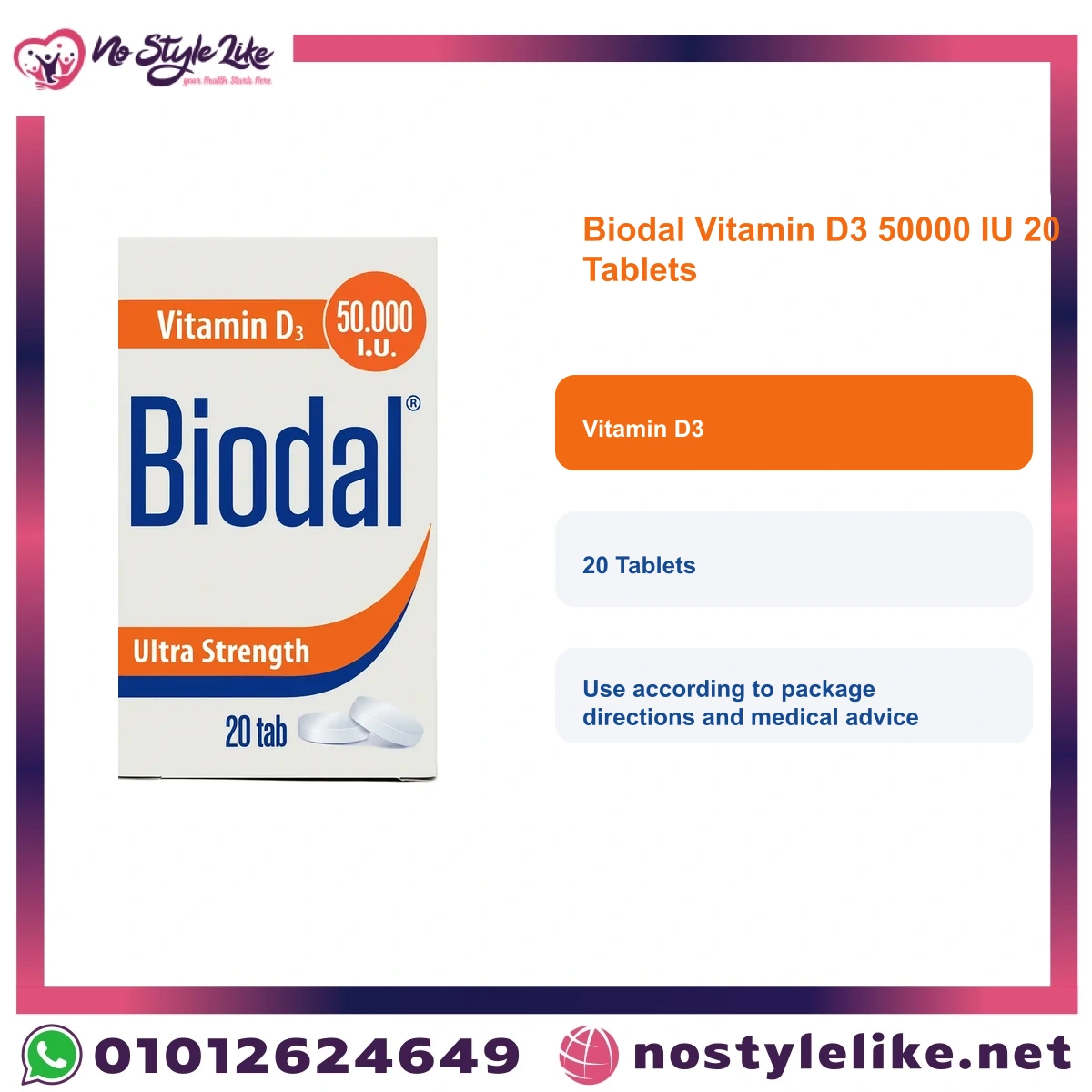
Biodal Vitamin D3 50000 IU 20 Tablets – Deficiency Correction Guide
Key Facts Table
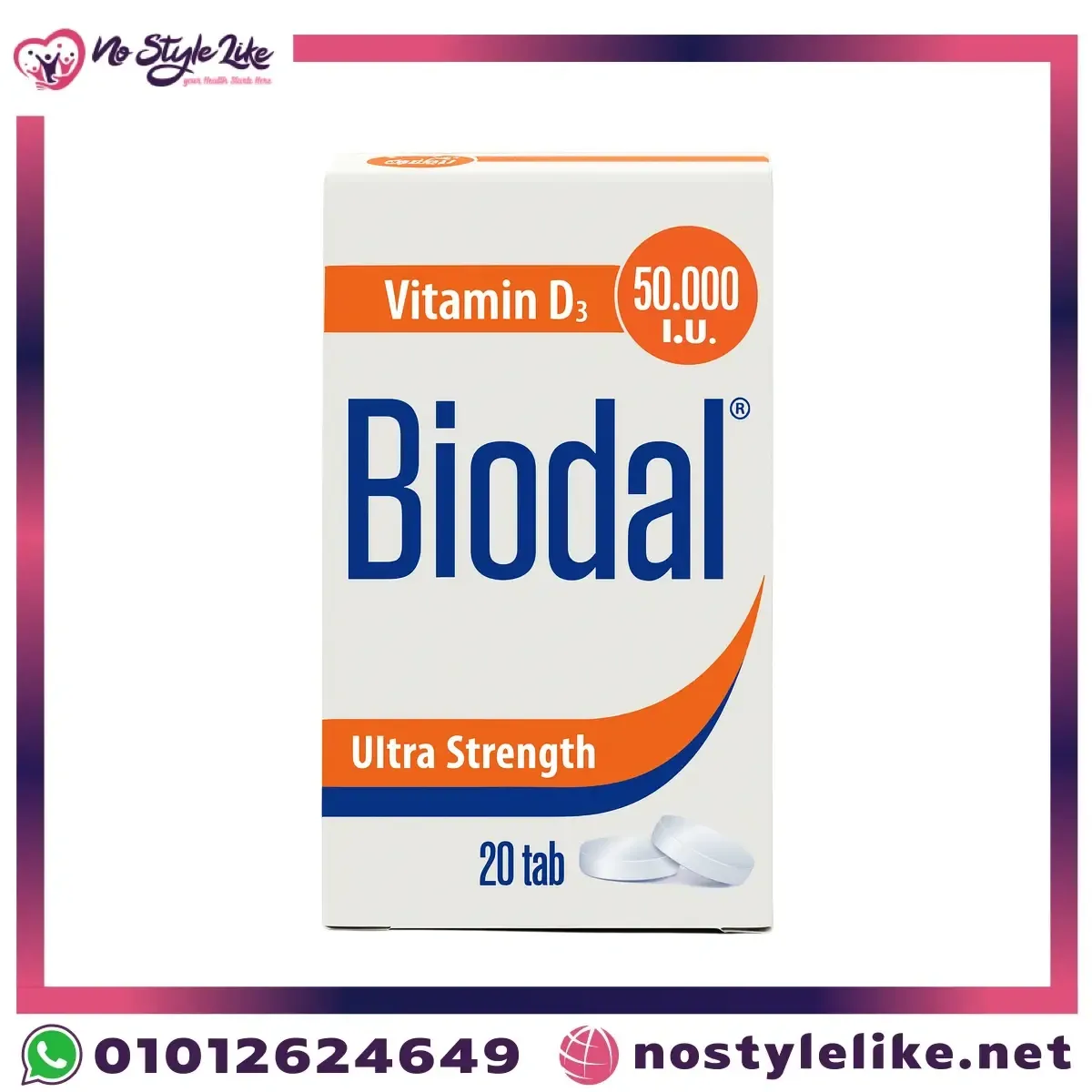
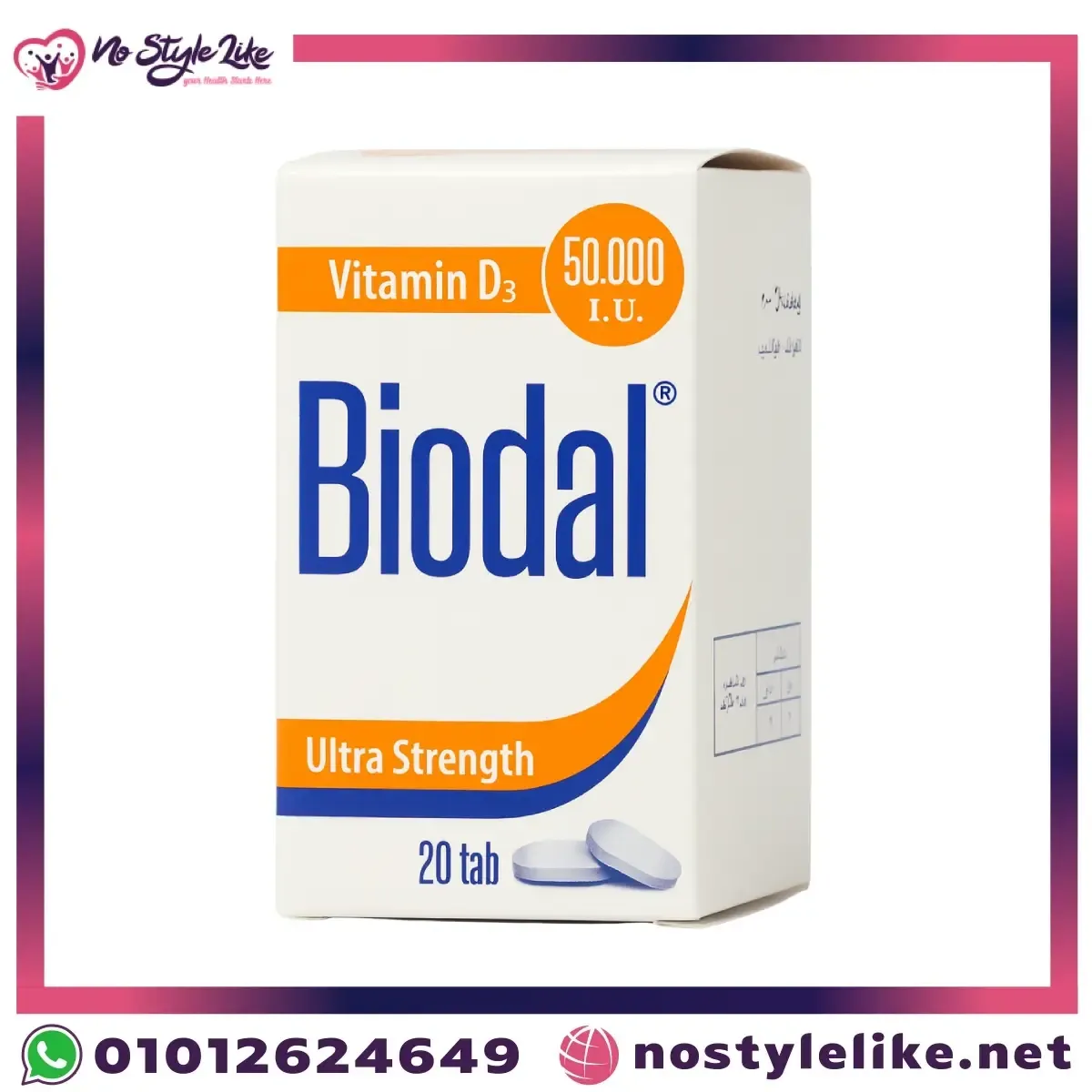
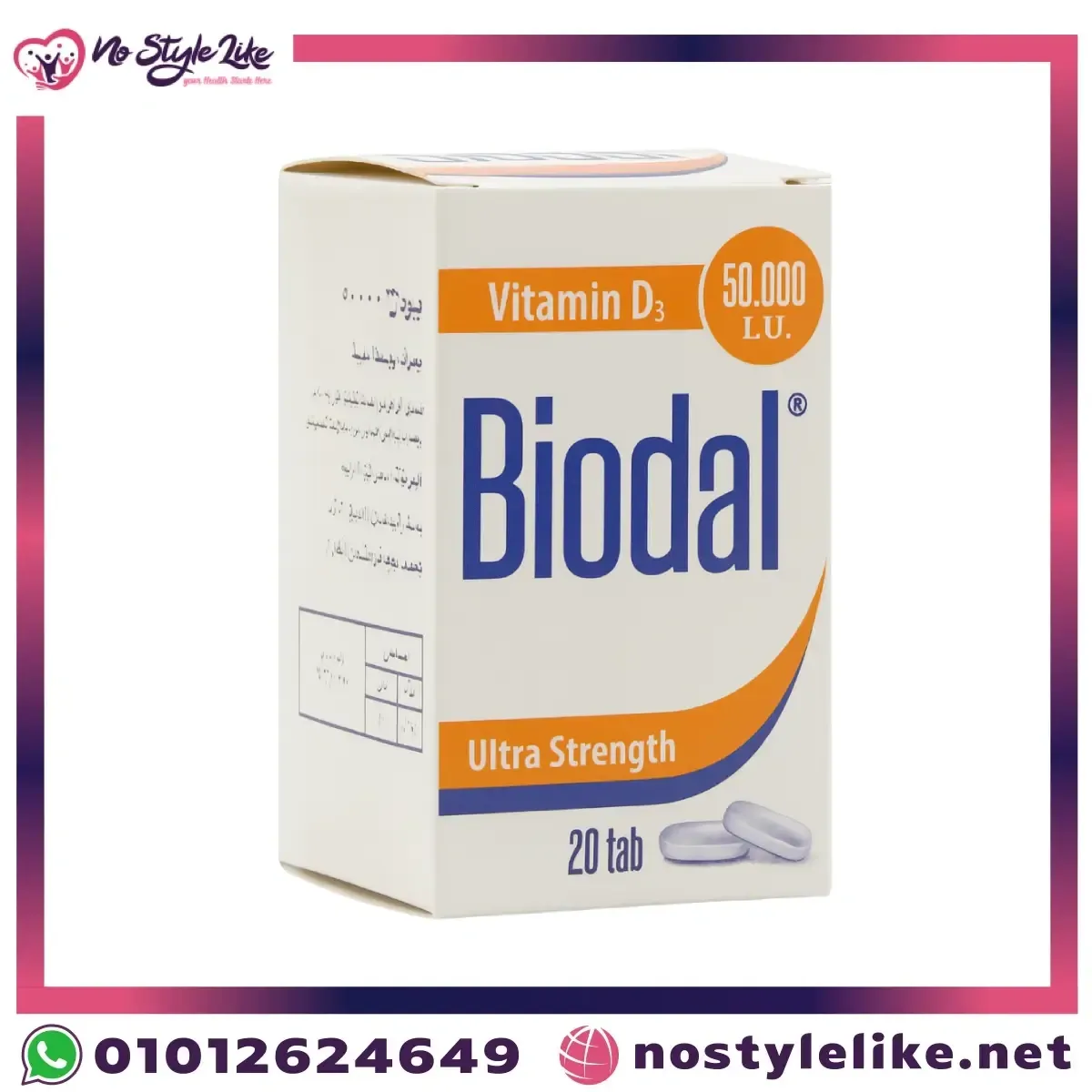
| Product Name | Biodal Vitamin D3 50000 IU – 20 Tablets |
| Active Ingredient | Cholecalciferol (Vitamin D3) 50,000 IU |
| Brand / Origin | Biodal – Made in Canada |
| Form | Oral tablets |
| Pack Size | 20 tablets (covers a full correction course + start of maintenance) |
| Main Use | Correction of diagnosed vitamin D deficiency |
| Typical Dose | 1 tablet weekly for 6–8 weeks (doctor-directed) |
| How to Take | After a meal containing fat, with water |
Biodal Vitamin D3 50000 IU is a Canadian pharmaceutical-grade supplement for correcting low vitamin D levels. One weekly tablet restores healthy stores that support bone strength, calcium absorption, immunity, and muscle function.
Table of Contents
- Introduction
- What Is Biodal 50000 IU?
- How Does It Work?
- Main Benefits
- Real Use Cases
- Who Is It Best For?
- Who Should Avoid It?
- How to Use Correctly
- Best Time to Take It
- Common Questions Users Ask
- Expected Results Timeline
- Common Mistakes
- Myths vs Facts
- Drug Interactions
- Contraindications
- Required Tests
- What to Eat With It
- Effect on Other Medications
- When to See a Doctor
- NSL Expert Tip
- FAQ
- Conclusion
Introduction
Persistent fatigue, unexplained bone or muscle aches, catching every cold going around — these are the classic signs that send people for a vitamin D blood test, and the results are often far below normal. Deficiency is remarkably common, even in sunny countries, because modern indoor lifestyles limit the sun exposure the skin needs to produce vitamin D naturally.
Biodal 50000 IU exists for exactly this situation: not everyday supplementation, but rapid, doctor-directed correction of a confirmed deficiency. This guide explains how the weekly high-dose protocol works, who needs it, and the safety rules that matter with therapeutic-strength vitamin D.
What Is Biodal 50000 IU?
Biodal is a Canadian-made, pharmaceutical-grade supplement containing 50,000 IU of cholecalciferol (Vitamin D3) per tablet — the same form of vitamin D your skin produces from sunlight, and the form research shows raises blood levels most effectively.
The 50,000 IU strength is a therapeutic dose: it is taken once weekly (not daily) to rebuild depleted vitamin D stores quickly. The 20-tablet pack conveniently covers a standard 6–8 week correction course with tablets remaining for the transition to maintenance.
How Does It Work?
Vitamin D3 functions more like a hormone than a typical vitamin. After absorption, the liver and kidneys convert it into its active form (calcitriol), which then:
- Unlocks calcium absorption in the intestines — without adequate vitamin D, most dietary calcium simply passes through unabsorbed
- Regulates calcium and phosphorus balance needed for bone mineralization and nerve function
- Supports immune cell function — vitamin D receptors are found on most immune cells
- Maintains muscle strength — deficiency is a known contributor to muscle weakness and fall risk in older adults
Because vitamin D is fat-soluble and stored in the body, one large weekly dose maintains steady levels — which is why the weekly 50,000 IU protocol is a standard, well-studied approach for correcting deficiency, as outlined by the NIH Office of Dietary Supplements.
Main Benefits
- Rapidly corrects diagnosed vitamin D deficiency
- Enhances calcium absorption for stronger bones and teeth
- Supports bone density and helps reduce osteoporosis and fracture risk
- Supports normal immune system function
- Helps maintain muscle strength and reduce deficiency-related weakness
- Adequate vitamin D levels are associated with better mood and energy in deficient individuals
- Convenient once-weekly dosing — easier to stick with than daily pills
Real Use Cases
- Lab-confirmed deficiency: the classic scenario — a 25(OH)D result below 20 ng/mL prompts the doctor to prescribe a weekly 50,000 IU course.
- Postmenopausal bone protection: combined with adequate calcium as part of an osteoporosis-prevention plan.
- Office workers and indoor lifestyles: minimal sun exposure year-round leads to chronically low levels.
- Elderly adults: aging skin produces significantly less vitamin D from the same sun exposure.
- Recurrent fatigue and frequent infections: when tests reveal low vitamin D as a contributing factor.
Who Is It Best For?
- Adults with blood-test-confirmed vitamin D deficiency
- Postmenopausal women at risk of bone loss
- Patients with osteoporosis or osteopenia (as part of their treatment plan)
- Elderly people with limited sun exposure
- People with darker skin tones or fully covered clothing, who synthesize less vitamin D from sunlight
- Those with limited outdoor activity or night-shift work patterns
Who Should Avoid It?
- People with hypercalcemia (elevated blood calcium) — high-dose vitamin D would worsen it
- Patients with kidney stones or significant kidney disease without medical supervision
- Those with parathyroid disorders unless their doctor directs use
- People with sarcoidosis or other granulomatous diseases (increased sensitivity to vitamin D)
- Anyone without a confirmed deficiency — 50,000 IU is not a routine daily supplement
- Pregnant and breastfeeding women only under direct medical supervision
How to Use Correctly
- Correction phase: 1 tablet (50,000 IU) once weekly for 6–8 weeks, as prescribed.
- Maintenance phase: after re-testing, the doctor typically switches you to a lower dose (e.g., 1000–2000 IU daily or 50,000 IU monthly).
- Take the tablet after a meal containing fat with a glass of water — vitamin D is fat-soluble and absorbs far better with dietary fat.
- Pick a fixed day of the week (e.g., every Friday) so you never miss or double a dose.
- Never take it daily at this strength unless your doctor explicitly instructs it.
- Store in a cool, dry place away from sunlight, out of children’s reach.
Best Time to Take It
With or right after the largest, fattiest meal of your week-day of choice — lunch works well for most people. The fat content of the meal matters more than the hour of the day. Consistency (same day every week) is the real key with weekly dosing.
Common Questions Users Ask
Why one huge weekly dose instead of a small daily one? Vitamin D is stored in body fat and released gradually, so a weekly 50,000 IU dose maintains stable levels. For correcting a real deficiency, the weekly protocol restores stores faster and is easier to follow.
Can I just get vitamin D from the sun instead? In theory yes, but once you’re significantly deficient, sun exposure alone rarely corrects it in a reasonable time — and factors like age, skin tone, sunscreen, and indoor work keep production low. Supplementation corrects the deficit; sensible sun exposure then helps maintain it.
Do I need calcium with it? Often yes for bone health, but only in the amounts your doctor recommends — combining high-dose vitamin D with unsupervised high-dose calcium raises the risk of hypercalcemia.
Expected Results Timeline
| Period | What to Expect |
|---|---|
| Weeks 1–2 | Blood levels begin rising; no dramatic feeling yet — that’s normal |
| Weeks 4–6 | Many people notice improved energy and less muscle/bone discomfort |
| Weeks 6–8 | Course complete; re-test 25(OH)D to confirm levels have normalized |
| After correction | Switch to maintenance dose to keep levels stable long-term |
Common Mistakes
- Taking 50,000 IU daily instead of weekly — the most dangerous misreading of the label
- Taking it on an empty stomach — absorption drops significantly without dietary fat
- Continuing the high dose indefinitely without re-testing
- Stacking it with other vitamin D products (multivitamins, cod liver oil, D3 drops) without counting the total
- Self-prescribing based on symptoms alone without a blood test
- Doubling up after a missed week — just resume the normal schedule
Myths vs Facts
| Myth | Fact |
|---|---|
| “More vitamin D is always better.” | Vitamin D is fat-soluble and accumulates. Excessive doses over time cause toxicity (hypercalcemia) — the correction dose is temporary by design. |
| “I live in a sunny country, so I can’t be deficient.” | Deficiency is widespread even in sunny regions due to indoor lifestyles, covered clothing, and sunscreen use. Only a blood test tells you. |
| “Vitamin D instantly fixes fatigue.” | If low vitamin D is the cause, energy typically improves gradually over 4–6 weeks — not overnight. Fatigue also has many other causes worth checking. |
Drug Interactions
Tell your doctor about all medicines and supplements you take. Key interactions:
- Corticosteroids (prednisone) — reduce vitamin D metabolism and calcium absorption
- Cholestyramine and Orlistat — fat-blocking agents that significantly reduce vitamin D absorption; separate doses by several hours
- Anticonvulsants (phenytoin, phenobarbital) — accelerate vitamin D breakdown, may require dose adjustment
- Thiazide diuretics (hydrochlorothiazide) — reduce calcium excretion; combined with high-dose D3 this raises hypercalcemia risk
- Digoxin — hypercalcemia from vitamin D excess increases digoxin toxicity risk
- Calcium supplements — combine only under medical supervision
A full interaction reference is available at MedlinePlus – Vitamin D.
Contraindications
- Hypercalcemia or hypercalciuria (high calcium in blood or urine)
- Vitamin D hypersensitivity or history of vitamin D toxicity
- Severe renal impairment without specialist supervision
- Sarcoidosis and other granulomatous diseases without medical direction
Required Tests
- 25(OH)D (vitamin D blood level): before starting — to confirm deficiency and set the plan — and after 8–12 weeks to confirm correction
- Serum calcium: baseline check, and during therapy if symptoms of hypercalcemia appear (nausea, excessive thirst, frequent urination)
- Kidney function: recommended before high-dose therapy in patients with known kidney issues
- PTH (parathyroid hormone): sometimes checked when deficiency is severe or persistent
What to Eat With It
- Take the tablet with a meal containing healthy fats: olive oil, eggs, avocado, nuts, or fatty fish
- Fatty fish (salmon, sardines, mackerel) also contribute natural vitamin D — a helpful bonus during and after correction
- Ensure adequate dietary calcium (dairy, leafy greens) so the absorbed vitamin D has calcium to work with
- Magnesium-rich foods (nuts, whole grains, legumes) support vitamin D activation in the body
Effect on Other Medications
Vitamin D itself rarely interferes with other drugs directly. The risk works in reverse: if vitamin D levels climb too high and cause elevated blood calcium, this can amplify the effects of digoxin and interact with thiazide diuretics. This is exactly why the 50,000 IU strength is time-limited and followed by re-testing rather than continued indefinitely.
When to See a Doctor
Contact your doctor if you experience during therapy:
- Persistent nausea, vomiting, or loss of appetite
- Excessive thirst and unusually frequent urination — possible signs of high calcium
- Confusion, unusual weakness, or bone pain that worsens instead of improving
- No symptom improvement after completing the full course — retesting and further evaluation are needed
- Any new medication started during the course, to check for interactions
NSL Expert Tip
Dr. Abdallah Fouad, Clinical Nutrition Specialist: “The biggest mistake with 50,000 IU is treating it like a daily vitamin — it is a weekly therapeutic dose, full stop. My advice: set a recurring phone reminder for the same day each week, take it with your fattiest meal, and book your follow-up blood test the day you start the course, 8 weeks ahead. The re-test is not optional — it’s how you know the correction worked and when to step down safely.”
Frequently Asked Questions
What is Biodal Vitamin D3 50000 IU used for?
It corrects diagnosed vitamin D deficiency and supports bone strength, calcium absorption, immunity, and muscle function.
How often should I take Biodal 50000 IU?
Typically one tablet weekly for 6–8 weeks as directed by your doctor, followed by a lower maintenance dose after re-testing.
Can I take Biodal 50000 IU daily?
No — this is a weekly therapeutic dose. Daily use at this strength risks vitamin D toxicity unless a doctor explicitly prescribes it.
Should I take it with food?
Yes — after a meal containing fat. Vitamin D is fat-soluble and absorbs much better with dietary fat.
How long before I feel results?
Blood levels rise within weeks; noticeable improvement in energy and aches typically appears within 4–6 weeks in deficient individuals.
Can I take Biodal with calcium supplements?
Only under medical supervision — combining high-dose vitamin D with high-dose calcium raises the risk of elevated blood calcium.
Is Biodal safe during pregnancy?
Only under direct medical supervision — the doctor determines whether a high-dose protocol is appropriate.
What are the side effects?
At prescribed doses side effects are rare. Overdose over time can cause nausea, vomiting, weakness, and hypercalcemia.
What’s the difference between 50000 IU and 1000 IU vitamin D?
50,000 IU is a weekly correction dose for diagnosed deficiency; 1000–2000 IU is a typical daily maintenance dose for keeping normal levels.
Where can I buy authentic Biodal 50000 IU in Egypt?
You can order the original Canadian product from No Style Like, with verified sourcing, secure packaging, and checked expiry dates.
Conclusion
Biodal Vitamin D3 50000 IU does one job and does it well: restoring depleted vitamin D stores quickly and safely under a doctor’s plan. One weekly tablet, taken with a fat-containing meal for 6–8 weeks, followed by a re-test and a step down to maintenance — that simple protocol rebuilds the foundation your bones, muscles, and immune system depend on.
Related products on No Style Like: Feroglobin Capsules – Iron & Vitamin B Complex · Now Vitamin D3 10000 IU Softgels · Centrum Men 120 Tablets – Daily Multivitamin
Reviewed by: Dr. Abdallah Fouad, Clinical Nutrition Specialist — 25+ years of experience
Medical Disclaimer: This content is for educational purposes only and does not replace professional medical advice. High-dose vitamin D therapy should be based on a blood test and taken under a doctor’s supervision. Sources: NIH Office of Dietary Supplements, MedlinePlus.



Reviews
There are no reviews yet.