



Description
Clomid 50 mg 10 Tablets (Clomiphene Citrate) – Ovulation & Fertility Guide
Table of Contents
- Introduction
- What Is Clomid 50 mg?
- How Does It Work?
- Main Benefits
- Real Use Cases
- Who Is It Prescribed For?
- Who Should Avoid It?
- How to Take It Correctly
- Timing in the Cycle
- Common Questions Users Ask
- Expected Results Timeline
- Common Mistakes
- Myths vs Facts
- Drug Interactions
- Contraindications
- Required Tests & Monitoring
- What to Eat With It
- Effect on Other Medications
- When to See a Doctor
- NSL Expert Tip
- FAQ
- Conclusion
Introduction
For many couples trying to conceive, the obstacle isn’t complicated — it’s ovulation that doesn’t happen regularly. When the ovaries don’t reliably release an egg each month, pregnancy becomes a matter of chance rather than timing. Clomid is often the first medicine gynecologists reach for to change that.
This guide explains how clomiphene works, how the 5-day course fits into your cycle, what monitoring makes it safer and more effective, and the honest facts about success rates and the small increased chance of twins — the kind of details that matter when you’re planning a family.
What Is Clomid 50 mg?
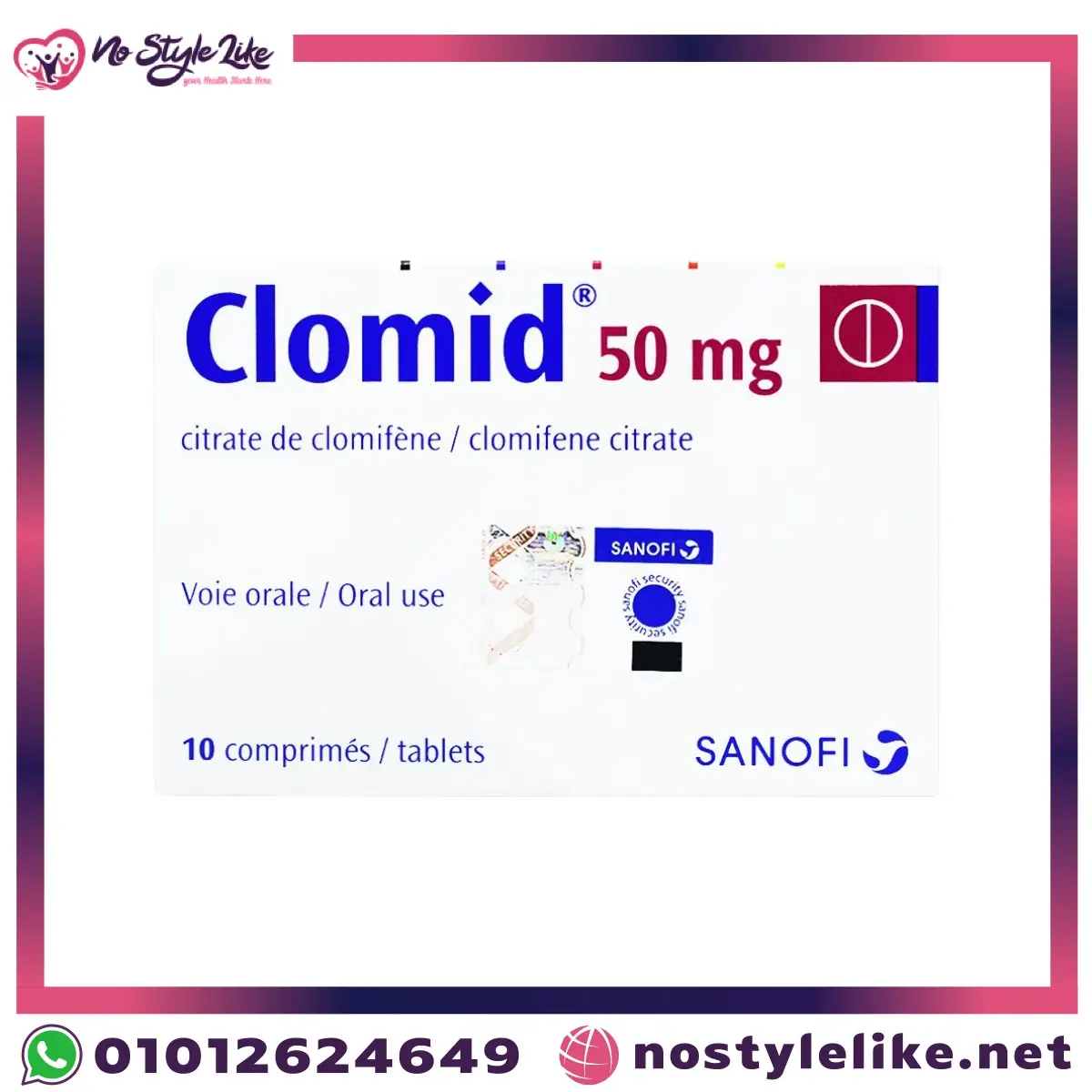
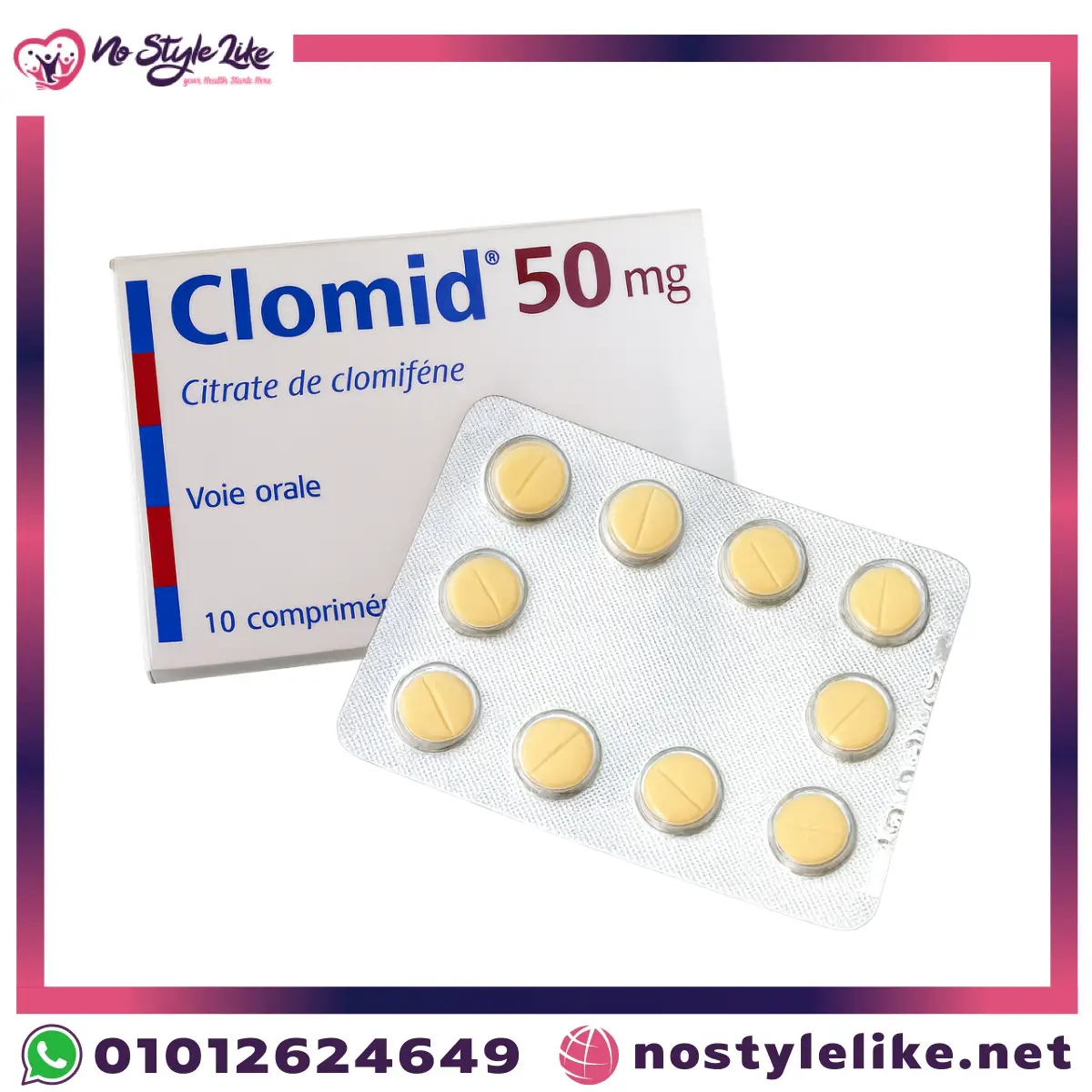
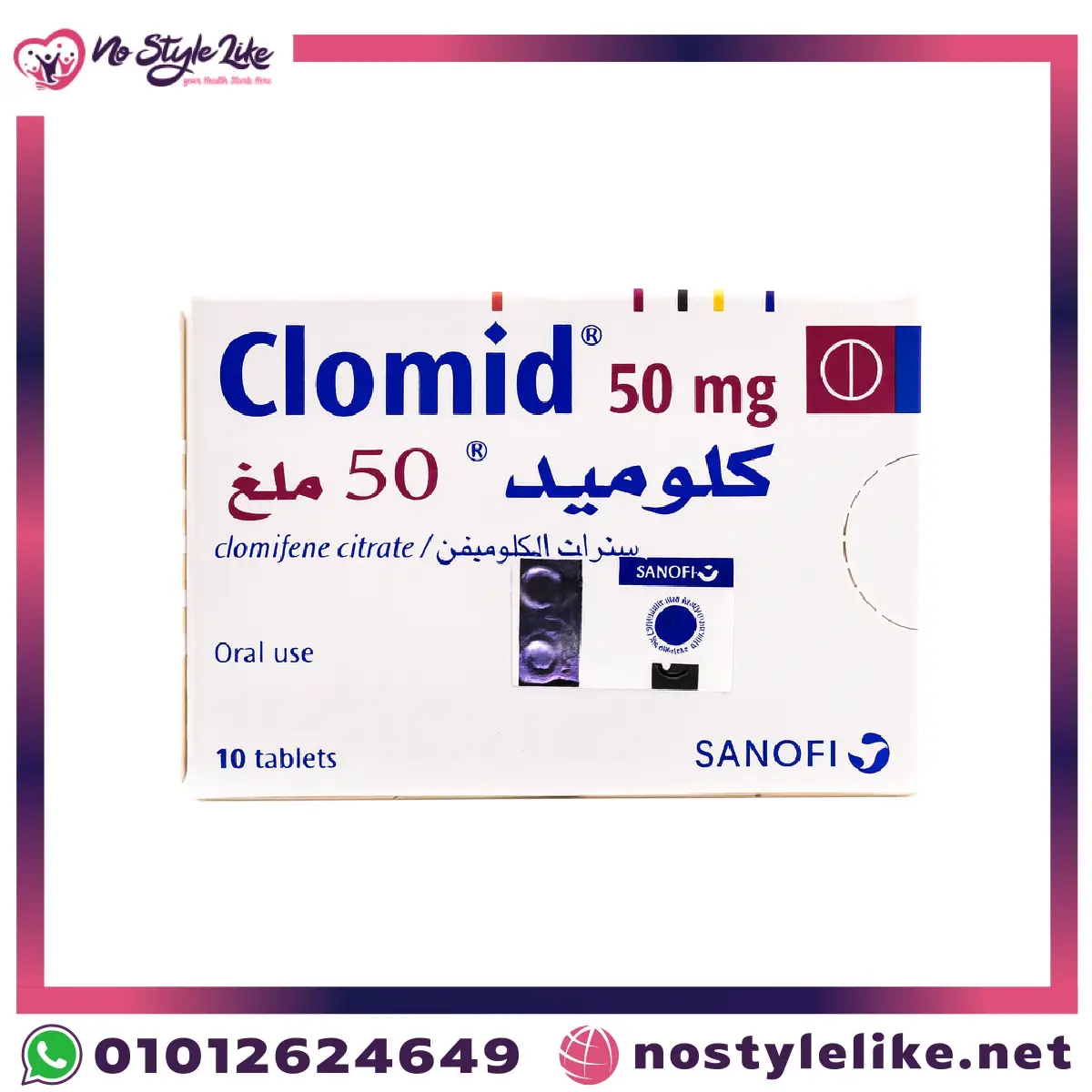
Clomid is the brand name of Clomiphene Citrate, manufactured by Sanofi. Each tablet contains 50 mg, and it belongs to a class called selective estrogen receptor modulators (SERMs).
Its job is to induce ovulation — to prompt the ovaries to develop and release a mature egg in women whose natural cycle doesn’t do this reliably. It has been a cornerstone of first-line fertility treatment for decades because it is oral, affordable, and effective for the right candidates. The 10-tablet box covers two standard 5-day treatment cycles.
How Does It Work?
Ovulation is driven by hormones from the brain. Clomiphene works through a clever indirect route:
- It blocks estrogen receptors in the hypothalamus — the brain is temporarily “tricked” into sensing low estrogen
- The brain responds by increasing FSH and LH — the hormones that stimulate egg development and trigger release
- The ovary develops one or more follicles — leading to ovulation, usually 5–10 days after the last tablet
Detailed pharmacology is available at MedlinePlus – Clomiphene.
Main Benefits
- Effectively induces ovulation in women who ovulate irregularly or not at all
- A recognized first-line option for ovulation problems, including PCOS
- Oral and convenient — a short 5-day course, no injections
- Cost-effective compared with advanced assisted-reproduction treatments
- Decades of clinical experience and a well-understood safety profile
- Fits neatly into planned approaches like timed intercourse or IUI
Real Use Cases
- Anovulatory infertility: the core use — for women whose ovaries don’t release an egg regularly.
- PCOS-related ovulation problems: one of the most common reasons clomiphene is prescribed.
- Timed intercourse cycles: ovulation is induced and dated so the couple can time conception.
- Intrauterine insemination (IUI): clomiphene prepares a mature follicle ahead of the procedure.
- Selected male fertility cases: used off-label by specialists for certain low-sperm-count situations, strictly under supervision.
Who Is It Prescribed For?
- Women with irregular or absent ovulation and an otherwise suitable fertility profile
- Women with PCOS whose specialist recommends ovulation induction
- Couples where the female partner’s ovulation is the identified factor, confirmed by evaluation
Who Should Avoid It?
- Pregnant women — clomiphene must never be taken during pregnancy
- Women with ovarian cysts (other than PCOS) or ovarian enlargement
- Women with liver disease
- Women with unexplained uterine bleeding that hasn’t been investigated
- Anyone with a known hypersensitivity to clomiphene
- Women with certain hormone-dependent conditions unless cleared by the specialist
How to Take It Correctly
- Standard dose: one 50 mg tablet daily for 5 consecutive days.
- Start day: typically day 5 of the menstrual cycle (your doctor may specify day 2–5).
- The doctor may adjust the dose in later cycles based on response, up to a maximum of 150 mg/day.
- Ovulation is expected roughly 5–10 days after the last tablet.
- Ultrasound monitoring of follicle growth is strongly recommended for safety and timing.
- Do not exceed the prescribed cycles — treatment is generally limited to about 6 cycles.
- Never self-medicate; always begin under a gynecologist’s direction.
Timing in the Cycle
Clomid is cycle-dependent, not time-of-day dependent. Take it once daily at a consistent hour across the 5-day course. The critical part is starting on the day your doctor specifies relative to your period — that timing is what aligns the medication with your body’s natural hormonal window. If your cycle is irregular, your doctor may use a progesterone-induced bleed to establish a clear starting point.
Common Questions Users Ask
How soon could I get pregnant? Many women who respond ovulate within the first few cycles. If ovulation occurs but pregnancy hasn’t happened after about 3 ovulatory cycles, the specialist typically re-evaluates the plan rather than simply continuing.
Does it really increase the chance of twins? Yes, modestly — because it can lead to more than one egg being released. This is why ultrasound monitoring matters: it helps the doctor manage the response and counsel you about the small increased likelihood of a multiple pregnancy.
Will it fix PCOS? No — it induces ovulation for conception; it doesn’t cure PCOS. Weight management, diet, and sometimes other medicines address the broader condition, which your doctor coordinates alongside fertility treatment.
Expected Results Timeline
| Period | What to Expect |
|---|---|
| Days 1–5 of the course | Taking the tablets; possible mild hot flashes or mood changes |
| 5–10 days after last tablet | Ovulation typically occurs — the fertile window |
| End of cycle | Pregnancy test / next-cycle assessment with your doctor |
| Over several cycles | Response reviewed; plan continued or adjusted (usually ≤6 cycles total) |
Common Mistakes
- Self-prescribing without a fertility evaluation of both partners
- Starting on the wrong cycle day, which misaligns the whole course
- Skipping ultrasound monitoring — it protects against overstimulation and mistimed cycles
- Continuing beyond the recommended number of cycles hoping for a different result
- Ignoring warning signs like visual disturbances or severe pelvic pain
- Combining it with unprescribed herbal “fertility boosters”
Myths vs Facts
| Myth | Fact |
|---|---|
| “A higher dose means faster pregnancy.” | The dose is raised only if a lower one didn’t produce ovulation. More is not better and increases side-effect and multiple-pregnancy risk. |
| “Twins are a bonus feature of Clomid.” | A multiple pregnancy is a medical consideration, not a goal — it carries higher risks for mother and babies, which is why response is monitored. |
| “If it worked for a friend, it’ll work for me.” | Fertility is individual. Clomid helps ovulation-related infertility; it won’t address tubal, uterine, or male factors, which need their own evaluation. |
Drug Interactions
Tell your doctor about all medicines and supplements you take, especially:
- Hormonal therapies — can interfere with clomiphene’s hormonal signaling
- Thyroid medications — thyroid balance affects fertility and cycle regulation
- Other ovulation-induction drugs — combining is a specialist-only decision
- Herbal fertility supplements — unpredictable hormonal effects; avoid unless approved
- Gonadotropins — sometimes combined by specialists in monitored protocols only
Contraindications
- Pregnancy (confirmed or suspected)
- Liver disease or impairment
- Ovarian cysts or enlargement not related to PCOS
- Unexplained/abnormal uterine bleeding
- Known hypersensitivity to clomiphene citrate
- Uncontrolled thyroid or adrenal disorders (until treated)
Required Tests & Monitoring
- Baseline fertility evaluation: hormone levels, and assessment of both partners before starting
- Ultrasound follicle monitoring: to track follicle growth and reduce overstimulation risk
- Ovulation confirmation: mid-luteal progesterone or ovulation tracking as advised
- Pregnancy test before each new cycle — clomiphene must not be taken if pregnant
- Prompt review if there are visual symptoms or signs of ovarian hyperstimulation
What to Eat With It
- A balanced, fertility-supportive diet — whole grains, vegetables, lean protein, healthy fats
- Discuss folic acid supplementation with your doctor — recommended before and during early pregnancy
- Ask about vitamin D, which is often relevant in PCOS and fertility
- Maintain a healthy weight — even modest weight normalization improves ovulation response in PCOS
- Avoid alcohol and smoking entirely while trying to conceive
Effect on Other Medications
Clomiphene’s effects are primarily hormonal, so the medicines that interact with it are those touching the same system — hormonal therapies, thyroid treatment, and other fertility drugs. Because untreated thyroid imbalance can itself block conception, your doctor often optimizes thyroid and other hormonal conditions before or alongside Clomid. The practical rule mirrors every prescription product here: no new medicine or supplement, herbal ones included, without your fertility specialist’s approval.
When to See a Doctor
- Visual disturbances (blurring, flashes, spots) — stop and contact your doctor immediately
- Severe abdominal or pelvic pain, bloating, or rapid weight gain — possible ovarian hyperstimulation
- No ovulation after about 3 cycles — the plan needs reassessment
- A positive pregnancy test — stop and follow up promptly
- Any severe or unexpected symptom during the cycle
NSL Expert Tip
Dr. Abdallah Fouad, Clinical Nutrition Specialist: “Clomid works best when the groundwork is right. Two things move the needle more than people expect: reaching a healthier weight before starting — in PCOS even a 5–10% reduction can restore ovulation and improve Clomid’s response — and insisting on ultrasound monitoring rather than ‘blind’ cycles. And start folic acid now, not after a positive test. The medicine induces ovulation; your preparation raises the odds of it turning into a healthy pregnancy.”
Frequently Asked Questions
What is Clomid 50 mg used for?
It stimulates ovulation in women who ovulate irregularly or not at all, often due to hormonal imbalance or PCOS.
How long does it take for Clomid to work?
Ovulation usually occurs 5–10 days after completing the 5-day course.
Does Clomid increase the chance of twins?
Slightly — it can cause more than one egg to be released. A multiple pregnancy is a medical consideration, which is why response is monitored.
Is Clomid safe?
When prescribed by a doctor and taken as directed with appropriate monitoring, it has a long, well-understood safety record.
Can Clomid be used for PCOS?
Yes — it is commonly used to induce ovulation in women with PCOS, alongside weight and lifestyle measures.
How many cycles of Clomid can I take?
Generally no more than about 6 cycles; beyond that the specialist reassesses the approach.
Can men use Clomid?
In selected low-sperm-count cases it is used off-label under specialist supervision only.
What should I avoid while taking Clomid?
Alcohol, smoking, and any unprescribed supplements or herbal fertility products.
Does Clomid affect my period?
It can help regularize the cycle, though some women notice slight timing changes.
Where can I buy authentic Clomid 50 mg in Egypt?
You can order the original Sanofi product from No Style Like, with verified sourcing, secure packaging, and checked expiry dates. A valid prescription is required.
Conclusion
Clomid 50 mg remains a trusted first step for ovulation-related infertility: oral, affordable, and effective for the right candidates. Its success depends on the fundamentals — an accurate diagnosis, correct cycle-day timing, ultrasound monitoring, and healthy preparation including folic acid and weight management. Under a gynecologist’s guidance, it offers many women a clear, well-established path toward conception.
Related products on No Style Like: Fertilaid for Women · OvaPro 90 Tabs · AMS Preconception Plus
Reviewed by: Dr. Abdallah Fouad, Clinical Nutrition Specialist — 25+ years of experience
Medical Disclaimer: This content is for educational purposes only and does not replace professional medical advice. Clomid is a prescription fertility medicine — it must be started, dosed, and monitored by a qualified gynecologist, and never taken during pregnancy. Sources: MedlinePlus (U.S. National Library of Medicine).

Reviews
There are no reviews yet.