



Description
Etovel 50 (Etoposide 50 mg Capsules) – Oncology Treatment Guide
Table of Contents
- Introduction
- What Is Etovel 50?
- How Does It Work?
- Approved Uses
- Who Is It Prescribed For?
- Who Needs Special Caution?
- How It Is Taken
- Side Effects
- Common Questions Patients Ask
- Common Mistakes
- Myths vs Facts
- Drug Interactions
- Contraindications
- Required Tests & Monitoring
- Diet & Supportive Care
- Effect on Other Medications
- When to Contact Your Doctor
- Safe Handling & Storage
- NSL Expert Tip
- FAQ
- Conclusion
Introduction
Chemotherapy remains a cornerstone of cancer treatment, and etoposide has been one of its well-established oral agents for decades. It is used across several cancer types, almost always as part of a carefully designed combination protocol rather than alone.
This guide explains what etoposide does and the monitoring it requires — always with the clear understanding that every decision about this medicine, from whether to use it to the exact dose and schedule, belongs entirely to the treating oncology team. This page is educational and is not a substitute for that specialist care.
What Is Etovel 50?
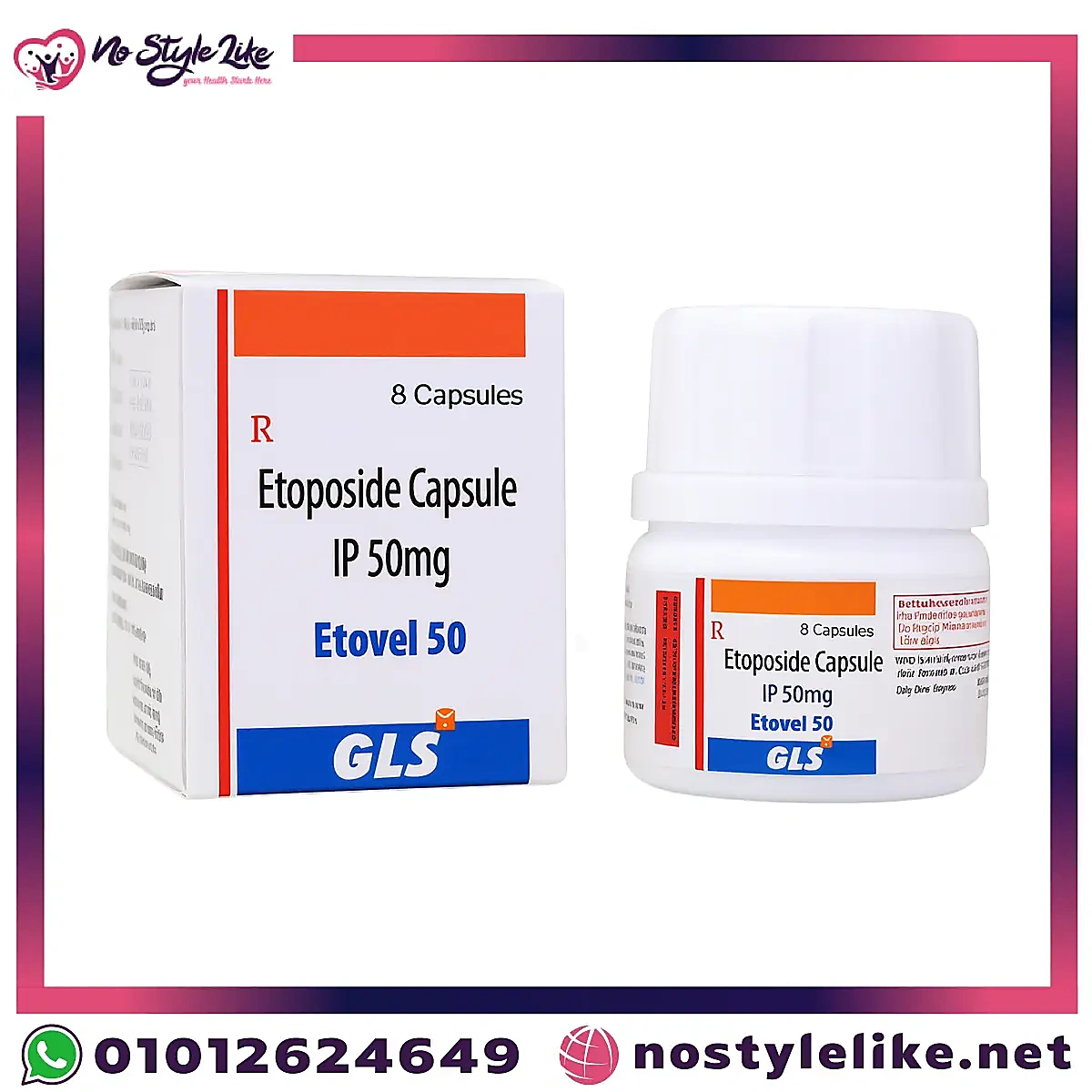
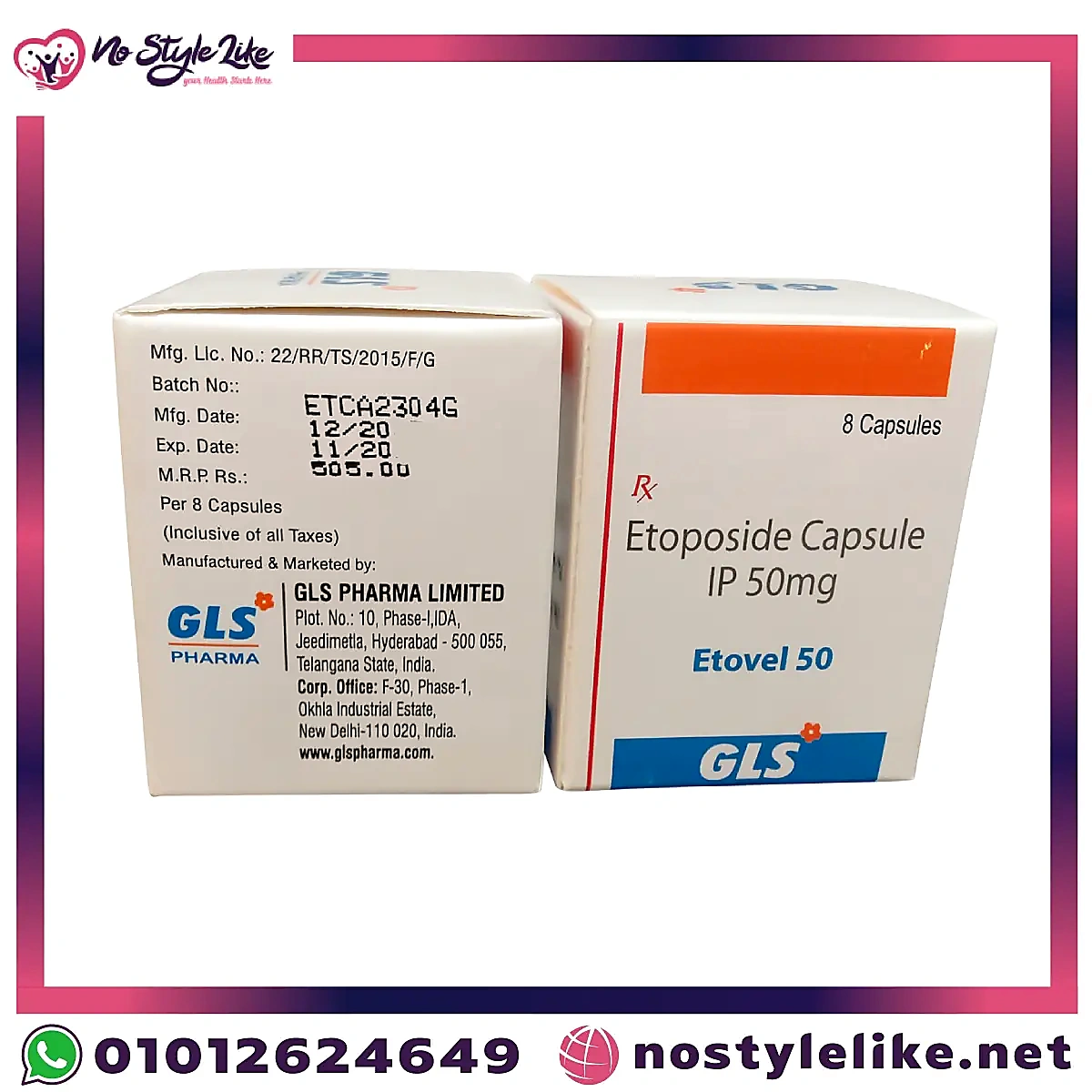
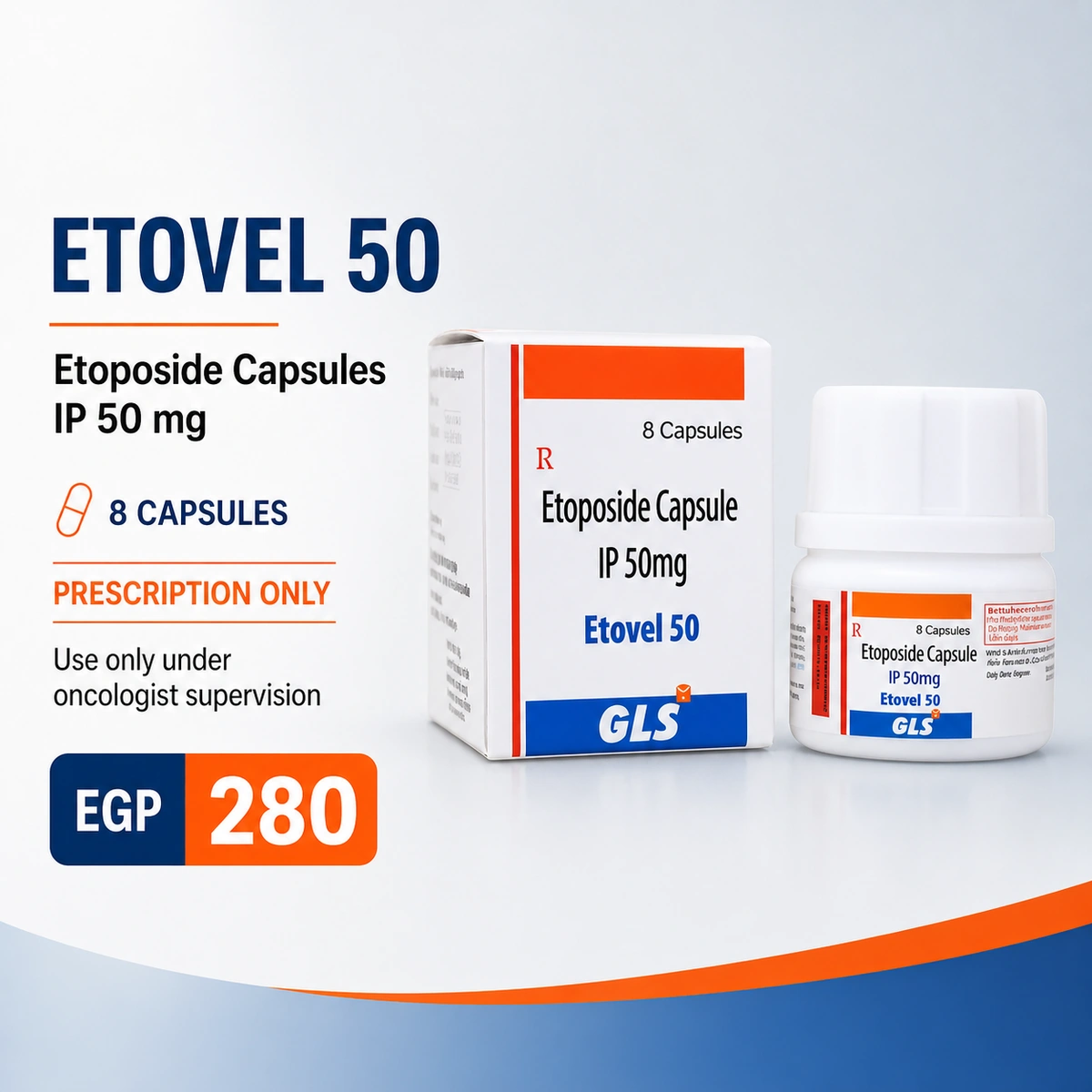
Etovel 50 is a brand of etoposide, an oral chemotherapy medicine manufactured by GLS Pharma in India. Each capsule contains 50 mg of etoposide, and each box contains 8 capsules.
Etoposide belongs to a class called topoisomerase II inhibitors. It is a cytotoxic (cell-killing) agent, meaning it is a powerful medicine used specifically to stop cancer cells from multiplying — and for that reason it is used only within a structured, closely monitored oncology treatment plan.
How Does It Work?
Cancer cells must copy their DNA in order to divide. Etoposide interferes with this process:
- It inhibits topoisomerase II — an enzyme cancer cells rely on to manage and replicate their DNA
- DNA replication is disrupted — the cell can no longer divide properly
- Cancer cell division halts — leading affected cells to die off
Because it acts on rapidly dividing cells, it also affects some healthy fast-dividing cells (such as blood-forming cells in the bone marrow), which is why side effects and monitoring are central to treatment. Detailed information is available at MedlinePlus – Etoposide.
Approved Uses
Etoposide is prescribed by oncologists, typically in combination protocols, for cancers including:
- Small-cell lung cancer (SCLC)
- Testicular cancer
- Lymphomas
- Certain leukemias
- Other cancers as determined by the specialist and local treatment protocols
The specific indication, whether it’s combined with other agents, and the full regimen are decided entirely by the treating oncologist based on the individual case.
Who Is It Prescribed For?
- Patients with a confirmed cancer diagnosis for which etoposide is part of the chosen protocol
- Patients whose oncologist has determined this chemotherapy is appropriate for their disease, overall health, and treatment goals
- Patients able to attend the regular blood tests and monitoring the treatment requires
Who Needs Special Caution?
- Patients with a known allergy to etoposide
- Patients with severe bone marrow suppression (very low blood counts)
- Patients with severe liver impairment — dose adjustment or avoidance per specialist judgment
- Patients with active or serious infection
- Pregnant or breastfeeding women — etoposide can seriously harm the fetus; effective contraception is essential during and after treatment for both men and women, per specialist advice
- Patients with significant kidney impairment — dosing assessed by the doctor
How It Is Taken
- The oncologist sets everything: the dose, the number of days per cycle, and the cycle schedule — based on cancer type, body surface area, treatment response, and blood counts.
- Capsules are swallowed whole with water — never chewed or opened.
- The medicine is taken exactly as prescribed during the specified days of each treatment cycle.
- Do not change the dose, skip, or stop doses on your own — all changes are specialist decisions.
- If a dose is missed or vomited, contact the oncology team for instructions rather than guessing.
Important: No specific dose is stated here on purpose. Etoposide dosing is individualized and must come only from the treating oncologist.
Side Effects
Like all chemotherapy, etoposide has expected side effects the medical team monitors and manages. Common ones include:
- Nausea or vomiting
- Loss of appetite
- Fatigue
- Low blood counts (white cells, red cells, platelets) — a key monitored effect
- Hair thinning
- Mouth sores
Seek medical attention promptly for: high fever or any sign of infection, severe fatigue, unusual bleeding or bruising, or a severe allergic reaction. Fever during chemotherapy is treated as urgent.
Common Questions Patients Ask
Is it used alone? Usually not — etoposide is most often part of a combination chemotherapy protocol designed by the oncologist for the specific cancer.
Will it cause hair loss? It can cause temporary hair thinning; this typically recovers after treatment ends. The medical team can advise on what to expect for your regimen.
Does it weaken immunity? Yes — it can lower white blood cell counts, which raises infection risk. This is exactly why regular blood monitoring and prompt attention to fever are so important.
Common Mistakes
- Opening or chewing the capsules instead of swallowing them whole
- Adjusting the dose or schedule without the oncologist
- Ignoring a fever or signs of infection during treatment
- Taking new medicines, herbs, or supplements without checking with the oncology team
- Missing scheduled blood tests
- Not using reliable contraception when advised
Myths vs Facts
| Myth | Fact |
|---|---|
| “I can take it on my own if I have the capsules.” | Etoposide is a cytotoxic chemotherapy that requires oncologist supervision, individualized dosing, and blood monitoring. It is never self-administered. |
| “Supplements can safely be added to boost the effect.” | Some supplements interact with chemotherapy. Nothing should be added without the oncology team’s approval. |
| “If side effects appear, the treatment isn’t working.” | Side effects are an expected, managed part of chemotherapy and don’t indicate whether the cancer is responding — the oncologist assesses response through tests and imaging. |
Drug Interactions
Give your oncology team a complete list of everything you take. Etoposide may interact with:
- Immunosuppressants — additive suppression of the immune system
- Anticoagulants (blood thinners like warfarin) — bleeding risk may change and needs monitoring
- Certain antibiotics and antifungals — can affect etoposide levels or add toxicity
- Anti-seizure medications — may alter how etoposide is processed
- Other chemotherapy agents — combined effects are managed within the protocol
- Live vaccines are generally avoided during chemotherapy
Contraindications
- Known hypersensitivity to etoposide
- Severe bone marrow suppression
- Severe liver impairment (per specialist assessment)
- Pregnancy and breastfeeding, unless the specialist judges it essential
Required Tests & Monitoring
- Complete blood count (CBC): the core of monitoring — checked before and during cycles to watch white cells, red cells, and platelets
- Liver function tests: since the liver processes etoposide
- Kidney function: as part of overall assessment
- Response assessment: clinical exams, blood work, and imaging at intervals set by the oncologist
- Prompt reporting of fever, infection signs, or unusual bleeding
Diet & Supportive Care
- Prioritize food safety — well-cooked food and washed produce, since infection risk is raised
- Small, frequent meals can help when nausea or appetite loss occurs
- Stay hydrated, especially if vomiting occurs
- Gentle oral care helps with mouth sores
- Do not add herbal supplements without the oncology team’s approval
Effect on Other Medications
Because etoposide affects the immune system and blood counts, its most important interactions are with immunosuppressants (added immune suppression) and blood thinners (changed bleeding risk). Certain antibiotics, antifungals, and anti-seizure drugs can also affect how the body handles it. The absolute rule with chemotherapy is that no new medicine, over-the-counter product, herb, or supplement should be started without first checking with the oncology team.
When to Contact Your Doctor
- Fever, chills, or any sign of infection — treat as urgent during chemotherapy
- Unusual bleeding or bruising
- Severe or persistent fatigue, weakness, or breathlessness
- Severe nausea, vomiting, or inability to keep fluids down
- Signs of an allergic reaction (rash, swelling, difficulty breathing)
- Mouth sores that prevent eating or drinking
Safe Handling & Storage
- Store at room temperature, away from heat and moisture
- Keep out of the reach of children and pets
- As a cytotoxic medicine, handle as directed by your pharmacist; caregivers should follow any handling precautions provided
- Do not use after the expiry date; return unused cytotoxic medicine to a pharmacy for proper disposal
NSL Expert Tip
Dr. Abdallah Fouad, Clinical Nutrition Specialist: “With oral chemotherapy like etoposide, two things protect the patient most. First, treat every fever as an emergency — a lowered white cell count means an infection can escalate quickly, so never ‘wait and see.’ Second, keep a written list of absolutely everything taken, including herbal teas and vitamins, and clear anything new with the oncology team before starting it. The chemotherapy plan is precise, and it’s these everyday details that keep it safe.”
Frequently Asked Questions
What is Etoposide 50 mg used for?
It is an oral chemotherapy used under oncology supervision to treat cancers including small-cell lung cancer, testicular cancer, lymphomas, and certain leukemias.
Is it taken alone or with other chemotherapy?
Usually as part of a combination chemotherapy protocol designed by the oncologist.
Does Etoposide cause hair loss?
It can cause temporary hair thinning, which typically recovers after treatment.
Can I drive while taking it?
Avoid driving if you feel dizzy or very fatigued; follow your medical team’s advice.
Is it safe for kidney or liver patients?
Dosing must be assessed by the oncologist, who adjusts or avoids it based on organ function.
Can I take vitamins or supplements with it?
Only after checking with your oncology team, as some supplements interact with chemotherapy.
Can pregnant women use this medicine?
No — it can seriously harm the fetus and is not used in pregnancy unless a specialist judges it essential. Effective contraception is required.
Does it weaken immunity?
Yes, it can lower white blood cell counts, which is why blood monitoring and treating fever urgently are essential.
How long does a treatment cycle last?
Cycle length varies by cancer type and protocol and is determined by the oncologist.
Where can I get authentic Etovel 50 in Egypt?
You can inquire about the original GLS Pharma product through No Style Like, with verified sourcing and checked expiry dates. A valid oncologist’s prescription is required.
Conclusion
Etovel 50 (etoposide) is a long-established oral chemotherapy that plays an important role in treating several cancers, almost always within a carefully monitored combination protocol. Everything about its use — the decision to prescribe, the dose, the schedule, and the monitoring — rests entirely with the treating oncology team. The patient’s part is equally vital: taking it exactly as directed, attending every blood test, treating fever as urgent, and clearing any new medicine or supplement with the team first. Under proper specialist care, it remains a valuable tool in modern oncology.
Related specialty medications on No Style Like: Oncology Medications · CALQUENCE (Acalabrutinib) 100 mg · Methotrexate Tablets 2.5 mg
Reviewed by: Dr. Abdallah Fouad, Clinical Nutrition Specialist — 25+ years of experience
Medical Disclaimer: This content is strictly educational and does not replace the guidance of your oncology specialist. Etoposide is a cytotoxic chemotherapy available by prescription only — all decisions about starting, dosing, scheduling, pausing, or stopping it belong exclusively to the treating oncologist. Sources: MedlinePlus (U.S. National Library of Medicine).




Reviews
There are no reviews yet.