



Description
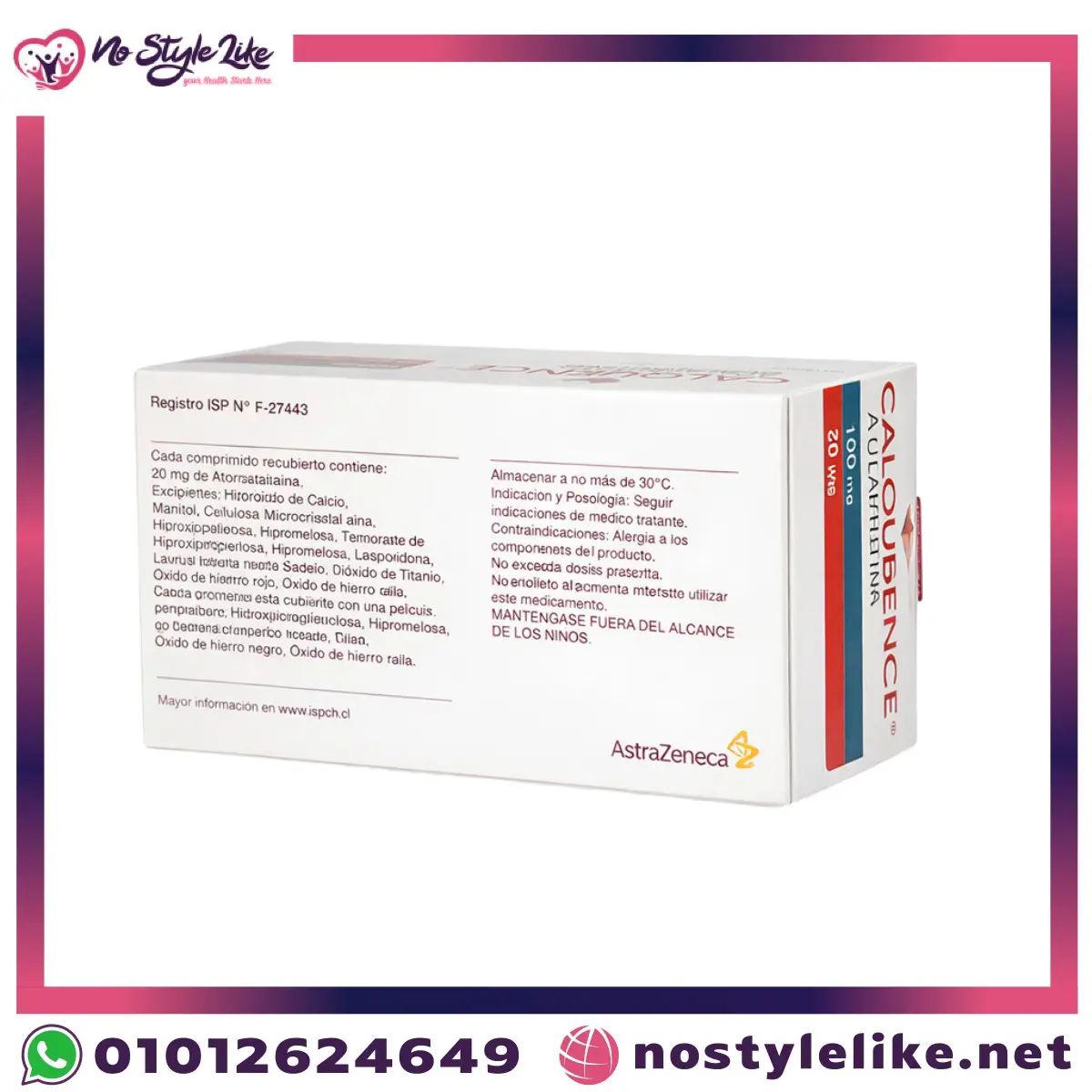
CALQUENCE — CALQUENCE (Acalabrutinib) 100 mg 60 Capsules is available now at No Style Like with fast delivery across Egypt.
CALQUENCE (Acalabrutinib) – Targeted Therapy Guide: Uses, Dosage & Monitoring
Key Facts Table
| Product Name | CALQUENCE (Acalabrutinib) |
| Active Ingredient | Acalabrutinib 100 mg |
| Manufacturer | AstraZeneca |
| Drug Class | BTK inhibitor (Bruton tyrosine kinase) – targeted therapy |
| Main Uses | CLL, SLL, and certain mantle cell lymphoma cases (specialist-determined) |
| Standard Dose | 100 mg twice daily, about 12 hours apart |
| Administration | Oral, swallowed whole, with or without food |
| Prescription Status | Prescription-only – hematology-oncology supervision required |
CALQUENCE is a second-generation BTK inhibitor that blocks a key enzyme malignant B-cells depend on for survival, offering targeted disease control with a different side-effect profile than traditional chemotherapy. Treatment decisions, monitoring, and duration are managed entirely by the treating specialist.
Table of Contents
- Introduction
- What Is CALQUENCE?
- How Does It Work?
- Main Benefits
- Approved Uses
- Who Is It Prescribed For?
- Who Needs Special Caution?
- How to Take It Correctly
- Timing of Doses
- Common Questions Patients Ask
- Treatment Response Timeline
- Common Mistakes
- Myths vs Facts
- Drug Interactions
- Contraindications & Warnings
- Required Tests & Monitoring
- Diet During Treatment
- Effect on Other Medications
- When to Contact Your Doctor
- NSL Expert Tip
- FAQ
- Conclusion
Introduction
For decades, treating blood cancers meant chemotherapy that attacked all rapidly dividing cells — cancerous and healthy alike. Targeted therapies changed that equation. Instead of a broad attack, they block a specific molecular pathway the cancer cells depend on, which often means meaningful disease control with a more manageable side-effect profile.
CALQUENCE is one of the leading examples of this approach for B-cell blood cancers. This guide explains what it does, how it is taken, the monitoring it requires, and the practical details patients and caregivers ask about most — always with the understanding that every decision in this treatment belongs to the treating hematology-oncology specialist.
What Is CALQUENCE?
CALQUENCE is the brand name of acalabrutinib, a second-generation BTK inhibitor developed by AstraZeneca. BTK (Bruton tyrosine kinase) is an enzyme that malignant B-lymphocytes — the cells involved in CLL, SLL, and mantle cell lymphoma — rely on to grow, survive, and multiply.
As a “second-generation” inhibitor, acalabrutinib was designed to bind BTK more selectively than earlier drugs in the class, with the goal of reducing off-target side effects. It is taken orally at home, which allows many patients to manage treatment as part of daily life rather than through repeated infusion visits.
How Does It Work?
Malignant B-cells receive continuous “survive and divide” signals through a pathway called B-cell receptor signaling. BTK is a critical link in that chain. Acalabrutinib works by:
- Binding to BTK and blocking it — the survival signal is interrupted at its source
- Halting proliferation signals — malignant cells lose the instructions driving uncontrolled division
- Acting selectively — its design targets BTK with high specificity, limiting effects on unrelated enzymes and healthy tissues compared with broad chemotherapy
Detailed clinical information about acalabrutinib is available from the U.S. National Library of Medicine at MedlinePlus – Acalabrutinib.
Main Benefits
- Targeted mechanism — attacks the pathway cancer cells depend on rather than all dividing cells
- Demonstrated disease control in CLL/SLL in large clinical trials
- Oral administration at home — no infusion sessions for the drug itself
- Generally more manageable tolerability profile than conventional chemotherapy (side effects still occur and require monitoring)
- Suitable for long-term continuous treatment plans when the specialist prescribes it that way
Approved Uses
- Chronic lymphocytic leukemia (CLL): in both previously untreated and previously treated patients, as determined by the specialist.
- Small lymphocytic lymphoma (SLL): the tissue-based counterpart of CLL, managed with the same approach.
- Mantle cell lymphoma (MCL): in specific settings defined by the treating physician and local regulatory approval.
The exact indication, whether CALQUENCE is used alone or combined with other agents (such as obinutuzumab), and the treatment duration are entirely specialist decisions based on the patient’s disease characteristics.
Who Is It Prescribed For?
- Patients with a confirmed diagnosis of CLL, SLL, or eligible mantle cell lymphoma
- Patients whose specialist has determined a BTK inhibitor is the appropriate strategy for their disease profile, age, and other health conditions
- Patients able to commit to twice-daily oral dosing and regular monitoring visits
Who Needs Special Caution?
- Patients with active bleeding disorders or on anticoagulants — BTK inhibitors increase bleeding risk
- Patients with significant heart rhythm problems — atrial fibrillation has been reported with this drug class
- Patients with active or previous hepatitis B infection — reactivation is possible; screening is mandatory before starting
- Patients with severe liver impairment — dose adjustment or avoidance per specialist judgment
- Pregnant or breastfeeding women — acalabrutinib may harm the fetus; effective contraception is required during treatment
- Patients scheduled for surgery or dental procedures — the specialist usually pauses the drug around procedures due to bleeding risk
How to Take It Correctly
- Standard dose: 100 mg twice daily, approximately every 12 hours, exactly as prescribed.
- Swallow whole with water — do not open, break, or chew.
- Can be taken with or without food.
- Missed dose: if less than 3 hours late, take it; if more than 3 hours have passed, skip it and take the next dose on schedule. Never double a dose.
- Do not stop, pause, or change the dose yourself — treatment interruptions are specialist decisions only.
- Store at room temperature, away from moisture, out of children’s reach.
Timing of Doses
Consistency matters more than clock-perfect precision: pick two times roughly 12 hours apart that fit your routine — for example 8 AM and 8 PM — and keep them fixed daily. Setting two recurring phone alarms is the simplest way to protect the schedule, because steady blood levels are part of how the drug maintains continuous pressure on the disease.
Common Questions Patients Ask
Is this chemotherapy? No. CALQUENCE is a targeted therapy — it blocks one specific enzyme rather than attacking all dividing cells. That’s why hair loss and severe nausea, the classic chemotherapy effects, are not its typical profile. It still has real side effects that require monitoring.
Will I take it forever? In many CLL treatment plans, BTK inhibitors are taken continuously as long as they keep working and are tolerated. Some modern protocols use fixed durations. Your specialist defines this — it varies by disease and regimen.
What side effects should I expect? The most common are headache (especially in the first weeks — it usually fades), diarrhea, easy bruising, fatigue, and muscle or joint aches. The ones your medical team watches for are infections, low blood counts, bleeding events, and heart rhythm changes — which is exactly what the regular monitoring is for.
Treatment Response Timeline
| Period | What Typically Happens |
|---|---|
| First weeks | Treatment begins working at the cellular level; some patients notice temporary headache that usually resolves; a temporary rise in blood lymphocyte counts can occur and is an expected drug effect, not progression |
| First months | Enlarged lymph nodes and spleen often begin shrinking; blood counts gradually improve per lab monitoring |
| Ongoing | Response is assessed by the specialist through exams, blood work, and imaging at defined intervals; treatment continues per the plan |
Common Mistakes
- Stopping the drug when feeling better — disease control depends on continuous BTK inhibition
- Doubling up after a missed dose
- Not telling the dentist or surgeon about the medication before procedures
- Starting new medications, herbs, or supplements without checking with the oncology team — CYP3A interactions are significant with this drug
- Ignoring “minor” symptoms like persistent bruising or black stools — these need reporting, not waiting
- Missing monitoring appointments because “everything feels fine”
Myths vs Facts
| Myth | Fact |
|---|---|
| “Targeted therapy has no side effects.” | It has a different — often more manageable — profile than chemotherapy, but real risks (bleeding, infection, cardiac rhythm changes) exist and are why monitoring is mandatory. |
| “If my lymphocyte count rises at first, the drug is failing.” | An early temporary lymphocyte rise (lymphocytosis) is a known, expected effect of BTK inhibitors as cells move out of lymph nodes into the blood — your specialist interprets this, not the raw number. |
| “I can pause it for a few days without telling anyone.” | Unplanned interruptions can affect disease control. Every pause — including before surgery — is a specialist decision. |
Drug Interactions
Acalabrutinib is processed by the liver enzyme CYP3A, making interactions clinically important. Always give your oncology team a complete list of everything you take. Key interactions:
- Strong CYP3A inhibitors (ketoconazole, itraconazole, clarithromycin, ritonavir) — raise acalabrutinib levels; combinations are avoided or dose-adjusted
- Strong CYP3A inducers (rifampin, carbamazepine, phenytoin, St. John’s Wort) — lower drug levels and can undermine treatment
- Acid-reducing drugs with the capsule form: proton pump inhibitors (omeprazole, esomeprazole) significantly reduce capsule absorption and are generally avoided; antacids and H2 blockers require timed separation. The newer tablet formulation is not affected — your pharmacist will confirm which form you have
- Anticoagulants and antiplatelets (warfarin, aspirin, clopidogrel) — additive bleeding risk; combined only with specialist oversight
- Grapefruit and Seville oranges — natural CYP3A inhibitors; avoid during treatment
Contraindications & Warnings
- Known hypersensitivity to acalabrutinib or any component
- Pregnancy — potential fetal harm; reliable contraception required during and shortly after treatment
- Breastfeeding is not recommended during treatment
- Key warnings managed by the specialist: serious infections, bleeding events, cytopenias (low blood counts), cardiac arrhythmias, and second primary malignancies (including skin cancers — sun protection is advised)
Required Tests & Monitoring
- Before starting: complete blood count, liver and kidney function, and hepatitis B screening (mandatory — reactivation risk)
- During treatment: regular CBC monitoring for neutropenia, anemia, and thrombocytopenia at intervals set by the specialist
- Cardiac monitoring: attention to palpitations or irregular heartbeat; ECG when indicated
- Response assessment: periodic clinical exams, blood work, and imaging per the treatment plan
- Dermatology awareness: periodic skin checks, since second skin cancers are a documented class risk
Diet During Treatment
- Avoid grapefruit and Seville orange products entirely — they interfere with drug metabolism
- Prioritize food safety (well-cooked food, washed produce) — infection risk is elevated during treatment
- Maintain balanced protein intake to support blood counts and energy
- Stay well hydrated, especially if diarrhea occurs
- Do not add herbal supplements — particularly St. John’s Wort — without oncology team approval
Effect on Other Medications
The most consequential two-way interaction is with blood thinners: acalabrutinib itself raises bleeding tendency, so combining it with anticoagulants or antiplatelets multiplies that risk and requires active specialist management. In the other direction, common medicines can silently sabotage treatment — a routine PPI for heartburn can cut absorption of the capsule form, and an antibiotic like clarithromycin can push drug levels too high. The rule is absolute: no new medicine, including over-the-counter products, without checking with the oncology team first.
When to Contact Your Doctor
Contact your medical team promptly if you experience:
- Fever, chills, or any sign of infection — treat fever during therapy as urgent
- Unusual bleeding or bruising, blood in urine or stool, black stools, or bleeding that won’t stop
- Palpitations, irregular heartbeat, chest discomfort, dizziness, or fainting
- Severe or persistent headache, or severe diarrhea causing dehydration
- New skin lesions or changes in existing moles
- Any planned surgery or dental work — the team decides whether to pause treatment around it
NSL Expert Tip
Dr. Abdallah Fouad, Clinical Nutrition Specialist: “With targeted therapies like CALQUENCE, the two habits that protect your treatment most are unglamorous: keep a written list of everything you swallow — including antacids and herbal teas — and show it at every appointment; and never let a pharmacy visit add anything new without the oncology team’s sign-off. A simple heartburn pill choice can change how much of this medicine your body actually absorbs. The details are the treatment.”
Frequently Asked Questions
What is CALQUENCE used for?
It is a targeted BTK-inhibitor therapy prescribed by specialists for chronic lymphocytic leukemia (CLL), small lymphocytic lymphoma (SLL), and certain mantle cell lymphoma cases.
Is CALQUENCE chemotherapy?
No — it is a targeted therapy that blocks the BTK enzyme malignant B-cells depend on, rather than attacking all dividing cells like traditional chemotherapy.
What is the standard dose of CALQUENCE?
100 mg twice daily, approximately 12 hours apart, swallowed whole with or without food, exactly as prescribed by the specialist.
What are the most common side effects?
Headache (usually early and temporary), diarrhea, bruising, fatigue, and muscle aches. Serious risks monitored by the medical team include infections, low blood counts, bleeding, and heart rhythm changes.
What should I do if I miss a dose?
Take it if you are within 3 hours of the scheduled time; otherwise skip it and take the next dose on schedule. Never double a dose.
Can I take antacids or stomach medicines with it?
Only after checking with your team — proton pump inhibitors significantly reduce absorption of the capsule form, and antacids require timed separation.
Can I have surgery or dental work during treatment?
Yes, but only with your oncology team’s coordination — the drug is usually paused around procedures because of bleeding risk.
Is CALQUENCE safe during pregnancy?
No — it may harm the fetus. Effective contraception is required during treatment and for a period after, per specialist guidance.
How long will treatment last?
It depends on the disease and regimen — many plans use continuous treatment while it remains effective and tolerated; the specialist defines the duration.
Where can I get authentic CALQUENCE in Egypt?
You can inquire about the original AstraZeneca product through No Style Like, with verified sourcing, cold-chain-appropriate handling where required, and checked expiry dates. A valid specialist prescription is required.
Conclusion
CALQUENCE represents the modern direction of blood cancer treatment: precise, oral, and built around blocking the exact pathway the disease depends on. Its effectiveness rests on three pillars that belong partly to the patient — unbroken twice-daily adherence, complete transparency about every other medicine taken, and consistent attendance at monitoring visits. With those in place and a specialist directing the plan, it offers meaningful, sustained disease control for the conditions it treats.
Related specialty medications on No Style Like: Methotrexate Tablets 2.5 mg · Pirfenex 200 mg Tablets · [Related product 3]
Reviewed by: Dr. Abdallah Fouad, Clinical Nutrition Specialist — 25+ years of experience
Why Choose CALQUENCE from No Style Like?
At No Style Like, we provide authentic CALQUENCE products with verified quality, competitive pricing, and expert guidance from Dr. Abdallah Fouad, Clinical Nutrition Specialist with 25+ years of experience.
Medical Disclaimer: This content is strictly educational and does not replace the guidance of your hematology-oncology specialist. CALQUENCE is a prescription-only cancer therapy — all decisions about starting, dosing, pausing, or stopping it belong exclusively to the treating physician. Sources: MedlinePlus (U.S. National Library of Medicine), National Cancer Institute.
Explore More: All Supplements | Vitamins | Personal Care
References: PubMed Research Database | World Health Organization

Reviews
There are no reviews yet.