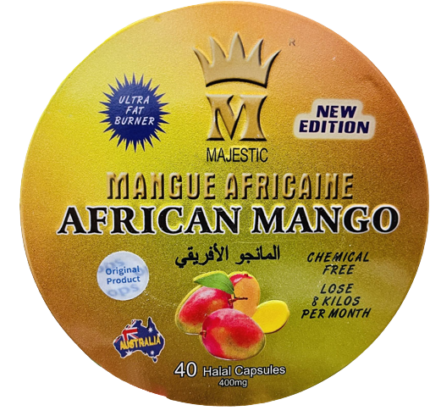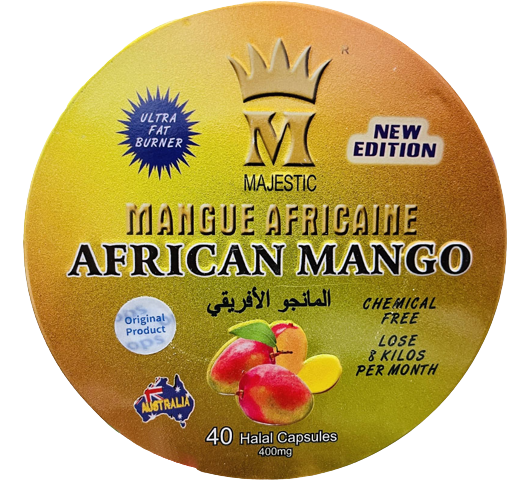
African Mango 400mg 40 Capsules – An Honest Weight-Loss Review (2026)
Original price was: EGP400.EGP100Current price is: EGP100.
African Mango (Irvingia gabonensis) is a supplement widely marketed for weight loss. In truth, the scientific evidence is very weak, and it is not a miracle solution. Here is an honest, evidence-based review.
Out of stock
Quick answer: African Mango (Irvingia gabonensis) is a seed extract heavily marketed as a weight-loss “miracle.” We want to be completely honest with you: the scientific evidence supporting meaningful weight loss is very weak, based on a few small, low-quality studies. It is not a shortcut to slimming, and real, lasting results come from proven habits rather than any capsule.
Key facts about African Mango
| Product | African Mango (Irvingia gabonensis) 400mg, 40 capsules |
| Source | Extract from African mango seeds |
| Marketed for | Weight loss and appetite control |
| Quality of evidence | Very weak / low-quality studies |
| Realistic effect | Unproven for meaningful weight loss |
| Type | Dietary supplement (not a medicine) |

What is African Mango?
African Mango is an extract from the seeds of Irvingia gabonensis, a fruit tree native to West and Central Africa. The seed extract has been sold worldwide as a weight-loss aid, with marketing claiming it suppresses appetite, blocks fat and boosts metabolism. It is these dramatic promises, rather than solid science, that have driven its popularity.
An honest look at the evidence
Here is the balanced truth you deserve. The claims for African Mango rest on a small number of studies that were short, involved few participants, and had methodological weaknesses. Independent reviewers, including the respected Cochrane collaboration, have concluded that the evidence is too poor to support its use for weight loss. In plain terms: there is no reliable proof that it works.
Why ‘miracle’ weight-loss claims should raise doubt
Whenever a product is marketed as a weight-loss miracle, that is a reason for caution, not excitement. There is no supplement that safely melts away fat. If such a product existed, it would be prescribed by doctors worldwide. Sustainable weight loss is a slower, less glamorous process — and being honest about that protects you from wasted money and disappointment.
What genuinely helps with weight loss
The evidence overwhelmingly supports the basics. Lasting weight loss comes from a sustained calorie deficit — eating somewhat less than your body burns — built on a balanced diet rich in vegetables, lean protein and whole foods. Add regular physical activity including resistance training, adequate sleep, stress management and consistency over months. These fundamentals, not a capsule, reshape your body.
The role of protein and fibre
If your goal is appetite control, real foods do it better than African Mango. Protein and fibre are the most filling parts of a meal: eggs, fish, legumes, vegetables, oats and fruit keep you satisfied for longer and naturally reduce overeating, supporting a calorie deficit without any supplement.
Possible side effects
Reported side effects of African Mango include headache, difficulty sleeping, gas and mild digestive upset. Because supplement quality and dosing vary and studies are limited, its safety profile is not well established, which is another reason to be cautious.
Precautions and when to avoid
Avoid it if you are pregnant or breastfeeding, and speak to a doctor first if you have any medical condition, take medication, or have diabetes, since appetite and blood-sugar effects are not well characterised. Never delay proper medical advice about weight in favour of an unproven supplement.
Does it interact with medicines?
Interaction data is limited because the extract is under-studied. It could theoretically affect blood sugar, so anyone on diabetes medication should be especially careful. Always tell your doctor or pharmacist about any supplement you are considering.
A realistic way to think about it
If you choose to try African Mango despite the weak evidence, view it as an optional extra at best, never as your weight-loss strategy. The capsule will not compensate for diet and activity, and expecting it to leads only to frustration. Honesty here saves you time, money and effort.
When to see a doctor
If you are struggling with your weight, a doctor or registered dietitian can offer safe, personalised and evidence-based help — from tailored nutrition plans to, where appropriate, medically supervised options. This support is far more effective than any over-the-counter weight-loss supplement.
Expert note
Dr. Abdallah Fouad — Clinical Nutrition Specialist, 25+ years of experience: “I’ll be completely honest about African Mango: the evidence that it causes real weight loss is very weak, and I would never present it as a solution. There is no miracle capsule for weight. What works is a modest calorie deficit, plenty of protein and vegetables, regular movement and sleep — unglamorous but genuinely effective. If you’re serious about your weight, invest your effort there, and see a dietitian for a plan built around you.”
Frequently asked questions
Does African Mango really help you lose weight?
The evidence is very weak, based on a few small, low-quality studies. Reliable reviews conclude it is not proven to cause meaningful weight loss.
Is African Mango a safe weight-loss shortcut?
There is no safe shortcut to weight loss. Its safety profile is not well established, and it should not replace proven diet and activity habits.
What actually works for weight loss?
A sustained calorie deficit, a balanced high-protein and high-fibre diet, regular activity, good sleep and consistency over months, ideally with a dietitian’s guidance.
Are there side effects to African Mango?
Reported effects include headache, sleep difficulty, gas and mild digestive upset. Quality and dosing vary, so caution is sensible.
Should I see a doctor about weight loss?
Yes. A doctor or dietitian offers safe, personalised, evidence-based help that is far more effective than any over-the-counter weight-loss supplement.
References
- National Center for Complementary and Integrative Health — Weight Loss and Dietary Supplements.
- Cochrane review — Irvingia gabonensis for weight loss.
- National Institutes of Health, Office of Dietary Supplements — Dietary supplements for weight loss.
Protecting yourself from marketing hype
The weight-loss supplement market thrives on hope, and products like African Mango are packaged with confident promises precisely because that is what sells. A useful habit is to ask a simple question of any such product: where is the strong, independent evidence? When the honest answer is that it barely exists, the sensible response is to redirect your energy and money toward the diet, movement and rest that genuinely deliver, rather than chasing the next heavily advertised capsule.
Bottom line
African Mango is marketed as a weight-loss miracle, but the evidence is very weak and it is not a proven or reliable solution. There is no capsule that melts fat. Genuine, lasting results come from a modest calorie deficit, a protein- and fibre-rich diet, regular activity, sleep and consistency — ideally with a dietitian’s support. Being honest about this is the surest path to real progress.
The information provided on this page is for educational and informational purposes only and is not a substitute for professional medical advice. Do not use any medication or dietary supplement without consulting your doctor or licensed pharmacist. Read the full medical disclaimer policy
✅ This content has been reviewed by Dr. Abdallah Fouad — Clinical Nutrition Specialist (25+ years of experience).