


Description
Quick answer: Natrol Memory Complex is a supplement marketed to support memory and brain function. The honest picture is that evidence for memory supplements is weak and no supplement is proven to prevent cognitive decline in healthy people. The things that truly protect your brain are lifestyle habits, not a tablet.
⚠️ Central safety rule: No supplement — including memory supplements — is proven to prevent dementia or reverse memory loss. If you or a family member has noticeable or worsening memory problems, see a doctor rather than relying on a supplement, as some causes are treatable and need proper assessment.
Key facts about Natrol Memory Complex
| Product | Natrol Memory Complex, 60 tablets |
| Type | Memory and brain-support supplement |
| Honest evidence | Weak and mixed for memory supplements overall |
| Suggested use | Follow the label — commonly taken daily with food |
| Best seen as | A minor addition to proven brain-healthy habits |
| Not a treatment for | Dementia or diagnosed memory disorders |
What is Natrol Memory Complex?
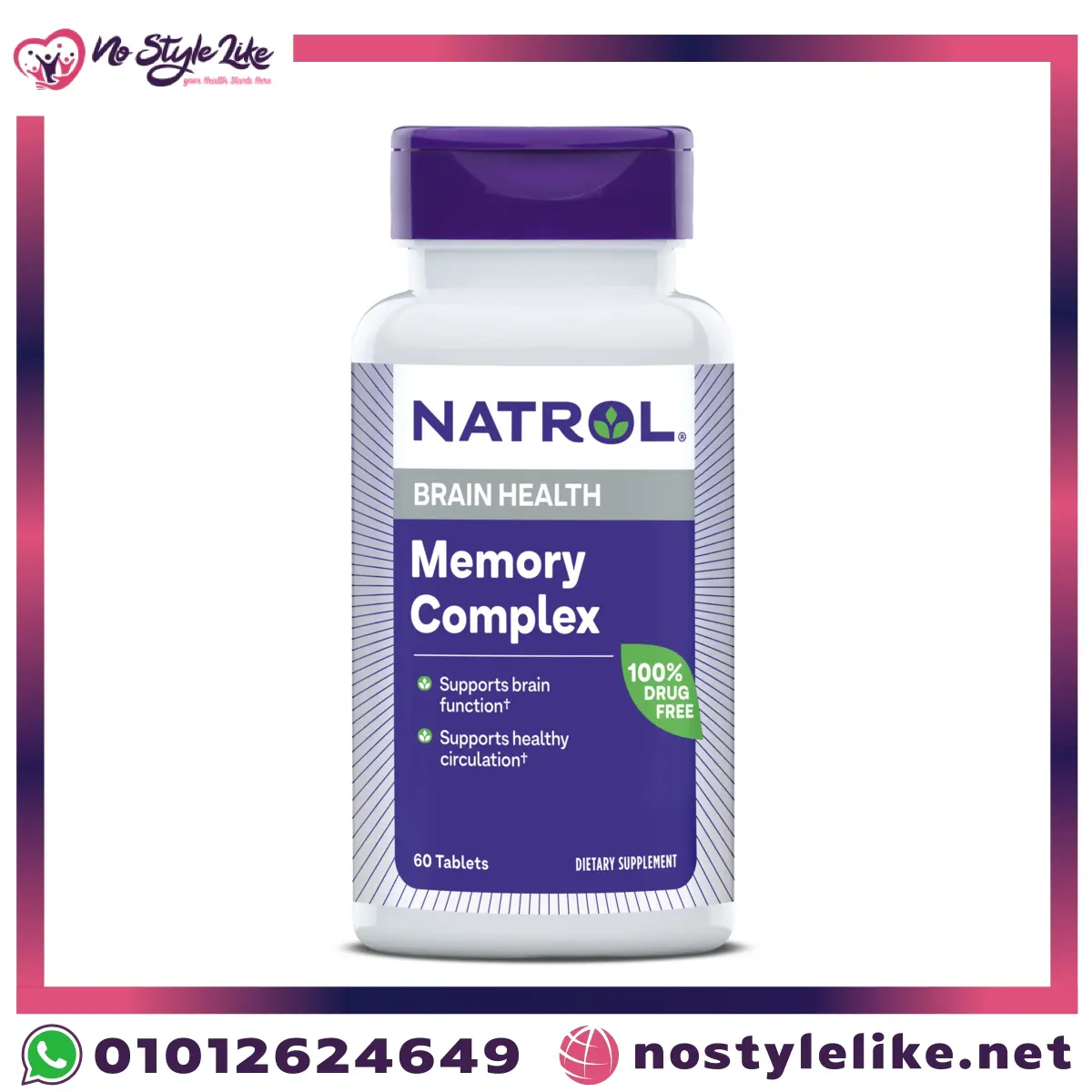
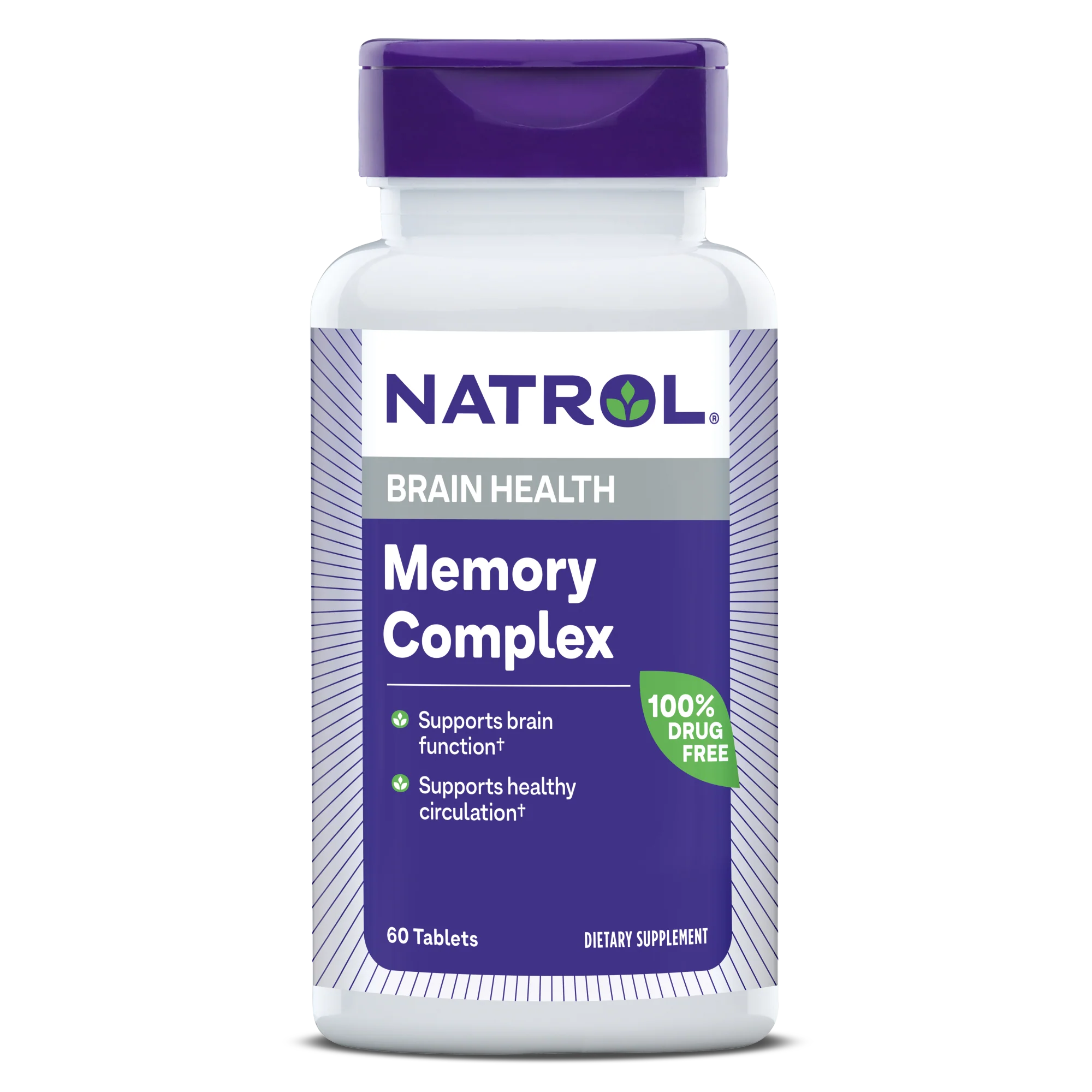
Natrol Memory Complex is a dietary supplement marketed to support memory and cognitive function, provided as 60 tablets. Products in this category typically combine ingredients such as herbal extracts and B vitamins that are associated in marketing with brain health. It is important from the outset to separate the marketing promise from the actual evidence, which is what this guide aims to do honestly.
What memory supplements claim
Memory and “brain” supplements are usually promoted with claims about sharper focus, better recall and protection against age-related memory decline. These are appealing messages, especially for older adults or busy people. However, appealing claims are not the same as proven benefits, and this is an area where honest scrutiny is particularly important because the marketing often runs well ahead of the science.
What the evidence actually shows
Here is the honest summary: for healthy people, no supplement has been reliably shown to prevent cognitive decline or meaningfully improve memory. According to the National Institute on Aging on cognitive health, the strongest protection for the brain comes from lifestyle factors, not supplements. Individual ingredients often used in memory formulas have weak, mixed or inconclusive evidence, and any effects seen tend to be small and inconsistent. It is fair to be sceptical of strong memory claims.
Correcting genuine deficiencies is different
There is an important exception worth being clear about. If poor memory or brain fog is caused by a genuine deficiency — for example low vitamin B12 — then correcting that specific deficiency can help, and blood tests can identify it. This is quite different from a healthy person taking a general memory supplement in the hope of a boost. Testing and treating a real cause is evidence-based; guessing with a supplement is not.
Who might consider it, and with what expectations
An adult curious to try a memory supplement should do so with realistic, modest expectations and no assumption of a guaranteed effect. It should never replace medical assessment of genuine memory problems, and it is not a substitute for the lifestyle habits that have real evidence behind them. If money is limited, those habits are a far better investment than a supplement.
How to take it
Follow the directions on the label, taking it with food as advised. Give any supplement a fair, time-limited trial rather than an open-ended commitment, and stop if you notice no benefit. There is no advantage in exceeding the recommended dose, and doing so does not improve any effect.
Safety and interactions
Some ingredients found in memory formulas, such as ginkgo, can have a mild blood-thinning effect and may interact with anticoagulant medication, so check the specific label. If you take regular medication, are pregnant or breastfeeding, or have a health condition, speak to a doctor or pharmacist before starting. Stop and seek advice if you experience any unexpected effects.
What actually protects your brain
This is where the real evidence lies. Regular physical activity, not smoking, managing blood pressure, blood sugar and cholesterol, staying socially and mentally engaged, protecting hearing, good sleep, and a Mediterranean-style diet rich in vegetables, fish and healthy fats are all linked with better long-term brain health. These habits do far more for your memory than any supplement, and they benefit the rest of your body too.
When to see a doctor
See a doctor if memory problems are new, worsening, or interfering with daily life, or if a family member notices changes you have not. Some causes — thyroid problems, vitamin deficiencies, depression, medication side effects and others — are treatable, and early assessment matters. A supplement should never delay getting genuine memory concerns properly checked.
Expert note
Dr. Abdallah Fouad — Clinical Nutrition Specialist, 25+ years of experience: I want to be straight with you about memory supplements: for a healthy person, there is no reliable evidence that any of them prevent decline or meaningfully sharpen memory, and Natrol Memory Complex is no exception. If you have real memory concerns, please see a doctor — causes like B12 deficiency or thyroid problems are treatable, and no tablet should delay that. If you want to protect your brain, put your effort and money into exercise, blood-pressure control, sleep, social engagement and a good diet. That is where the evidence actually is.
Frequently asked questions
Does Natrol Memory Complex improve memory?
For healthy people, no memory supplement has been reliably shown to improve memory or prevent cognitive decline. Evidence for the ingredients is weak and mixed, so keep expectations modest.
Can a supplement prevent dementia?
No supplement is proven to prevent dementia. The strongest protection for the brain comes from lifestyle factors such as exercise, not smoking, controlling blood pressure, good sleep and staying engaged.
When does a supplement actually help memory?
Mainly when memory problems stem from a genuine deficiency, such as low vitamin B12, which a blood test can identify. Correcting a real deficiency helps; a general supplement in a healthy person does not.
Are memory supplements safe?
Some ingredients, such as ginkgo, can thin the blood and interact with anticoagulants. Check the label and consult a doctor or pharmacist if you take medication, are pregnant, or have a health condition.
When should I see a doctor about memory?
See a doctor if memory problems are new, worsening or affecting daily life, or if others notice changes. Several causes are treatable, so do not let a supplement delay proper assessment.
References
- National Institute on Aging (NIH) — Cognitive health and older adults.
- Reviews finding weak or inconclusive evidence for memory/brain supplements in healthy adults.
- Guidance on treatable causes of memory problems, including B12 deficiency and thyroid disease.
Bottom line
Natrol Memory Complex is marketed for memory support, but the honest evidence for memory supplements is weak, and none is proven to prevent decline or sharpen memory in healthy people. Treat it as a minor extra at most, see a doctor for any genuine or worsening memory concerns since some causes are treatable, and invest your effort in the lifestyle habits that truly protect the brain.
Reviews
There are no reviews yet.