


Description
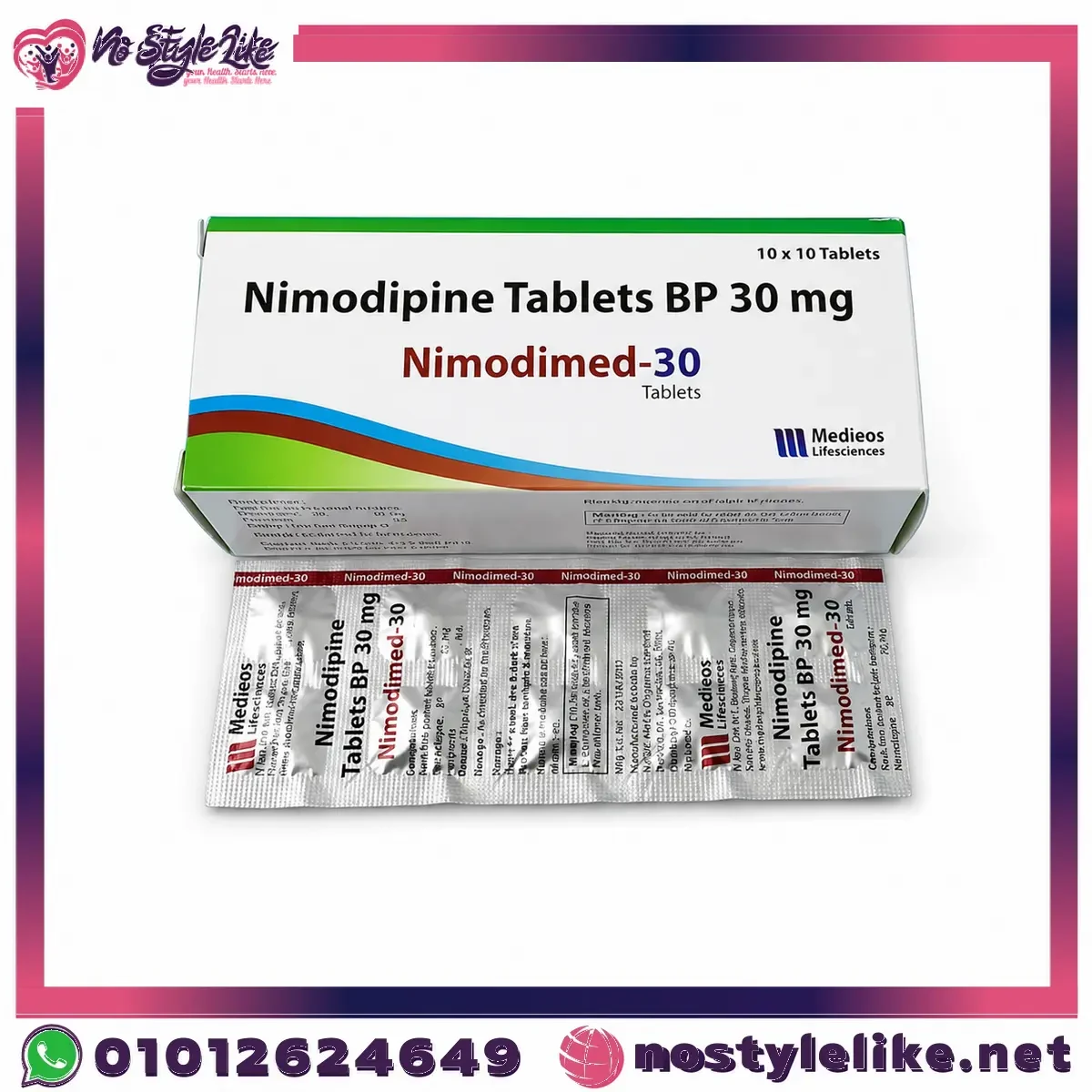
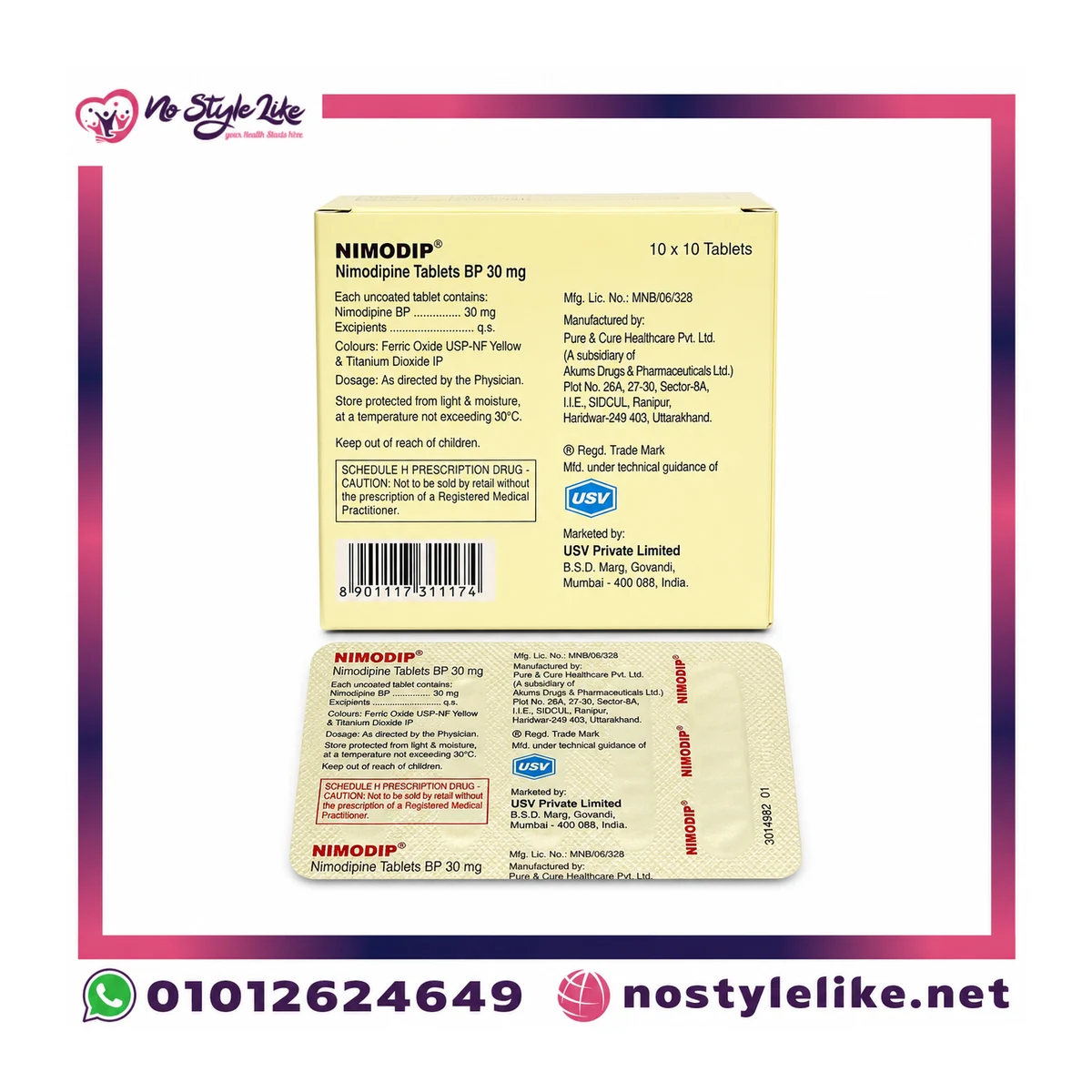
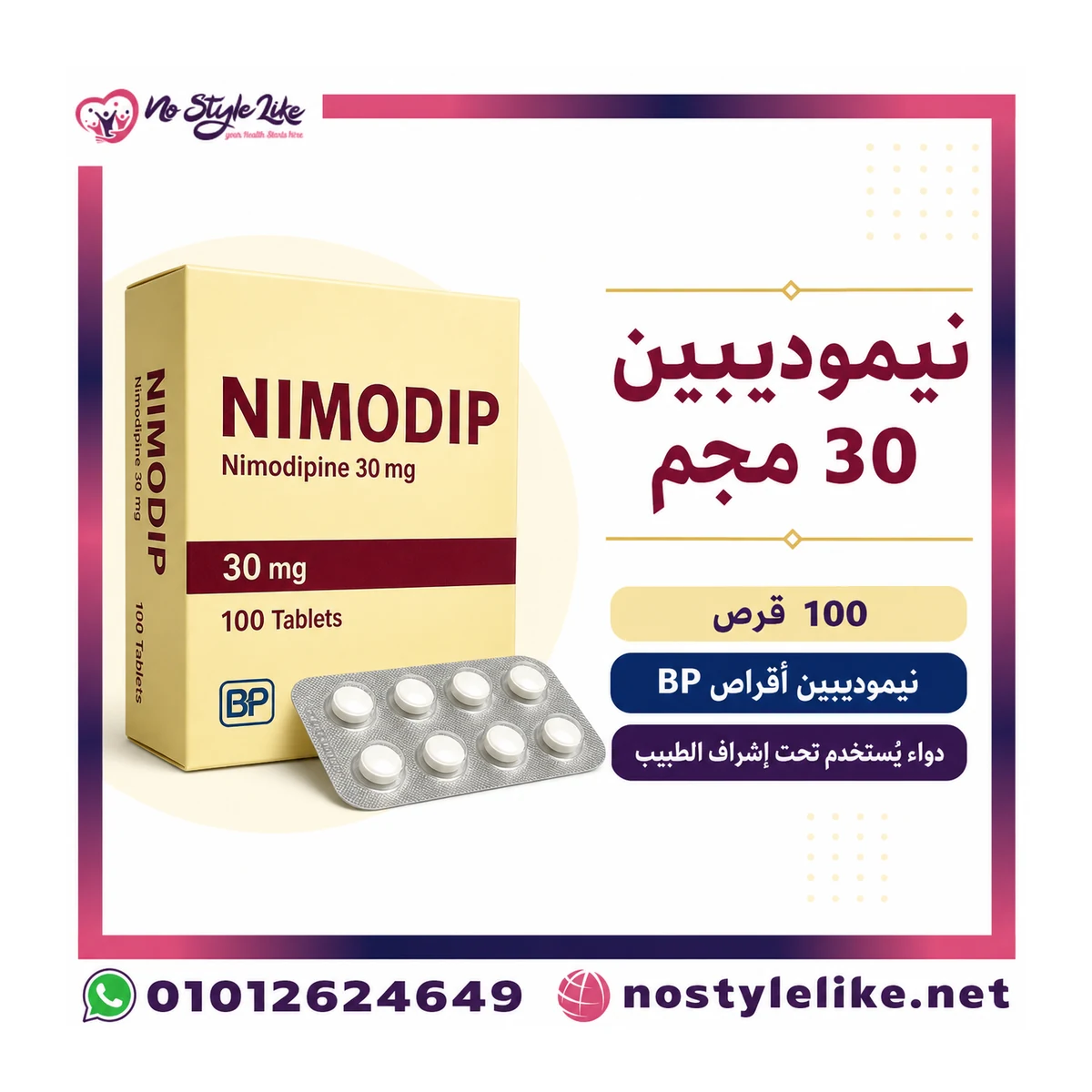
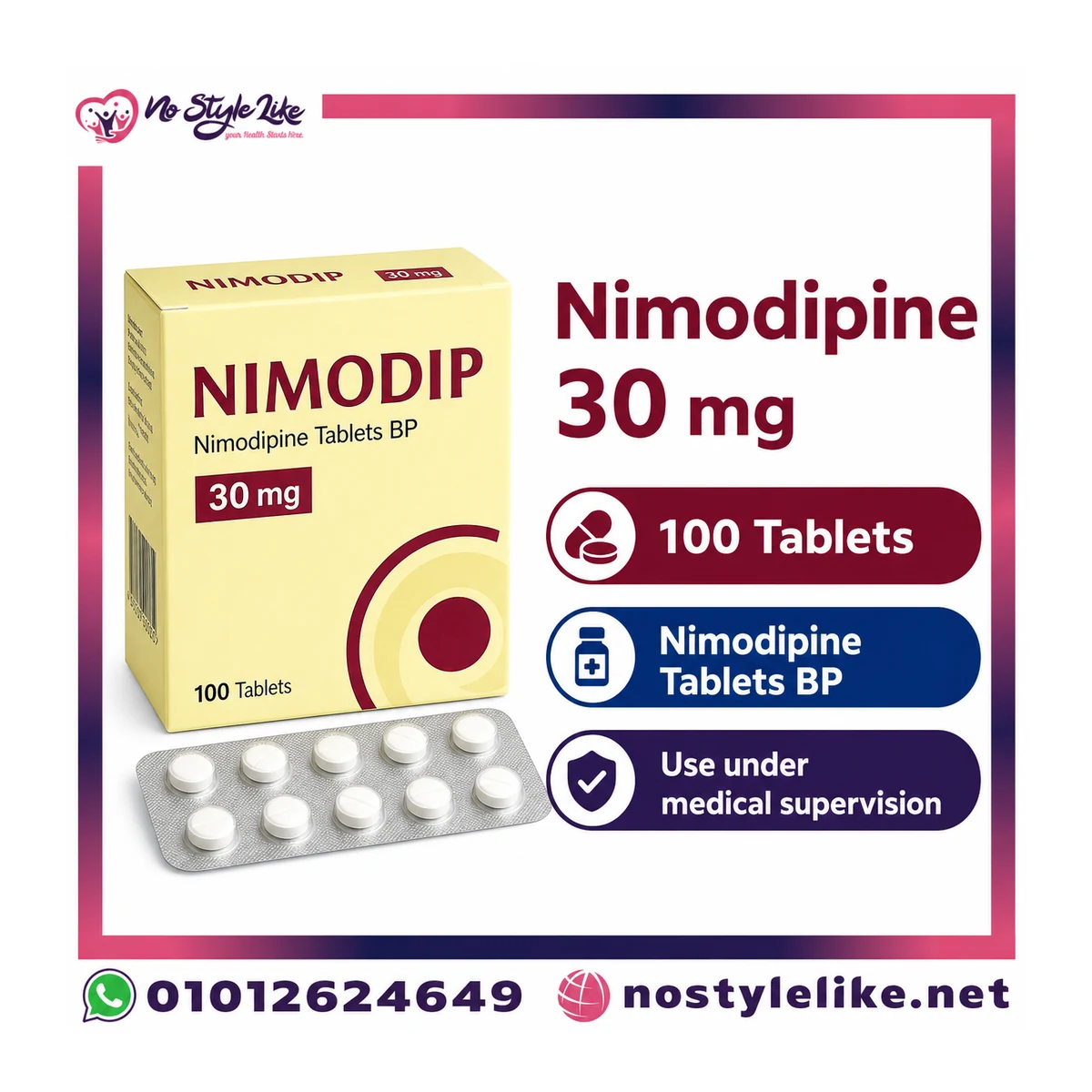
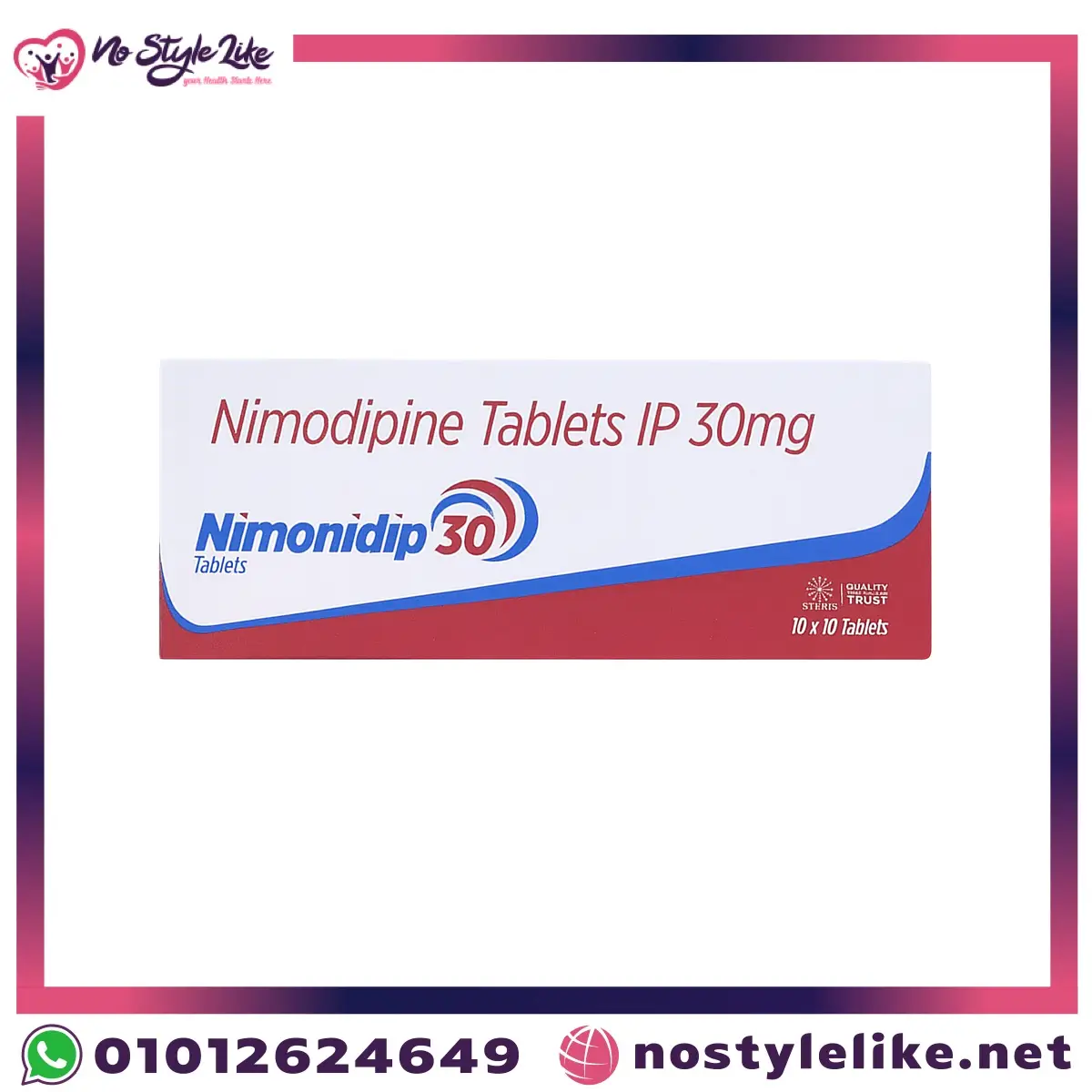
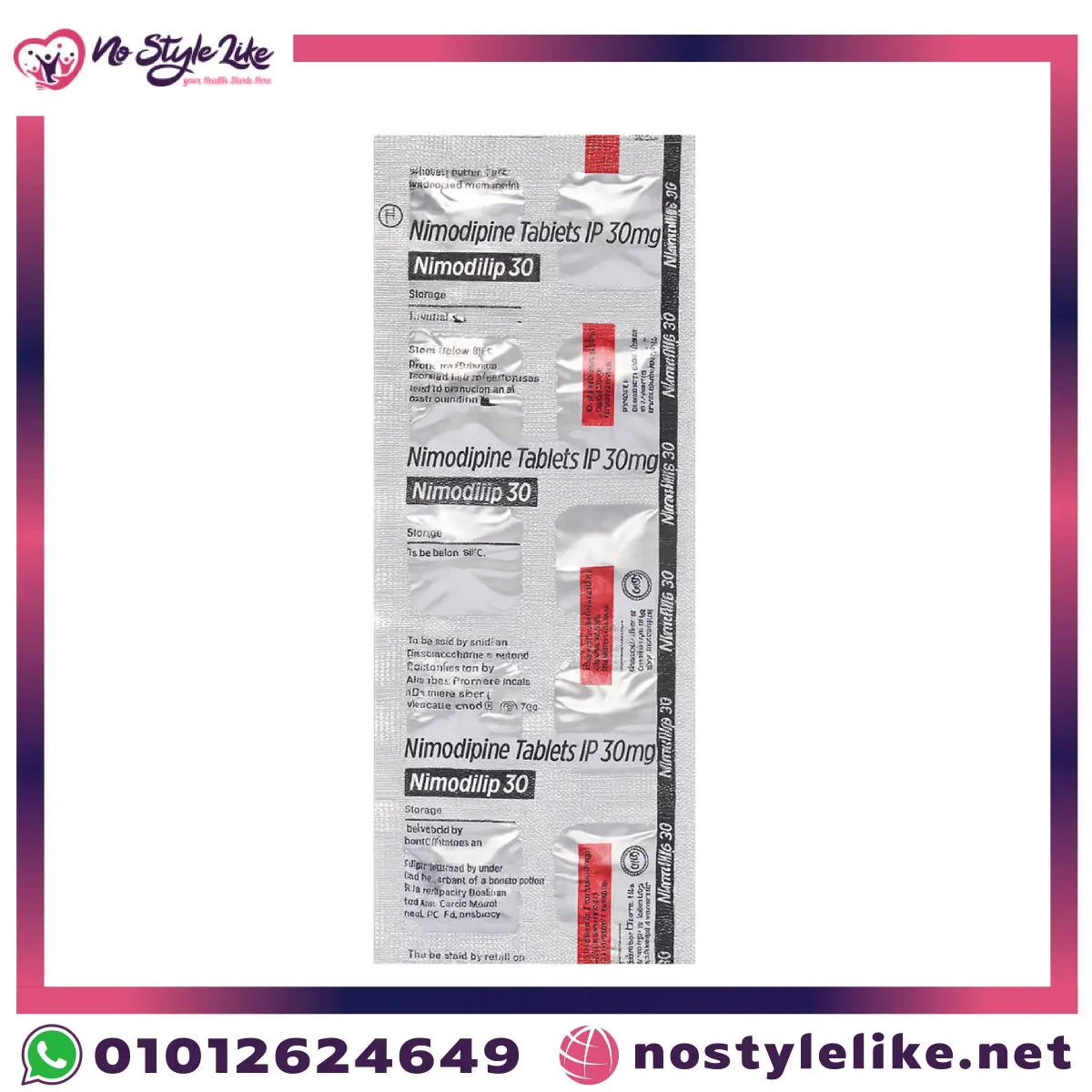
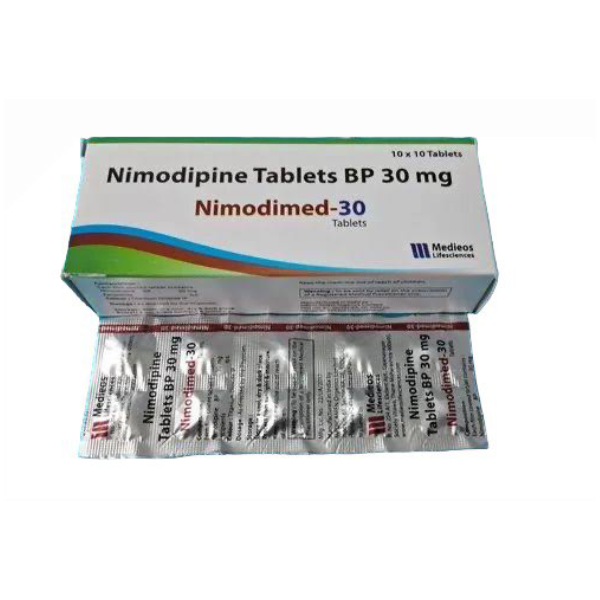
Nimodipine 30 mg tablets – product images and safety information
View the Nimodipine 30 mg tablets pack from different angles to confirm the package appearance and product details before ordering. Nimodipine is a prescription calcium-channel blocker used after aneurysmal subarachnoid haemorrhage to improve neurological outcomes by reducing ischaemic deficits. Use Nimodipine only under specialist supervision because blood-pressure monitoring and interaction checks are important. Official prescribing reference: https://dailymed.nlm.nih.gov/dailymed/drugInfo.cfm?setid=e65d5108-22a2-4d87-a78d-15606f3cc9e2
Browse related medications: https://nostylelike.net/en/product-category/medications/
What Is Nimodipine 30 mg?
Nimodipine 30 mg is an oral tablet containing nimodipine, a calcium channel blocker of the dihydropyridine class that acts selectively on blood vessels in the brain. This generic 30 mg tablet, supplied in packs of 100, is used mainly to prevent ischaemic neurological damage after a specific type of brain bleed — aneurysmal subarachnoid haemorrhage (aSAH).
Nimodipine is a prescription-only medicine. Unlike most calcium channel blockers, it is highly lipophilic and crosses into the brain, where it preferentially relaxes cerebral arteries. This helps reduce the risk and severity of the delayed brain injury that can follow a subarachnoid haemorrhage, improving neurological outcomes when started early and continued as directed.
Active Ingredient & Mechanism of Action
The active ingredient is nimodipine, an L-type, cerebroselective dihydropyridine calcium channel antagonist. It has relatively little effect on the heart’s conduction compared with its action on brain vessels.
Nimodipine blocks the movement of calcium into vascular smooth muscle cells, causing the smooth muscle of cerebral arteries to relax and widen. By preferentially dilating brain blood vessels, it helps maintain blood flow to areas at risk after a subarachnoid haemorrhage. Its neuroprotective benefit on outcomes is not fully explained by relief of visible artery narrowing (vasospasm) alone.
Approved Indications
The main approved use of nimodipine is the prevention of ischaemic neurological deficits following aneurysmal subarachnoid haemorrhage (aSAH) — bleeding around the brain from a ruptured aneurysm — across the full range of clinical severity. Some formulations are also used for treatment once deficits have developed. Nimodipine is not established for traumatic subarachnoid haemorrhage. Any use outside the approved indication is at the discretion of the specialist.
Dosage & Administration
For prevention after aSAH, the usual oral dose is 60 mg every 4 hours (360 mg per day) — given as two 30 mg tablets each time — for a total of 21 days. Treatment should begin within 4 days (96 hours) of the haemorrhage. If blood pressure falls too low, the dose may be reduced (for example 30 mg every 4 hours) or adjusted, and in severe liver impairment a reduced dose with close monitoring is used. Tablets are swallowed whole with water; the exact regimen is set by the treating team.
How to Take Nimodipine
Swallow the tablets whole with water, not with grapefruit juice, spacing the doses evenly (for example every 4 hours around the clock as prescribed). Do not stop suddenly without medical advice. In hospital, doses are given on a strict schedule to keep steady levels. If a patient cannot swallow, only formulations designed for that purpose should be used — the oral product must never be given by injection.
Missed Dose
If a dose is missed, it should be taken as soon as remembered unless it is nearly time for the next dose, in which case the missed dose is skipped — do not double up. Because the 4-hourly schedule matters for consistent protection, missed doses in hospital should be flagged to the care team. Maintaining regular timing over the full 21-day course is important for the treatment to work.
Overdose
Overdose may cause a marked fall in blood pressure, flushing, headache, and a fast or irregular heartbeat. There is no specific antidote; management is supportive, focused on stabilising blood pressure and heart rate. Seek emergency medical help immediately if an overdose is suspected, especially in a patient who is already unwell after a brain haemorrhage.
Storage Conditions
Store nimodipine tablets in their original packaging at room temperature, protected from light and moisture. Keep them out of the reach and sight of children. Do not use tablets after the expiry date or if the packaging is damaged. Dispose of any unused medicine responsibly according to local guidance rather than in household waste.
Contraindications
Nimodipine is contraindicated in patients with hypersensitivity to nimodipine or any excipient. Its use is contraindicated together with rifampicin and with the antiepileptic drugs phenobarbital, phenytoin, and carbamazepine, because these strongly reduce nimodipine levels and its effectiveness. The oral product must not be given intravenously. Caution or avoidance also applies in significant hypotension and, for some products, recent heart attack or unstable angina.
Warnings & Precautions
The main concern is low blood pressure (hypotension), which is common at the recommended dose and can reduce brain perfusion — blood pressure must be monitored and the dose adjusted if needed. Caution is required with cerebral oedema or severely raised intracranial pressure, in impaired liver function (higher drug levels; cirrhosis needs dose reduction), and when combined with other blood-pressure-lowering drugs. Grapefruit juice raises nimodipine levels and should be avoided.
Common & Serious Side Effects
Common side effects include low blood pressure, headache, flushing, nausea, and a fast heartbeat. Gastrointestinal effects such as nausea and, less commonly, ileus can occur. Serious effects requiring prompt attention include a large drop in blood pressure with dizziness or fainting, a very fast or irregular heartbeat, signs of a severe allergic reaction, and, rarely, liver problems. In the setting of aSAH, worsening neurological symptoms should always be assessed urgently.
Drug Interactions
Nimodipine levels are strongly reduced by enzyme-inducing drugs — rifampicin and the antiepileptics phenobarbital, phenytoin, and carbamazepine (all contraindicated). Levels are increased by CYP3A4 inhibitors such as macrolide antibiotics, azole antifungals, and some HIV medicines, raising the risk of low blood pressure. Other blood-pressure-lowering medicines add to its hypotensive effect, and grapefruit juice increases exposure. Tell your doctor about all medicines you take.
Required Tests & Monitoring
The key monitoring is blood pressure and heart rate, checked regularly because hypotension is common and can compromise brain blood flow. Neurological status is monitored closely in patients being treated after subarachnoid haemorrhage. Liver function should be considered, with dose reduction in significant impairment. In hospital, careful attention is paid to fluid balance and overall haemodynamic status throughout the 21-day course.
Diet & Lifestyle Support
Avoid grapefruit and grapefruit juice, which raise nimodipine levels and the risk of low blood pressure. In the recovery period after a subarachnoid haemorrhage, follow the care team’s advice on activity, blood pressure control, and stopping smoking, as these support brain and vascular health. Take tablets exactly as scheduled and report dizziness or faintness, which may indicate that blood pressure is too low.
Expected Timeline for Improvement
Nimodipine is used preventively over a fixed 21-day course after subarachnoid haemorrhage; its benefit is measured by a lower risk of delayed ischaemic brain injury and better neurological outcomes, not by an immediate change the patient feels. Because the risk of delayed injury is highest in the first weeks after the bleed, completing the full course started within the first days is important for the protective effect.
Effect on Other Medications & Conditions
Nimodipine interacts strongly with enzyme-inducing and enzyme-inhibiting drugs (see interactions) and adds to the effect of other antihypertensives. Conditions such as low blood pressure, liver impairment, raised intracranial pressure, and heart disease influence how it is used and monitored. All coexisting conditions and concurrent medicines — particularly antiepileptics, rifampicin, and CYP3A4 inhibitors — should be reviewed by the prescriber before and during treatment.
When to See a Doctor
In the hospital setting, the care team monitors for problems, but patients and families should report severe dizziness, fainting, a very fast or irregular heartbeat, or any new or worsening neurological symptoms such as increasing headache, weakness, numbness, confusion, or reduced consciousness. Seek urgent help for signs of a severe allergic reaction such as swelling of the face or throat and difficulty breathing.
Use in Special Populations
Nimodipine is used in adults after subarachnoid haemorrhage; safety in children is not established. In liver impairment, particularly cirrhosis, drug levels rise and the dose should be reduced with close blood-pressure monitoring. No specific dose change is generally needed for kidney impairment or dialysis. In pregnancy and breastfeeding it should be used only if clearly necessary, and older patients should be monitored for low blood pressure.
Who Should Avoid Nimodipine?
Nimodipine should be avoided by anyone hypersensitive to it, and it must not be combined with rifampicin or with phenobarbital, phenytoin, or carbamazepine. Particular caution — or avoidance — applies in significant low blood pressure, severe liver disease, raised intracranial pressure or cerebral oedema, and, for some products, recent heart attack or unstable angina. The oral tablet must never be injected.
Frequently Asked Questions
What is nimodipine used for? Nimodipine is used mainly to prevent ischaemic brain damage after an aneurysmal subarachnoid haemorrhage, by relaxing brain blood vessels.
How is it dosed? Typically 60 mg (two 30 mg tablets) every 4 hours for 21 days, started within 4 days of the haemorrhage; the dose may be reduced if blood pressure falls.
Why must some epilepsy drugs be avoided? Rifampicin and phenobarbital, phenytoin, or carbamazepine strongly lower nimodipine levels, so combining them is contraindicated.
Why avoid grapefruit juice? Grapefruit juice raises nimodipine levels and increases the risk of low blood pressure.
Can the tablet be injected? No. The oral tablet must never be given intravenously; only formulations designed for injection may be used that way.
Medical Review & Author Note
This page was medically reviewed by Dr. Abdallah Fouad, Clinical Nutrition Specialist with over 25 years of experience. The content is provided for educational purposes to help patients and caregivers understand how nimodipine is used, its benefits, and its risks. It does not replace the personalized advice of your treating physician or pharmacist.
Medical Disclaimer
Nimodipine is a prescription-only medicine that must be prescribed and monitored by a qualified physician, usually in a hospital setting. This content is for general information only and is not a substitute for professional medical advice, diagnosis, or treatment. Always consult your doctor or pharmacist before starting, changing, or stopping any medication.
Nimodipine 30 mg tablets product images
View the Nimodipine 30 mg tablets pack from different angles and review the product details before ordering.

Nimodipine safety and prescribing reference
Nimodipine is a prescription calcium-channel blocker used after aneurysmal subarachnoid haemorrhage to improve neurological outcomes by reducing ischaemic deficits. Use only under specialist supervision. Read the official Nimodipine prescribing information and browse our medications collection.
Reviews
There are no reviews yet.