


Description
What Is Methycobal Injection?
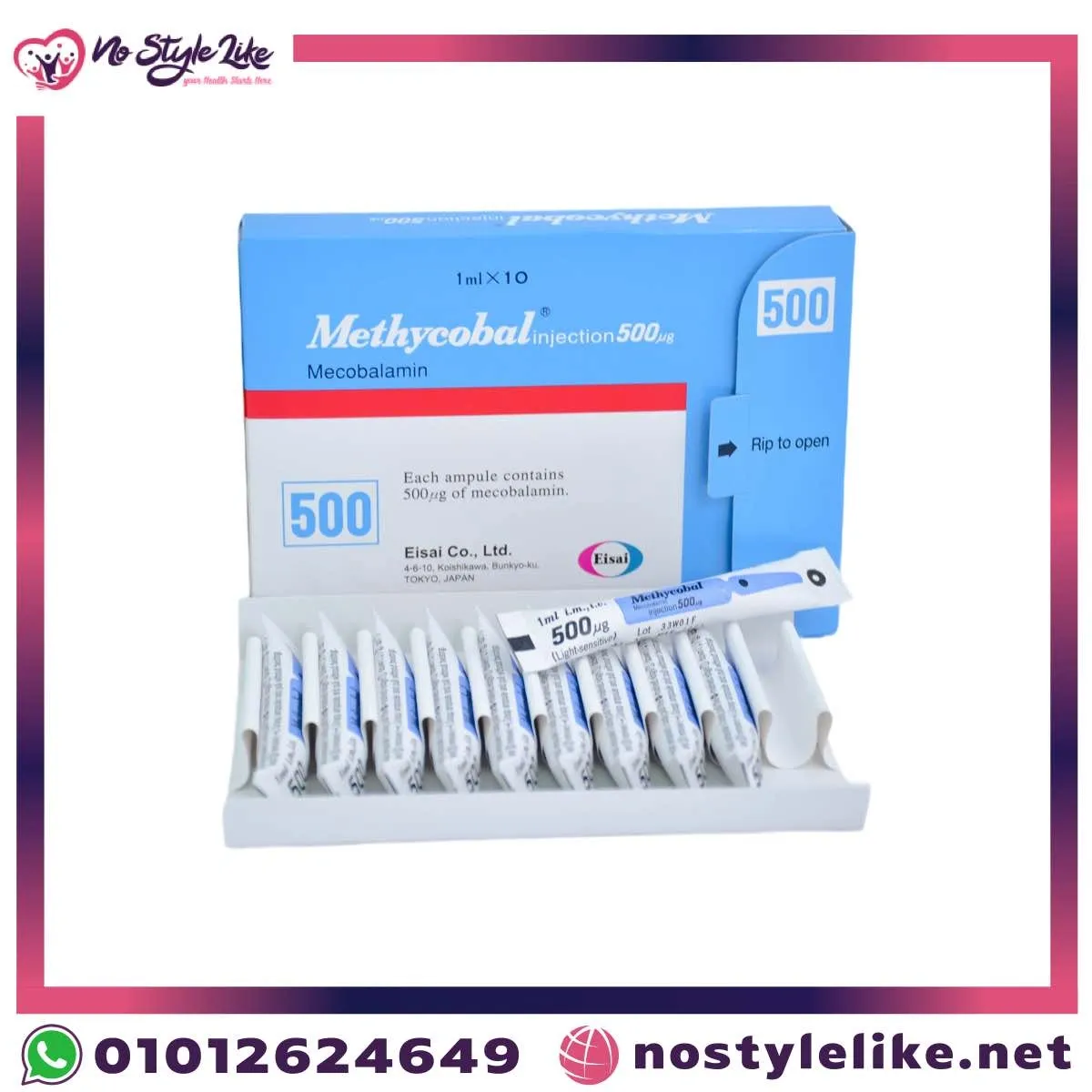
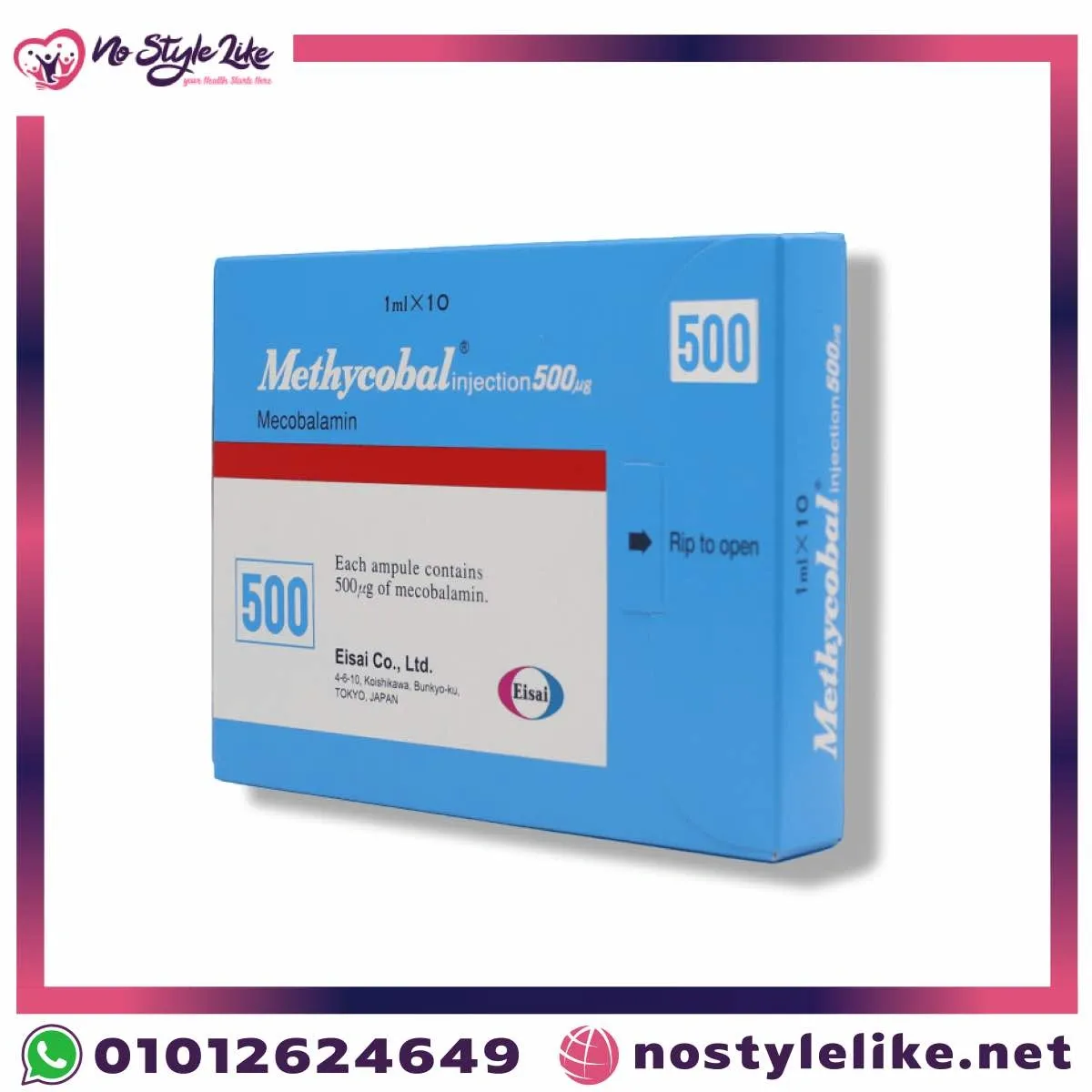
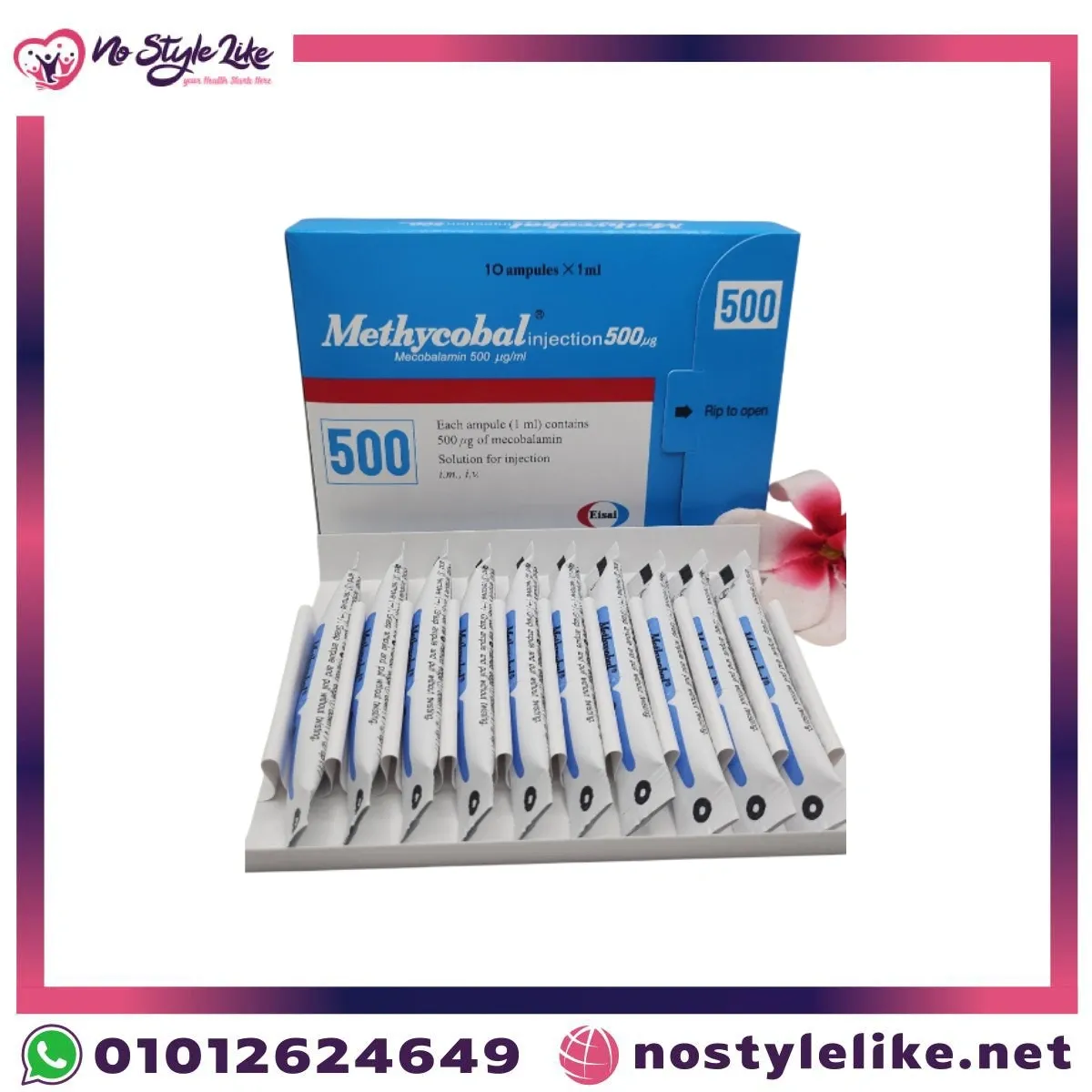
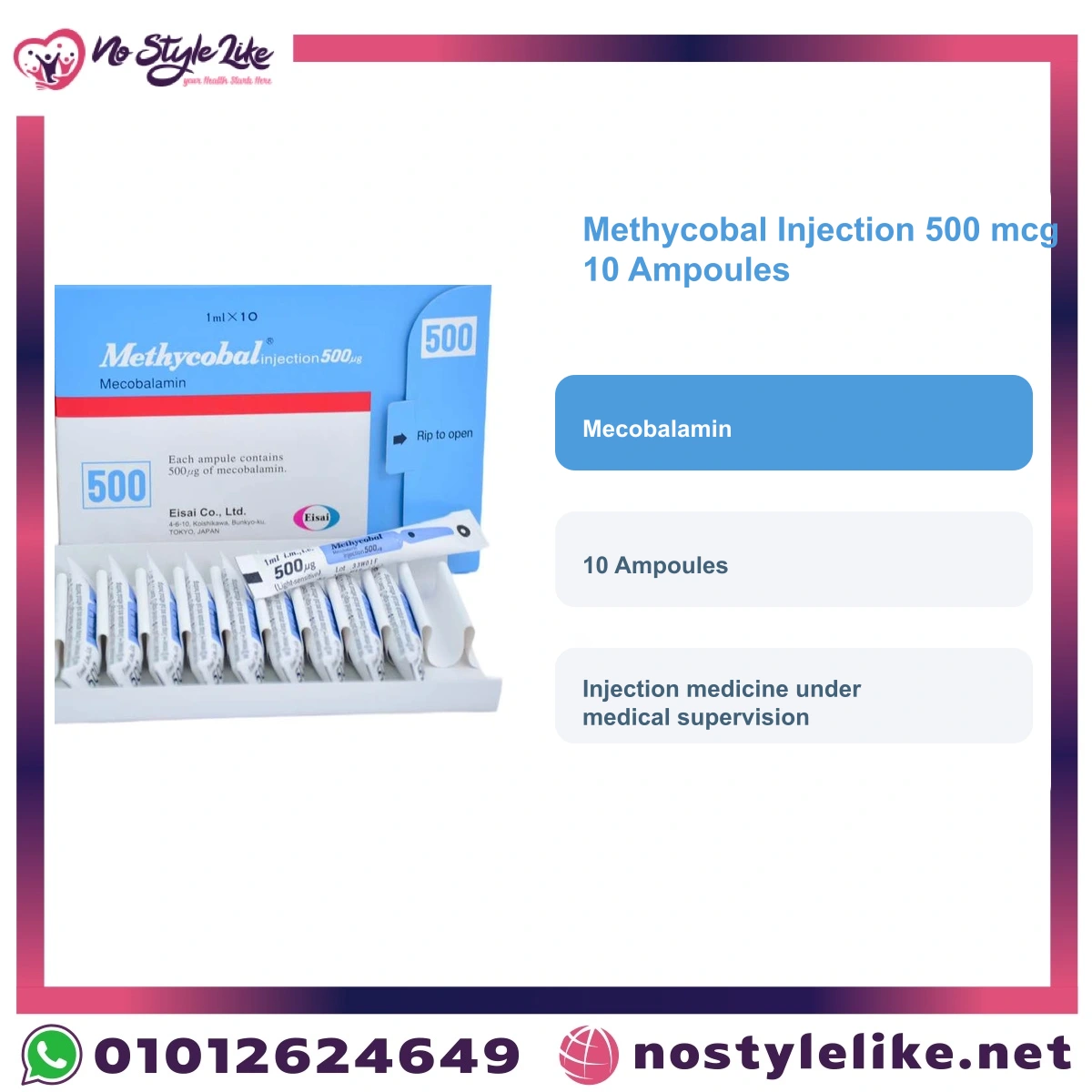
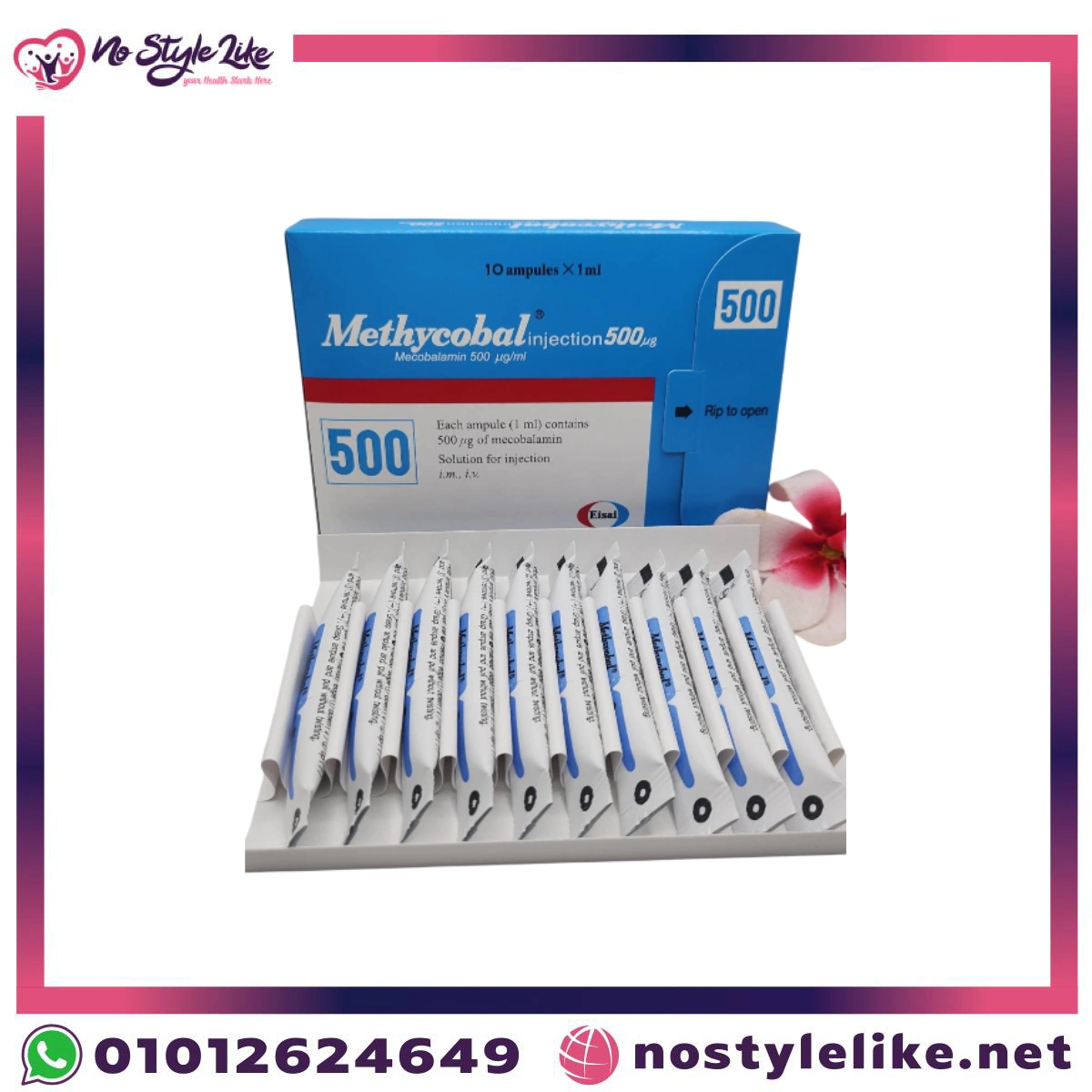
Methycobal Injection is a sterile solution for injection containing mecobalamin (methylcobalamin) 500 micrograms per ampoule, supplied in packs of 10 ampoules. Made by Eisai, mecobalamin is a naturally occurring, active coenzyme form of vitamin B12. The injection is used to treat nerve and blood problems caused by vitamin B12 deficiency, and is given by a healthcare professional into a muscle or vein.
Methycobal is a prescription medicine. Unlike ordinary vitamin B12 (cyanocobalamin), mecobalamin is the form the body can use directly and transport well into nerve tissue, which is why it is used particularly for peripheral neuropathy — nerve damage causing tingling, numbness, or pain in the hands and feet — as well as for megaloblastic anaemia due to B12 deficiency.
Active Ingredient & Mechanism of Action
The active ingredient is mecobalamin (methylcobalamin), one of the two active coenzyme forms of vitamin B12. It differs from cyanocobalamin in having a methyl group in place of the cyano group.
Mecobalamin acts as a cofactor for the enzyme methionine synthase, transferring methyl groups to regenerate methionine from homocysteine. This is essential for myelin integrity, nerve cell function, DNA synthesis, and red blood cell formation. Mecobalamin promotes the synthesis of nerve lipids, supports regeneration of damaged nerve axons, and aids axonal transport, which underlies its use in peripheral neuropathy.
Approved Indications
Methycobal is indicated for the treatment of peripheral neuropathies — nerve damage causing symptoms such as numbness, tingling, burning, or pain, including diabetic peripheral neuropathy — and for megaloblastic anaemia caused by vitamin B12 deficiency. The injection form is used particularly where rapid or reliable delivery is needed or where oral absorption is impaired. Tablet and granule forms are also available for peripheral neuropathy.
Dosage & Administration
For peripheral neuropathy, the usual dose is one ampoule (500 micrograms) given by intramuscular or intravenous injection three times a week, adjusted for the patient’s age and symptoms. For megaloblastic anaemia, one 500 microgram ampoule is given three times a week, and after about two months the dose is usually reduced to one ampoule every 1 to 3 months for maintenance. The oral form (typically 500 micrograms three times daily) may be used for neuropathy. The doctor sets the exact regimen.
How Methycobal Injection Is Given
Methycobal Injection is administered by a doctor or nurse as an intramuscular (into a muscle) or intravenous (into a vein) injection; it is not usually self-administered. The ampoule should be protected from light and used promptly once opened. Because light can degrade the vitamin, the solution is handled carefully and any unused portion discarded. Injection sites are rotated when repeated intramuscular doses are given.
Missed Dose
Because the injection is given on a set schedule by a healthcare professional, a missed dose should be arranged as soon as convenient by contacting your clinic. If you are taking the oral form and miss a dose, take it when you remember unless it is nearly time for the next one — do not double up. Keeping to the schedule helps maintain the benefit for nerve recovery.
Overdose
Vitamin B12, including mecobalamin, has a wide safety margin, and excess is generally excreted rather than stored to harmful levels, so overdose is unlikely to cause serious harm. If a much larger dose than prescribed is given, monitoring and supportive care are sufficient. Seek medical advice if an overdose is suspected, especially in someone with kidney problems.
Storage Conditions
Store Methycobal ampoules in their original carton to protect them from light, at the temperature stated on the pack, away from heat and moisture. Keep them out of the reach and sight of children. Do not use an ampoule that is discoloured or contains particles, and do not use after the expiry date. Dispose of used ampoules and any unused solution according to local requirements for medical waste.
Contraindications
Methycobal is contraindicated in patients with a known hypersensitivity (allergy) to mecobalamin or other vitamin B12–containing medicines or any excipient. It is generally not recommended in Leber’s disease (a hereditary optic nerve disorder), where B12 therapy may worsen the condition. The prescriber should confirm suitability, particularly in these situations, before treatment.
Warnings & Precautions
People whose work involves handling mercury or its compounds should use mecobalamin with caution. It should be used carefully in those with kidney or liver impairment. Vitamin B12 can mask the signs of folate deficiency and may partially correct the blood picture while nerve damage progresses, so the underlying cause of a deficiency should be identified. If no benefit is seen after an adequate course for neuropathy or anaemia, continued use should be reviewed.
Common & Serious Side Effects
Methycobal is generally well tolerated. Occasional side effects include mild nausea, loss of appetite, diarrhoea, or injection-site reactions such as pain or hardening. Rarely, hypersensitivity reactions such as rash can occur. Serious allergic reactions are very rare but require urgent attention — seek immediate help for swelling of the face or throat, difficulty breathing, or a widespread rash after an injection.
Drug Interactions
Mecobalamin has few significant drug interactions. However, several medicines and substances can reduce the absorption or levels of vitamin B12, including metformin, proton pump inhibitors, colchicine, chloramphenicol, aminosalicylic acid, neomycin, and heavy alcohol use. These are more relevant to oral therapy and long-term B12 status. Tell your doctor about all medicines you take so your B12 needs can be assessed.
Required Tests & Monitoring
Treatment is guided by vitamin B12 levels, a full blood count, and clinical response. In megaloblastic anaemia, the blood picture (haemoglobin, red cell size) is monitored as it improves, and potassium may be checked early in treatment of severe anaemia. In neuropathy, symptom improvement is followed. The underlying cause of B12 deficiency — such as diet, absorption problems, or medicines — should be investigated and addressed.
Diet & Lifestyle Support
A diet containing vitamin B12 sources — meat, fish, eggs, and dairy — supports treatment, and fortified foods or supplements may help those on plant-based diets. Limiting heavy alcohol, which impairs B12 absorption, is helpful. For diabetic neuropathy, good blood-sugar control is important alongside B12 therapy. Addressing the cause of any deficiency, such as absorption problems, gives the best long-term result.
Expected Timeline for Improvement
In anaemia, blood counts typically begin to improve within days to a couple of weeks. In peripheral neuropathy, nerve symptoms usually improve gradually over weeks to a few months, as nerves regenerate, and some improvement continues with maintenance. If neurological symptoms persist or worsen on oral therapy, switching to injection may be advised. Your doctor assesses response and decides on maintenance dosing.
Effect on Other Medications & Conditions
Mecobalamin does not usually interfere with other medicines, but drugs that lower B12 absorption (metformin, PPIs, and others) can affect long-term status. Conditions such as kidney impairment, Leber’s disease, and folate deficiency influence how it is used and monitored. Because correcting B12 can unmask or interact with folate status, both vitamins are considered together. All conditions and medicines should be reviewed by the prescriber.
When to See a Doctor
Seek urgent medical help for signs of a severe allergic reaction after an injection — swelling of the face, lips, or throat, difficulty breathing, or a widespread rash. Contact your doctor if your nerve symptoms or anaemia do not improve, if they worsen, or if new symptoms appear. Persistent numbness, weakness, or balance problems should always be assessed, as ongoing nerve damage needs proper evaluation.
Use in Special Populations
In pregnancy and breastfeeding, mecobalamin should be used only if clearly needed and as advised by a doctor. It should be used with caution in children and in the elderly, and in those with kidney or liver impairment. People who handle mercury occupationally need caution. It is contraindicated in known B12 hypersensitivity and generally avoided in Leber’s disease. Dosing is adjusted to age and the severity of symptoms.
Who Should Avoid Methycobal?
Methycobal should be avoided by anyone allergic to mecobalamin or other vitamin B12 preparations, and is generally not used in Leber’s disease. Caution or medical guidance is needed in pregnancy and breastfeeding, in children, and in people who handle mercury. It is a treatment for B12-related nerve and blood disorders, not a general tonic, and should be used for its intended medical indications under a doctor’s advice.
Frequently Asked Questions
What is Methycobal used for? Methycobal (mecobalamin) treats peripheral neuropathies and megaloblastic anaemia caused by vitamin B12 deficiency, supporting nerve repair and red blood cell formation.
How is the injection given? One 500 microgram ampoule is usually given into a muscle or vein three times a week by a healthcare professional, adjusted to the condition.
How is it different from ordinary B12? Mecobalamin is the active form of B12 that the body uses directly and delivers well to nerves, unlike cyanocobalamin which must be converted.
Is it safe long term? Vitamin B12 has a wide safety margin and excess is usually excreted, but it should still be used under medical guidance for the right indication.
How soon will nerve symptoms improve? Nerve symptoms usually improve gradually over weeks to a few months as nerves regenerate.
Medical Review & Author Note
This page was medically reviewed by Dr. Abdallah Fouad, Clinical Nutrition Specialist with over 25 years of experience. The content is provided for educational purposes to help patients and caregivers understand how Methycobal (mecobalamin) is used, its benefits, and its risks. It does not replace the personalized advice of your treating physician or pharmacist.
Medical Disclaimer
Methycobal is a medicine that should be prescribed and administered under the supervision of a qualified physician. This content is for general information only and is not a substitute for professional medical advice, diagnosis, or treatment. Always consult your doctor or pharmacist before starting, changing, or stopping any medication.
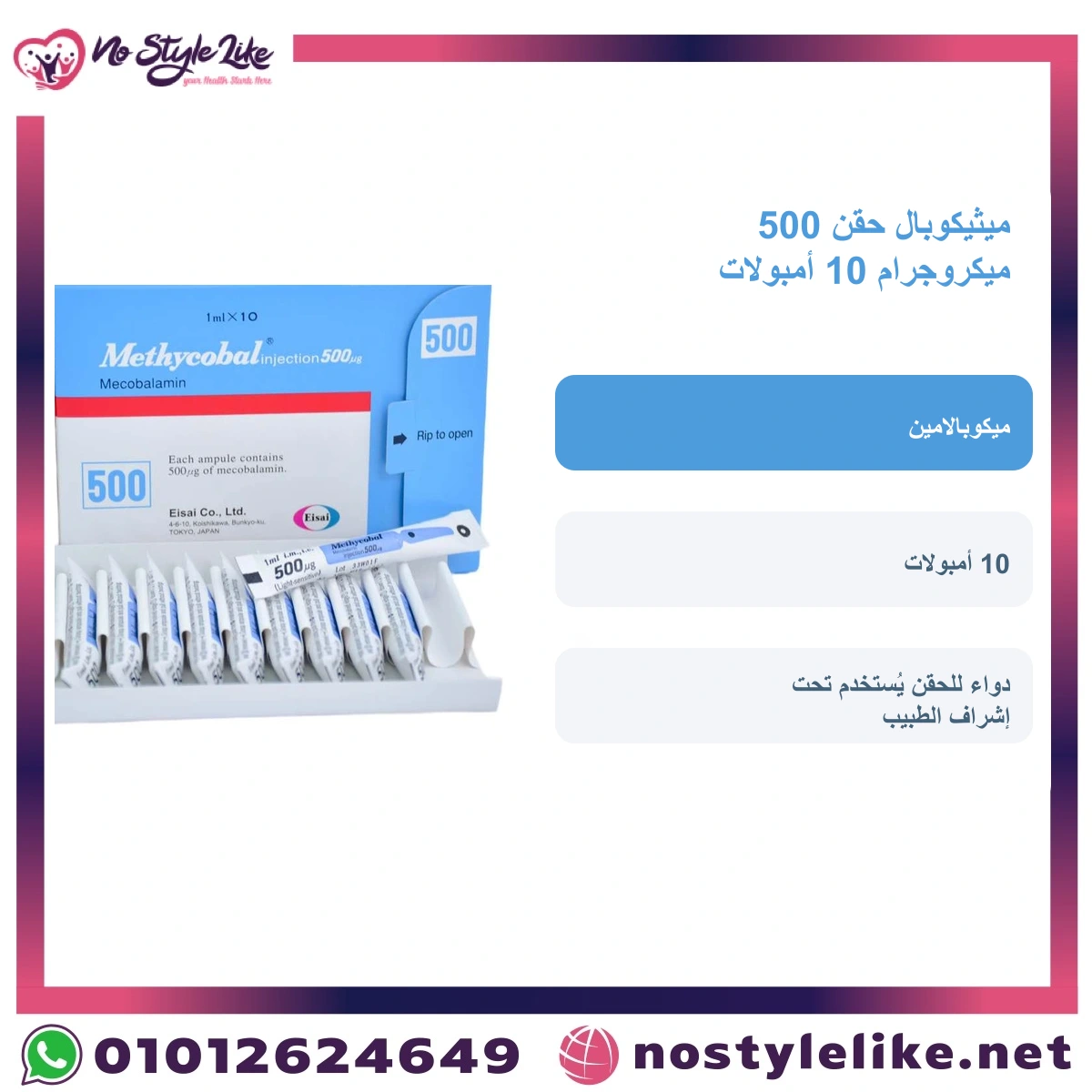
Methycobal Injection Product Images


Official Vitamin B12 Information and Related Products
Read the NIH Vitamin B12 fact sheet for health professionals, and explore more healthcare products at No Style Like.
Reviews
There are no reviews yet.