


Mouth Ulcers: 6 Causes and Effective Treatments
Mouth Ulcers: Causes and Effective Treatments
Mouth ulcers are one of the most common reasons people look for fast relief, because they are small yet painful enough to interfere with eating and speaking. Most are aphthous ulcers: white or yellow craters with a red border that appear inside the cheek, on the tongue or at the base of the gums. They usually heal on their own within one to two weeks, but that window feels long, which is why shortening it matters.
What exactly is an aphthous ulcer?
An aphthous ulcer is a shallow erosion of the mucous membrane lining the mouth. It often starts as a tingling or burning sensation a day before it appears, then becomes a small crater covered by a white film. It is not contagious and does not spread through kissing or sharing cups, which separates it from herpes sores that typically appear on the outer lip.
Six common causes of mouth ulcers
The causes are varied and rarely singular. The most frequent are mechanical injury from a bite, a hard toothbrush or an ill-fitting denture; psychological stress and poor sleep; deficiency of iron, vitamin B12 or folate; hormonal changes; sensitivity to acidic or spicy foods or to sodium lauryl sulfate in some toothpastes; and finally systemic conditions such as Crohn disease or coeliac disease in recurrent cases.
When are they minor and when are they concerning?
A minor ulcer is under one centimetre and heals within two weeks without scarring. A large, deep ulcer lasting beyond two weeks, or one recurring more than three times a year, or accompanied by fever and swollen glands, deserves medical assessment. Frequent mouth ulcers can signal a nutritional deficiency or an immune condition that needs testing.
Effective treatment options for mouth ulcers
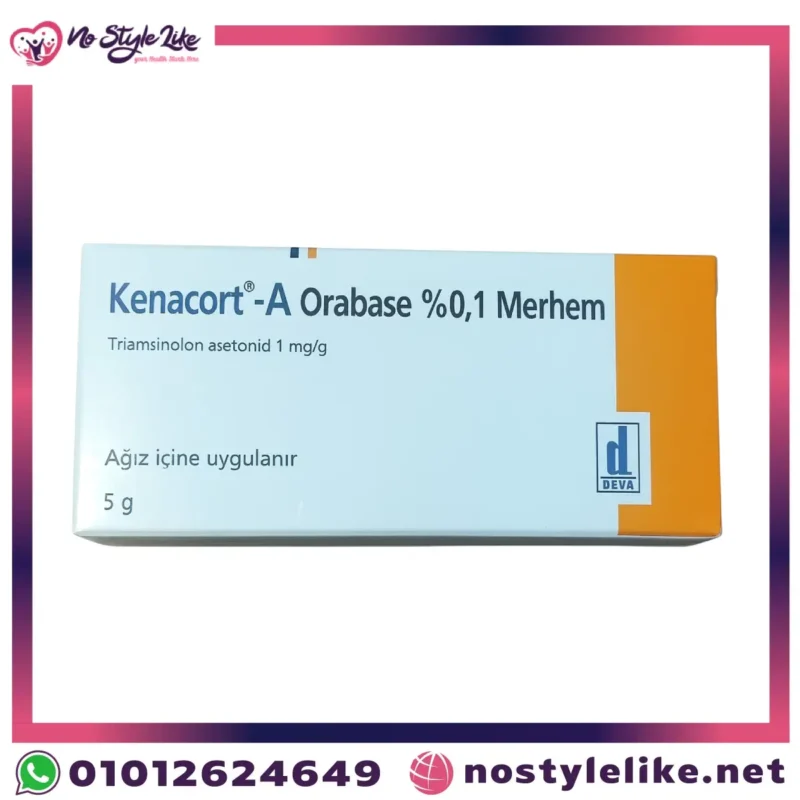
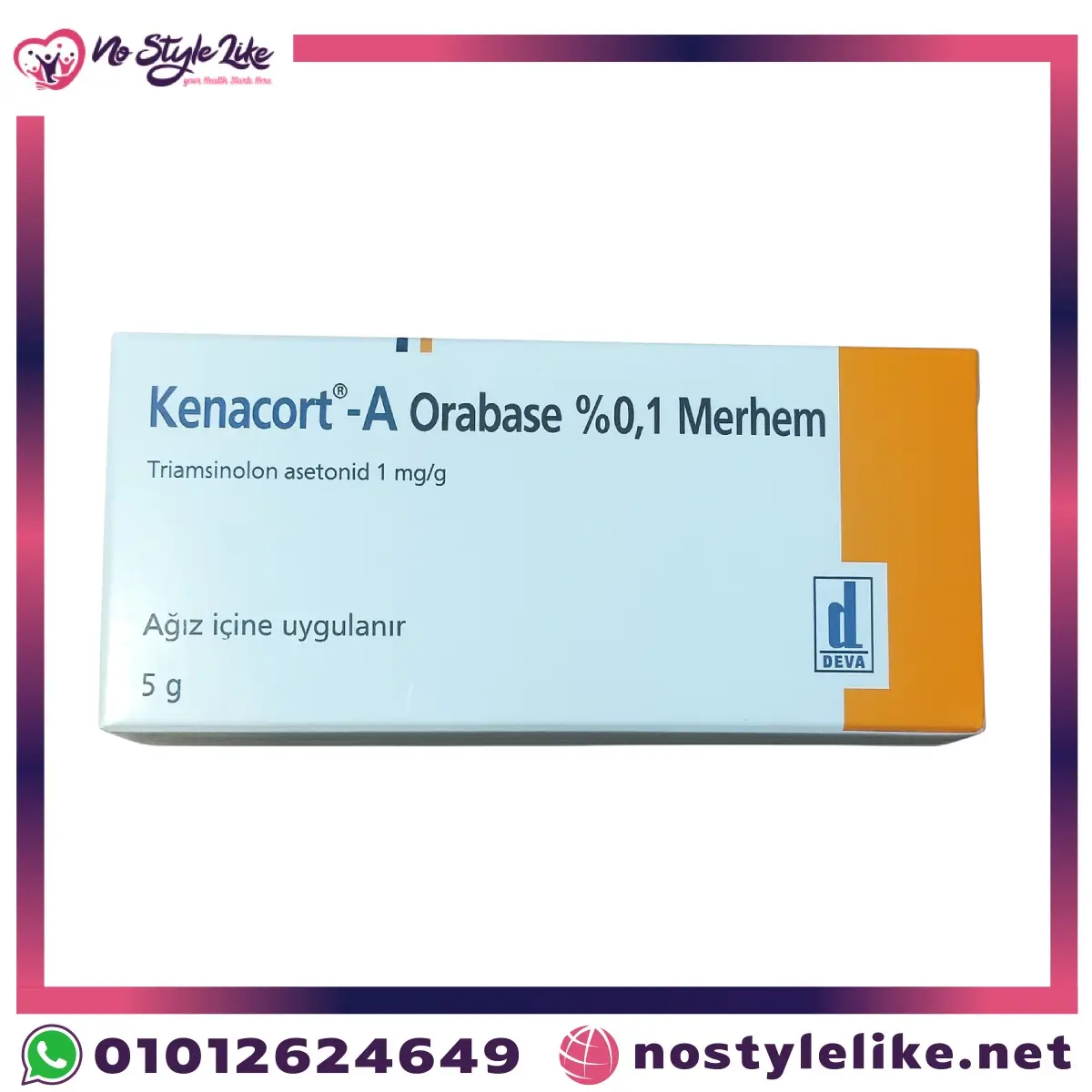
Treatment has two goals: reduce pain and speed healing. Adhesive topical pastes containing a corticosteroid such as triamcinolone acetonide 0.1% are the most widely used option, because they form a protective layer over the ulcer while calming inflammation at the same time. They are applied as a thin film without rubbing, ideally after meals and at bedtime.
Alongside these, mild antiseptic rinses, barrier products such as hyaluronic acid gels, and topical analgesics all help. Where a nutritional deficiency exists, replacing iron or vitamin B12 is a core part of treatment rather than an optional extra.
What helps at home?
Rinsing with warm salt water twice a day reduces inflammation. Avoid acidic, spicy and crunchy foods while the ulcer is painful. Use a soft brush and a toothpaste free of sodium lauryl sulfate if ulcers keep coming back. Drink enough water, because a dry mouth slows healing and increases irritation.
How to reduce recurrence
Prevention starts with identifying your personal trigger. Keep a short log of when ulcers appear and what preceded them in food or stress. Have any sharp edge on a tooth, filling or brace corrected by your dentist. Improve sleep and lower stress where you can. And ask for a full blood count with iron and vitamin B12 if you get more than three episodes a year.
When mouth ulcers need a doctor
See a doctor if an ulcer lasts more than two weeks, is larger than one centimetre, prevents you from eating or drinking, comes with a fever, or appears alongside a skin rash or eye inflammation. Any non-healing ulcer in a smoker also needs assessment to rule out other causes.
Frequently Asked Questions
Are mouth ulcers contagious?
No. Aphthous ulcers do not spread through shared food or cups, unlike herpes sores which usually appear on the outer lip.
How long do they take to heal?
A minor ulcer heals in 7 to 14 days. Topical treatment reduces pain and speeds healing but will not clear it in a single day.
Can vitamin deficiency cause them?
Yes. Low iron, vitamin B12 and folate are common contributors, especially in recurrent cases, and a simple blood test can identify them.
What is the best paste for them?
Adhesive pastes containing a topical corticosteroid such as triamcinolone 0.1% are among the most used options, ideally with pharmacist advice.
Conclusion
Most mouth ulcers are minor and settle on their own, but the right topical treatment noticeably shortens the painful days. What matters most is the pattern: an occasional ulcer is normal, while constant recurrence is a signal from your body worth investigating. If you need the original imported paste, it is in stock now at No Style Like pharmacy.
Read also
- Kenacort Side Effects and Safety Points
- Kenacort Alternatives for Mouth Ulcers
- Buy Kenacort A Orabase 0.1% Oral Paste 5g
This article was reviewed by the No Style Like pharmacy content team. It is provided for general awareness and is not a substitute for advice from a doctor or pharmacist. Kenacort Orabase is a topical corticosteroid and is best used under medical supervision, especially with recurrent or chronic ulcers.
Do not use it during pregnancy or breastfeeding unless a doctor prescribes it, do not give it to children without medical advice, and avoid it if a fungal, bacterial or viral mouth infection is present. Store it out of reach of children at room temperature. For more detail see the MedlinePlus page on triamcinolone.