


Preconception Supplements: 7 Essential Checks Before You Buy
Preconception supplements can help address specific nutritional needs, but the best starting point is a preconception care plan. A bottle marketed for fertility cannot tell you whether you need its ingredients, whether it overlaps with your medicines, or why pregnancy has not happened. This guide helps you prepare useful questions before buying.
Start with your situation
Write down whether you are planning pregnancy, already pregnant, receiving fertility treatment, or simply comparing products. These situations call for different decisions. Record your medicines, existing supplements, allergies and relevant diagnoses on one page. Bring photographs of the labels to a pharmacist or clinician, including the back of each bottle.
Preconception care includes reviewing existing conditions and medicines before pregnancy. Do not stop a prescribed medicine on your own because you have started a supplement. A review helps you coordinate nutrition with the rest of your care. See the NICHD introduction to preconception care.
1. Understand the role of folic acid
The CDC recommends 400 micrograms of folic acid daily for people who could become pregnant. Its established purpose is helping prevent neural tube defects; this is different from proving that a fertility blend improves conception. Some people need an individualized plan, so higher doses should be discussed with a clinician. Read the CDC folic acid guidance.
When comparing preconception supplements, look at your total intake across products. Do not assume a separate multivitamin, fertility blend and folic acid tablet all belong in the same routine. Bring the complete list for review rather than checking each product in isolation.
2. Separate an ingredient claim from a product claim
A study about one ingredient is not automatically a study of the bottle in your shopping basket. Ask whether the formula, amount, population and outcome match. A change in a laboratory marker is also different from a confirmed improvement in live birth. For a closer look, read our guide to inositol and CoQ10 fertility evidence.
3. Compare the daily serving, not the front label
The number on the front usually describes the package, while the nutrition panel may describe several capsules together. Record the serving size, suggested daily use and amount per serving in separate columns. Our supplement label guide explains the arithmetic with an illustrative example. Never use that example as a dose recommendation.
4. Check overlap and medicine interactions
A practical checklist has four columns: product name, ingredient, daily amount and reason for taking it. Repeated ingredients become easier to spot. Ask a pharmacist about interactions, particularly if you use prescription medicines or receive fertility treatment. The correct question is whether the whole routine fits you, rather than whether each individual ingredient sounds familiar.
5. Put the supplement in a wider plan
Choose a routine you can discuss and follow consistently. Record missed doses without doubling them unless the actual label or your clinician instructs otherwise. Keep appointments, meals and prescribed treatment in the same plan. Buying more products can increase complexity without resolving the reason you started looking for support.
6. Know when to seek fertility evaluation
ASRM recommends evaluation after 12 months of trying when the woman is under 35, and after 6 months from age 35; evaluation may be appropriate sooner over 40 or with known concerns. Irregular cycles or a relevant medical history can justify earlier discussion. Supplements should not delay this step. See ASRM fertility evaluation guidance.
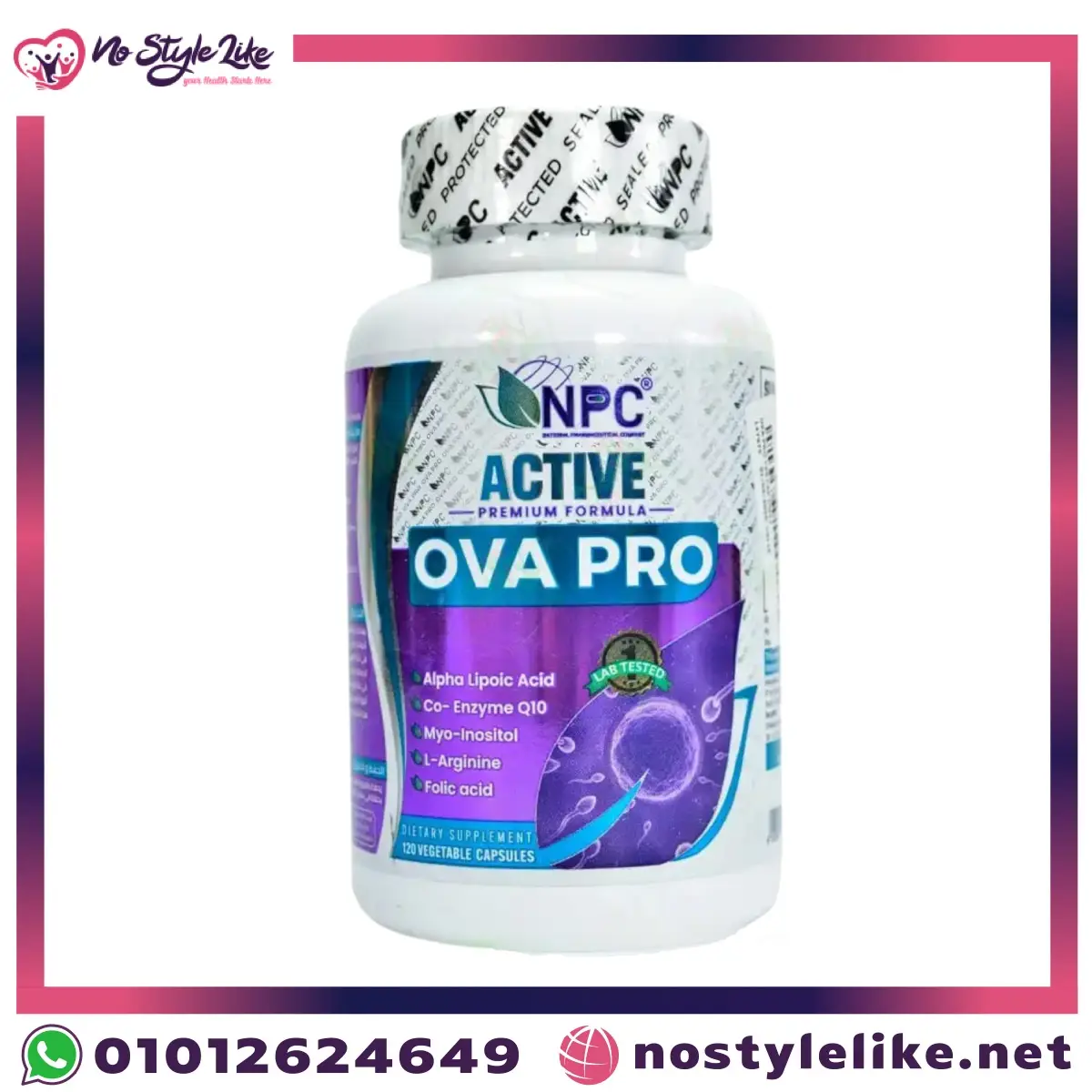
7. Review a specific product without assuming it fits
If you are comparing OVA PRO, use the OVA PRO product guide and safety information to review the stated ingredients and label limitations. Then confirm the label on the actual pack with your pharmacist. This article is educational content on a store website and includes a link to a product sold by the store; the link is not evidence that the product improves pregnancy outcomes.
Frequently asked questions
Are preconception supplements a replacement for fertility treatment?
No. Nutritional support and investigation of infertility answer different questions. A clinician can help decide what belongs in your plan.
Should I buy several supplements to cover every possibility?
Start by checking what you already take. Combining products without a review can duplicate ingredients and make the routine harder to assess.
How should I prepare for a consultation?
Bring label photographs, doses, medicine names, cycle history and your main question. Ask which items to keep, change or avoid, and when to review the plan.
Prepared with AI assistance using the sources linked in the text. This article does not provide a diagnosis or prescription. Independent medical review of this text has not been documented.