


Inositol and CoQ10: 5 Essential Fertility Evidence Checks
Inositol and CoQ10 appear in discussions about fertility supplements, but an ingredient being studied does not establish that every product containing it improves pregnancy outcomes. To interpret a claim, check who was studied, what was taken and which outcome changed. This guide focuses on those questions rather than predicting an individual result.
What are these ingredients?
Inositol is used in different forms, including myo-inositol, in some supplements. Coenzyme Q10 is a compound naturally present in the body and is also sold as a supplement. Their appearance together on a label does not mean that the combination has been proven for every fertility-related use. The NCCIH overview of CoQ10 provides general background and safety information.
1. Check the population before applying a finding
People with polycystic ovary syndrome, people undergoing IVF and people trying to conceive without a diagnosed condition are different study populations. Results in one group may not apply to another. Check age ranges, diagnosis and other treatment, then ask how closely the research matches your circumstances.
A useful note beside a study is simply “Who does this describe?” If a product page skips that detail, keep the uncertainty visible rather than filling it in with an assumption. A short headline usually cannot contain all the information needed for a treatment decision.
2. Distinguish a marker from an outcome that matters
Hormone measurements, laboratory markers and numbers of eggs retrieved can be useful research measures. They are not interchangeable with clinical pregnancy or live birth. When reading about inositol and CoQ10, identify the actual outcome instead of treating every improvement as proof of a better chance of taking home a baby.
Also ask whether the study compared the intervention with a suitable control and whether the finding was precise enough to guide a decision. Small studies can raise worthwhile questions while still leaving substantial uncertainty. A positive result in one paper is a reason to examine the evidence, not a promise for an individual.
3. Read the PCOS guidance accurately
The 2023 international PCOS guideline treats inositol for infertility as experimental because benefits and risks remain uncertain. That wording does not prove that it never helps; it means confidence is insufficient for routine fertility recommendations. Do not turn a discussion about PCOS into a claim that all women need the same supplement. See the published international PCOS recommendations.
4. Compare the studied intervention with the label
Write down the exact ingredient form, daily amount, duration and other ingredients in the study. Then compare these with the current product label. If amounts are missing or the image is unreadable, the comparison is incomplete. A brand name or a long ingredient list cannot close that gap.
Our guide to reading supplement labels explains serving sizes and repeated ingredients. For a broader starting point, read the preconception supplements checklist before building a routine around a single ingredient.
5. Include safety and the rest of your treatment
CoQ10 may interact with warfarin, insulin and some cancer treatments, according to NCCIH. Bring your full medicine and supplement list to a clinician or pharmacist. If you are receiving fertility treatment, agree on any supplement changes with the treating team. “Natural” does not answer an interaction question.
Decide what you expect to learn from follow-up before starting a product. Ask which symptoms or concerns should prompt contact, when to reassess and whether the plan would change after a positive pregnancy test. Avoid choosing your own dose from a research paper: trial conditions may differ from your care.
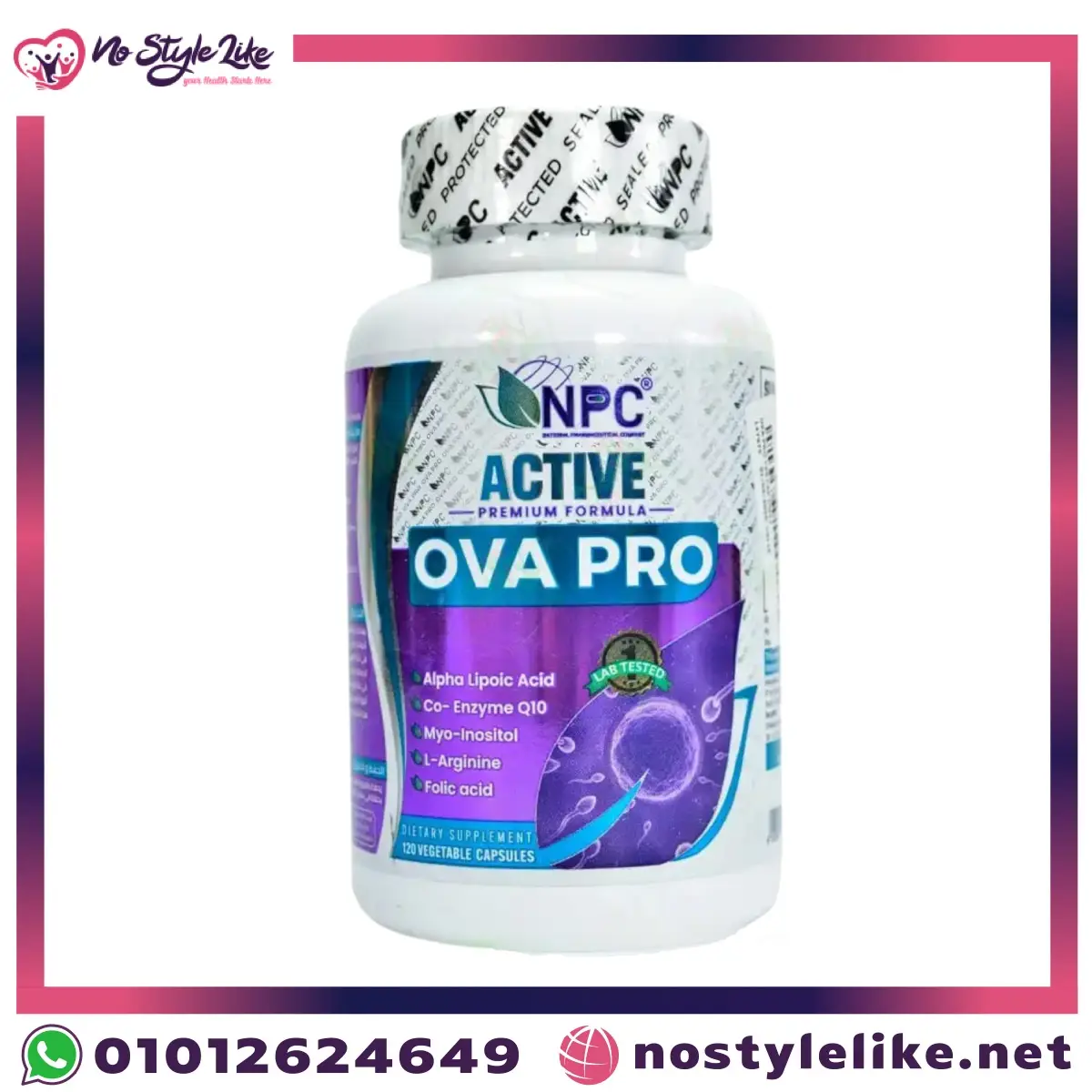
How to apply this to OVA PRO
The OVA PRO product information describes the product and the limits of the available label information. Use it alongside the pack in your possession. This store article links to a product the store sells; it does not establish clinical effectiveness of that finished formula or replace independent medical advice.
Frequently asked questions
Do inositol and CoQ10 guarantee better egg quality?
No. A broad phrase such as “egg quality” needs a defined outcome and supporting evidence. It should not be used as a guarantee of pregnancy or live birth.
Can I copy a dose from a fertility study?
Discuss it with your clinician. The participants, ingredient form, combination and monitoring may differ from your situation.
Does uncertain evidence mean the supplement never works?
No. Uncertainty means the available evidence does not support a confident prediction. Decisions should account for your circumstances, cost, safety and alternatives.
Prepared with AI assistance using the sources linked in the text. This article does not provide a diagnosis or prescription. Independent medical review of this text has not been documented.