


Silymarin: 6 Things to Know Before Buying Milk Thistle Extract
What Is Silymarin?
Read the label of almost any milk thistle supplement and you will see the word silymarin. It is the reason people buy the product: a mixture of natural compounds called flavonolignans, extracted from the seeds of the milk thistle plant (Silybum marianum). Here are 6 things that will help you read the label and choose sensibly, without exaggerated promises.
1. What Silymarin Contains
Silymarin is not a single substance but a group of related compounds, mainly:
- Silibinin, also called silybin, the largest and most studied part.
- Isosilybin.
- Silychristin.
- Silydianin.
In the lab these compounds are studied as antioxidants and as substances that might protect liver cells. Human trials in liver disease, however, remain limited and mixed.
2. What 80% Standardization Means
Raw seeds contain only a small proportion of the active compounds, so manufacturers produce concentrated extracts. A label saying standardized to 80% means every 100 mg of extract reliably contains 80 mg of silymarin in every batch. This is the clearest way to know what you are actually taking.
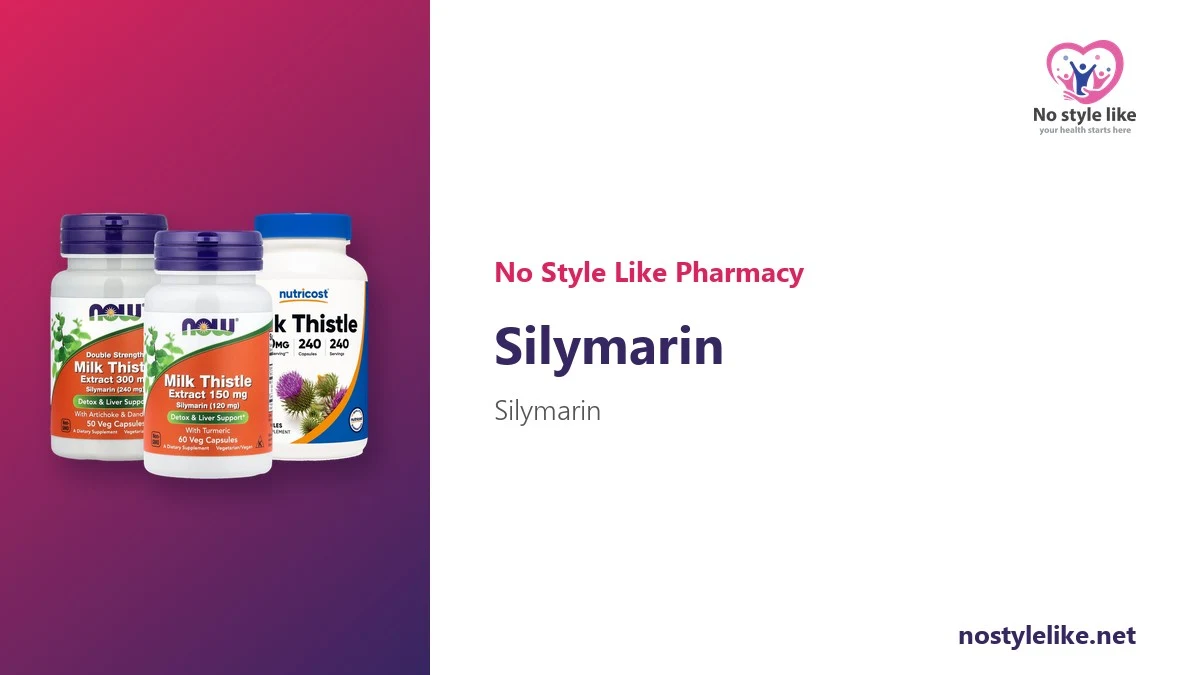
For example, each capsule of NOW Milk Thistle Extract 300 mg holds 300 mg of standardized extract providing 240 mg of silymarin, together with dandelion root and artichoke leaf. Each capsule of NOW Milk Thistle Extract 150 mg with Turmeric holds 150 mg of extract, or 120 mg, so two capsules give 240 mg alongside 700 mg of turmeric.
3. 4:1 Extracts vs Standardized Extracts
A 4:1 ratio means four parts of seed were used to make one part of extract. That is why some brands say 250 mg of extract equals 1,000 mg of seed. This ratio describes concentration by weight only; it does not tell you how much of the active complex is present.
| Point | Standardized 80% extract | 4:1 extract |
|---|---|---|
| What the label tells you | Active content in milligrams | Seed equivalent |
| Example | NOW 300 mg: 240 mg per capsule | Nutricost: 250 mg extract, about 1,000 mg seed |
| Comparing with studies | Easy | Not possible with precision |
Nutricost Milk Thistle is this type: one capsule a day with 250 mg of 4:1 extract. The label does not state an active percentage, so you should not assume one. Its strengths are the large count of 240 capsules and a simple once-daily routine, and it is third-party tested.
4. The Silymarin Absorption Problem
Silymarin dissolves poorly in water, only a limited share is absorbed from the gut, and the liver clears it relatively quickly. In practice this means:
- Milk thistle seed tea delivers very little of it.
- Taking capsules with a meal that contains some fat may help a little.
- Special formulas, such as silybin bound to phosphatidylcholine (phytosome), aim to improve bioavailability, but none of the three products here use that technology.
When Labels Can Mislead
Be wary of bottles that print a large number on the front without a clear supplement facts panel, or that blend milk thistle with dozens of herbs in small, unspecified amounts. A big number does not necessarily mean more active compound, and long ingredient lists raise the chance of allergy and interactions. Always read the dose and directions printed on the bottle itself and follow them.
5. What the Evidence Says About Silymarin
Researchers have studied it in viral hepatitis, cirrhosis, fatty liver and alcohol-related liver damage. Results have been mixed: some trials showed small improvements in liver enzymes, while others found no clear difference. So it is a supportive supplement, not a treatment. Intravenous silibinin for Amanita mushroom poisoning is a hospital-only emergency therapy, not something to copy at home with capsules.
Side effects are usually mild, such as digestive upset, but allergy in people sensitive to ragweed, effects on blood sugar and possible drug interactions matter. Read the details in milk thistle side effects.
6. How to Choose a Product
- Look for milligrams of active content or a standardization percentage on the label.
- Compare active content, not capsule weight.
- Note added ingredients such as turmeric, dandelion or artichoke.
- Confirm the right amount in our milk thistle dosage guide.
- Check with a doctor if you are pregnant, breastfeeding, diabetic or on long-term medication.
If you are comparing several liver-support supplements, you may also find glutathione and liver health useful.
FAQ
Is silymarin the same as milk thistle?
It is the active extract from the seeds, while milk thistle is the whole plant.
What is the difference from silibinin?
Silibinin is one component of silymarin and the largest one.
Do I need a prescription?
The capsules are dietary supplements sold without a prescription, but advice matters if you take other medicines or are pregnant.
Conclusion
Understanding the label is the first step: an 80% standardized extract tells you exactly how much active compound you get, while a 4:1 extract only tells you the seed concentration. You can find NOW Milk Thistle Extract 300 mg, NOW Milk Thistle Extract 150 mg with Turmeric and Nutricost Milk Thistle at No Style Like pharmacy.
This article was reviewed by the No Style Like pharmacy content team. It is for general awareness only and does not replace advice from your doctor or pharmacist.
Silymarin is a dietary supplement, not a treatment for liver disease. Ask your doctor before using it with long-term medication. For more information see the NCCIH milk thistle page.