


Selenium and Thyroid Health: 6 Facts About Hashimoto’s, Graves’ and Dose
Why Are Selenium and Thyroid Health So Closely Linked?
If you have Hashimoto’s thyroiditis, you have probably been told to try selenium. The connection between selenium and thyroid function is real, but it is often exaggerated online. Here are 6 facts about selenium and thyroid health that explain what this mineral can do for the gland, and what it cannot.
1. The Thyroid Is the Body’s Richest Store of Selenium
Gram for gram, the thyroid gland contains more selenium than any other tissue. The reason is that the gland uses hydrogen peroxide, a strong oxidant, to make its hormones. The selenium-dependent enzyme glutathione peroxidase protects thyroid cells from that damage, which is the first link between selenium and thyroid protection.
2. Converting T4 Into T3
The thyroid releases most of its hormone as T4, which is relatively inactive. The body relies on enzymes called deiodinases to convert it into active T3, and these enzymes are selenoproteins. That is why the balance between selenium and thyroid hormones matters for how hormones act in the tissues. Severe deficiency that blocks this conversion is rare, though, in people who eat a varied diet.
3. Selenium and Thyroid Antibodies in Hashimoto’s
Several trials found that about 200 mcg of selenium a day, usually as selenomethionine, lowered TPO antibodies in people with Hashimoto’s over a few months. However, this fall in a lab value has not been shown to reduce the hormone dose a patient needs, prevent progression to hypothyroidism, or clearly improve symptoms. Results on selenium and thyroid antibodies vary between studies and appear stronger in regions where dietary selenium is low.
If you are tracking thyroid results, note that some supplements can distort lab tests; our article on biotin and lab tests explains how to prepare before a blood draw.
4. Never Stop Levothyroxine
This is the most important point about selenium and thyroid treatment: selenium is not a substitute for levothyroxine. If you take levothyroxine or a similar medicine, keep taking it at the dose your doctor set, and do not change it because you started a supplement. Keep checking TSH on schedule. Take selenium with lunch or dinner, well apart from your morning thyroid tablet.
5. Selenium and Thyroid Eye Disease in Graves’
Graves’ disease can affect the eyes, causing mild bulging, dryness and irritation. European guidance recommends selenium for about 6 months in mild Graves’ orbitopathy, because trials showed better quality of life and slower progression of eye symptoms. Moderate and severe cases need other treatment from a specialist, and selenium does not treat the overactive thyroid itself.
6. More Is Not Better
When it comes to selenium and thyroid support, the safe upper limit is still 400 mcg a day from all sources. Someone taking a 200 mcg supplement and eating Brazil nuts daily could exceed it without noticing. The SELECT trial linked years of 200 mcg a day with a possible higher risk of type 2 diabetes, so high doses should not continue indefinitely without follow-up.
Which Supplement Suits a Thyroid Patient?
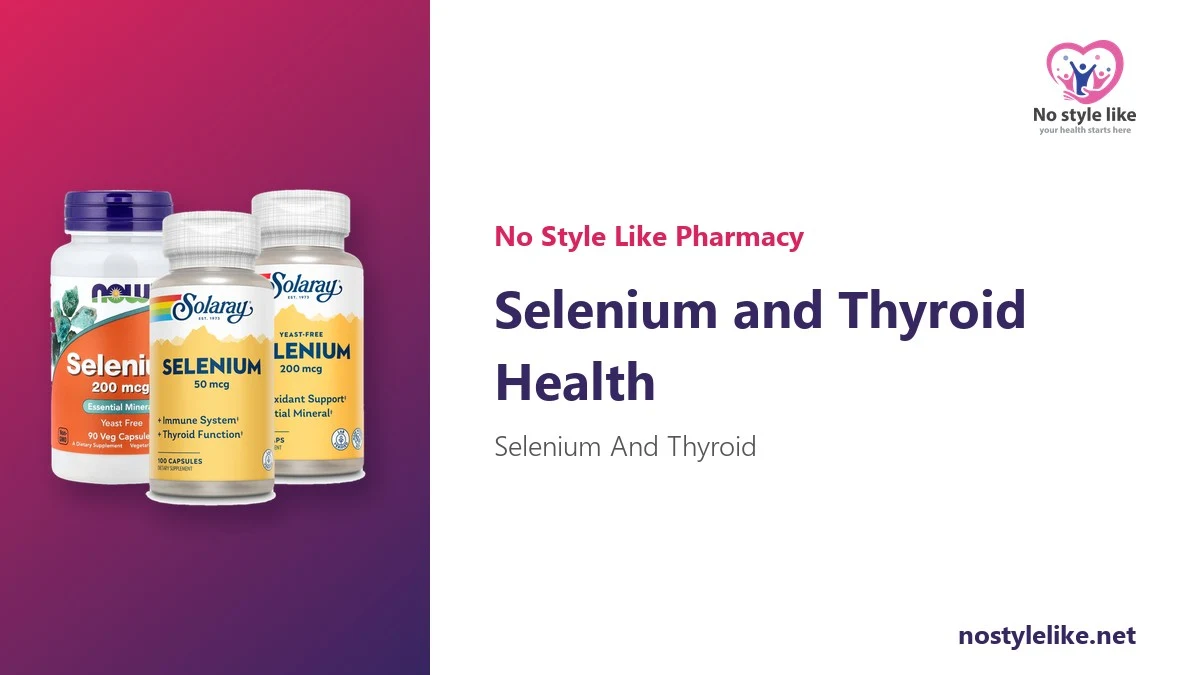
The dose used in Hashimoto’s trials is 200 mcg of selenomethionine, which is what these provide:
- NOW Selenium 200 mcg: yeast-free L-selenomethionine, 1 veg capsule a day with a meal.
- Solaray Selenium 200 mcg: yeast-free L-selenomethionine, 1 VegCap a day with a meal or glass of water.
Solaray Selenium 50 mcg, made from selenium yeast in a gelatin capsule, suits people who want a small supportive dose close to the daily requirement. For a full comparison of strengths, read our selenium dosage guide, and for the mineral’s wider roles see selenium benefits.
Practical Tips on Selenium and Thyroid Care
- Discuss selenium with your endocrinologist before starting, especially in pregnancy or breastfeeding.
- Recheck antibodies and thyroid function after 3 to 6 months if your doctor asks.
- Do not combine a selenium supplement with a selenium-rich multivitamin without adding up the total.
- Blood selenium testing is not routine; it is ordered when deficiency or excess is suspected.
- Ask your doctor first if you have kidney disease or are receiving chemotherapy.
Iodine, Selenium and Diet
The thyroid needs iodine to make hormones and selenium to protect itself and activate them. A diet with fish, eggs, dairy and iodised salt covers both iodine and selenium needs for most people, and that is the base of good selenium and thyroid balance. Avoid high-dose iodine or kelp supplements in Hashimoto’s unless your doctor recommends them, since excess iodine can worsen thyroid autoimmunity in some people.
Frequently Asked Questions
Does selenium cure hypothyroidism?
No. Hypothyroidism is treated with replacement thyroid hormone; selenium may be a supportive add-on at most.
Does selenium raise T3 levels?
In people who are not deficient, it does not raise T3 noticeably.
How long should I take it?
Studies usually ran from 3 to 12 months, and your doctor decides whether to continue.
Conclusion
The link between selenium and thyroid health rests on deiodinases and antioxidant protection. A dose of 200 mcg may lower TPO antibodies in some people with Hashimoto’s and helps in mild Graves’ eye disease, but it never replaces levothyroxine or changes its dose.
This article was reviewed by the No Style Like pharmacy content team. It is for general awareness only and does not replace advice from your doctor or pharmacist.
Never stop or change your thyroid medicine without your doctor, and do not exceed 400 mcg of selenium a day. For more information see the NIH selenium fact sheet for health professionals.