


Description
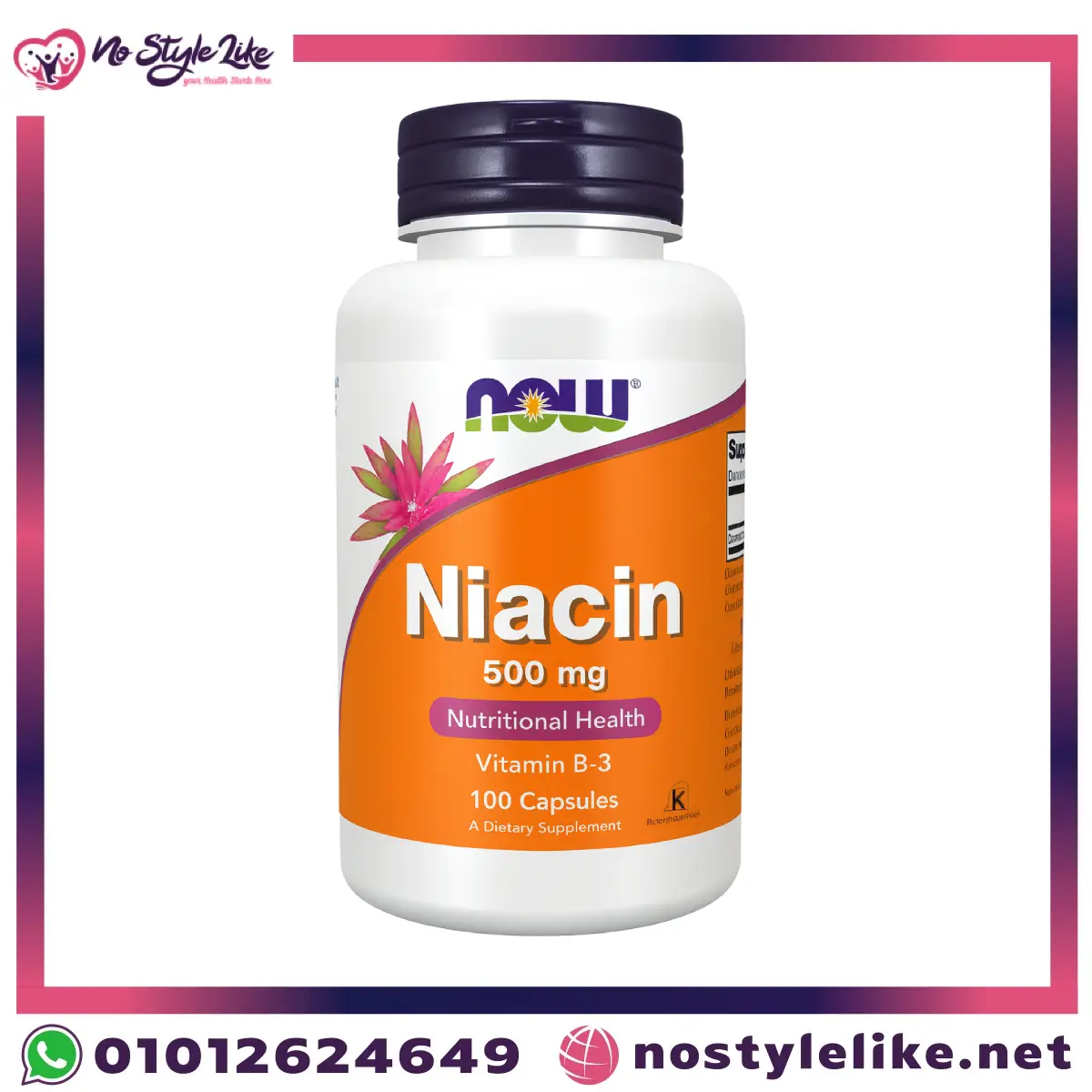
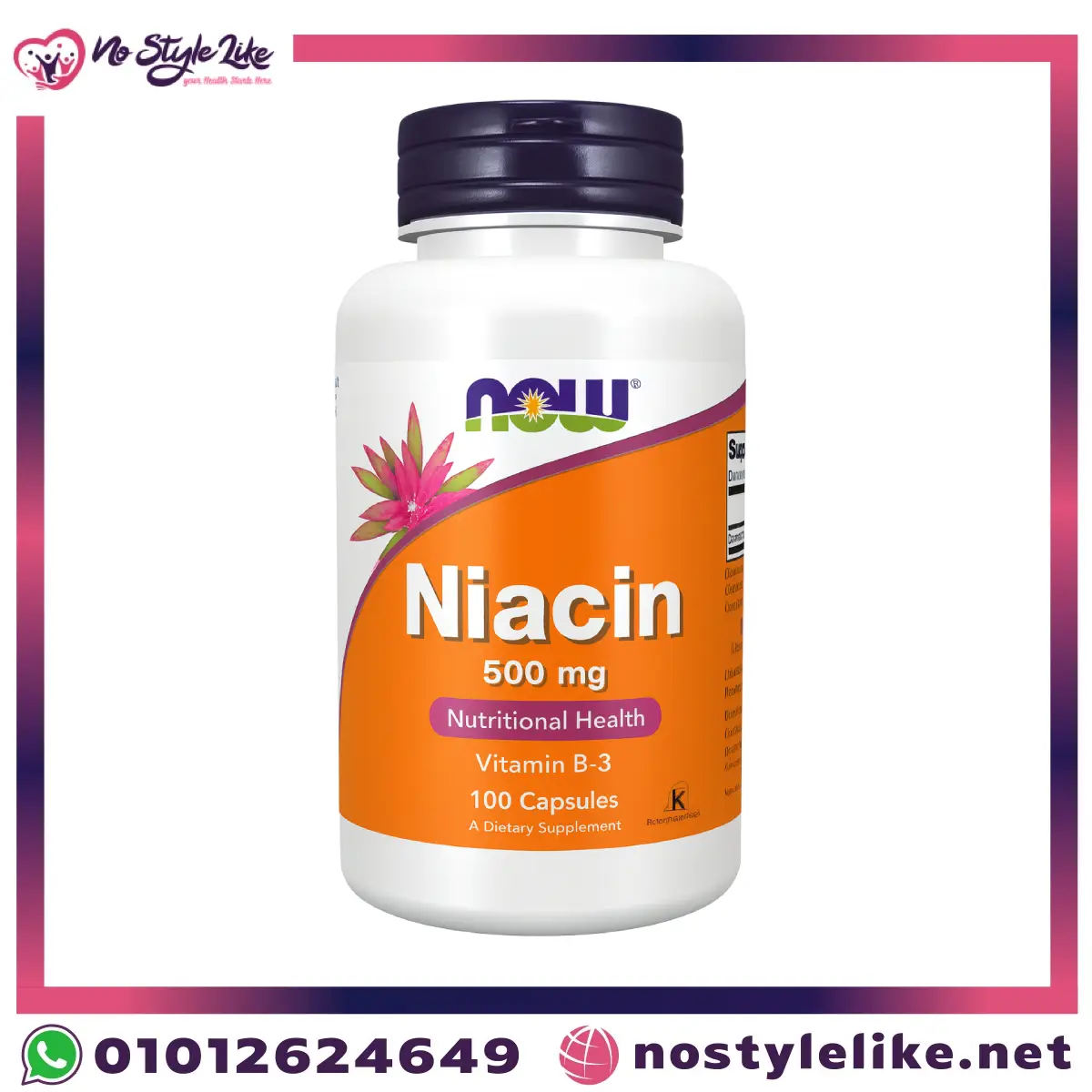
Niacin 500 mg (Vitamin B3) by NOW Foods – 100 Capsules (High-Dose Dietary Supplement)
Key Facts About Niacin
Short Description: Niacin (vitamin B3) 500 mg by NOW Foods, 100 capsules, is a high-dose dietary supplement. Niacin has a role in energy production and affects blood lipids, but large trials did not prove it reduces heart attacks. This high dose is used under medical supervision only, due to effects such as flushing, liver impact and blood-sugar changes. Consult a doctor before use.
Table of Contents
- Introduction
- What Is Niacin (Vitamin B3)?
- How It Works in the Body
- Niacin and Blood Lipids
- What the Research Says About the Heart
- How It Is Used and Dosage
- Niacin Flushing
- Who Should Avoid It or Consult a Doctor?
- Safety Warnings & Precautions
- Drug Interactions
- Tests & Monitoring
- Myths vs Facts
- Is It a Treatment for Heart Disease?
- When to See a Doctor
- NSL Expert Tip
- FAQ
- Conclusion
Introduction
Many people look for supplements to support the heart and cholesterol, and Niacin (vitamin B3) is one of the best known. At No Style Like we put your health and trust above any marketing, so we present an accurate, honest informational page: what niacin is, how it works, its real effect on blood lipids, what the large trials actually showed about the heart, and why a 500 mg dose must be approached with caution and medical supervision.
What Is Niacin (Vitamin B3)?
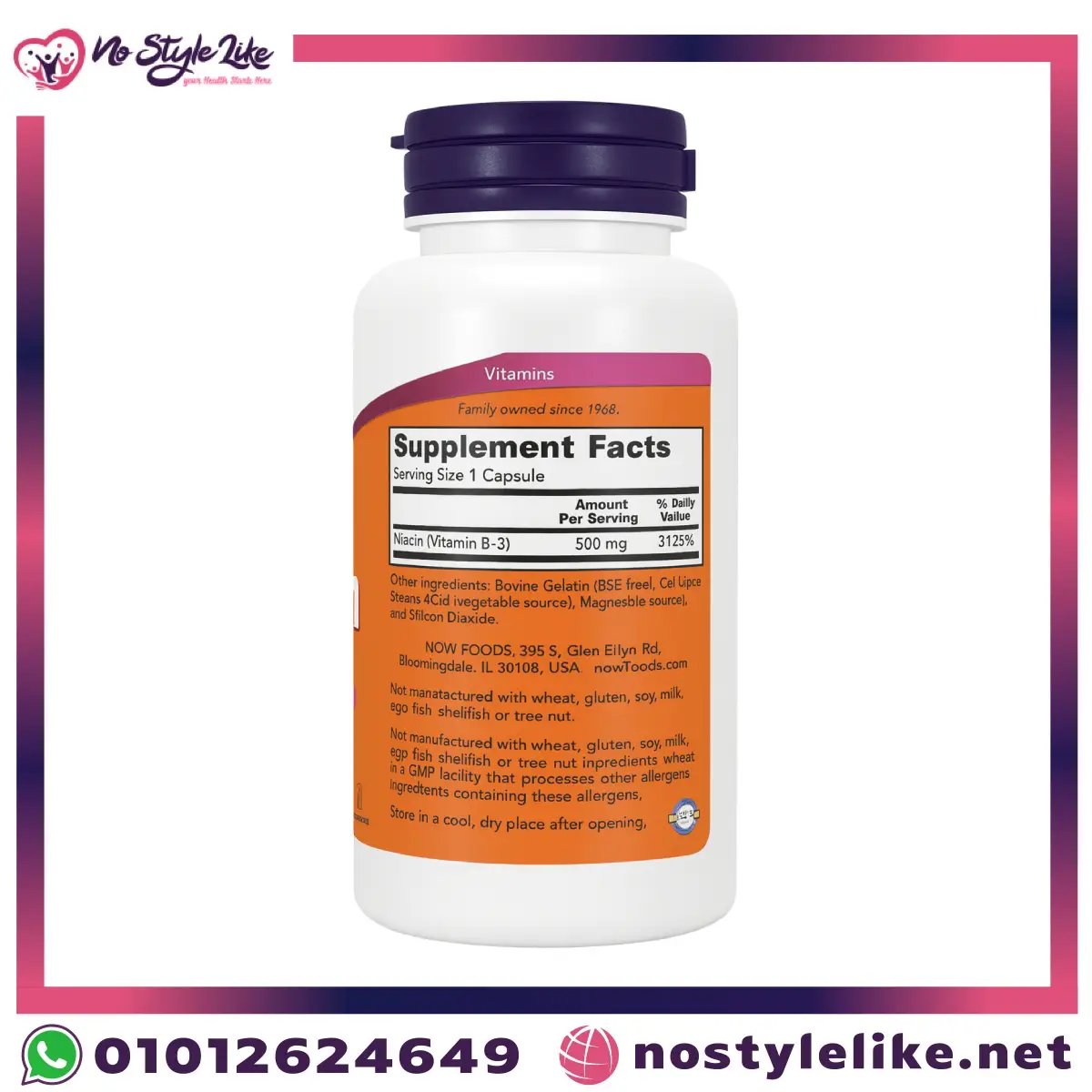
Niacin is one of the B vitamins (vitamin B3), known scientifically as nicotinic acid. The daily requirement is small (about 14–16 mg for adults), and the tolerable upper limit from supplements is 35 mg per day. So NOW Niacin 500 mg is a very high dose (about 14 times the usual upper limit) — a “therapeutic” dose normally used under a doctor’s supervision, not a general daily supplement.
How It Works in the Body
Niacin is converted in the body into NAD, which is involved in more than 400 enzyme reactions and plays a key role in producing energy from carbohydrates, fats and protein. This is a real nutritional role, but a balanced diet usually covers the daily requirement without high doses.
Niacin and Blood Lipids
At high therapeutic doses (often 1,500–3,000 mg per day), niacin can raise “good” HDL cholesterol and lower “bad” LDL cholesterol and triglycerides. This effect on lab numbers is well known — but, as we will see, improving lipid numbers does not necessarily mean fewer heart attacks, which is a crucial point.
What the Research Says About the Heart
For scientific honesty: despite niacin’s effect on lipid numbers, large clinical trials did not prove a heart benefit. The AIM-HIGH study found that adding niacin to statin therapy did not reduce heart attacks and was linked to a higher stroke risk. The HPS2-THRIVE trial in more than 25,000 participants showed no meaningful reduction in cardiovascular events despite improved lipids, with more side effects. A 2017 systematic review concluded niacin offers “little if any” protection from atherosclerotic heart disease. We therefore make no claim that it “treats” the heart.
How It Is Used and Dosage
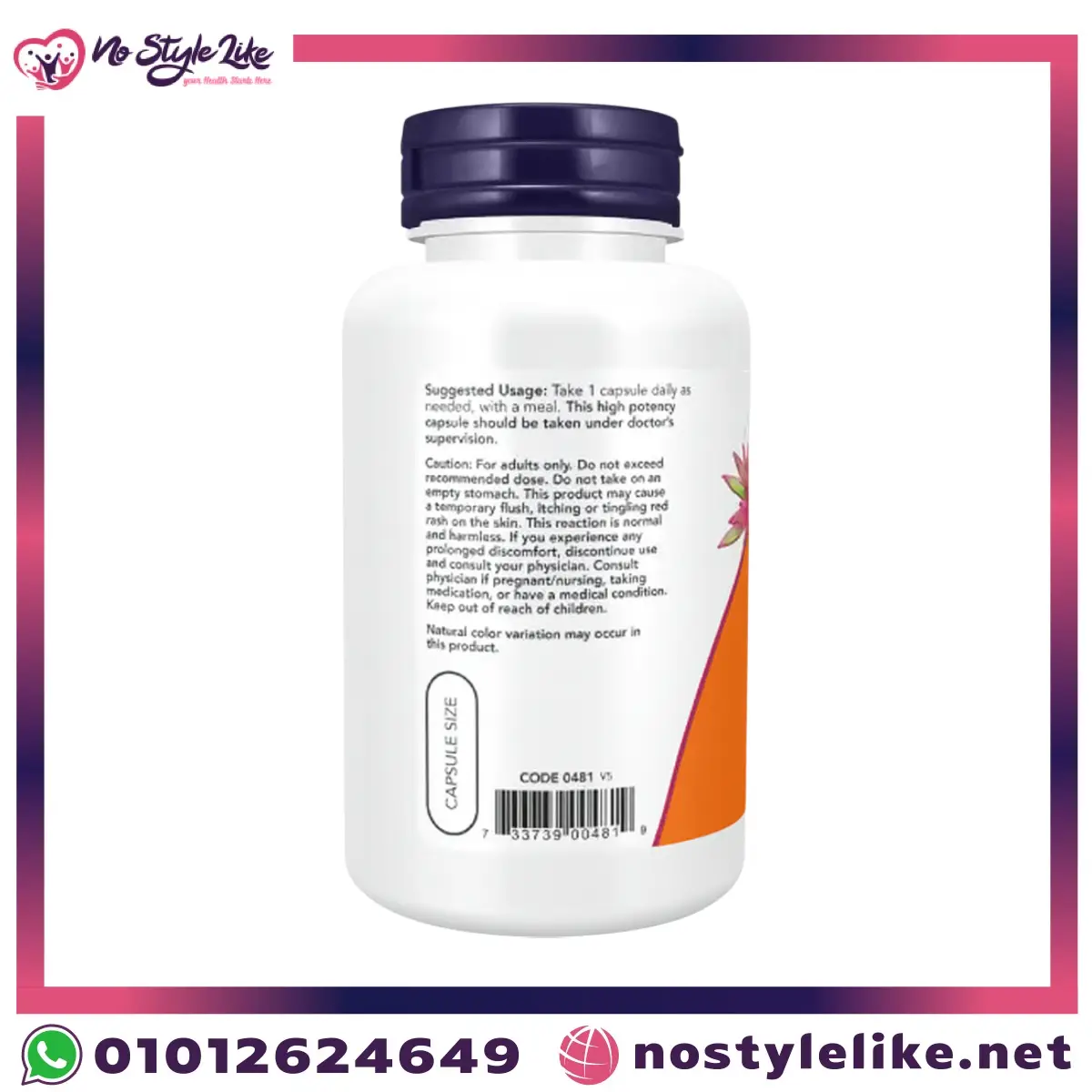
Because 500 mg is a high dose, we do not specify a therapeutic regimen here; using it at this dose for lipid management should be by prescription and under a doctor’s supervision with monitoring, not as a general daily supplement. Take it as directed by the doctor or the pack, often with food to reduce flushing. Do not start a high dose on your own, especially with chronic conditions or medications.
Niacin Flushing
One of the best-known effects of niacin is “flushing”: redness, warmth and tingling of the skin (especially the face and neck), usually starting at doses above 30–50 mg of nicotinic acid and more noticeable at 500 mg. It is usually not dangerous but can be uncomfortable, and may lessen when taken with food and over time. If it comes with severe dizziness, palpitations or unusual symptoms, consult a doctor.
Who Should Avoid It or Consult a Doctor First?
It is strongly advised to consult a doctor before using high-dose niacin in the following cases: liver disease or raised liver enzymes; diabetes or blood-sugar problems (niacin can raise blood glucose); gout or high uric acid; stomach ulcer; taking cholesterol medicines (statins) or chronic medications; pregnancy and breastfeeding; and children. Niacin at 500 mg is not a general supplement for everyone.
Safety Warnings & Precautions
High doses of niacin can cause: liver stress or damage (especially slow-release forms), raised blood sugar and insulin resistance, gastrointestinal upset (nausea, diarrhoea), higher gout risk, and sometimes effects on vision. So: stick to the dose your doctor sets, do not exceed it, stop use and consult a doctor if you notice yellowing of the skin/eyes, severe abdominal pain, persistent nausea, high blood sugar or severe flushing, and keep out of the reach of children. At this dose, niacin is closer to a medicine that needs monitoring than a casual supplement.
Drug Interactions
Niacin may interact with statins (higher chance of muscle pain/myopathy), with diabetes medicines (it can raise blood sugar, so doses may need adjusting), with blood-pressure medicines (it can add to low blood pressure and flushing), and with some tuberculosis medicines such as isoniazid. Tell the doctor or pharmacist about everything you take before starting it.
Tests & Monitoring
When it is used at high dose under medical supervision, the doctor may monitor liver function, blood sugar, uric acid and the lipid profile periodically, to adjust the dose and check safety.
Myths vs Facts
| Myth | Fact |
|---|---|
| Niacin treats the heart and prevents strokes | Large trials showed no reduction in heart attacks when added to statins. |
| If it is a vitamin it is safe at any dose | 500 mg is a very high dose that can affect the liver and blood sugar; it needs medical supervision. |
| Better cholesterol numbers = a healthier heart | Improved numbers do not necessarily mean fewer cardiac events, as the studies showed. |
| Flushing means it is “working” | Flushing is just a side effect of blood-vessel widening, not proof of benefit. |
Is It a Treatment for Heart Disease?
No. Niacin is a dietary supplement (vitamin B3), not a proven medicine to treat heart disease or prevent its events. Heart health is managed by a doctor’s assessment, a healthy lifestyle, and approved medicines (such as statins when needed). Using high-dose niacin — if required — is an individual medical decision with monitoring, not self-treatment.
When to See a Doctor
See a doctor before starting niacin at 500 mg, especially with liver disease, diabetes, gout, or if you take statins, or if symptoms appear such as yellowing of the skin/eyes, abdominal pain, persistent nausea, high blood sugar or severe flushing. The doctor decides whether this dose suits your case and sets up monitoring.
NSL Expert Tip
Our tip at No Style Like: treat Niacin 500 mg for what it is — a high dose of vitamin B3 that is closer to a medicine than a general daily supplement. Do not self-use it for “heart health” or cholesterol without a doctor, and remember the large trials did not prove a heart benefit. If your goal is heart support, the foundation is medical assessment, lifestyle and approved treatment. Safety first, and medical supervision is essential at this dose.
Frequently Asked Questions About Niacin
Does niacin treat the heart or prevent strokes?
Large trials (AIM-HIGH and HPS2-THRIVE) showed no reduction in heart attacks; it is a supplement, not a proven treatment.
Why does it cause skin redness?
This “flushing” is a common effect of blood-vessel widening at high niacin doses, and usually lessens with food and over time.
Is 500 mg safe for everyone?
No; it is a high dose that can affect the liver, blood sugar and gout, and needs medical supervision.
Is it suitable for people with diabetes?
It can raise blood sugar; use only with a doctor’s advice and adjustment of diabetes medicines.
How do I store it?
In a dry place away from heat and out of the reach of children, and check the expiry date.
Conclusion
Niacin (vitamin B3) 500 mg by NOW Foods is a high-dose dietary supplement with a role in energy production and an effect on blood lipids, but large clinical trials did not prove it reduces heart attacks or strokes, and it has real side effects involving the liver, blood sugar, gout and flushing. We present it transparently as a supplement — not a heart treatment — while emphasizing that this dose should be used under a doctor’s supervision only. Shop with confidence and awareness from No Style Like.
This information was reviewed by the No Style Like pharmacy content team. This content is informational only and does not promote any unproven claim, is not a substitute for consulting a doctor or pharmacist, and is not a treatment for any condition. High-dose niacin needs medical supervision. For more reliable information on niacin, see the US NIH Office of Dietary Supplements.


Reviews
There are no reviews yet.