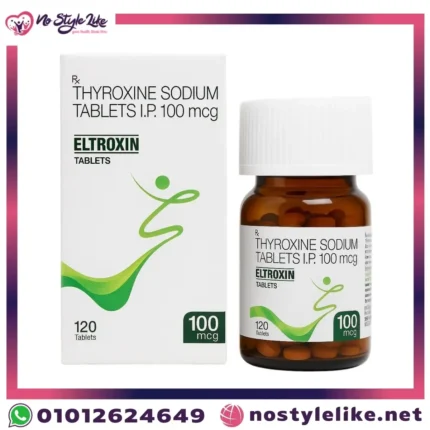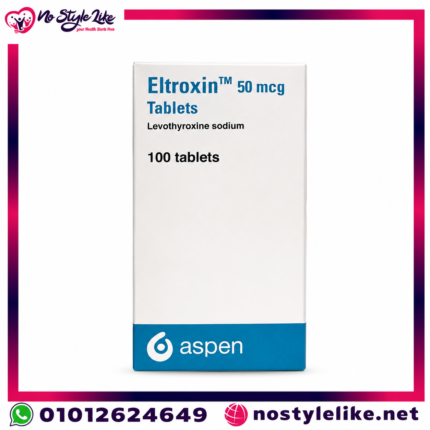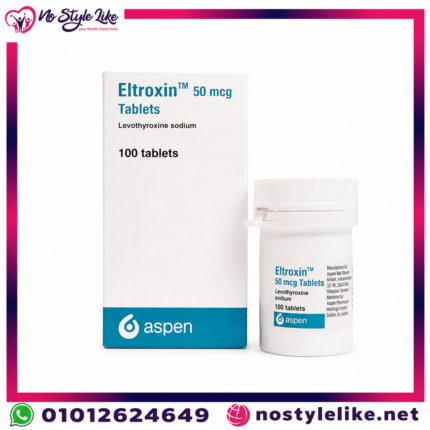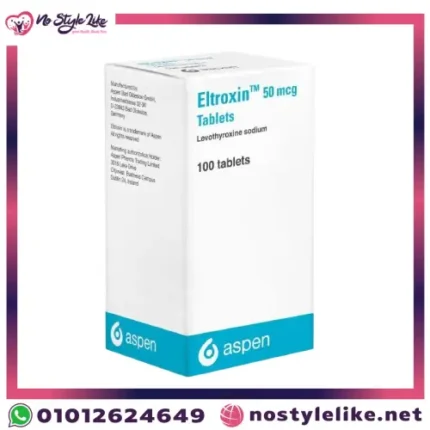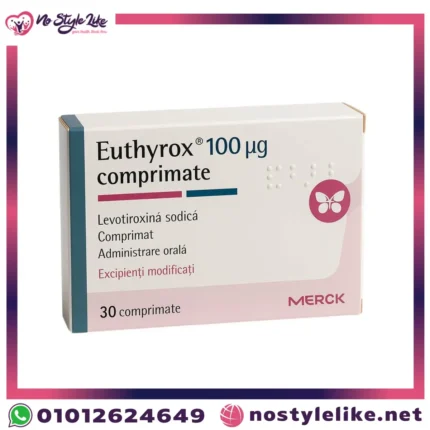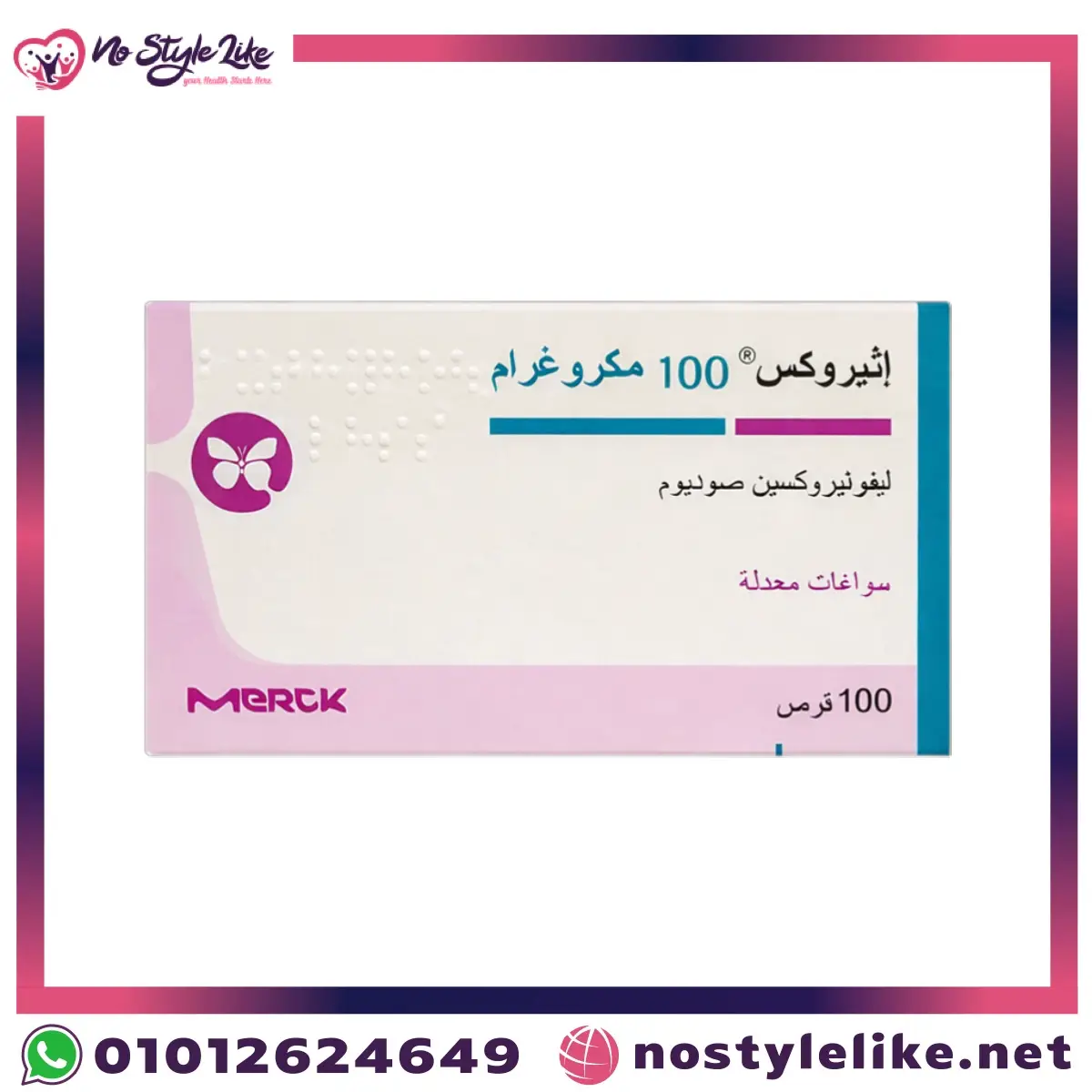




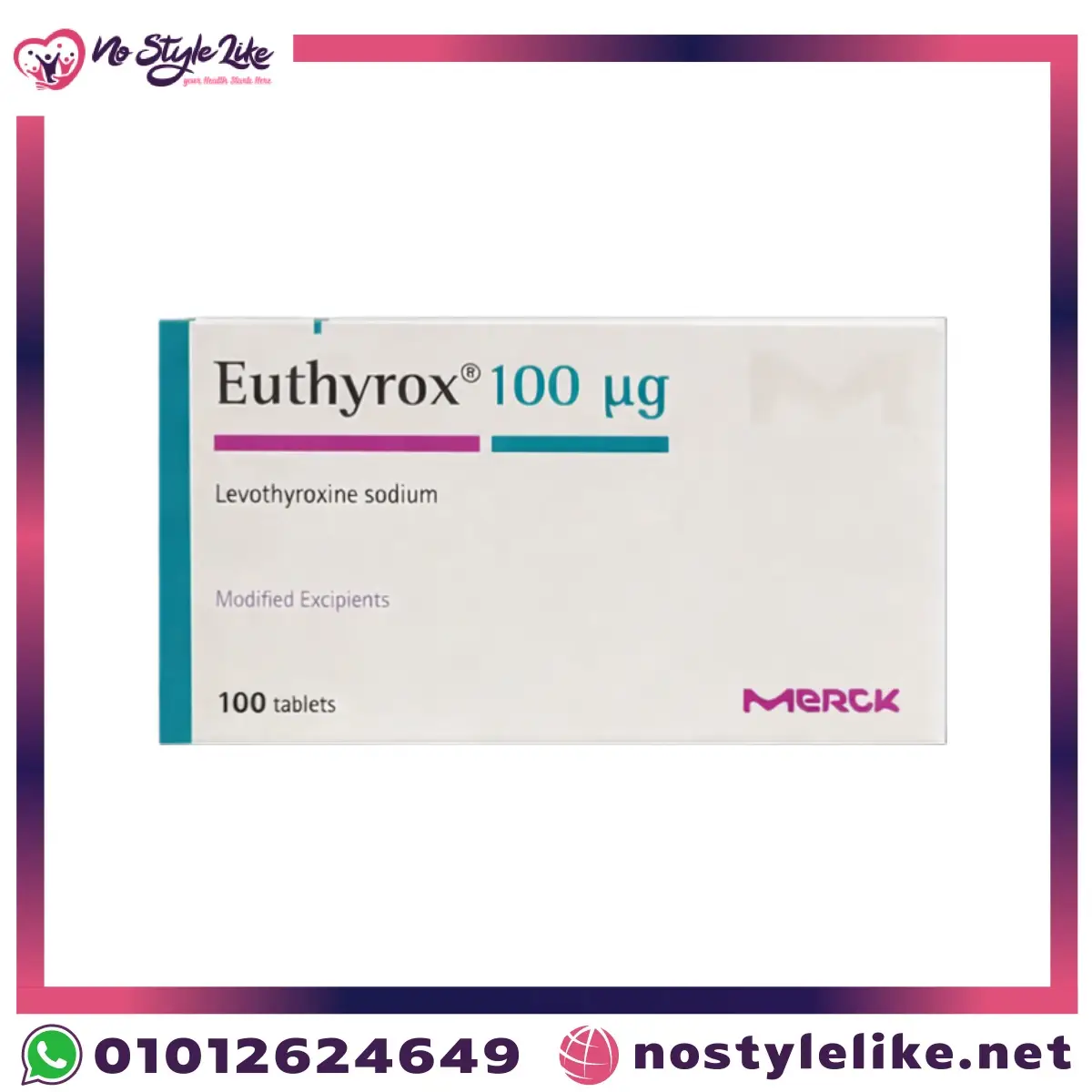
Euthyrox 100 mcg Tablets for Thyroid Hormone Regulation
EGP880
Euthyrox 100 mcg Tablets (Levothyroxine)
Key Facts
| Detail | Information |
|---|---|
| Product | Euthyrox 100 mcg tablets |
| Active ingredient | Levothyroxine sodium 100 micrograms (mcg) |
| Brand | Euthyrox (Merck) |
| Form | Tablets |
| Drug class | Thyroid hormone (T4) replacement |
| Main use | Underactive thyroid (hypothyroidism) |
| How taken | Once daily, empty stomach, as prescribed |
| Status | Prescription medicine — doctor-directed |
| Country of origin | Germany |
Short Description
Euthyrox 100 mcg is a well-known thyroid tablet containing 100 micrograms of levothyroxine, a synthetic form of the thyroid hormone thyroxine (T4). It is prescribed to replace or supplement thyroid hormone when the gland is underactive, helping to restore normal energy, metabolism, and body functions. The exact dose is individual and is decided by your doctor based on your thyroid blood tests.
Table of Contents
- Introduction
- What Is Euthyrox 100 mcg?
- How Does It Work?
- Main Benefits
- Real Use Cases
- Who Is It Best For?
- Who Should Be Cautious?
- How to Take It Correctly
- Best Time to Take It
- Common Questions Users Ask
- Expected Results Timeline
- Common Mistakes
- Myths vs Facts
- Drug & Food Interactions
- Contraindications & Warnings
- Tests You Will Need
- What to Take It With
- Effect on Other Medications
- When to See a Doctor
- NSL Expert Tip
- FAQ
- Conclusion
Introduction
When the thyroid gland does not make enough hormone, the whole body slows down — energy, weight, mood, temperature, and heart rate can all be affected. Euthyrox 100 mcg is one of the most widely used levothyroxine tablets for restoring healthy thyroid hormone levels. This page explains what it is, how it works, how to take it correctly, and the key safety rules for a medicine that must be dosed precisely under a doctor’s care.
What Is Euthyrox 100 mcg?
Euthyrox 100 mcg is a prescription tablet containing 100 micrograms of levothyroxine sodium, a synthetic version of thyroxine (T4) — the main hormone the thyroid gland produces. Because it is identical in action to your natural hormone, it is used as long-term replacement when the thyroid is underactive, or to top up levels after thyroid surgery or in certain thyroid conditions.
How Does Euthyrox 100 mcg Work?
Once absorbed, levothyroxine (T4) is converted in the body into the active hormone T3. Together they regulate metabolism — how your cells use energy — and support normal heart, brain, muscle, and digestive function. By restoring thyroid hormone to a healthy level, Euthyrox relieves the symptoms of an underactive thyroid and helps keep body systems running at their normal pace.
Main Benefits
- Restores thyroid levels: replaces the T4 your thyroid cannot make in enough amounts.
- Eases hypothyroid symptoms: supports normal energy, weight, mood, and temperature regulation.
- Precise strength: the 100 mcg tablet fits doctor-tailored dosing plans.
- Well-established: levothyroxine is a long-trusted, first-line thyroid treatment.
- Once daily: a simple, consistent routine when taken correctly.
Real Use Cases
Doctors prescribe levothyroxine such as Euthyrox 100 mcg for an underactive thyroid (hypothyroidism), for hormone replacement after all or part of the thyroid is removed, for certain types of goiter, and to keep hormone levels controlled in some thyroid conditions. The 100 mcg strength is often part of a personalized dose reached by fine-tuning based on blood tests.
Who Is It Best For?
It is for people diagnosed with hypothyroidism or another thyroid condition for which a doctor has prescribed levothyroxine at this strength. It is a long-term, once-daily medicine best suited to those who will take it consistently and attend their thyroid blood-test follow-ups. It is not suitable for self-treatment or for weight control.
Who Should Be Cautious?
- People with untreated heart disease, recent heart attack, or uncontrolled adrenal problems — tell your doctor first.
- Older adults and those with heart conditions, who usually start on a lower dose.
- People with an overactive thyroid (unless treating a specific condition under specialist care).
- Anyone allergic to levothyroxine or a tablet ingredient.
- Pregnant women — dose often needs adjusting, so close monitoring is essential.
How to Take It Correctly
Take Euthyrox exactly as prescribed — usually one tablet once daily in the morning, on an empty stomach, with a glass of water, and wait about 30–60 minutes before eating or drinking anything else. Take it at the same time every day, and do not change or stop the dose on your own. If you miss a dose, follow your doctor’s or pharmacist’s advice rather than doubling up.
Best Time to Take It
Morning on an empty stomach is the classic timing because food, coffee, and other medicines can reduce absorption. Some doctors allow a consistent bedtime dose (at least 3–4 hours after the last meal) if mornings are difficult — the key is to be consistent and to separate it from food and interfering products every day.
Common Questions Users Ask
Is Euthyrox the same as levothyroxine? Yes — Euthyrox is a brand of levothyroxine (T4).
Will it help me lose weight? No. Levothyroxine is a hormone replacement, not a weight-loss drug, and misuse is dangerous.
Do I take it forever? Often yes — hypothyroidism is usually lifelong, but your doctor decides based on your condition.
Expected Results Timeline
Levothyroxine works gradually. Some people notice more energy within a couple of weeks, but full effect and stable blood levels usually take about 4–6 weeks. Your doctor typically rechecks your thyroid (TSH) around 6–8 weeks after starting or changing a dose, then adjusts if needed. Patience and steady daily use matter more than a quick change.
Common Mistakes
- Taking it with food, coffee, calcium, or iron, which reduces absorption.
- Changing or stopping the dose without medical advice.
- Switching brands without telling the doctor, as small differences can matter.
- Skipping the follow-up TSH blood tests.
- Using it to try to lose weight — a serious and unsafe misuse.
Myths vs Facts
| Myth | Fact |
|---|---|
| “Thyroid tablets are a diet aid.” | Levothyroxine is hormone replacement; using it for weight loss is dangerous. |
| “If I feel fine I can stop.” | Stopping without advice can bring back hypothyroid symptoms; dose changes are a doctor’s decision. |
| “Any time of day is fine.” | Timing and an empty stomach affect absorption and your results. |
Drug & Food Interactions
Several things reduce levothyroxine absorption if taken too close together: calcium and iron supplements, antacids, some acid-reducing medicines (like PPIs), certain cholesterol binders, soy products, and coffee — separate these by about 4 hours. It can also interact with blood thinners (warfarin), some diabetes and epilepsy medicines, and estrogen. Always give your doctor a full list of what you take.
Contraindications & Warnings
Do not use if you have untreated overactive thyroid (thyrotoxicosis), untreated adrenal insufficiency, or a known allergy to levothyroxine. Use with caution and medical supervision if you have heart disease, high blood pressure, diabetes, or are elderly or pregnant. Signs the dose may be too high include a racing heart, tremor, sweating, weight loss, and difficulty sleeping; signs it may be too low include tiredness, weight gain, and feeling cold. Report these to your doctor. Keep out of reach of children.
Tests You Will Need
Thyroid function blood tests — mainly TSH, and sometimes free T4 — are essential to set and monitor your dose. Expect a check a few weeks after starting or adjusting, then periodically once stable (often every 6–12 months). Pregnancy, illness, weight change, and new medicines can all be reasons to test sooner.
What to Take It With
Take Euthyrox with plain water only, on an empty stomach. Keep it away from coffee, milk, calcium- or iron-rich foods and supplements, and antacids for several hours. A consistent daily routine — same time, same empty-stomach conditions — gives the most reliable hormone levels.
Effect on Other Medications
Levothyroxine can change how some medicines work and vice versa. It may increase the effect of blood thinners, alter insulin or oral diabetes medicine needs, and its own absorption can be lowered by many supplements and stomach medicines. Never start or stop other medicines around it without checking with your doctor or pharmacist.
When to See a Doctor
Contact your doctor if you have chest pain, a fast or irregular heartbeat, severe headache, marked anxiety or tremor, or ongoing tiredness and weight change — these can signal the dose needs adjusting. Also check in if you become pregnant, start a new medicine or supplement, or your symptoms change. Seek urgent help for any allergic reaction such as rash, swelling, or trouble breathing.
NSL Expert Tip
Build a simple daily habit: keep the pack by your bedside with a glass of water, take your tablet on waking, then wait before your morning coffee or breakfast. Keep taking the same brand unless your doctor changes it, store the tablets in a cool, dry place, and never skip your follow-up blood tests — they are how the right dose is found and kept.
Frequently Asked Questions
What is Euthyrox 100 mcg used for?
Euthyrox 100 mcg is a levothyroxine (thyroid hormone) tablet used mainly to treat an underactive thyroid and to replace thyroid hormone when needed, as prescribed by a doctor.
How should I take Euthyrox 100 mcg?
Usually one tablet once daily in the morning on an empty stomach with water, waiting 30–60 minutes before food, exactly as your doctor directs.
Can I stop Euthyrox once I feel better?
No — hypothyroidism is usually long-term. Any change must be decided by your doctor based on blood tests.
Does Euthyrox 100 mcg cause weight loss?
Euthyrox 100 mcg is not a weight-loss medicine. Restoring normal thyroid levels may ease symptoms, but using it for weight loss is unsafe.
What if I miss a dose?
Follow your doctor’s or pharmacist’s advice; generally do not take two doses together to make up for a missed one.
Conclusion
Euthyrox 100 mcg is a trusted levothyroxine tablet for restoring healthy thyroid hormone levels in hypothyroidism and related conditions. Taken correctly — once daily on an empty stomach, at a dose your doctor sets and monitors with blood tests — it helps the body return to its normal pace. Order genuine Euthyrox 100 mcg from No Style Like, and always use it under medical supervision.
Reviewed by the No Style Like pharmacy content team. This information is educational and is not a substitute for professional medical advice. Euthyrox (levothyroxine) is a prescription medicine that must be dosed and monitored by a doctor; do not start, stop, or change it on your own. Trusted reference: MedlinePlus (levothyroxine).
The information provided on this page is for educational and informational purposes only and is not a substitute for professional medical advice. Do not use any medication or dietary supplement without consulting your doctor or licensed pharmacist. Read the full medical disclaimer policy
✅ This content has been reviewed by Dr. Abdallah Fouad — Clinical Nutrition Specialist (25+ years of experience).