


Description
Quick answer: NOW Zinc 50 mg is a high-dose zinc supplement that supports immune function and many other processes. The key point to understand: 50 mg is above the recommended daily upper limit for adults, and taking high-dose zinc long-term can cause copper deficiency. It is best used short-term or under guidance, not as an open-ended daily habit.
⚠️ Central safety rule: NOW Zinc provides 50 mg per tablet, which is above the recommended daily upper limit of 40 mg for adults. Taking high-dose zinc for a long time can cause copper deficiency and may impair immunity. Do not take 50 mg zinc long-term without medical advice, avoid combining it with other zinc sources, and keep within recommended limits.
Key facts about NOW Zinc 50 mg
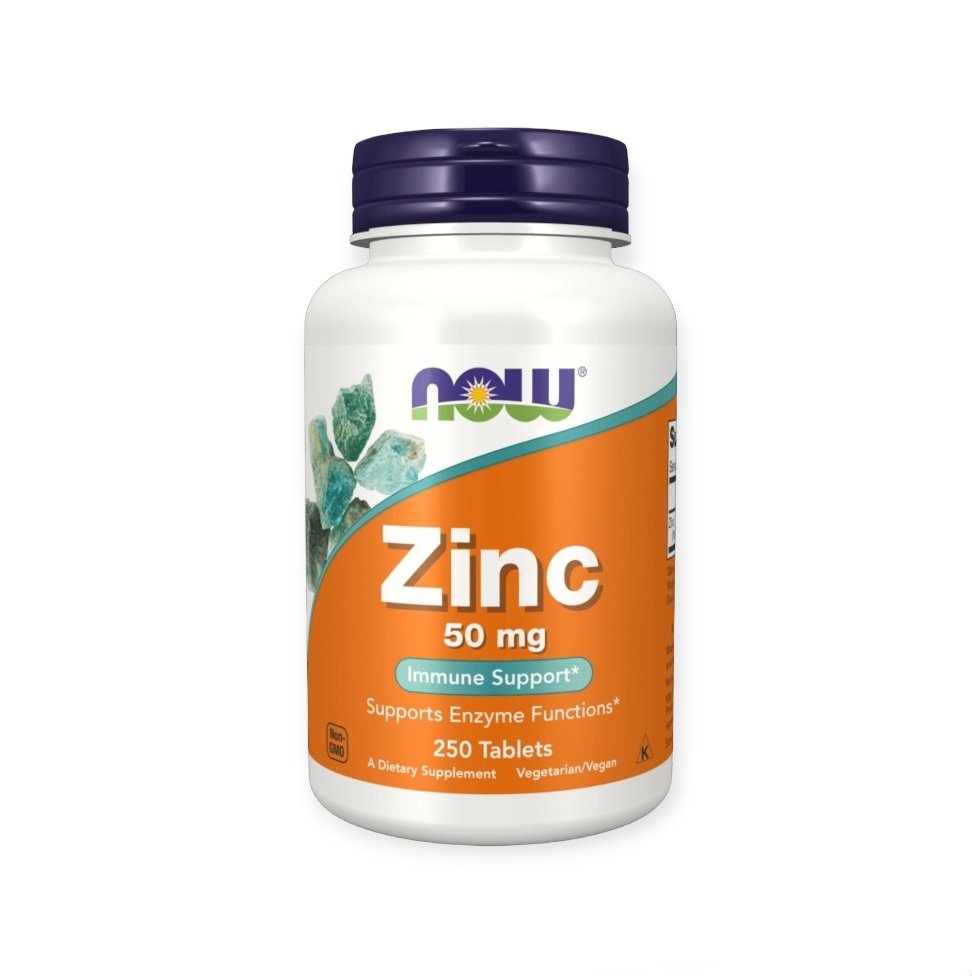
| Product | NOW Zinc 50 mg, 250 tablets |
| Type | High-dose zinc mineral supplement |
| Supports | Immune function, wound healing, taste, many enzymes |
| Key caution | 50 mg exceeds the 40 mg adult daily upper limit |
| Long-term risk | Copper deficiency from prolonged high-dose zinc |
| Safer use | Short-term or under medical guidance |
What is NOW Zinc 50 mg?
NOW Zinc 50 mg is a mineral supplement providing 50 mg of zinc per tablet, with 250 tablets per bottle. Zinc is an essential mineral involved in immunity, wound healing, taste and smell, and hundreds of enzyme reactions. This is a high-dose product, and while zinc is genuinely important, the amount per tablet is the main thing to understand before taking it regularly.
What zinc does in the body
Zinc supports the normal function of the immune system, helps wounds heal, contributes to normal taste, vision and skin, and is needed for making DNA and proteins. Because it is involved in so many processes, a genuine zinc deficiency can affect immunity, appetite and healing. This importance is what drives zinc’s popularity, especially for immune support.
The important dosing caution
Here is the key point. For adults, the recommended upper limit for zinc from all sources is around 40 mg per day, and this product provides 50 mg per tablet — above that limit. According to the NIH Office of Dietary Supplements zinc fact sheet, regularly exceeding the upper limit can cause problems. A high dose may be used briefly, such as during a cold, but taking 50 mg every day indefinitely is not advisable without medical guidance.
Why too much zinc causes copper deficiency
Zinc and copper compete for absorption in the gut, so taking high-dose zinc for a long time can gradually reduce the body’s copper, leading to copper deficiency. This can cause anaemia, low white blood cells and, in severe cases, nerve problems. Paradoxically, very high zinc can also impair immunity rather than boost it. This is why long-term high-dose zinc needs real caution.
Zinc and colds — the honest picture
Zinc is popular for colds, and there is some evidence that zinc taken promptly at the onset of a cold may modestly shorten its duration. However, this is a short-term, time-limited use, not a reason to take high-dose zinc every day. Daily high-dose zinc for general “immunity” is not supported and carries the copper risk described above.
Who might need zinc
People with genuinely low zinc — due to poor diet, certain digestive conditions, or higher needs — may benefit from supplementation, ideally at a sensible dose. For most people eating a varied diet including meat, shellfish, legumes, nuts and wholegrains, zinc intake is adequate. Matching the dose to need, rather than taking the highest available, is the sensible approach.
How to use it more safely
If you use this product, consider it for short-term purposes or take it less frequently than daily to stay within safe limits, and take it with food to reduce stomach upset, though not at the same time as high-fibre or high-calcium meals that reduce absorption. Avoid combining it with a multivitamin or other supplement that also contains zinc, and involve a doctor for any long-term use.
Interactions and cautions
Zinc can reduce the absorption of certain antibiotics (such as tetracyclines and quinolones) and can interact with some other medicines, so space doses apart and check with a pharmacist. If you take copper, iron, or other mineral supplements, be aware of the balance between them. Anyone with a health condition or on regular medication should seek advice before taking high-dose zinc.
Food sources of zinc
Zinc is well supplied by foods such as meat, shellfish (oysters are especially rich), legumes, seeds, nuts and wholegrains. A varied diet meets most people’s needs without supplementation. This makes routine high-dose zinc unnecessary for the majority and reinforces the value of food first.
Storage and quality notes
Keep the bottle tightly closed in a cool, dry place away from direct sunlight, and out of reach of children. Check the expiry date and buy from a reputable retailer. Be mindful of the 50 mg dose and of any other supplements you take that also contain zinc.
Expert note
Dr. Abdallah Fouad — Clinical Nutrition Specialist, 25+ years of experience: Zinc is a genuinely important mineral, but this is a high-dose product and I want you to respect that. Fifty milligrams is above the 40 mg daily upper limit for adults, and taking high-dose zinc day after day can cause copper deficiency and even impair the immunity people are trying to boost. Short-term use — such as at the very start of a cold — is reasonable, but for anything ongoing, take it less than daily or at a lower dose, avoid stacking it with multivitamins that also contain zinc, and involve a doctor. For most people, a varied diet covers zinc comfortably.
Frequently asked questions
Is 50 mg of zinc too much?
For daily use, it is above the recommended adult upper limit of 40 mg from all sources. A high dose may be reasonable briefly, but taking 50 mg every day long-term is not advisable without medical guidance.
Can too much zinc be harmful?
Yes. Prolonged high-dose zinc can cause copper deficiency, leading to anaemia, low white blood cells and, in severe cases, nerve problems. Very high zinc can also impair rather than boost immunity.
Does zinc help with colds?
There is some evidence that zinc taken promptly at the onset of a cold may modestly shorten it. This is a short-term use, not a reason to take high-dose zinc every day.
How should I take NOW Zinc 50 mg safely?
Consider short-term use or taking it less than daily to stay within limits, take it with food, avoid stacking it with other zinc-containing supplements, and involve a doctor for long-term use.
Do I need a zinc supplement?
Most people meet their needs through a varied diet including meat, shellfish, legumes, nuts and wholegrains. Supplementation is mainly for those with low intake or higher needs, ideally at a sensible dose.
References
- NIH Office of Dietary Supplements — Zinc fact sheet, including the upper limit.
- Evidence on zinc for the common cold and on zinc-induced copper deficiency.
- Guidance on zinc–medication interactions and safe supplementation.
Bottom line
NOW Zinc 50 mg is a high-dose zinc supplement, and the essential message is caution: 50 mg exceeds the adult daily upper limit, and prolonged high-dose zinc can cause copper deficiency and even impair immunity. Reserve high-dose zinc for short-term use, avoid stacking it with other zinc sources, involve a doctor for long-term use, and rely on a varied diet, which covers zinc for most people.

Reviews
There are no reviews yet.