




Description

Genesisvit Magnesium is available at No Style Like. Below you will find full details on its benefits, uses, dosage, and important precautions.
Quick answer: Genesisvit Magnesium 500 mg is a magnesium supplement that supports normal muscle and nerve function, bones and energy metabolism. It is useful when dietary magnesium is low, but be aware that higher magnesium doses commonly loosen the stools, so start sensibly and follow the label.
Key facts about Genesisvit Magnesium
| Product | Genesisvit Magnesium 500 mg, 100 tablets |
| Type | Magnesium mineral supplement |
| Supports | Muscle and nerve function, bones, energy metabolism |
| Common effect | Loose stools at higher doses |
| Suggested use | Follow the label; take with food |
| Caution | Kidney disease — seek medical advice before use |
What is Genesisvit Magnesium?
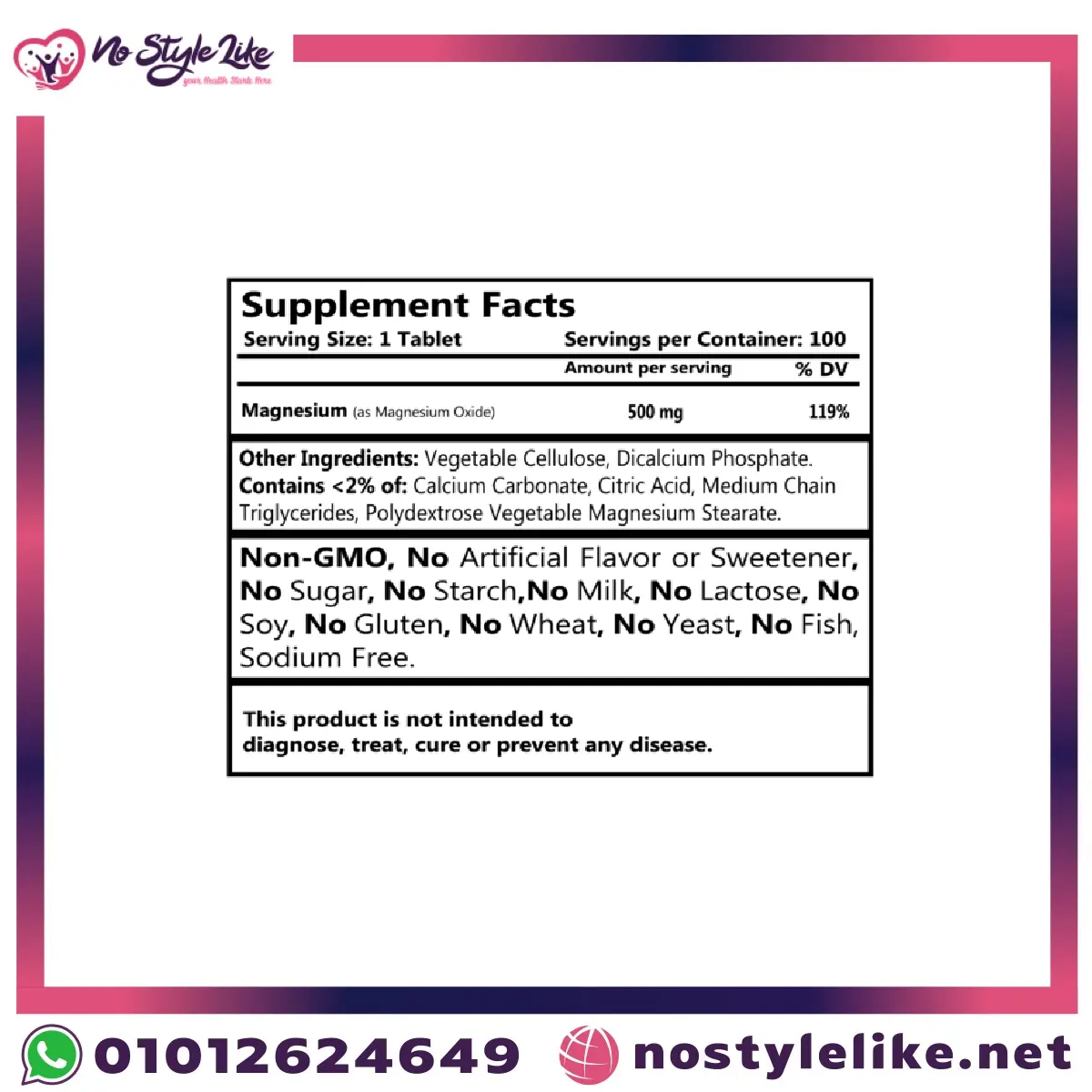
Genesisvit Magnesium 500 mg is a mineral supplement providing magnesium, an essential mineral involved in hundreds of processes in the body. Each bottle contains 100 tablets. It is aimed at adults who want to support normal muscle, nerve and bone function, or who suspect their diet is low in magnesium. As with any mineral, it works best filling a genuine gap rather than as a routine for everyone.
What magnesium does in the body
Magnesium is a workhorse mineral. It contributes to normal muscle and nerve function, supports bones and teeth, helps convert food into energy, and plays a role in the normal functioning of the heart. Because it is involved in so many systems, a genuine shortfall can show up as muscle cramps, fatigue or other non-specific symptoms — though these have many possible causes.
Who might be low in magnesium
Many people get enough magnesium from foods such as nuts, seeds, wholegrains, legumes and leafy greens. However, diets low in these foods, certain medical conditions, some medications, and heavy alcohol use can lower magnesium levels. According to the NIH Office of Dietary Supplements magnesium fact sheet, supplements can help those with low intake or increased needs, but they are not necessary for everyone.
Understanding the 500 mg on the label
A useful point to understand: the amount on the label often refers to the magnesium compound, and the amount of actual elemental magnesium may be lower, depending on the form used. This matters because the body’s needs and safe limits are expressed as elemental magnesium. It is one reason to follow the product’s own dosing guidance rather than assuming 500 mg equals 500 mg of elemental magnesium.
The loose-stool caution
The most common and predictable effect of magnesium supplements is a laxative one: higher doses draw water into the bowel and can cause loose stools or diarrhoea. This is why supplemental magnesium has a recommended upper limit, and why it is wise to start at a modest dose and take it with food. If your stools loosen, that is a signal to reduce the dose.
How to take it
Follow the label, taking magnesium with food to improve comfort and tolerance. Splitting the dose can reduce the laxative effect compared with taking it all at once. Space magnesium away from certain medicines, as it can affect their absorption, and do not exceed the recommended amount in the hope of a stronger benefit.
Safety and who should be cautious
Magnesium is safe for most healthy adults at sensible doses, but people with kidney disease must be cautious, because impaired kidneys cannot clear excess magnesium and it can build up dangerously — they should only use it under medical supervision. Anyone with a heart condition or on regular medication should also check first. Seek advice if you are pregnant or breastfeeding.
Interactions to be aware of
Magnesium can reduce the absorption of some medicines, including certain antibiotics (such as tetracyclines and quinolones) and bisphosphonates for bones, if taken at the same time. It can also add to the effect of some medications. If you take regular medicine, ask a pharmacist how to space your doses, or check before starting.
Food sources first
Whole foods remain the best source of magnesium and come with other nutrients and fibre. Nuts, seeds, wholegrains, beans, lentils and dark leafy greens are all rich sources. Building these into your diet can meet most people’s needs, with a supplement reserved for filling a real gap rather than replacing good eating.
Storage and quality notes
Keep the bottle tightly closed in a cool, dry place away from direct sunlight, and out of reach of children. Check the expiry date and buy from a reputable retailer. If you are choosing between products, note the form of magnesium and the elemental content rather than just the number on the front.
Expert note
Dr. Abdallah Fouad — Clinical Nutrition Specialist, 25+ years of experience: Magnesium is a genuinely useful supplement for people whose diet is low in nuts, seeds, wholegrains and greens, and it supports muscles, nerves and bones. Two practical points I stress: the number on the label is often the compound, not elemental magnesium, so follow the product’s dosing; and higher doses reliably loosen the stools, so start modestly and take it with food. If you have kidney disease, do not take it without medical advice, and space it away from antibiotics and bone medicines. For most people, though, a plate of nuts, beans and greens does much of the job.
Frequently asked questions
What is Genesisvit Magnesium used for?
It supports normal muscle and nerve function, bones and energy metabolism, and helps when dietary magnesium is low. It is best used to fill a genuine gap rather than routinely by everyone.
Why does magnesium cause diarrhoea?
Higher doses draw water into the bowel, producing a laxative effect. Starting at a modest dose, splitting it, and taking it with food reduces this; loose stools are a signal to lower the dose.
How do I take it?
Follow the label, take it with food, and consider splitting the dose. Space it away from certain medicines, and do not exceed the recommended amount.
Who should not take magnesium supplements?
People with kidney disease must avoid them unless supervised, as excess magnesium can build up dangerously. Those with heart conditions or on medication, and anyone pregnant, should check with a doctor first.
Can I just get magnesium from food?
For many people, yes. Nuts, seeds, wholegrains, beans, lentils and leafy greens are rich sources and come with other nutrients. A supplement is best reserved for filling a real dietary gap.
References
- NIH Office of Dietary Supplements — Magnesium fact sheet.
- NHS — Magnesium: food sources and safe supplement use.
- Guidance on magnesium–medication interactions and use in kidney disease.
Bottom line
Genesisvit Magnesium 500 mg is a useful magnesium supplement for adults whose diet is low in magnesium-rich foods, supporting muscles, nerves and bones. Follow the product’s dosing since the label often reflects the compound rather than elemental magnesium, start modestly to avoid loose stools, space it away from certain medicines, and avoid it without medical advice if you have kidney disease.
Related Products & Useful Resources
You may also like related products such as Puritan’s Pride Magnesium 250 mg 1 , Fusion Plus Mesotherapy injection: You G from our store.
For more trusted medical information, refer to MedlinePlus. Always consult your doctor or pharmacist before use.
Reviews
There are no reviews yet.