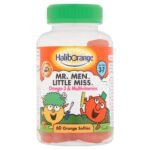

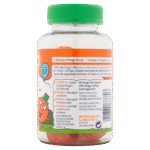
Haliborange Omega 3 Multivitamins 60 Softies for Kids 2026
EGP635
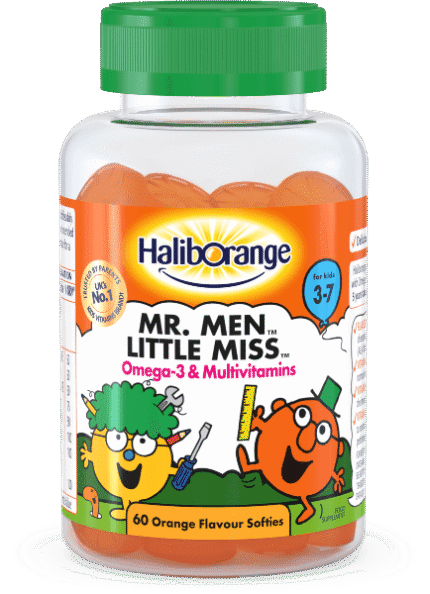
Haliborange Omega 3 Multivitamins (60 orange softies) are chewable omega-3 and multivitamin supplements for children. They can help fussy eaters or those low in oily fish, but most children who eat well may not need them, and the softies must be stored safely away from children.
Out of stock
Quick answer: Haliborange Omega 3 Multivitamins are chewable softies for children combining omega-3 with a range of vitamins. They can help children who are fussy eaters or eat little oily fish, but most children on a varied diet get what they need from food. Because the softies taste pleasant, give only the labelled dose and store them out of reach.
⚠️ Central safety rule: These softies taste pleasant and can look like a treat to a child. Give only the amount on the label for your child’s age, store the bottle out of reach and sight, and seek advice if a child eats a large number at once. Do not give alongside another multivitamin or omega-3 product without checking, to avoid doubling up.
Key facts about Haliborange Omega 3 Multivitamins
| Product | Haliborange Omega 3 Multivitamins, 60 orange softies |
| Type | Children’s omega-3 and multivitamin (chewable) |
| Provides | Omega-3 with a range of vitamins for children |
| Best for | Fussy eaters or children low in oily fish |
| Key safety rule | Give only the labelled dose; store away from children |
| Most children | Get what they need from a varied diet |
What are Haliborange Omega 3 Multivitamins?
Haliborange Omega 3 Multivitamins are chewable supplements for children, combining omega-3 fatty acids with a range of vitamins in a soft, orange-flavoured form. Each bottle contains 60 softies. They are designed to support children’s general nutrition, particularly where a child eats little oily fish or is a fussy eater. As with all children’s supplements, they should be given carefully and stored well away from young children.
Why omega-3 and vitamins matter for children
Omega-3 fatty acids, especially DHA, are important building blocks for a child’s developing brain and eyes, and many children eat little of the oily fish that provides them. Alongside this, vitamins support normal growth, immunity and energy. A combined product aims to help fill these common gaps, which is a reasonable role for a children’s supplement when diet falls short.
Do children actually need them?
Here is the honest answer: most children who eat a reasonably varied diet get what they need from food and do not require a supplement. According to the NHS guidance on vitamins for children, the vitamins children may benefit from supplementing are mainly vitamins A, C and D in certain age groups, with omega-3 best obtained from oily fish. These softies are most useful for genuinely fussy eaters or those who eat little fish, rather than as a routine for every child.
Who benefits most
Children who are picky eaters, who eat little or no oily fish, or who have limited diets are the ones most likely to benefit. For a child already eating a good variety of foods, the added value is modest. The aim should always be to improve the diet over time, with a supplement as a helpful bridge rather than a permanent substitute for real food.
How to give them safely
Give the exact number of softies stated on the label for your child’s age, under adult supervision. Hand them to your child yourself rather than letting them help themselves, and put the bottle straight back in its safe place. If your child takes another multivitamin or omega-3 product, check you are not doubling up, which could push some nutrients too high.
The safe-storage rule
This is the most important practical point. Chewable children’s supplements taste pleasant and can be mistaken for sweets, which makes them a common cause of accidental overconsumption. Keep the bottle closed and out of reach and sight, give only the labelled dose, and never describe them to a child as sweets. Treat them as a supplement to be supervised, not a treat.
Sugar and dental health
Chewable softies may contain sugar or sweeteners, which can contribute to tooth decay if teeth are not cleaned. Give them with or after a meal rather than at bedtime, encourage tooth brushing, and factor any sugar into your child’s overall intake. This is another reason to stick to the recommended dose rather than treating them as an anytime snack.
Safety and allergies
Because the product contains omega-3 from fish, avoid it if your child has a fish allergy, and check the label for other allergens. It is generally well tolerated otherwise. If your child has a health condition, takes medication, or is very young, check with a doctor or pharmacist before starting, and follow the age guidance on the pack.
Diet first for children
The most reliable way to support a child’s nutrition is a varied diet: a range of fruit and vegetables, oily fish where the child will eat it, whole grains and protein. A supplement can help bridge specific gaps, but good eating habits, established early, do far more for a child’s long-term health than any softie.
⚠️ Safe storage — a critical rule for children’s products
Children’s chewable supplements are a common cause of accidental overconsumption because they taste good. Keep Haliborange softies tightly closed, stored high or locked away, and completely out of children’s sight and reach. Give only the labelled dose, never call them sweets, and contact a doctor if a child eats a large amount at once.
Expert note
Dr. Abdallah Fouad — Clinical Nutrition Specialist, 25+ years of experience: A children’s omega-3 multivitamin like Haliborange can genuinely help a fussy eater or a child who won’t touch oily fish, and omega-3 does matter for a developing brain. But two honest points: most children who eat a varied diet don’t need a supplement, and — importantly — these softies taste good and can look like sweets to a child, so give only the labelled dose and keep them locked away. Check for a fish allergy, don’t double up with other multivitamins, and remember that a varied diet, established early, does far more than any supplement.
Frequently asked questions
Do children need Haliborange Omega 3 Multivitamins?
Most children who eat a varied diet get what they need from food. These softies are most useful for fussy eaters or children who eat little oily fish, rather than as a routine for every child.
How many softies should my child have?
Give only the number stated on the label for your child’s age, under adult supervision. Never let a child help themselves, and check you are not doubling up with another multivitamin or omega-3 product.
Are they safe if my child has allergies?
They contain omega-3 from fish, so avoid them if your child has a fish allergy, and check the label for other allergens. Ask a doctor or pharmacist first if your child has any health condition.
How should I store them?
Keep them tightly closed, high up or locked away, and completely out of a child’s reach and sight, because they taste pleasant. Give only the labelled dose and never call them sweets.
Can they replace a healthy diet?
No. They can bridge specific gaps for a fussy eater, but a varied diet with fruit, vegetables, oily fish, whole grains and protein does far more for a child’s long-term health.
References
- NHS — Vitamins for children: who needs them and safe use.
- Guidance on omega-3 (DHA) and children’s brain development.
- Poison prevention guidance on children’s chewable supplements.
Bottom line
Haliborange Omega 3 Multivitamins are convenient chewable softies that can help children who are fussy eaters or eat little oily fish, combining omega-3 with a range of vitamins. Most children on a varied diet do not need them, so use them to bridge genuine gaps, watch for fish allergy, avoid doubling up with other supplements, and store them safely out of reach because they taste like a treat.
The information provided on this page is for educational and informational purposes only and is not a substitute for professional medical advice. Do not use any medication or dietary supplement without consulting your doctor or licensed pharmacist. Read the full medical disclaimer policy
✅ This content has been reviewed by Dr. Abdallah Fouad — Clinical Nutrition Specialist (25+ years of experience).