


Description
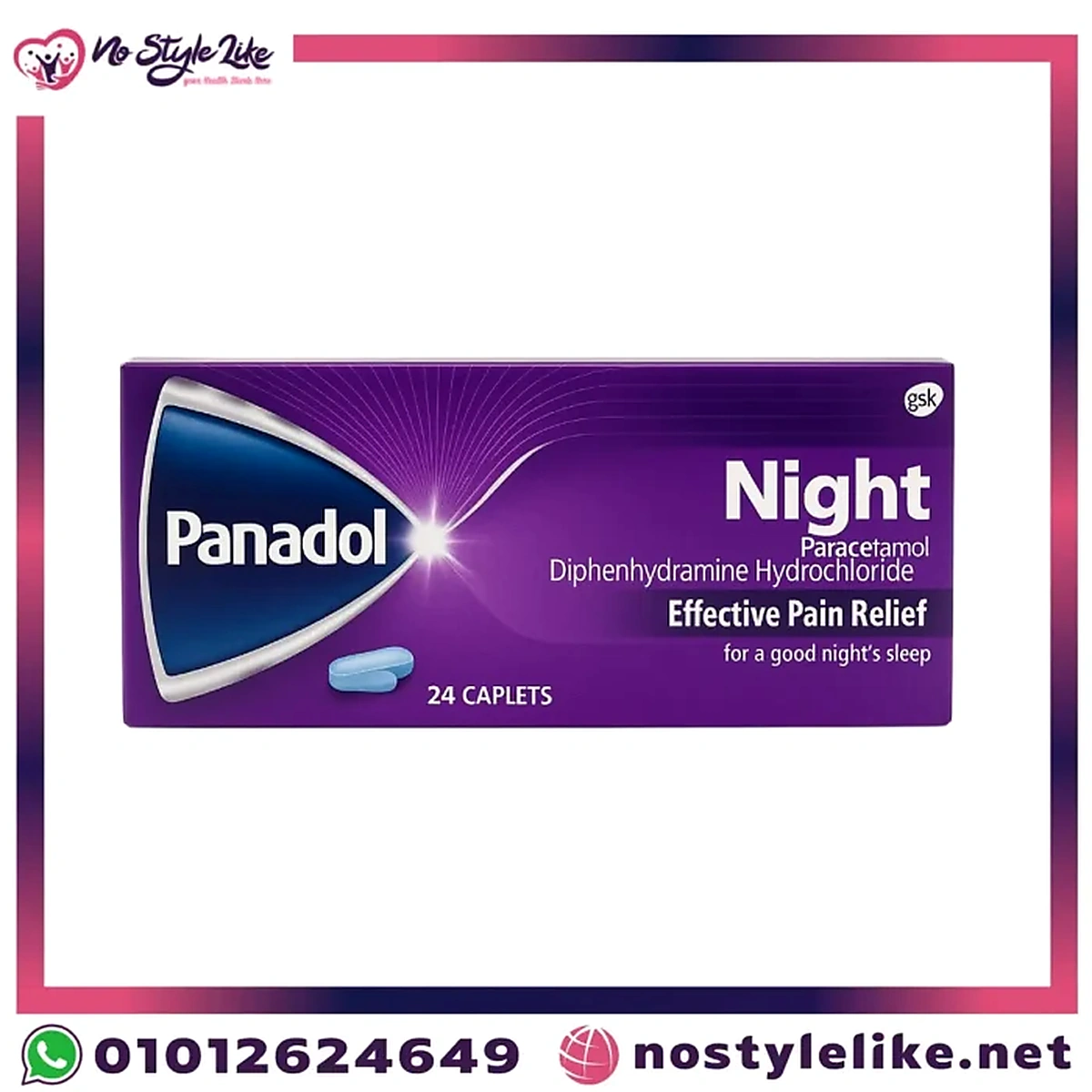
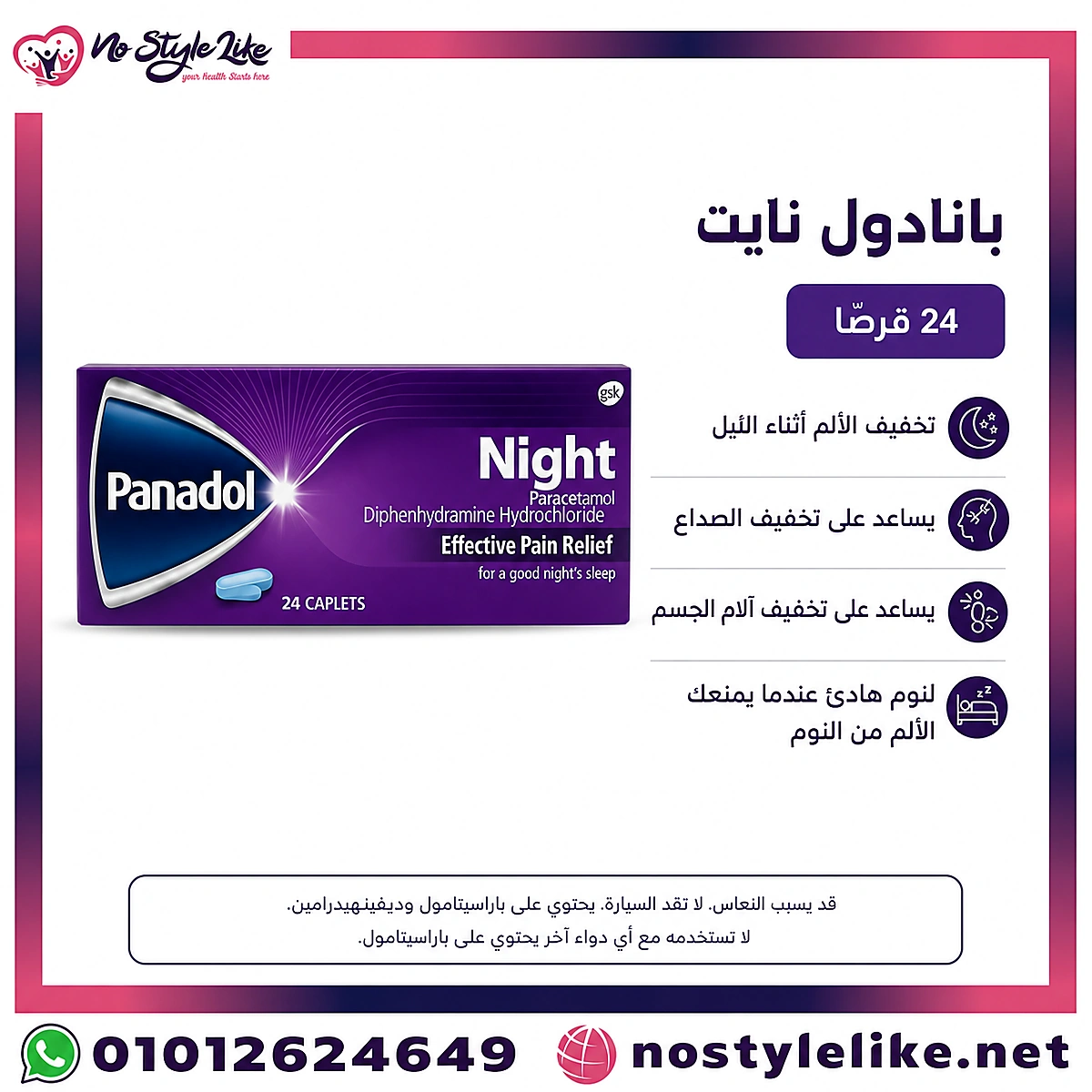
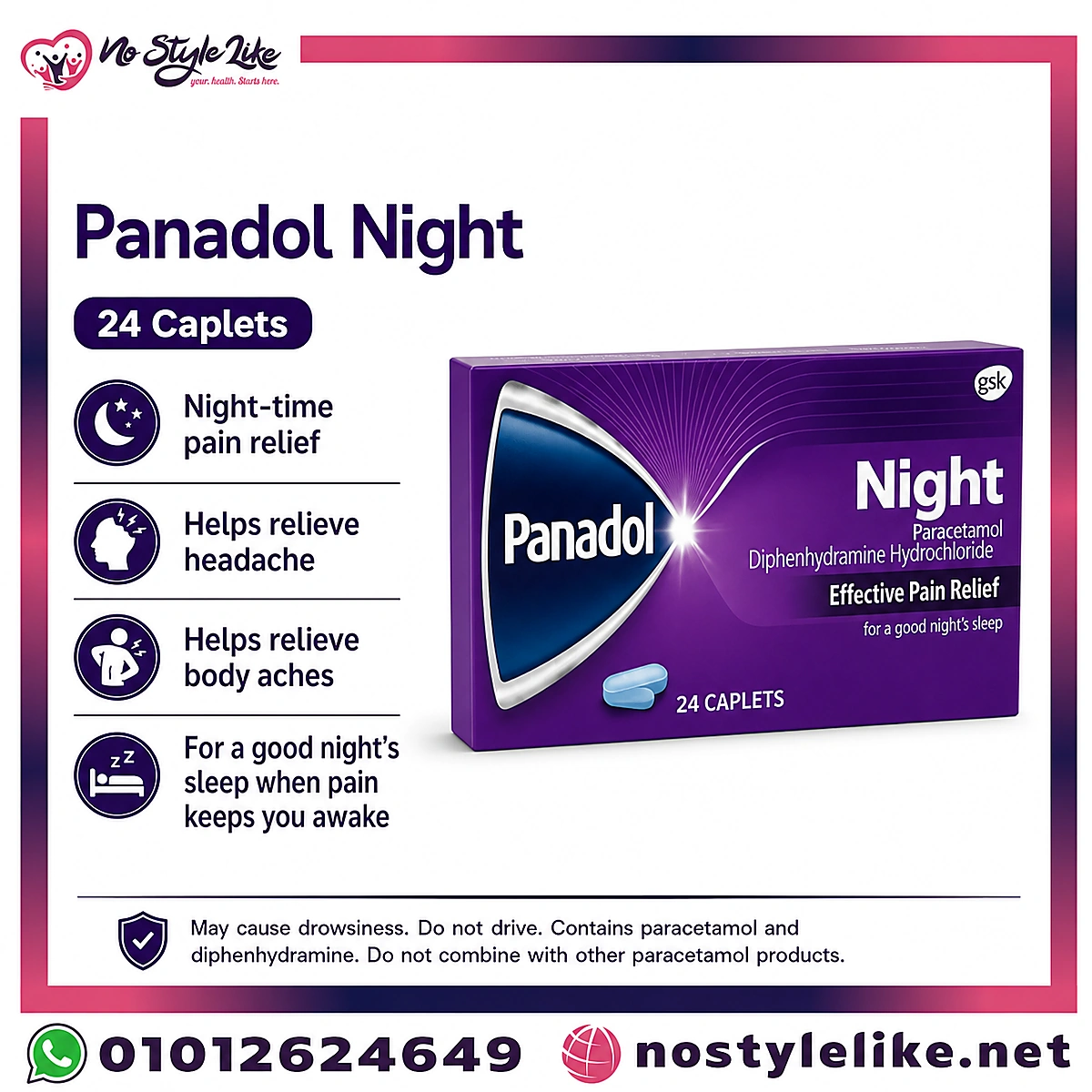
Panadol Night 24 Tablets — Nighttime Pain Relief & Restful Sleep Aid

Key Facts About Panadol Night
Short description: Panadol Night is a practical over-the-counter option for anyone whose nighttime pain keeps them awake, relieving the pain and calming the body in a single tablet to support quiet, uninterrupted sleep. It is for short-term, when-needed use only because it contains a sedating antihistamine that causes drowsiness.
Table of Contents
- Introduction to Panadol Night
- What Is Panadol Night?
- How Does Panadol Night Work?
- Key Benefits of Panadol Night
- Real-World Use Cases
- Who Is Panadol Night For?
- Who Should Avoid It?
- Correct Use and Dosage
- Best Time to Take It
- Expected Time to Improvement
- Common Mistakes
- Myths vs Facts
- Drug Interactions
- Contraindications and Warnings
- Tests and Investigations
- What to Take Alongside It
- Does It Affect Other Medicines?
- When to See a Doctor
- NSL Expert Tip
- Frequently Asked Questions
- Conclusion
Introduction to Panadol Night
Many people suffer at night from pain that keeps them awake: a headache after a long day, back or muscle pain, toothache, or period cramps. The problem is that the pain is not just annoying; it robs the body of the deep sleep it needs to recover. This is where Panadol Night comes in, designed specifically for nighttime use: it combines an effective pain reliever with a sedating ingredient that helps you relax and fall asleep, treating both problems in a single tablet.
Panadol Night carries the well-known Panadol name, recognised for the safety of paracetamol when the dose is respected, with the added sedating diphenhydramine. But because it causes drowsiness, using it requires care: a set time before bed, a dose that does not exceed the recommended amount, and staying away from driving and alcohol. In the sections below we explain its composition, how it works, when it suits you and when to be cautious, in clear language based on the product leaflet and reputable medical sources.
What Is Panadol Night?
Panadol Night is a combination medicine available without a prescription to relieve short-term pain accompanied by difficulty sleeping. Each tablet contains two active ingredients:
- Paracetamol 500 mg: a pain reliever and fever reducer that eases headache, back, dental and muscle pain, and period pain.
- Diphenhydramine hydrochloride 25 mg: a first-generation antihistamine with a sedating effect that reduces wakefulness, helps you fall asleep, and eases the sleeplessness that comes with pain.
The pack contains 24 tablets — enough for short-term, when-needed use. Unlike ordinary Panadol or Panadol Sinus, Panadol Night deliberately causes drowsiness because that is its purpose, which is why it is reserved for nighttime use only.
How Does Panadol Night Work?
The idea behind Panadol Night lies in the teamwork between its two components, which address two different aspects of the nighttime pain problem:
The role of paracetamol: It acts on the central nervous system, raising the pain threshold and influencing the temperature-regulating centre, so it eases headache and body aches and lowers a raised temperature. It is among the gentlest pain relievers on the stomach when taken at the correct dose.
The role of diphenhydramine: It is a sedating antihistamine that crosses into the brain and blocks the histamine receptors responsible for wakefulness, producing a feeling of drowsiness and relaxation that helps you start sleeping. It also has anticholinergic properties that may cause dry mouth and mild blurred vision.
Through this synergy, Panadol Night first relieves the pain and then prepares the body for sleep, so the person gets a continuous night’s rest instead of a wakeful night because of the pain.
Key Benefits of Panadol Night
- Effective relief for headache, migraine and evening head pain.
- Eases back, neck, muscle and joint pain.
- Relieves dental and gum pain and period pain.
- Lowers the raised temperature that comes with colds.
- Supports deep, quiet sleep thanks to the sedating effect of diphenhydramine.
- A dual solution in a single tablet, avoiding the need to combine a separate painkiller and sleep aid.
Real-World Use Cases
To make it clearer, here are situations where Panadol Night is a sensible choice for temporary nighttime use:
- Headache after a long working day: someone exhausted with a headache that keeps them awake; Panadol Night relieves the pain and helps them sleep.
- Nighttime toothache: sudden tooth pain before bed while waiting for a dentist appointment; it eases the pain temporarily and helps with rest.
- Period cramps: lower abdominal and back pain that disrupts sleep; the tablet combines pain relief with a sleep aid.
In all of these cases the medicine remains a temporary treatment for the symptoms rather than a cure for the root cause, and is used for only a few nights; if the sleeplessness or pain persists, a doctor should be consulted.
Who Is Panadol Night For?
Panadol Night suits adults and those over 16 who have temporary nighttime pain that keeps them awake and who need pain relief together with a sleep aid at the same time. It is for evening, when-needed use only, not a permanent daily treatment. Anyone who has only daytime pain without sleeplessness is better suited to an ordinary pain reliever without a sedating ingredient, such as plain paracetamol or regular Panadol.
Who Should Avoid It?
Caution or avoidance of Panadol Night — with a doctor consulted first — applies in the following cases because of the sedating, anticholinergic diphenhydramine:
- Children and adolescents under 16 (it is not suitable for them).
- Anyone who will drive or operate machinery, or who needs to be alert soon after waking.
- Anyone taking alcohol, sedatives, sleeping tablets or other CNS depressants.
- People with glaucoma, an enlarged prostate or urinary retention.
- People with liver or kidney disease, and those who drink alcohol heavily, because of the paracetamol.
- People with asthma or chronic breathing problems, and epilepsy.
- Older adults (risk of dizziness, falls and confusion).
- Pregnant and breastfeeding women except on medical advice.
Correct Use and Dosage
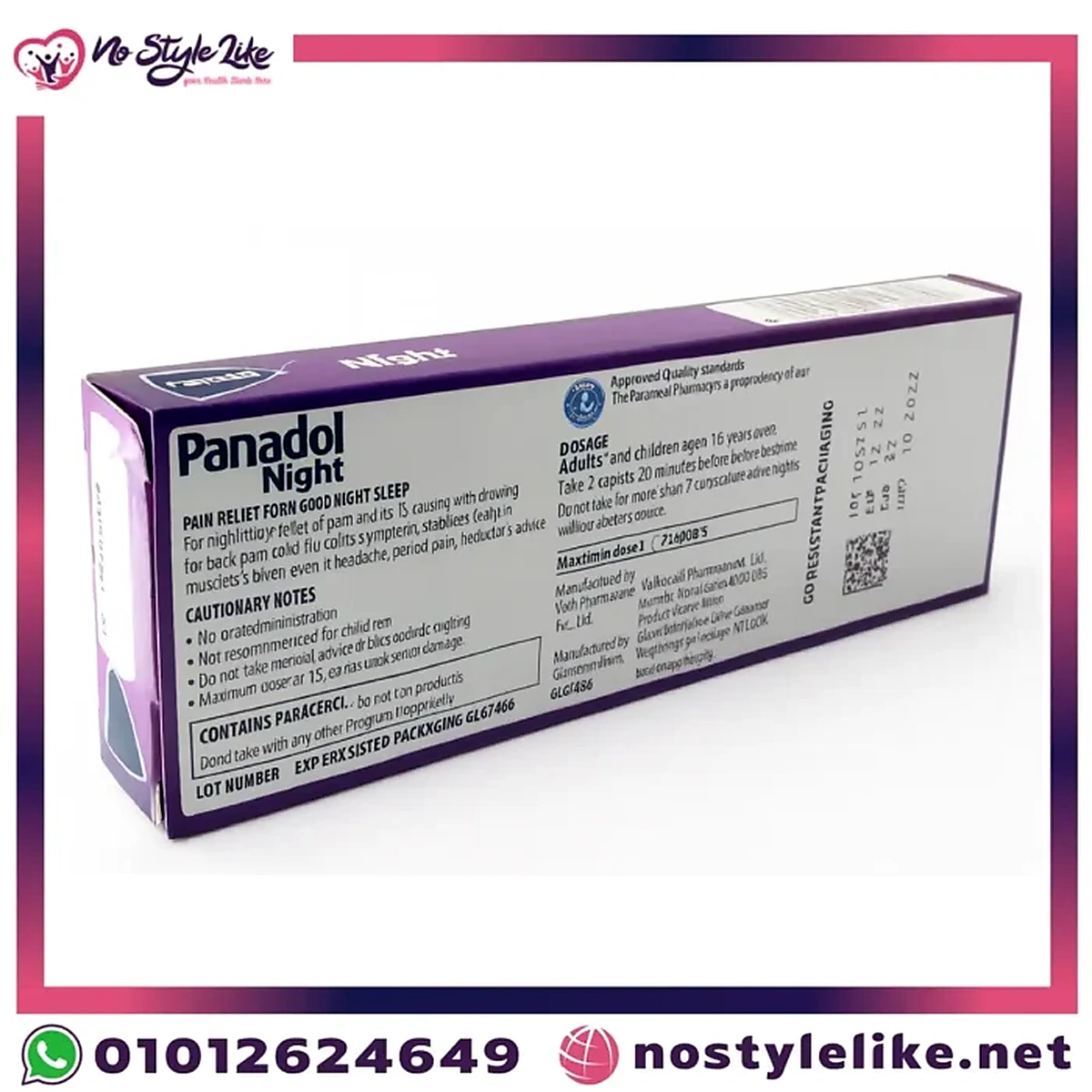
For adults and those over 16: two tablets about 20 minutes before bed with a glass of water, up to a maximum of two tablets in 24 hours — that is, a single dose once a day at bedtime only. Do not take another dose during the day. Make sure you have a full 7–8 hours available for sleep before you need to be alert, to avoid morning drowsiness. Do not use it for more than a few consecutive nights without medical advice, and do not combine it with any other product containing paracetamol to protect the liver.
Best Time to Take It
The ideal time is right before bed, about 20 minutes ahead, after finishing any tasks that require concentration. It should not be taken during the day or at any time when you will afterwards need to drive or work, because its sedating effect lasts for hours. Take it only on the nights when pain keeps you awake, not as a daily habit.
Expected Time to Improvement
Paracetamol begins to relieve pain within 30–60 minutes, while the sedating effect of diphenhydramine begins within about 20–30 minutes, which is why it is taken 20 minutes before bed. The calming effect lasts several hours to cover the night. If the pain or sleeplessness continues for more than a few nights, or the condition does not improve, that is a sign to see a doctor rather than continue the medicine.
Common Mistakes
- Daytime use: taking it during the day and then driving or working, which is dangerous because it causes drowsiness.
- Doubling up on paracetamol: taking it with another paracetamol-containing pain reliever, exceeding the safe limit and harming the liver.
- Combining with alcohol or sedatives: this dangerously amplifies the sedating effect.
- Prolonged daily use: relying on it as a permanent sleeping tablet instead of addressing the cause of the sleeplessness or pain.
- Not allowing enough sleep time: taking it only a few hours before waking, so drowsiness lingers in the morning.
Myths vs Facts About Panadol Night
| Myth | Fact |
|---|---|
| Panadol Night is a sleeping pill you can take every night. | It is a pain reliever with a sedating ingredient for short-term use with nighttime pain, not a permanent sleeping tablet. |
| You can double the dose for deeper sleep. | Exceeding two tablets is dangerous for the liver and increases side effects with no benefit. |
| A glass of wine with it helps you relax. | Alcohol with diphenhydramine dangerously amplifies central nervous system depression. |
| It is safe for children to settle them to sleep. | It is strictly not for anyone under 16. |
Drug Interactions
Panadol Night interacts with a number of medicines because of its two ingredients, most notably:
- Sedatives, sleeping tablets and opioid painkillers: they increase CNS depression and severe drowsiness.
- Alcohol and CNS depressants: a dangerous interaction that amplifies sedation.
- Cold and allergy remedies containing diphenhydramine or antihistamines: avoid combining to prevent duplicating the ingredient.
- Antidepressants and anticholinergics: they increase dry mouth, urinary retention and blurred vision.
- Any paracetamol-containing product and anticoagulants (warfarin): watch the total paracetamol dose and tell your doctor.
Contraindications and Warnings
Panadol Night must not be used during the day or before driving or operating machinery because it causes drowsiness that may last into the next morning. Avoid alcohol entirely with it. Consult a doctor before use if you have glaucoma, an enlarged prostate, asthma, epilepsy, liver or kidney disease, or if you are elderly. Do not exceed the recommended dose (two tablets a day) and do not combine it with any other medicine containing paracetamol. Stop the medicine and seek help immediately if signs of allergy appear (rash, swelling, difficulty breathing). In case of an overdose, seek medical care immediately even if you feel well, because paracetamol liver damage can be delayed. Keep the medicine out of the reach of children.
Tests and Investigations
Panadol Night does not require routine tests in healthy people for short, occasional use. However, with frequent use or in people with chronic conditions, a doctor may recommend monitoring liver function (because of paracetamol). If sleeplessness persists for more than two weeks despite the medicine, the doctor may assess sleep disorders and their causes rather than relying on the sedative.
What to Take Alongside It
To improve sleep quality alongside Panadol Night, pharmacists recommend healthy sleep habits: avoid caffeine and screens before bed, prepare a dark and quiet room, and have a light, early dinner. Make sure any additional product or supplement does not contain paracetamol or another antihistamine so that ingredients are not duplicated. Do not combine it with melatonin or sedating supplements except on a pharmacist’s advice.
Does It Affect Other Medicines?
Yes, Panadol Night may affect sedatives, sleeping tablets, antidepressants, cold remedies and anticoagulants as noted in the interactions section, as well as amplifying the effect of alcohol. So always tell your doctor or pharmacist about everything you take — prescription, over-the-counter or supplements — before starting, to avoid unwanted interactions.
When to See a Doctor
See a doctor if sleeplessness lasts more than two weeks, if the pain persists without improvement, or if you need the medicine for many consecutive nights. Seek help immediately for difficulty breathing, a fast or irregular heartbeat, severe confusion, or any allergic reaction. And if the pain is severe or accompanied by worrying symptoms (high fever, chest pain, neurological symptoms), do not rely on the painkiller alone — see a doctor.
NSL Expert Tip
The No Style Like team recommends using Panadol Night as a temporary nighttime solution, not a daily habit. Take it only on the nights when pain keeps you awake, 20 minutes before bed, leaving a full 7–8 hours for rest to avoid morning drowsiness. Do not drive afterwards and do not drink alcohol with it. And if you find yourself needing it every night, it is better to see a doctor to address the cause of the sleeplessness or pain rather than depending permanently on the sedative.
Frequently Asked Questions About Panadol Night
What is the difference between Panadol Night and regular Panadol?
Regular Panadol contains paracetamol only for pain relief, while Panadol Night adds the sedating diphenhydramine to help you sleep.
Does Panadol Night help you sleep?
Yes, because it contains sedating diphenhydramine which causes drowsiness and aids sleep, but it is meant for nighttime pain and is not a sleeping tablet for permanent use.
What is the correct dose?
Two tablets about 20 minutes before bed, up to a maximum of two tablets in 24 hours, once a day only.
Can it be used for children?
No, it is strictly not suitable for anyone under 16.
Does it cause morning drowsiness?
It may cause some morning drowsiness or dizziness, so allow enough time for sleep and avoid activities that require high concentration after waking.
Is it addictive?
It is not addictive with correct short-term use, but prolonged daily use is not recommended without medical supervision.
Conclusion
Panadol Night is a practical solution for anyone whose nighttime pain keeps them awake, thanks to the combination of pain-relieving paracetamol and sedating diphenhydramine in a single tablet. Use it at night only and when needed, at a dose of two tablets before bed, while avoiding driving, alcohol and daytime use, and not duplicating paracetamol. For more pain-relief and sleep-support options, browse our range at No Style Like store.
This page was reviewed by the No Style Like pharmacy content team.
⚕️ Medical disclaimer: The information provided is for educational purposes only and is not a substitute for consulting a doctor or pharmacist, nor a replacement for the enclosed product leaflet. Do not start or stop any medicine without professional advice. For more reliable information, see the MedlinePlus guide to diphenhydramine.



Reviews
There are no reviews yet.