




Description
Panadol Migraine – 24 Caplets for Headache and Migraine: A Complete 22-Section Guide
Quick answer:
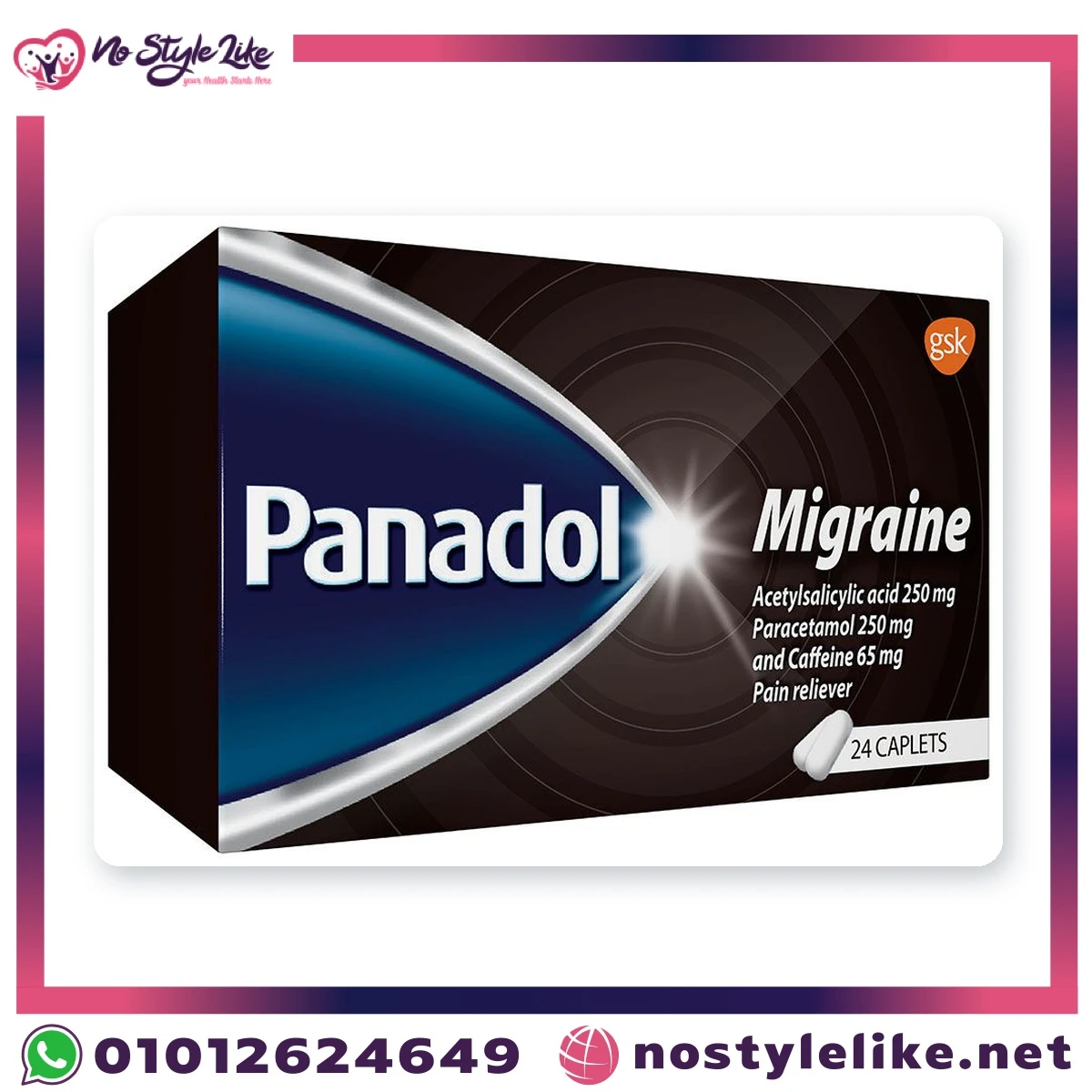
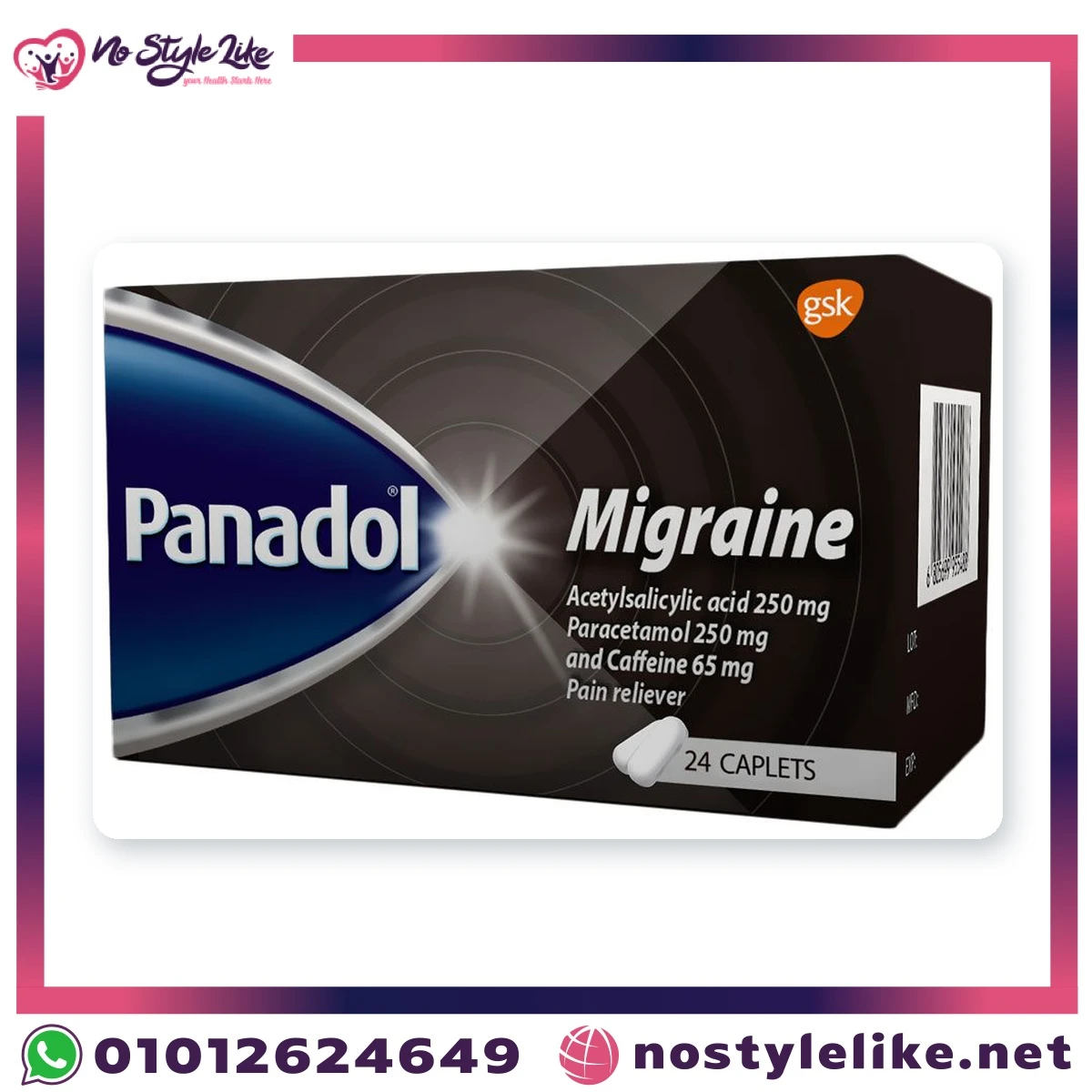
Panadol Migraine by GSK is a triple-action pain reliever. Each caplet contains 250 mg of acetylsalicylic acid (aspirin), 250 mg of paracetamol and 65 mg of caffeine. It relieves headache and migraine attacks with or without aura. The usual adult dose (18 and over) is 2 caplets with a glass of water at the start of an attack, keeping to the maximum stated in the pack leaflet. It is not for children or teenagers because it contains aspirin.
Key Facts About Panadol Migraine
| Name | Panadol Migraine – 24 Caplets |
| Manufacturer | GSK |
| Active ingredients (per caplet) | Acetylsalicylic acid 250 mg + paracetamol 250 mg + caffeine 65 mg |
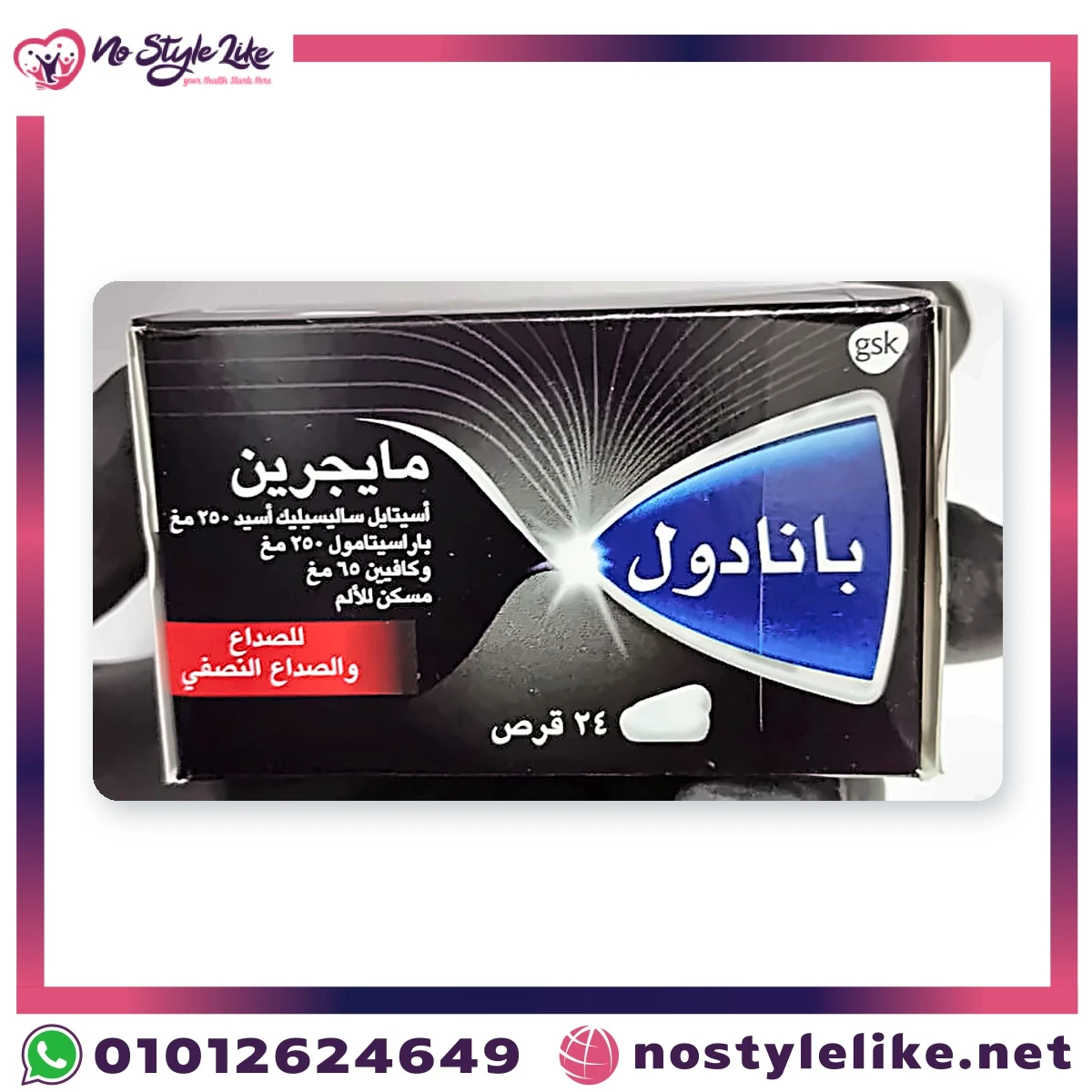
| Pack | 24 caplets (Arabic pack) |
| Use | Headache and migraine |
| Usual dose | 2 caplets at the start of an attack for adults 18+, as per leaflet |
| Onset | May start working in about 30 minutes |
| Expiry | Printed on the pack |
Short description: Panadol Migraine combines three ingredients that work together: two different pain relievers plus caffeine, which makes the relief faster and stronger, for migraine attacks and severe headaches.
On this page
- Introduction
- What is it?
- How each ingredient works
- Key benefits
- Real-life use cases
- Who is it for?
- Who should avoid it?
- How to use
- Best time to take it
- How fast does it work?
- Common mistakes
- Myths and facts
- Side effects
- Drug interactions
- Warnings
- Signs that need a check-up
- What to pair it with
- Product comparison
- When to see a doctor
- NSL expert tip
- FAQ
- Conclusion
Introduction to Panadol Migraine
A migraine attack is not an ordinary headache: a throbbing pain, often on one side of the head, with nausea and sensitivity to light and sound that can last hours or days. That is why a standard painkiller is sometimes not enough.
GSK developed Panadol Migraine, which combines aspirin, paracetamol and caffeine, a combination studied in clinical trials in people with migraine. In this guide we explain how it works, who it suits, and who should be careful.
What Is Panadol Migraine?
It is a pain-relief caplet from the Panadol family designed for headache and migraine in adults. Each caplet contains 250 mg of aspirin, 250 mg of paracetamol and 65 mg of caffeine, roughly half the usual dose of each pain reliever plus about as much caffeine as a small cup of coffee.
The pack we stock is GSK’s Arabic pack of 24 caplets.
How Each Ingredient Works
- Aspirin 250 mg: a pain reliever and anti-inflammatory that reduces inflammatory substances linked to migraine pain.
- Paracetamol 250 mg: a pain reliever and fever reducer that acts on the nervous system in a different way.
- Caffeine 65 mg: speeds absorption of the pain relievers, boosts their effect and narrows blood vessels that widen in the head during an attack.
Combining the three at lower doses gives a synergistic effect stronger than any one of them alone.
Key Benefits of Panadol Migraine
- Relieves migraine pain with or without aura.
- Relieves severe headache and tension headache.
- May start working in about 30 minutes and lasts several hours.
- Available without a prescription for adults.
- A practical option for people who do not respond to paracetamol alone.
Real-Life Use Cases
A woman with a monthly migraine: she takes Panadol Migraine at the first sign of an attack and rests in a dark room, and the pain eases clearly.
A man with severe headaches after long workdays: plain paracetamol is not enough, and the triple combination gives better relief.
Who Is Panadol Migraine For?
- Adults aged 18 and over.
- People diagnosed with migraine who need treatment for attacks.
- People with occasional severe headaches.
Who Should Avoid It or Ask a Doctor First?
- Children and teenagers under 16, because of the risk of Reye’s syndrome with aspirin.
- Anyone allergic to aspirin or anti-inflammatory painkillers, or with asthma triggered by them.
- People with stomach ulcers or gastrointestinal bleeding.
- People with bleeding disorders or on blood thinners.
- People with severe liver or kidney disease.
- Pregnant women, especially in the third trimester, and breastfeeding women.
- People with gout, uncontrolled high blood pressure or heart disease.
How to Use Panadol Migraine
- Adults 18 and over: 2 caplets at the start of an attack with a full glass of water.
- Keep to the interval and maximum daily dose printed in the pack leaflet.
- Do not use it for migraine for more than 3 days in a row, or more than 10 days a month, without medical advice.
- Take it after food or with a light snack to protect your stomach.
- Do not combine it with any other medicine that contains paracetamol or aspirin.
Best Time to Take Panadol Migraine
The best time is at the start of an attack, at the first sign of pain rather than after it builds. Painkillers work better early in a migraine. Avoid taking it right before bed if caffeine affects your sleep.
How Fast Does Panadol Migraine Work?
Relief usually begins within 30 to 60 minutes and lasts several hours. If the first dose does not help, do not take extra doses beyond what the leaflet allows; see your doctor about a different treatment for attacks.
Common Mistakes
- Using it daily or on most days of the month, which causes medication overuse headache.
- Combining it with regular Panadol or any other paracetamol product.
- Giving it to teenagers.
- Taking it on an empty stomach if you have a sensitive stomach.
- Drinking lots of coffee or cola with it.
Myths and Facts
Myth: Panadol Migraine is just a stronger regular Panadol. Fact: it is a different formula that adds aspirin and caffeine to paracetamol.
Myth: more caplets mean more relief. Fact: extra doses raise the risk of stomach bleeding and liver damage without improving relief.
Side Effects
- Stomach upset, pain or heartburn.
- Nervousness, insomnia or palpitations from caffeine.
- Dizziness or nausea.
- Rarely, stomach bleeding with black stools or vomiting blood, which needs emergency care.
- Rarely, allergy or an asthma attack.
Drug Interactions
- Blood thinners such as warfarin and clopidogrel: higher bleeding risk.
- Anti-inflammatory painkillers such as ibuprofen: higher risk of stomach ulcers.
- Methotrexate: aspirin increases its toxicity.
- Steroids and SSRI antidepressants: higher risk of stomach bleeding.
- Any other paracetamol-containing medicine.
Warnings
- Liver warning: do not exceed the dose or combine it with other paracetamol painkillers.
- Stomach warning: aspirin can cause bleeding, especially in older adults and people with a history of ulcers.
- Cut down on tea, coffee and cola while using it.
- Keep out of reach of children.
Signs That Need a Check-Up
If you need headache painkillers more than twice a week, or your headache pattern changes, see a doctor, who may check your blood pressure, eyesight or order a scan depending on your symptoms. Frequent headaches may need preventive treatment rather than painkillers alone.
What to Pair Panadol Migraine With
- Rest in a quiet, dark room during an attack.
- A cold compress on the forehead.
- Plenty of water, as dehydration is a common migraine trigger.
- A headache diary to track triggers such as poor sleep, hunger and certain foods.
- Regular sleep and meals.
Product Comparison
| Product | What stands out |
|---|---|
| Panadol Migraine | Aspirin, paracetamol and caffeine for migraine |
| Panadol Advance | Paracetamol only, gentler on the stomach |
| Excedrin Migraine | A similar triple combination |
When to See a Doctor
- A sudden, extremely severe headache, the worst of your life.
- Headache with fever, stiff neck or rash.
- Headache with new weakness, numbness, or speech or vision problems.
- Headache after a head injury.
- If you need painkillers on more than 10 days a month.
NSL Expert Tip
From the No Style Like pharmacy team: Panadol Migraine works best when taken early in an attack. Our advice: do not use it on more than 10 days a month, never combine it with another Panadol, and take it after food to protect your stomach. If attacks are frequent, ask your doctor about preventive treatment.
Panadol Migraine FAQ
Does Panadol Migraine need a prescription?
No, it is sold without a prescription for adults, but ask a pharmacist if you have a long-term condition.
Is it suitable in pregnancy?
It is not recommended in pregnancy because of the aspirin; your doctor will advise an alternative.
Can it cause insomnia?
The caffeine can make it hard to sleep for some people, especially if taken in the evening.
Can I take it with coffee?
Better to cut down on coffee, as each caplet already contains caffeine.
Does it help period-related headaches?
It may ease them, as long as you follow the dose and warnings.
What is the expiry date?
The expiry date is printed on the pack.
Conclusion
Panadol Migraine is a triple combination of aspirin, paracetamol and caffeine for headache and migraine attacks in adults, and it works best when taken at the start of an attack. Stick to the dose and daily maximum, and do not use it on more than 10 days a month. Order Panadol Migraine today from No Style Like Pharmacy with delivery across Egypt.
Reviewed by the No Style Like Pharmacy content team. This information is for educational purposes only.
Read the leaflet and follow the label or your doctor’s directions; this content does not replace medical advice. Learn more at MedlinePlus – Migraine.



Reviews
There are no reviews yet.