




Description
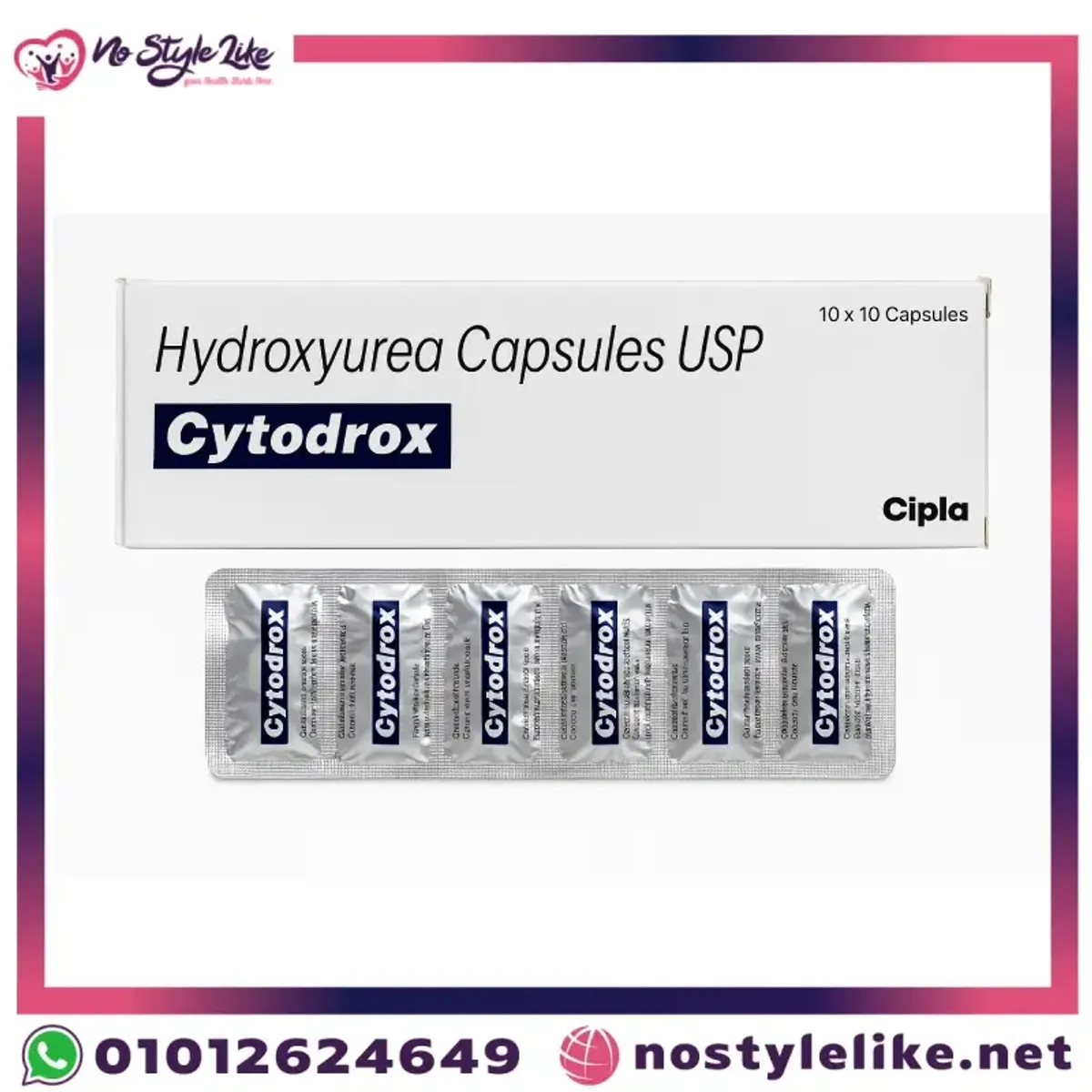
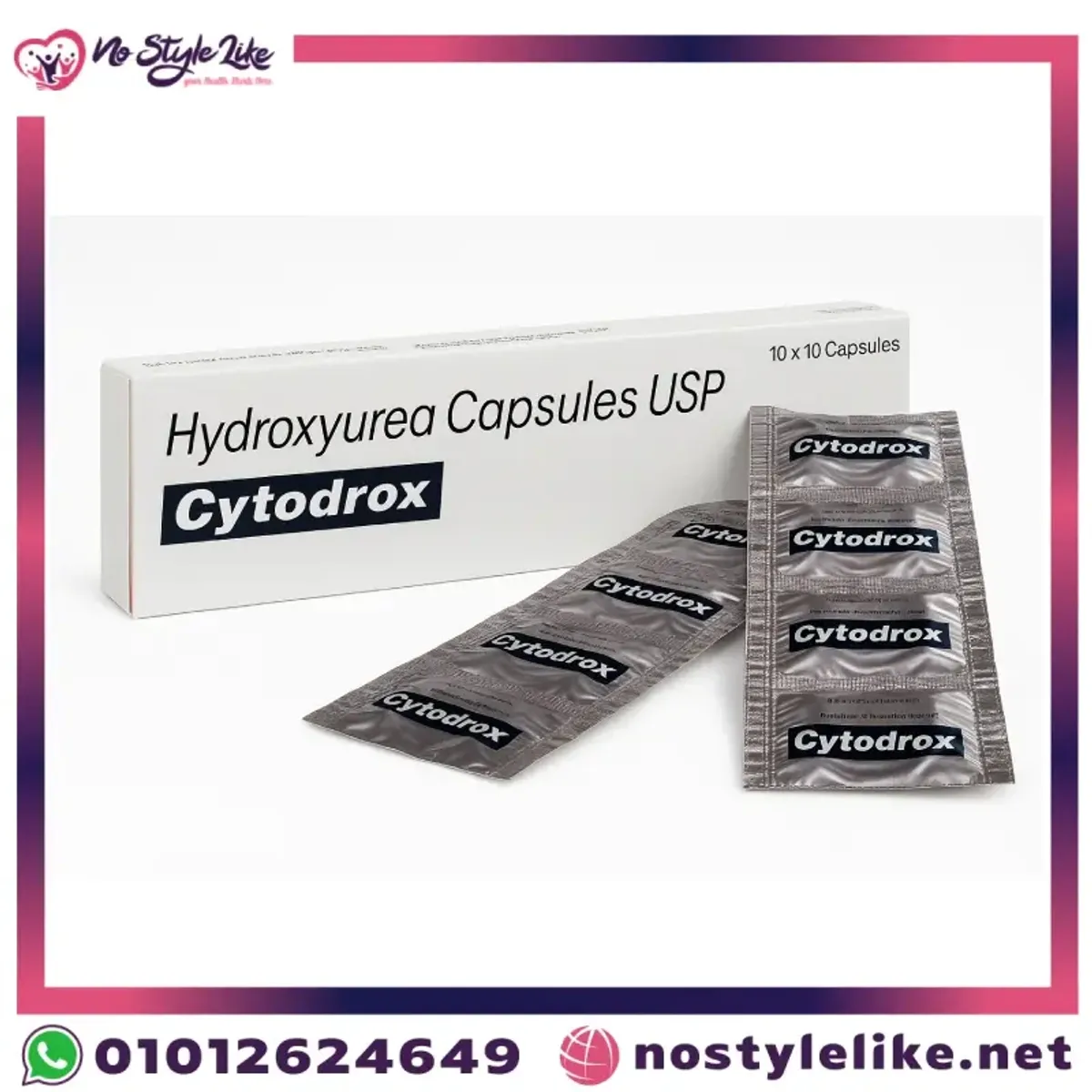
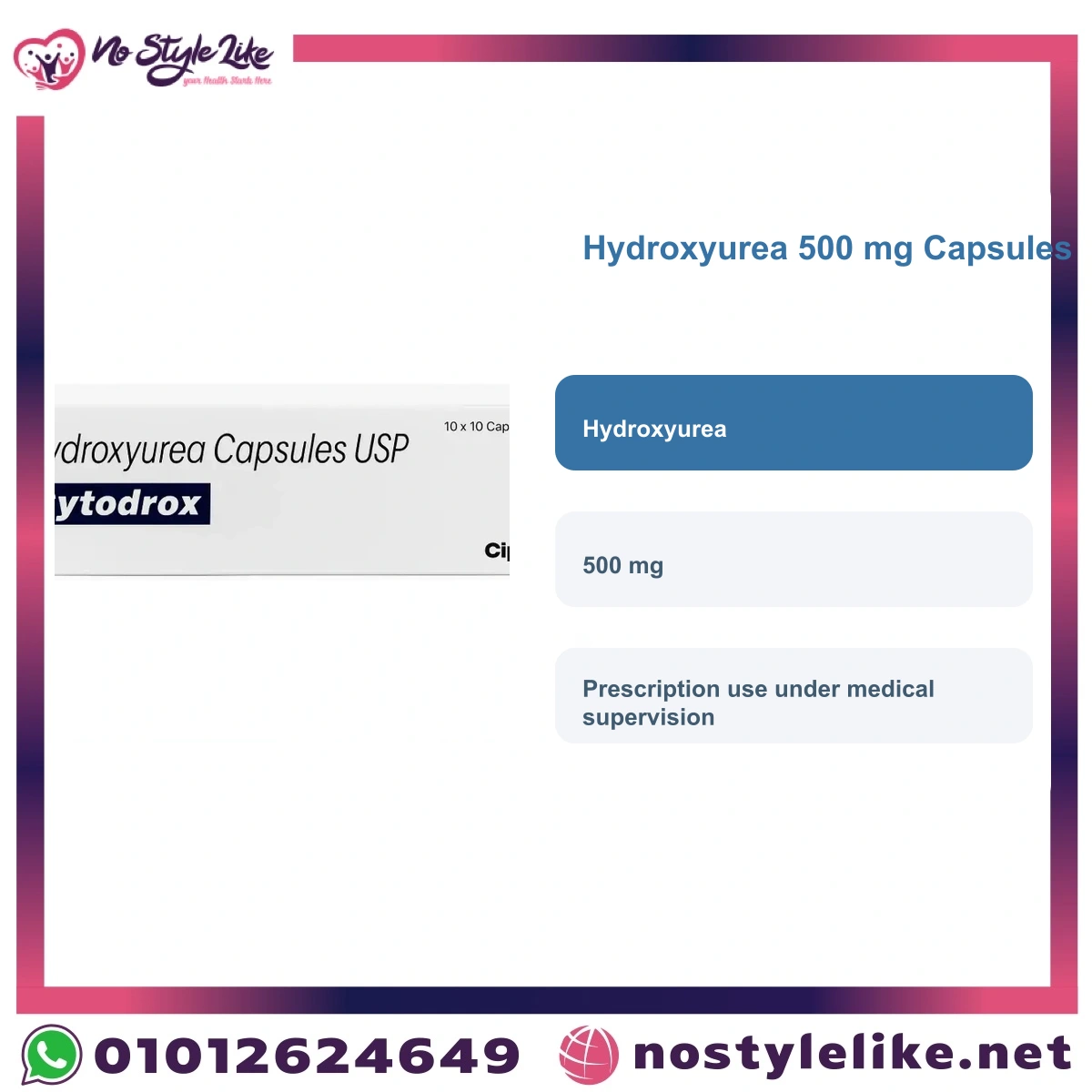
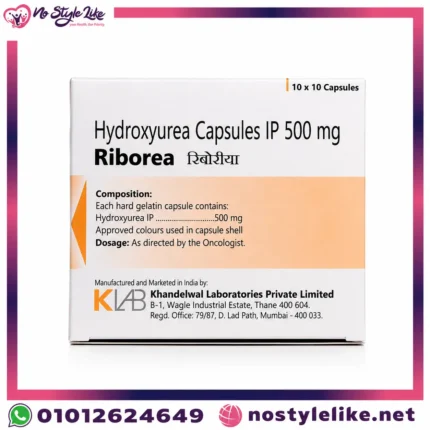
Hydroxyurea 500 mg Capsules — Prescription Cytoreductive Therapy

Short Description: Hydroxyurea 500 mg (hydroxycarbamide) is a specialist-prescribed capsule that slows the overproduction of blood cells and helps manage certain blood cancers and sickle cell disease, taken with close medical monitoring.
Table of Contents
- Introduction
- What is Hydroxyurea 500 mg?
- How does it work?
- Key benefits
- Real-world use cases
- Who is it suitable for?
- Who should avoid it?
- How it is taken
- Drug interactions
- Contraindications and warnings
- Tests and monitoring
- When to see a doctor
- FAQ
- Summary
Introduction
Hydroxyurea 500 mg is one of the most established oral cytoreductive medicines in hematology. For decades, specialists have relied on hydroxycarbamide to bring dangerously high blood-cell counts back toward a safe range and to ease the burden of sickle cell disease. Because it acts on rapidly dividing cells, it is a powerful medicine that delivers real benefit only when it is prescribed, dosed and monitored by a qualified doctor. This page explains what the medicine is and how it is used, so patients and caregivers can have better-informed conversations with their treating team.
What is Hydroxyurea 500 mg?
Each capsule contains 500 mg of hydroxycarbamide, the active substance also known as hydroxyurea. It belongs to the antimetabolite family of antineoplastic (anti-cancer) agents. Rather than curing the underlying condition, it controls it by reducing the number of blood cells the bone marrow releases, which helps prevent complications linked to overproduction of white cells, red cells or platelets.
How does it work?
Hydroxycarbamide blocks an enzyme called ribonucleotide reductase, which cells need to build the DNA required for division. By slowing DNA synthesis in fast-dividing cells, it lowers excessive blood-cell production. In sickle cell disease it works differently: it raises fetal hemoglobin (HbF), which makes red cells less likely to sickle, reducing painful crises and the need for transfusions.
Key benefits
- Helps normalize elevated white cell, red cell or platelet counts in myeloproliferative disorders.
- Reduces the frequency of painful vaso-occlusive crises in sickle cell disease.
- Taken by mouth once daily in most regimens, which is convenient compared with injectable therapies.
- Long clinical track record and well-characterized safety profile when properly monitored.
Real-world use cases
A hematologist may prescribe hydroxyurea for a patient with chronic myeloid leukemia to control the white-cell count, for polycythemia vera or essential thrombocythemia to lower the risk of clotting, or for an adult or child with sickle cell disease who experiences frequent crises. In every case the goal is control and prevention of complications, guided by regular laboratory results.
Who is it suitable for?
It is suitable only for patients who have been diagnosed by a specialist with a condition for which hydroxyurea is indicated, and who can attend regular blood-count checks. The treating doctor decides suitability after reviewing kidney function, blood counts and overall health.
Who should avoid it?
- Pregnant women or those planning pregnancy — hydroxyurea can harm the unborn baby; effective contraception is required for men and women during treatment.
- Breastfeeding mothers, unless the specialist advises otherwise.
- Patients with severe bone-marrow suppression (very low blood counts) until counts recover.
- Anyone with a known allergy to hydroxycarbamide.
How it is taken
The dose is individualized — it is calculated from body weight and adjusted according to blood-count results, so there is no single “standard” dose. Capsules are usually swallowed whole with a glass of water, at the same time each day. Caregivers should handle the capsules carefully (this is a cytotoxic medicine) and wash hands after contact. Never change the dose or stop treatment without medical advice.
Drug interactions
Hydroxyurea may interact with other medicines that lower blood counts, with certain antiretrovirals (such as didanosine and stavudine), and with live vaccines, which should generally be avoided during treatment. Always give your doctor and pharmacist a full list of your medicines and supplements before starting.
Contraindications and warnings
Because it suppresses the bone marrow, hydroxyurea can cause low white cells, low platelets and anemia, increasing the risk of infection and bleeding. Long-term use has been associated with skin changes and, rarely, skin cancers, so sun protection and skin checks are advised. It must be kept out of the reach of children and stored as directed on the leaflet.
Tests and monitoring
Regular complete blood count (CBC) monitoring is essential — often every one to two weeks when starting or adjusting the dose, then less frequently once stable. Kidney and liver function may also be checked. These tests let the specialist keep the dose in the safe, effective range.
When to see a doctor
Seek prompt medical advice if you develop fever or signs of infection, unusual bruising or bleeding, severe fatigue or shortness of breath, non-healing skin ulcers, or if you suspect pregnancy. These may signal that the dose needs review.
Frequently Asked Questions
Is Hydroxyurea 500 mg available without a prescription?
No. It is a prescription-only medicine that must be started and supervised by a specialist.
Is it a form of chemotherapy?
Yes, it is classed as an antineoplastic (cytoreductive) agent, but it is taken orally at home under monitoring rather than as an infusion.
How long until it works?
Blood counts often begin to change within days to a few weeks; in sickle cell disease the reduction in crises builds over several months.
Can I drink alcohol or take painkillers with it?
Ask your doctor. Some painkillers and other medicines affect blood counts or the kidneys, so they should be reviewed.
What should I do if I miss a dose?
Follow your specialist’s instructions; usually you skip the missed dose rather than doubling up. Never guess — confirm with your care team.
Summary
Hydroxyurea 500 mg (hydroxycarbamide) is a trusted, specialist-prescribed capsule for controlling overactive blood-cell production and for reducing sickle cell crises. Its benefits depend entirely on correct diagnosis, individualized dosing and regular blood-count monitoring. If your doctor has prescribed it, you can explore related medicines and health essentials at No Style Like.
Reviewed by the No Style Like pharmacy content team. This information is educational and does not replace medical advice; hydroxyurea must be used only under the supervision of a qualified doctor. For an authoritative overview, see MedlinePlus: Hydroxyurea.


Reviews
There are no reviews yet.