


CLA for Weight Loss: What Does the Research Say? 6 Facts on Results and Safety
What is conjugated linoleic acid?
Conjugated linoleic acid, or CLA, is a group of fatty acids found naturally in small amounts in meat and dairy. Supplements are usually made from safflower oil. CLA for weight loss is often promoted as a way to burn fat while keeping muscle, but the scientific picture of CLA for weight loss is much more modest than the advertising. Here are 6 facts worth knowing before you buy.
1. How much fat loss do CLA for weight loss studies show?
Meta-analyses that pooled many trials found that CLA may reduce body fat by roughly 0.05 to 0.1 kg per week. That is less than half a kilo per month at best. The results are mixed: several trials found no difference at all, and the effect seems to fade with longer use.
So a realistic expectation is a small change that you may not notice without careful measurement, and only when the diet is already under control.
2. How is it thought to work?
In animal studies, CLA clearly affected enzymes involved in storing and burning fat, and mice lost a lot of body fat. In humans, the effect was far weaker. That is why results from rodents cannot be transferred directly to people, and why you should not expect a big change in body shape from capsules alone. Much of the hype around CLA for weight loss comes from those early animal results.
3. The dose used
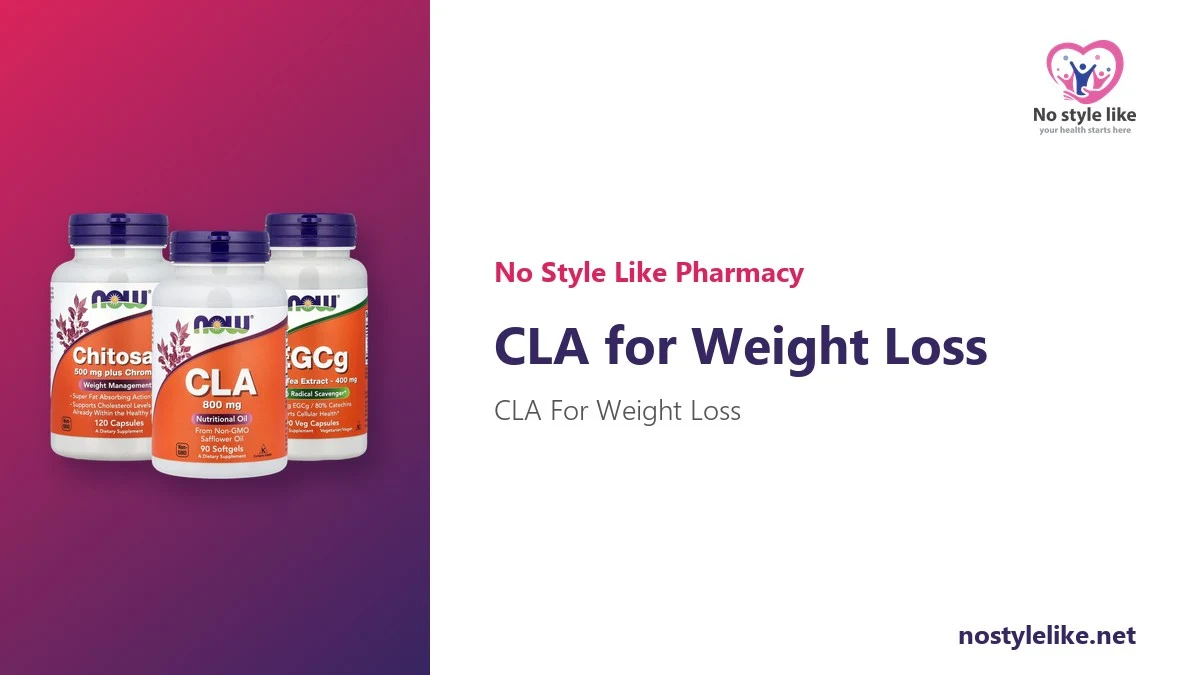
Most trials of CLA for weight loss used about 3 to 6 g per day. Each 3-softgel serving of NOW CLA 800 mg provides 2.4 g CLA from non-GMO safflower oil, about 25 kcal. Label directions:
- Take 3 softgels daily with a meal.
- For adults only.
- Do not exceed the label dose without professional advice.
4. Side effects of CLA for weight loss
The most common side effects are digestive: nausea, bloating, loose stools and indigestion. They are usually milder when the softgels are taken with food. More importantly, some studies found that one form of CLA, the trans-10, cis-12 isomer, was linked to reduced insulin sensitivity and more liver fat in some people, especially men with abdominal obesity. Other studies did not confirm this, but it is a reason for caution before using CLA for weight loss when blood sugar or the liver is already a problem.
5. Who should talk to a doctor first?
- People with diabetes, prediabetes or insulin resistance.
- People with fatty liver or any liver disease.
- People taking blood thinners, as some fatty acids may affect clotting.
- Pregnant and breastfeeding women, because safety data are lacking.
If insulin resistance is your concern, read supplements for insulin resistance for options to discuss with your doctor.
6. CLA for weight loss compared with other supplements
| Product | Label dose | Key warning |
|---|---|---|
| NOW CLA | 3 softgels with a meal | Diabetes and fatty liver |
| NOW Chitosan | 3 capsules before 2 main meals | Shellfish allergy; separate from vitamins |
| NOW EGCg | 1 capsule with a meal | Never on an empty stomach |
Read more in chitosan for weight loss and green tea extract side effects. You can also see NOW Chitosan plus Chromium and NOW EGCg Green Tea Extract at our pharmacy.
How to judge your own results
If you decide to try CLA for weight loss after talking to a pharmacist, measure your weight and waist before you start and again after 12 weeks of following a sensible diet. If you see no clear difference, there is little point in continuing. Stop and see your doctor if digestive upset is troublesome or if blood sugar or liver tests worsen.
Keep in mind that a softgel adds a few calories and some fat too, so it does not cancel out snacks or sugary drinks. The foundation is still a moderate calorie deficit, protein at each meal, daily walking and strength training two or three times a week.
Frequently asked questions about CLA for weight loss
Does it target belly fat?
There is no strong evidence of spot reduction of belly fat; the overall effect is small.
Is CLA for weight loss useful for athletes?
Some athletes use it, but training and enough protein matter far more than any softgel.
Does it build muscle?
Some studies showed a slight increase in lean mass, but the finding is not consistent.
Can I use it instead of dieting?
No. No supplement replaces a calorie deficit, physical activity and good sleep.
Is CLA the same as omega-3?
No. Both are fatty acids, but CLA comes from linoleic acid, an omega-6 fat, and has different effects.
Conclusion
The evidence for CLA for weight loss is limited and mixed, and the expected effect is small, with possible digestive upset and extra caution for people with diabetes or fatty liver. NOW CLA is taken as 3 softgels daily with a meal, as part of a balanced diet and regular activity, never as a replacement for them.
This article was reviewed by the No Style Like pharmacy content team. It is for general awareness only and does not replace advice from your doctor or pharmacist.
Do not use CLA with diabetes or fatty liver without your doctor’s advice; no supplement replaces diet and exercise. For more information see the NIH Office of Dietary Supplements weight-loss fact sheet.