


Valerian Root: 6 Questions About Sleep, Dosage and Safety
What Is Valerian Root?
Valerian root comes from Valeriana officinalis, a perennial plant used since ancient Greek times to help sleep and ease nervous tension. It is one of the most popular herbs among people with insomnia, yet modern studies have produced mixed results. This guide answers 6 common questions about how well it works, how to take it and how safe it is.
1. How Does Valerian Root Work?
The root contains valerenic acid and other compounds thought to act on the brain’s calming GABA system, the same system targeted by some sleeping pills, but far more weakly. Its smell is strong and distinctive; this is normal and does not mean the product has gone off.
2. What Do Studies Say About Valerian Root and Insomnia?
The results are inconsistent. Some small trials found that people rated their sleep quality as better, while other, better-designed trials found no clear difference from placebo in how fast people fell asleep or how long they slept. Health authorities therefore regard valerian root as an unproven option for insomnia that may help some people a little. Do not expect it to act like a sleeping pill.
3. How to Take Valerian Root
| Item | Detail |
|---|---|
| Per serving | 1,000 mg valerian (500 mg per capsule) |
| Serving size | 2 capsules, 50 servings (100 veg capsules) |
| How to take | 2 capsules before bedtime as needed |
| Who for | Adults only; do not use if pregnant or nursing |
These are the details of NOW Valerian Root 500 mg. In some studies any effect took two weeks or more of regular use, so if you notice no improvement after about four weeks there is little point in continuing, and it is better to see your doctor. It is not usually taken for more than a few weeks in a row without advice.
4. Side Effects, Drowsiness and Driving
- Drowsiness or a heavy feeling the next morning, so do not drive or operate machinery after taking it.
- Headache, dizziness or stomach upset in some people.
- Vivid dreams occasionally.
- Rare cases of liver injury have been reported with herbal products containing valerian, so people with liver disease should avoid it; stop it if you notice yellow eyes or dark urine.
5. Who Should Avoid It?
- Alcohol and sedatives: do not combine it with alcohol, benzodiazepines, sleeping pills, sedating antihistamines or opioid painkillers, because drowsiness adds up.
- Pregnancy and breastfeeding: do not use it, and do not give it to children.
- Surgery: stop it two weeks before an operation because it may interact with anaesthetic drugs.
- Anyone taking regular medicine or living with a chronic illness should ask a doctor first.
6. Is It the First Answer to Insomnia?
No. Sleep hygiene and CBT-I come first, and their results last after you stop. Ongoing insomnia may also be a symptom of anxiety, depression or sleep apnoea; read our depression and anxiety guide if poor sleep comes with persistent worry or low mood. For teenagers, see teen sleep, as valerian is not for children.
Before Any Supplement: Sleep Basics
- Keep the same wake-up time every day, including weekends, and keep the bedroom dark, quiet and cool.
- Cut caffeine after midday, and avoid screens and heavy meals for at least an hour before bed.
- If insomnia lasts more than three months, cognitive behavioural therapy for insomnia (CBT-I) is the recommended first-line treatment, and it works better than any herb.
- See a doctor for loud snoring, pauses in breathing during sleep, severe daytime sleepiness or persistent low mood.
Valerian Root Compared With Other Supplements
5-HTP is sometimes suggested for sleep, but its evidence is weaker and its interactions more serious; read 5-HTP benefits. L-tyrosine is an alertness supplement taken in the morning and is not for night use; see L-tyrosine benefits. Products available at No Style Like:
- NOW 5-HTP 50 mg: 50 mg of 5-HTP from Griffonia simplicifolia seed extract per veg capsule, 90 capsules; 1 capsule daily, preferably on an empty stomach at bedtime. Not recommended in pregnancy or breastfeeding, and never with antidepressants.
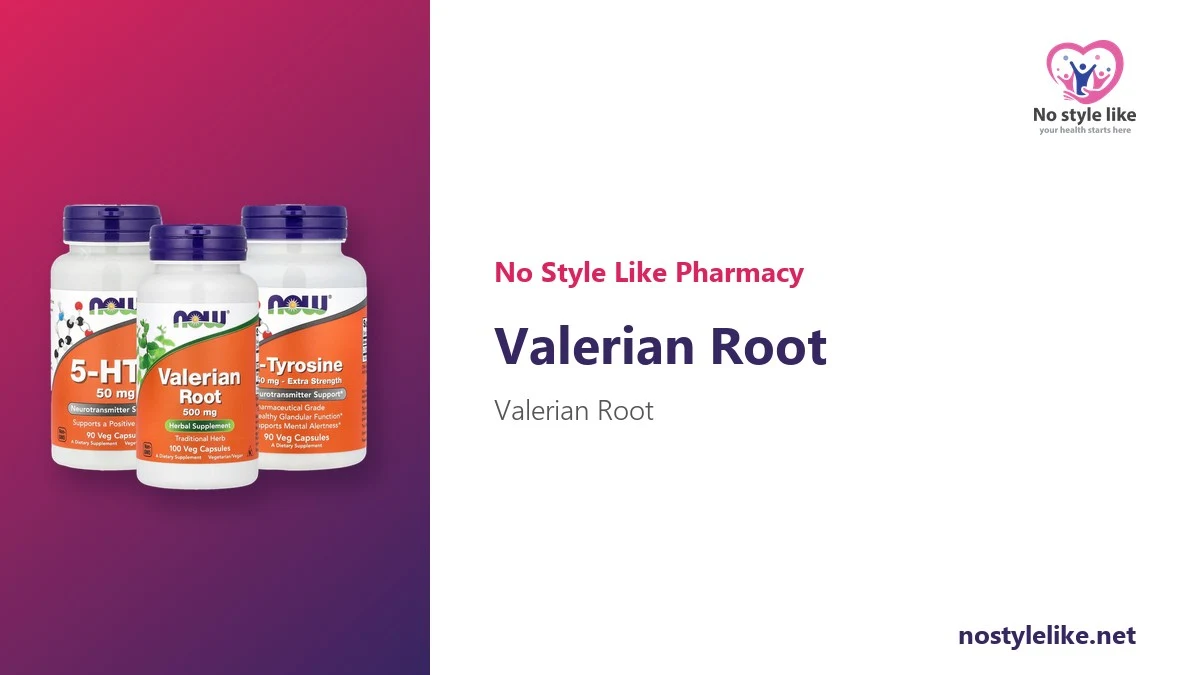
- NOW Valerian Root 500 mg: 1,000 mg of valerian root per 2-capsule serving, 100 veg capsules (50 servings); 2 capsules before bedtime as needed. Do not use if pregnant or nursing.
- NOW L-Tyrosine 750 mg: 750 mg of free-form L-tyrosine per veg capsule, 90 capsules; 1 capsule 1 to 3 times daily between meals, best in the morning.
Frequently Asked Questions
Is valerian root addictive?
It is not known to cause dependence the way sleeping pills can, but it is sensible to taper it after long use.
Can I take it with 5-HTP?
Ask your pharmacist first, as drowsiness may increase.
Why does valerian root smell so strong?
The odour comes from natural compounds in the root and is expected.
Can I take it every night?
The label says as needed; for nightly use beyond a few weeks, talk to your doctor about the cause of your insomnia.
Conclusion
Valerian root is a traditional option for mild sleep problems with mixed evidence. Take 2 capsules before bed as needed, do not drive afterwards, never mix it with alcohol or sedatives, and avoid it in pregnancy, breastfeeding and liver disease. Always start with good sleep habits. Find NOW Valerian Root at No Style Like Pharmacy.
This article was reviewed by the No Style Like pharmacy content team. It is for general awareness only and does not replace advice from your doctor or pharmacist.
Herbal supplements are not a treatment for chronic insomnia or sleep disorders, and should not be combined with alcohol or sedatives. For more information see the NCCIH valerian fact sheet.