


Teen Sleep: How Many Hours Do Teenagers Need? 7 Facts About Sleep, Focus and School
Why Teen Sleep Matters
Many teenagers stay up until the early hours, then drag themselves to school exhausted, and parents complain about poor concentration. So how much teen sleep is enough, and what does it have to do with studying? Here are 7 facts.
1. How Many Hours of Teen Sleep Are Recommended?
The American Academy of Sleep Medicine recommends that teenagers aged 13 to 18 sleep 8 to 10 hours every night, and children aged 6 to 12 sleep 9 to 12 hours. Yet studies show that most teens get less than 8 hours on school nights.
2. Why Do Teens Stay Up Late?
It is not just laziness. During puberty the body clock shifts later and melatonin is released later, so teens feel sleepy later at night. Screens, blue light and homework push bedtime back even further.
3. Short Teen Sleep Weakens Memory
During sleep the brain consolidates what a student learned during the day. That is why pulling an all-nighter before an exam often backfires: the information is not stored properly.
4. Other Effects of Too Little Sleep
- Irritability, mood swings and anxiety.
- Weaker immunity and more frequent colds.
- Cravings for sugary food and weight gain.
- Accidents, especially for teens who drive or cycle.
- Falling grades and poor attention in class.
5. Practical Tips for Better Teen Sleep
- A fixed bedtime and wake time, even on weekends, within an hour or two.
- Phones and screens off an hour before bed, and out of the bedroom.
- No coffee, tea or energy drinks after mid-afternoon.
- Morning sunlight to reset the body clock.
- Short naps of no more than 20 to 30 minutes if needed.
- A dark, quiet and comfortably cool bedroom.
6. Nutrition and Sleep
A heavy dinner right before bed disrupts sleep quality, and low iron may be linked to restless legs and broken sleep. For the nutrients that matter most to students, read vitamins for studying, and there is a separate article on phosphatidylserine.
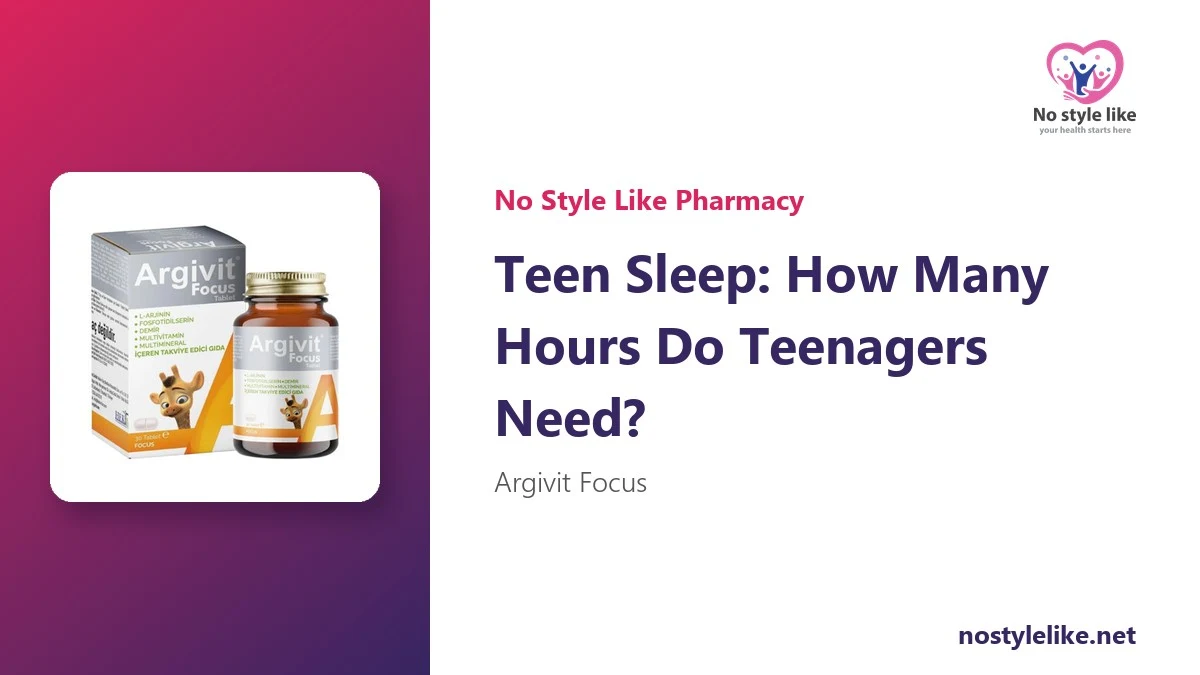
Some families choose a complete daily supplement such as Argivit Focus for students aged 11 and up. It is best taken in the morning with breakfast, but it cannot make up for missing sleep.
7. When to See a Doctor
- Loud snoring or pauses in breathing during sleep.
- Severe daytime sleepiness despite enough sleep.
- Insomnia lasting more than 3 weeks.
- Sadness or anxiety that is affecting sleep.
Do not give a teenager melatonin or sleeping pills without medical advice. For more on focus problems, read the memory and focus guide.
A Two-Week Plan to Reset Teen Sleep
If your teen falls asleep at 2 a.m., do not demand a 10 p.m. bedtime overnight. Move bedtime 15 minutes earlier every two or three days, and wake time by the same amount, until you reach the target in about two weeks.
Agree on a charging spot for the phone outside the bedroom, and encourage daytime physical activity, which improves teen sleep quality. Lead by example: teenagers copy family habits around late nights and screens far more than they follow advice.
Frequently Asked Questions
Does weekend sleep make up for weekday sleep loss?
Only partly, and very long weekend lie-ins disturb the body clock even more.
Does teen sleep change during summer holidays?
The need stays at 8 to 10 hours; keep times close to the school schedule to make going back easier.
Are 6 hours enough for a teenager?
No. That is well below the recommendation and affects focus and mood.
When is the best time to study?
A few hours after waking and in the afternoon, rather than long sessions until dawn.
Is teen sleep different for athletes?
Active teens are at the same 8 to 10 hours but often benefit from the upper end for recovery.
Conclusion
Eight to 10 hours of teen sleep is not a luxury but the foundation of focus, memory and mood. Set regular sleep times, keep screens out of the bedroom, look after nutrition, and see a doctor about snoring or persistent insomnia.
This article was reviewed by the No Style Like pharmacy content team. It is for general awareness only. Food supplements are not medicines intended to diagnose or treat any disease, and this article does not replace medical advice.
Do not use sleeping pills or melatonin in teenagers without medical advice. For more information see the MedlinePlus healthy sleep page.