


Phosphatidylserine: What Is It and Does It Help Memory and Focus? 6 Facts Before You Take It
Phosphatidylserine: A Small Molecule at the Heart of Brain Cells
The name phosphatidylserine appears more and more on focus and memory supplements, for students and older adults alike. So what exactly is it, and does research really back it? Here are 6 short facts.
1. What Is Phosphatidylserine?
It is a phospholipid, one of the fats that build cell membranes. It is especially concentrated in the membranes of nerve cells in the brain, where it helps keep membranes flexible and supports signaling between cells.
Your body makes it, and you also get small amounts from food such as meat, fish, egg yolks and soybeans.
2. How Phosphatidylserine Works in the Brain
It takes part in the activity of neurotransmitters such as acetylcholine and dopamine, which are linked to attention and memory. It also plays a role in the body’s stress response, which is why some studies have looked at it during mental stress such as exams.
3. What Research Says About Memory
Most older studies were done in older adults with age-related memory decline, and some showed small improvements. The US FDA allows a qualified health claim stating that evidence for phosphatidylserine reducing the risk of cognitive decline in the elderly is very limited.
In other words, results are encouraging but not conclusive, and it is no substitute for a doctor’s assessment of memory problems. For a broader view, read the memory and focus guide.
4. Phosphatidylserine and Focus in Children
Small trials have tested it in children with symptoms of ADHD, at around 200 mg a day for two months, and noted improvement in some symptoms. Other studies combined it with omega-3 fatty acids.
However, these studies are few and small, and they do not make it an ADHD treatment. Diagnosis and treatment belong with a doctor; see the child health guide for when to seek help.
5. Dose and Sources
Doses in studies usually range from 100 to 300 mg a day for adults. Most current supplements are made from soy or sunflower, after the older animal-derived source was abandoned.
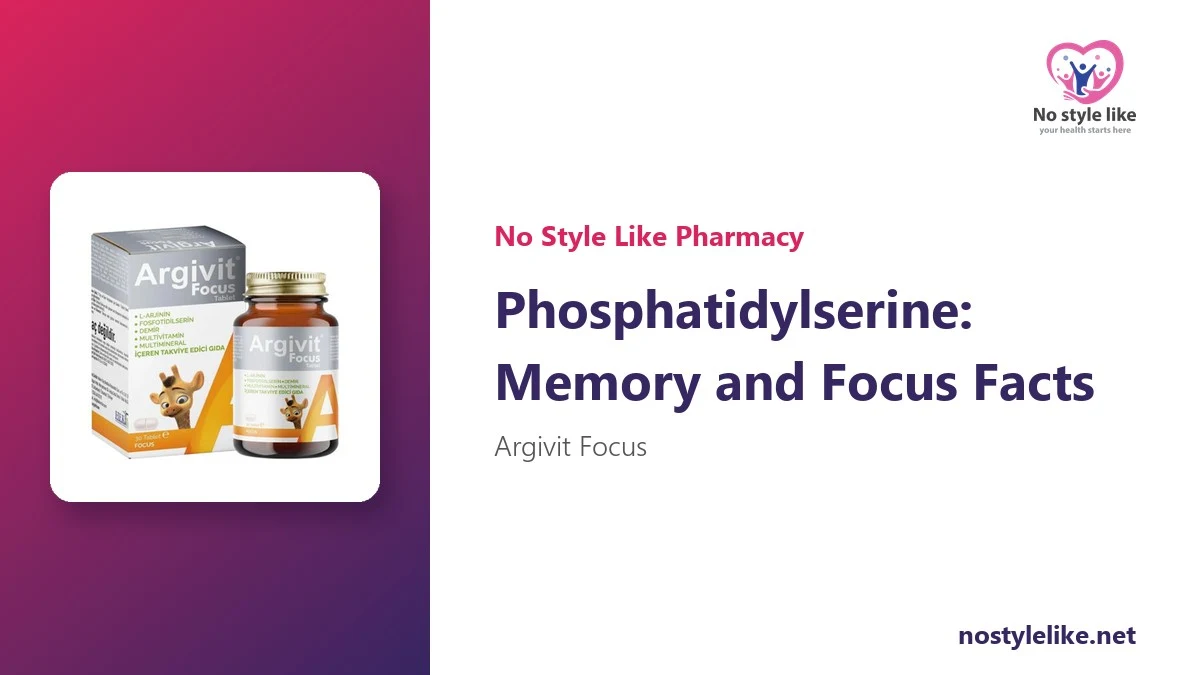
You will also find it in combination formulas such as Argivit Focus, which provides 100 mg of phosphatidylserine with 500 mg of arginine, iron, zinc and vitamin D in one daily tablet for ages 11 and up.
6. Side Effects and Warnings
- Mild stomach upset or gas, especially at doses above 300 mg.
- Trouble sleeping in some people if taken in the evening.
- Ask a doctor if you take blood thinners or medicines that affect acetylcholine.
- Avoid during pregnancy and breastfeeding because data are lacking.
How to Get the Most From It
No supplement makes up for short sleep, too much screen time or a poor diet. Combine it with enough rest by reading how much sleep do teenagers need, and check the basics in vitamins for studying.
Do You Need a Phosphatidylserine Supplement?
Most healthy people get some phosphatidylserine from food, and the body makes the rest. Some people still consider a supplement, such as students under heavy study pressure, people whose diet is low in meat and fish, or older adults who notice mild memory changes.
Either way, start by reviewing sleep, diet, iron and vitamin D, because those shortfalls are more common and affect focus more than low phosphatidylserine itself. If you decide to use it, choose a trusted product with a clear dose on the label and avoid stacking several products that contain it.
Frequently Asked Questions About Phosphatidylserine
Is it suitable for children?
Some formulas are designed for specific ages; ask a doctor or pharmacist before giving it to a child.
How long until it works?
In studies it was usually taken for 6 to 12 weeks before results were assessed.
Does it raise intelligence?
No. It supports normal brain function but does not raise IQ.
Morning or evening?
Morning with food is best, especially if you notice it affects your sleep.
Can I take it with omega-3?
Yes. Several studies combined phosphatidylserine with omega-3, and the two are generally taken together safely.
Conclusion
Phosphatidylserine is a natural part of brain cell membranes, and limited research suggests a supporting role in memory and focus. Use it at moderate doses, and do not treat it as a cure for ADHD or memory loss. You can find it with iron and vitamins in Argivit Focus at No Style Like Pharmacy.
This article was reviewed by the No Style Like pharmacy content team. It is for general awareness only. Food supplements are not medicines intended to diagnose or treat any disease, and this article does not replace medical advice.
Ask your doctor before giving focus supplements to children or using them with any long-term medicine. For more information see the NIH iron fact sheet.