


Vitamins for Studying: 7 Nutrients Students Actually Need and What Does Not Help
Do Vitamins for Studying Really Exist?
As exams approach, parents often ask the pharmacist about vitamins for studying. The truth is that vitamins will not turn anyone into a genius, but low levels of certain nutrients clearly weaken focus and energy. Here are 7 nutrients students actually need, and what does not help.
1. Iron: The Most Important of All Vitamins for Studying in Girls
Iron is a mineral rather than a vitamin, but it tops the list. Low iron causes tiredness, dizziness and poor attention, and it is common in teenage girls because of periods, and in anyone who eats little meat.
2. Vitamin D
Despite the sunshine, vitamin D deficiency is common in Egypt because students spend long hours indoors and in classrooms. Low vitamin D is linked to fatigue and weaker bones and immunity. Read more in vitamin D3 2000 IU.
3. Vitamin B12 and Folate
Both are needed for the nervous system and for making blood. B12 runs low in vegetarians and in anyone who rarely eats meat or dairy, and deficiency can cause tiredness and memory problems.
4. Iodine and Zinc
Iodine is essential for the thyroid, which affects energy and focus; its main sources are iodized salt and fish. Zinc supports immunity and growth and tends to be low in diets poor in protein.
5. Omega-3
Fatty acids such as DHA are part of brain structure and are found in oily fish such as sardines and salmon. For students who do not eat fish, a supplement may be worth considering.
6. Focus-Supporting Ingredients
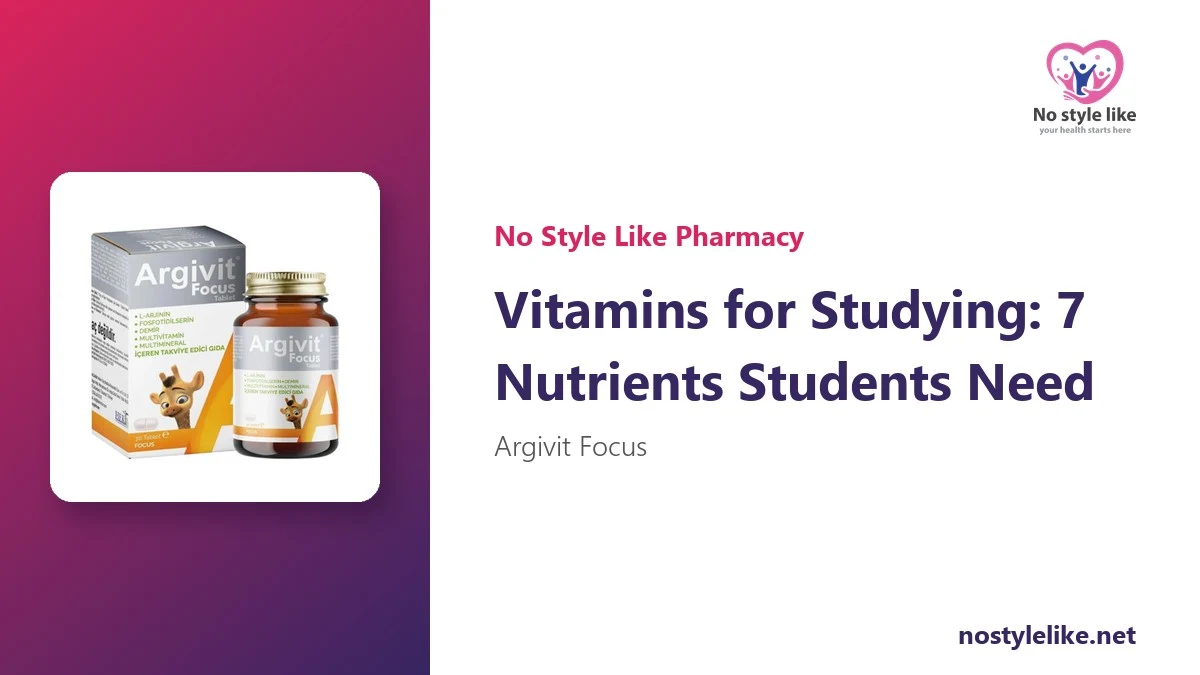
Some products add ingredients such as phosphatidylserine and arginine. One example is Argivit Focus, which combines 100 mg of phosphatidylserine and 500 mg of arginine with iron, zinc, vitamin D and B vitamins in one daily tablet from age 11. These formulas are convenient, but they do not replace food and sleep. For younger children, see the kids vitamins guide.
7. Sleep Comes Before Any Vitamins for Studying
No supplement makes up for late nights. The brain locks in what a student learned while asleep, and teenagers need 8 to 10 hours a night. Read the details in our teen sleep guide.
A Sample Study-Day Menu
- Breakfast: eggs or beans with wholegrain bread and a glass of milk for protein and vitamin B12.
- Lunch: meat, chicken or fish with vegetables and rice or pasta, plus lemon or salad to help iron absorption.
- Study snacks: nuts, fruit or yogurt instead of chips and sweets.
- Dinner: light, two hours before bed, such as cheese and vegetables or oats.
- Water: 6 to 8 glasses a day, since even mild dehydration dulls focus.
This kind of day covers much of a student’s needs, and vitamins for studying then act as a top-up when a shortfall exists.
What Does Not Help Students
- Energy drinks: high caffeine and sugar that cause palpitations and insomnia, then an energy crash.
- Stimulant medicines without a prescription: ADHD medicines are not study aids and can be dangerous.
- Mega-doses of vitamins: more is not better for focus, and some, such as vitamin A and iron, can cause harm.
- Stacking several supplements: this repeats the same nutrients at excessive doses.
When to Test Before Choosing Vitamins for Studying
If a student has persistent tiredness, paleness, hair loss or dizziness, it is better to check a blood count, ferritin and vitamin D before choosing a supplement. A clear deficiency needs treatment doses from a doctor, not an ordinary multivitamin.
Frequently Asked Questions
When should we start vitamins for studying before exams?
At least two months before, because correcting a deficiency takes weeks.
Is coffee useful for studying?
A moderate amount in the morning can help alertness, but avoid it after mid-afternoon so it does not ruin sleep.
Do vitamins help a student who eats well?
The difference is usually small; the biggest benefit is for students with a deficiency or an unbalanced diet.
Do vitamins for studying differ for boys and girls?
Needs are similar, but girls after puberty need more attention to iron because of periods.
Are gummy vitamins as good as tablets?
They can be, but many contain sugar and often lack iron, so check the label.
Conclusion
The best vitamins for studying are the ones that correct a real shortfall: iron, vitamin D, B12, iodine, zinc and omega-3, together with enough sleep and a balanced diet. Ask the No Style Like pharmacist which option suits the student’s age.
This article was reviewed by the No Style Like pharmacy content team. It is for general awareness only. Food supplements are not medicines intended to diagnose or treat any disease, and this article does not replace medical advice.
Do not give a student high-dose iron or vitamin supplements without a blood test and medical advice. For more information see the NIH iron fact sheet.