


Black Seed Oil Benefits: 6 Research Findings and Safety Tips
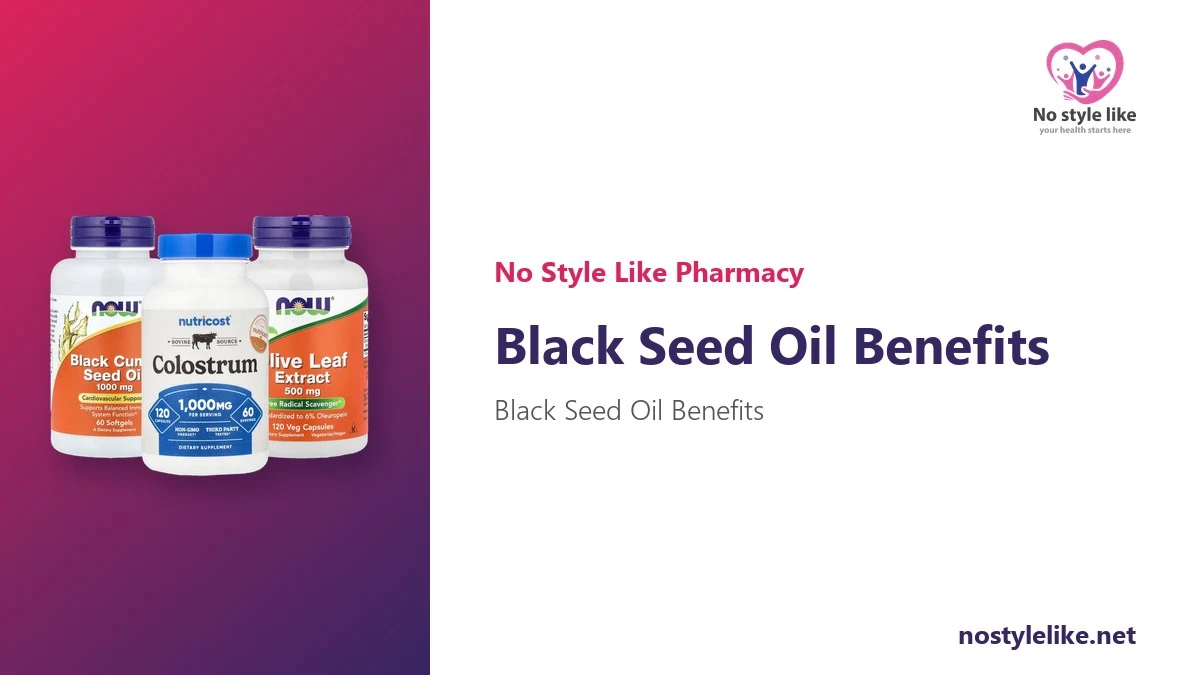
Black Seed Oil Benefits: Tradition Meets Research
Black seed, known in Egypt as habbat al-baraka, comes from the Nigella sativa plant and has been used in Middle Eastern and South Asian traditional medicine for centuries. Many families keep a bottle of the oil at home, and the popular saying that it is “a cure for every disease” is often repeated. This guide separates the real black seed oil benefits shown in studies from the claims that go far beyond the evidence, and explains who should be careful.
What Is in Black Seed Oil?
To understand black seed oil benefits, start with the oil itself. It is pressed from the small black seeds of Nigella sativa. Its best studied active compound is thymoquinone, which shows antioxidant and anti-inflammatory effects in laboratory and animal research. The oil also contains unsaturated fatty acids, mainly linoleic acid, plus smaller amounts of other plant compounds. The amount of thymoquinone varies widely between products depending on the seed source, storage and extraction method, which is one reason study results are not always consistent.
6 Black Seed Oil Benefits Studied in Humans
Most human trials of black seed oil benefits are small, short and often from a limited number of countries. Consider the following black seed oil benefits as promising signals rather than proven treatments.
- Blood sugar. Several small trials in people with type 2 diabetes reported modest drops in fasting glucose and HbA1c when black seed was added to usual treatment. This is one of the better studied black seed oil benefits, but it does not replace diabetes medicines.
- Blood pressure. Meta-analyses of small studies suggest a small reduction in systolic and diastolic pressure, mainly in people with mildly raised readings.
- Blood lipids. Some trials showed small improvements in total cholesterol, LDL and triglycerides, though the quality of the studies varies.
- Asthma. A few small trials reported better symptom control and lung function scores as an add-on to inhalers. Inhalers remain essential, and black seed oil benefits here are only supportive.
- Inflammation markers. Some studies found lower CRP and other markers, but the clinical meaning is unclear.
- Immune support. Lab studies show effects on immune cells, but among black seed oil benefits this is the least proven, with no solid proof that the oil prevents colds or infections in people.
Cultural Value Versus Scientific Evidence
The respect black seed holds in our culture is real and deserves understanding. Still, the evidence behind black seed oil benefits is not strong enough to treat diabetes, high blood pressure, asthma, liver disease or cancer. A common mistake is stopping prescribed medicines and relying on the oil alone, which can be dangerous. The sensible approach is to view the oil as a possible supplement alongside treatment, after discussing it with your doctor.
Safety, Side Effects and Interactions
Any discussion of black seed oil benefits must include safety. In food amounts black seed is generally safe, but concentrated oil needs more care.
- Diabetes medicines: the oil may lower blood sugar further, so monitor your readings if you take metformin, sulfonylureas or insulin.
- Blood pressure medicines: it may add to their effect and cause dizziness.
- Anticoagulants and surgery: it may affect clotting, so ask your doctor if you take warfarin or antiplatelets, and stop it about two weeks before surgery.
- Kidney and liver: rare cases of kidney and liver problems have been reported with high doses. People with kidney or liver disease should ask their doctor first.
- Skin allergy: applying the oil to the skin can cause contact dermatitis in some people. Test a small area first.
- Pregnancy and breastfeeding: avoid concentrated oil unless your doctor approves.
Mild stomach upset, nausea and bloating are the most common side effects of oral use, so taking it with meals lets you try black seed oil benefits more comfortably.
Choosing a Quality Oil and How to Use It
| What to look for | Why it matters |
|---|---|
| Cold pressed | Avoids heat that can damage sensitive compounds |
| Hexane free | No chemical solvent residues |
| Trusted brand and sealed pack | Lower risk of adulteration or rancid oil |
| Softgels | Fixed dose and no strong taste |
NOW Black Cumin Seed Oil 1000 mg provides 1,000 mg of organic, cold pressed, hexane-free oil per softgel, with vitamin E added as an antioxidant. The label suggests 1 softgel 1 to 3 times daily with food, for adults only. The softgel shell is bovine gelatin. Good storage helps preserve black seed oil benefits, so keep it in a cool, dry place after opening.
Other Immune Support Options
Black seed oil benefits work best alongside healthy habits, because no single supplement replaces sleep, a balanced diet, physical activity and vaccinations. Zinc and selenium are among the nutrients with the clearest role in immunity; read more in zinc deficiency and selenium benefits. You may also like our guides to olive leaf extract benefits and colostrum benefits. Immune-related products available at No Style Like:
- NOW Black Cumin Seed Oil 1000 mg: 1,000 mg of organic, cold pressed, hexane-free Nigella sativa oil per softgel with added vitamin E; 1 softgel 1 to 3 times daily with food. 60 softgels, adults only.
- NOW Olive Leaf Extract 500 mg: 500 mg of olive leaf extract standardized to at least 6% oleuropein (about 30 mg) per veg capsule; 1 capsule 1 to 3 times daily as needed. 120 capsules.
- Solaray Rose Hips 550 mg: 550 mg of Rosa canina fruit per VegCap; 1 VegCap three times daily with a meal or a glass of water. The label does not state a vitamin C amount.
- Nature’s Truth Super 8 Mushroom Complex: maitake, shiitake, reishi, chaga, cordyceps, lion’s mane, oyster and turkey tail in small amounts; 1 vegan capsule daily, preferably with a meal. 60 capsules.
- Nutricost Colostrum 1000 mg: 1,000 mg of bovine colostrum per 2 capsules (500 mg each); 2 capsules daily with 250 to 350 ml of water. Contains milk; for healthy adults 18 and over.
Avoid combining several supplements that lower blood sugar or blood pressure without your doctor knowing.
FAQ About Black Seed Oil Benefits
Can I take black seed oil on an empty stomach?
Many people do so traditionally, but taking it with food reduces stomach upset, which is why the label advises use with food.
Is black seed oil the same as black cumin or nigella?
Yes, these names all refer to Nigella sativa. It is different from regular cumin and from black sesame.
How long until I notice an effect?
Studies usually lasted 8 to 12 weeks. Black seed oil benefits, if any, are gradual and modest.
Can children take it?
The softgel product is for adults only. Ask a pediatrician before giving any concentrated oil to a child.
Conclusion
Black seed oil benefits for blood sugar, blood pressure, lipids and asthma are supported by small human studies, and its antioxidant compound thymoquinone explains much of the interest. It is not a cure for any disease, and it can interact with diabetes, blood pressure and blood-thinning medicines. Choose a cold pressed oil from a trusted source, and talk to your doctor if you have a chronic condition. NOW Black Cumin Seed Oil is available at No Style Like Pharmacy.
This article was reviewed by the No Style Like pharmacy content team. It is for general awareness only and does not replace advice from your doctor or pharmacist.
Black seed oil is a supplement and does not replace prescribed treatment for diabetes, blood pressure or asthma. For more information see the Memorial Sloan Kettering Nigella sativa monograph.