


Ginsana Side Effects: 8 Reactions and Interactions to Know
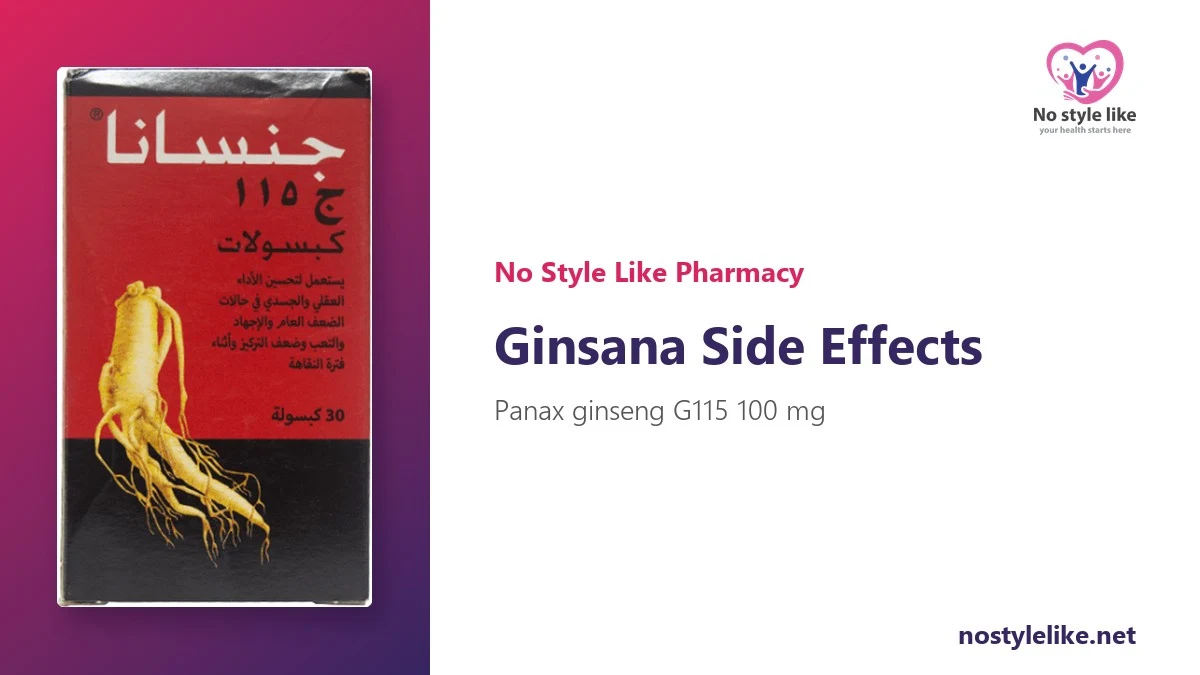
Ginsana Side Effects: Is a Herbal Supplement Always Safe?
Being herbal does not mean being risk-free. Ginsana G115 contains standardised Asian ginseng extract, an active substance that can cause side effects and interact with some medicines. Knowing the possible Ginsana side effects helps you use it safely, or avoid it if it is not right for you. Here are 8 key points from the product information and scientific references.
1. Common Ginsana Side Effects
Most people tolerate ginseng at the labelled dose, but some may notice:
- Trouble sleeping, especially with late doses.
- Nervousness or restlessness.
- Headache.
- Stomach upset or diarrhoea.
- Raised or lowered blood pressure.
- Allergic skin reactions, which are rare.
Sticking to the label dose and taking it in the morning reduces some of these Ginsana side effects, as explained in Ginsana dosage.
2. Warfarin and Other Anticoagulants
Ginseng may reduce the effect of warfarin and other coumarin anticoagulants, which could raise the risk of clots. If you take warfarin, do not start or stop Ginsana without your doctor, and your INR should be monitored when you start or stop.
3. Diabetes Medicines and Insulin
One of the more important Ginsana side effects for people with diabetes is its effect on blood sugar. Ginseng may lower blood sugar, so combined with insulin or other diabetes medicines, levels may drop more than expected. Monitor your readings and tell your doctor before starting. Signs of low blood sugar include shaking, sweating, strong hunger and dizziness.
4. MAO Inhibitors, Stimulants and Caffeine
Do not combine ginseng with MAO inhibitors such as phenelzine unless your doctor agrees. Taking it with stimulants or large amounts of coffee and energy drinks may also make Ginsana side effects such as nervousness and insomnia worse. This matters for anyone using it while studying, as discussed in Ginsana for concentration.
5. Blood Pressure and the Heart
Changes in blood pressure are among the possible Ginsana side effects: references note that ginseng can raise or lower blood pressure in some people. If you have uncontrolled high blood pressure or a heart rhythm problem, ask your doctor before using it.
6. Pregnancy, Breastfeeding and Children
There are not enough studies to define Ginsana side effects on an unborn baby or a breastfed infant, so it is not recommended during pregnancy or breastfeeding. It is also not intended for children under 12. If you find out you are pregnant while using it, stop and tell your doctor.
7. Surgery and Other Situations That Need Care
- Upcoming surgery: stop about 1 to 2 weeks before and tell your surgeon and anaesthetist.
- Immunosuppressants: check with your doctor before use.
- Hormone-sensitive conditions: ask your doctor first.
- Allergy to ginseng or any capsule ingredient: do not use it.
| Condition or medicine | What to do |
|---|---|
| Warfarin | Ask your doctor and monitor INR |
| Diabetes medicines and insulin | Monitor blood sugar |
| MAO inhibitors | Do not combine without your doctor |
| Caffeine and stimulants | Cut down |
| Pregnancy and breastfeeding | Not recommended |
| Surgery | Stop 1 to 2 weeks before |
8. When to Stop and Seek Help
Most Ginsana side effects are mild and fade once you stop, but some signs mean you should stop at once and contact a doctor, especially if you take medicines for the heart, blood sugar or blood thinning:
- Palpitations or a racing heartbeat.
- Severe headache.
- Skin rash or itching.
- Swelling of the face, lips or tongue, or difficulty breathing, which is an emergency.
- Signs of very low blood sugar in people with diabetes.
Frequently Asked Questions About Ginsana Side Effects
Do Ginsana side effects happen at the normal dose?
Mild effects such as insomnia or headache can appear in some people even at the labelled dose, and they often ease when it is taken in the morning with less caffeine.
Does it raise blood pressure?
It may raise or lower it in some people, so ask your doctor if your blood pressure is not well controlled.
Can I use it long term?
If you see no benefit after a few weeks, or tiredness continues, see your doctor to look for a cause instead of carrying on. Read about the plant in ginseng benefits.
Is it safe because it is natural?
Not automatically. Natural products can still cause side effects and interactions, so always tell your doctor and pharmacist about every supplement you take.
Conclusion
Ginsana side effects are usually mild, such as insomnia, headache and stomach upset. However, interactions with warfarin, diabetes medicines and MAO inhibitors, and the need for caution in pregnancy, breastfeeding, blood pressure problems and before surgery, make a doctor’s advice essential for anyone on long-term medicines. Ginsana G115 capsules are available at No Style Like pharmacy; store them below 25 C, out of the reach of children.
This article was reviewed by the No Style Like pharmacy content team. It is for general awareness only and does not replace advice from your doctor or pharmacist. Ginsana is a herbal supplement, not a treatment for any disease.
Stop the product and seek medical help for palpitations, severe headache, rash or swelling. For more information see the MSKCC Asian ginseng page.