


Ginsana for Concentration: 6 Facts Before You Try It
Ginsana for Concentration: Realistic Expectations
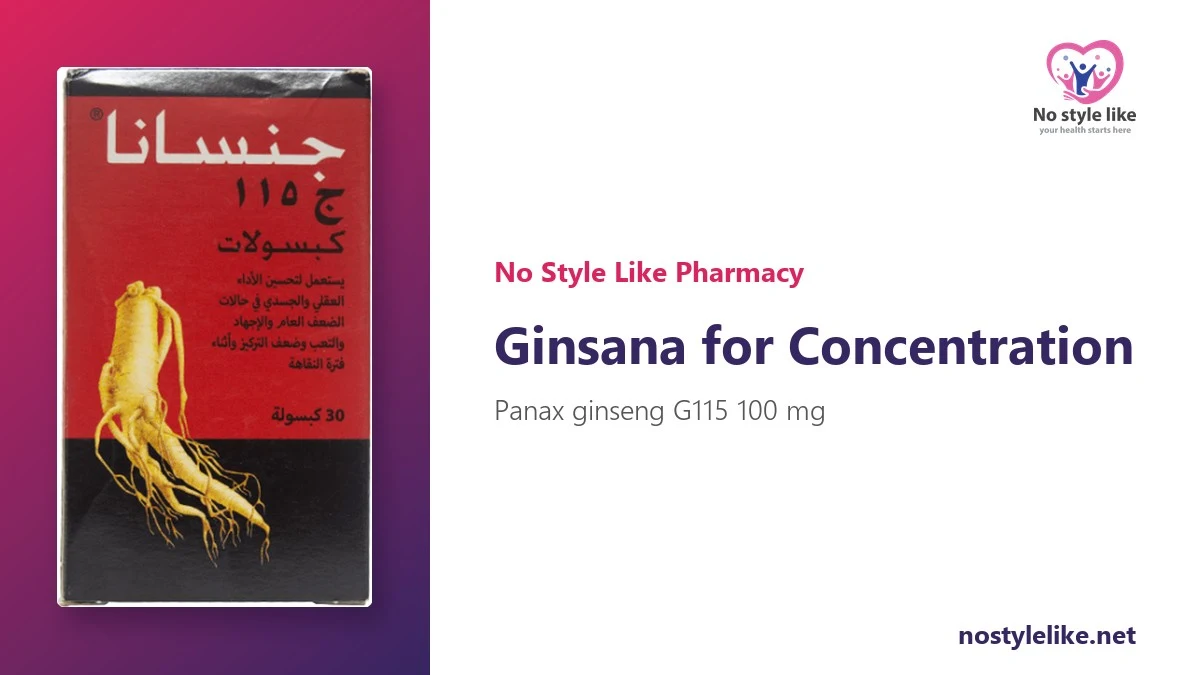
Many students and busy workers look for a supplement to help them stay focused during stressful weeks, and Ginsana for concentration is a common question at the pharmacy counter. Ginsana G115 is a herbal supplement made from Asian ginseng extract. Its pack says it is used to improve mental and physical performance in cases of general weakness, exhaustion, tiredness, poor concentration and convalescence. Here are 6 facts to help you set realistic expectations before you try it.
1. What the Evidence Says About Ginsana for Concentration
Studies of Asian ginseng on mental performance and fatigue have given modest and mixed results, as the US National Center for Complementary and Integrative Health (NCCIH) explains. Some trials show a small improvement in certain attention tests or in feelings of tiredness, while others show no clear difference. So using Ginsana for concentration may support performance in some people, but it is not an instant stimulant and it cannot guarantee any result.
2. What Is in the Capsule?
Each capsule of Ginsana G115 capsules contains 100 mg of the standardised ginseng extract G115, standardised to 4 mg of ginsenosides. Standardisation means the amount of active compounds is consistent from capsule to capsule, which sets a standardised extract apart from unstandardised root powder. To learn more about the plant, see our article on ginseng benefits.
3. How to Use Ginsana for Concentration Correctly
- Adults: 2 capsules daily, as stated on the pack.
- Adolescents aged 12 and over: 1 capsule daily. It is not for children under 12.
- Take it with breakfast or in the first half of the day, because a late dose may disturb sleep.
- Allow a few weeks of regular use before judging whether Ginsana for concentration helps you.
- Avoid combining it with large amounts of coffee or energy drinks.
Timing and missed doses are covered in detail in Ginsana dosage.
4. It Does Not Replace Sleep or Guarantee Better Grades
No supplement makes up for lack of sleep. Ongoing late nights weaken memory and attention far more than any capsule can fix. Ginsana for concentration does not promise better exam results. The foundations are 7 to 9 hours of sleep, studying in focused blocks with short breaks, drinking enough water, eating a balanced diet and staying physically active. If you try Ginsana for concentration, treat it as a possible helper alongside these habits, not a replacement for them.
5. Causes of Poor Concentration That Need a Doctor
Persistent poor concentration can be a sign of a health problem that needs checking, not just tiredness. Causes your doctor may look for include:
- Anaemia and iron deficiency.
- Thyroid disorders.
- Vitamin D or vitamin B12 deficiency.
- Sleep disorders such as sleep apnoea.
- Depression and anxiety.
- Diabetes or unstable blood sugar.
- Side effects of other medicines.
If poor focus or fatigue lasts beyond a few weeks, or comes with weight loss, persistent low mood or severe daytime sleepiness, see a doctor. If a child under 12 is struggling to concentrate at school, a doctor is the first step, not supplements.
6. Who Should Be Careful With Ginsana for Concentration?
This product is not suitable for everyone. Ask your doctor first if you are pregnant or breastfeeding, take warfarin, diabetes medicines or MAO inhibitors, have uncontrolled high blood pressure or heart rhythm problems, or have surgery coming up. It can cause insomnia, nervousness and headache in some people, especially with caffeine. The full list is in Ginsana side effects.
Frequently Asked Questions
Will Ginsana for concentration work within an hour before an exam?
No. Any possible effect is gradual and takes weeks; it is not an instant stimulant.
Can a secondary school student use it?
From age 12 the dose is 1 capsule daily, and it is best to ask a doctor or pharmacist first.
Can I take it with coffee?
It is better to cut down on caffeine, because the combination may increase nervousness and insomnia.
When should I stop trying Ginsana for concentration?
If you notice no difference after a few weeks of regular use, or you develop insomnia, nervousness or palpitations, stop and talk to your doctor or pharmacist. Poor focus that continues despite good sleep and organisation deserves a check for the health causes listed above, rather than trying one supplement after another.
Is it better than other energy supplements?
That varies from person to person. You will find a general comparison in our guide to energy supplements.
Conclusion
Ginsana for concentration is a herbal option that may support mental performance in some people during periods of exhaustion, but the evidence is modest and mixed. It does not replace sleep, good study habits or a medical evaluation of persistent poor focus. Ginsana G115 capsules are available at No Style Like pharmacy.
This article was reviewed by the No Style Like pharmacy content team. It is for general awareness only and does not replace advice from your doctor or pharmacist. Ginsana is a herbal supplement, not a treatment for any disease.
Persistent poor concentration needs a medical evaluation and is not something a herbal supplement can fix on its own. For more information see the NCCIH Asian ginseng page.