


Glucosamine Benefits: 6 Possible Benefits for Your Joints and What Research Honestly Shows
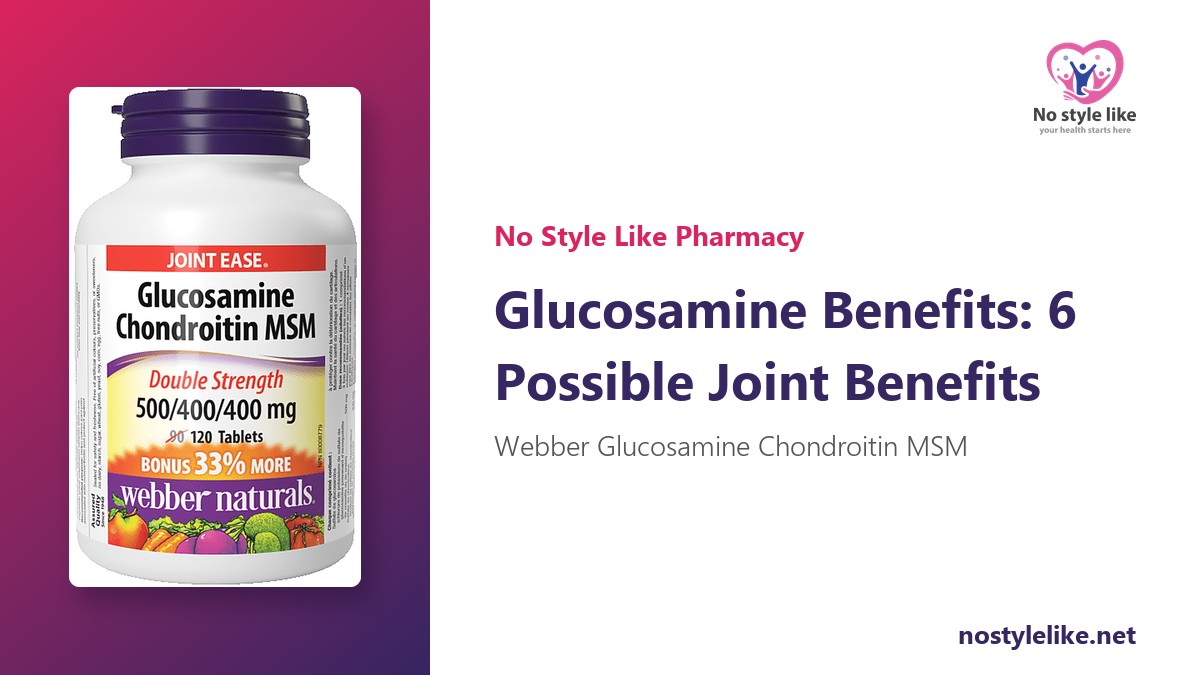
Glucosamine Benefits: Between Hope and Evidence
Glucosamine is one of the best-selling joint supplements in the world, used by millions of people to ease knee pain and osteoarthritis. But what are the real glucosamine benefits, and is it worth trying? In this article we review the possible benefits and what research honestly shows, so your expectations stay realistic.
What Is Glucosamine?
Glucosamine is a natural substance in cartilage and a building block of the molecules that give it structure and flexibility. In supplements it is usually made from the shells of shellfish such as shrimp and crab. It comes in two main forms – glucosamine sulfate and glucosamine hydrochloride – and the sulfate form has been studied most.
1. Helping to Ease Osteoarthritis Pain
The best-known of the hoped-for glucosamine benefits is relief of joint pain linked to osteoarthritis, especially in the knee. Some people notice improvement after a few weeks, and some health authorities, such as Health Canada, allow this claim for licensed products. However, large studies have produced mixed results.
2. Supporting Cartilage Maintenance
Because it is a natural cartilage component, glucosamine is thought to help slow cartilage wear. Evidence for this structural effect is not yet certain.
3. Better Movement and Flexibility
Some users notice easier movement and less morning stiffness, especially after sticking to the full dose for several weeks.
4. Working Alongside Chondroitin and MSM
Many products combine glucosamine with chondroitin sulfate and MSM in the hope of complementary effects. One example is Webber Glucosamine Chondroitin MSM, which combines all three at double strength.
5. A Possible Way to Rely Less on Painkillers
Some people hope to reduce their use of pain relievers. That decision belongs to your doctor – never stop any treatment without advice.
6. A Relatively Good Safety Profile
One advantage is that side effects are usually mild, such as stomach upset. This makes it a reasonable option to try for a set period with your doctor’s agreement.
What Does Research Honestly Show?
According to the US National Center for Complementary and Integrative Health (NCCIH), research on glucosamine and chondroitin for knee osteoarthritis has produced inconsistent results, and it remains uncertain whether they ease symptoms or affect joint structure. So glucosamine benefits vary from person to person, and a 2–3 month trial followed by an honest review is the realistic approach.
Who Gets the Most from Glucosamine Benefits?
People with mild to moderate knee osteoarthritis who combine the supplement with exercise and weight loss tend to have the best chance of noticing glucosamine benefits. Those with severe joint damage are less likely to see a clear change.
Sulfate vs Hydrochloride
Glucosamine sulfate is the form used in most studies that reported positive results, while hydrochloride has shown weaker results in some research. Many pharmacists therefore prefer a sulfate product when looking for glucosamine benefits.
Who Should Avoid Glucosamine?
- People with seafood allergy, if the source is shellfish.
- People taking warfarin, unless under medical supervision.
- Pregnant or breastfeeding women, unless their doctor advises it.
Glucosamine Benefits FAQ
When do the benefits appear?
After at least 4 weeks, with a real assessment after 2–3 months.
Does it help young people and athletes?
Some athletes use it for support, but the evidence is stronger in osteoarthritis.
Does it raise blood sugar?
Studies have not shown a major effect, but people with diabetes should monitor their readings as a precaution.
What is the usual dose?
Read our guide to glucosamine dosage.
Conclusion
The possible glucosamine benefits centre on easing osteoarthritis pain and supporting movement, with mixed evidence that makes results individual. Try it at the right dose for long enough, alongside exercise and weight loss. You can find Webber Glucosamine Chondroitin MSM at No Style Like pharmacy.
This article was reviewed by the No Style Like pharmacy content team. It is for general awareness only. Glucosamine and chondroitin are dietary supplements, not medicines intended to diagnose or treat any disease, and this article does not replace advice from your doctor or pharmacist.
Do not expect instant results; review the benefit with your doctor after enough time. Avoid shellfish-derived glucosamine if you have a seafood allergy, and talk to your doctor if you take warfarin or are pregnant or breastfeeding. Keep supplements out of the reach of children. For more information see the NCCIH page on glucosamine and chondroitin.