


Omega-3 for Heart Health: 7 Facts on Triglycerides, Trials and Safe Doses
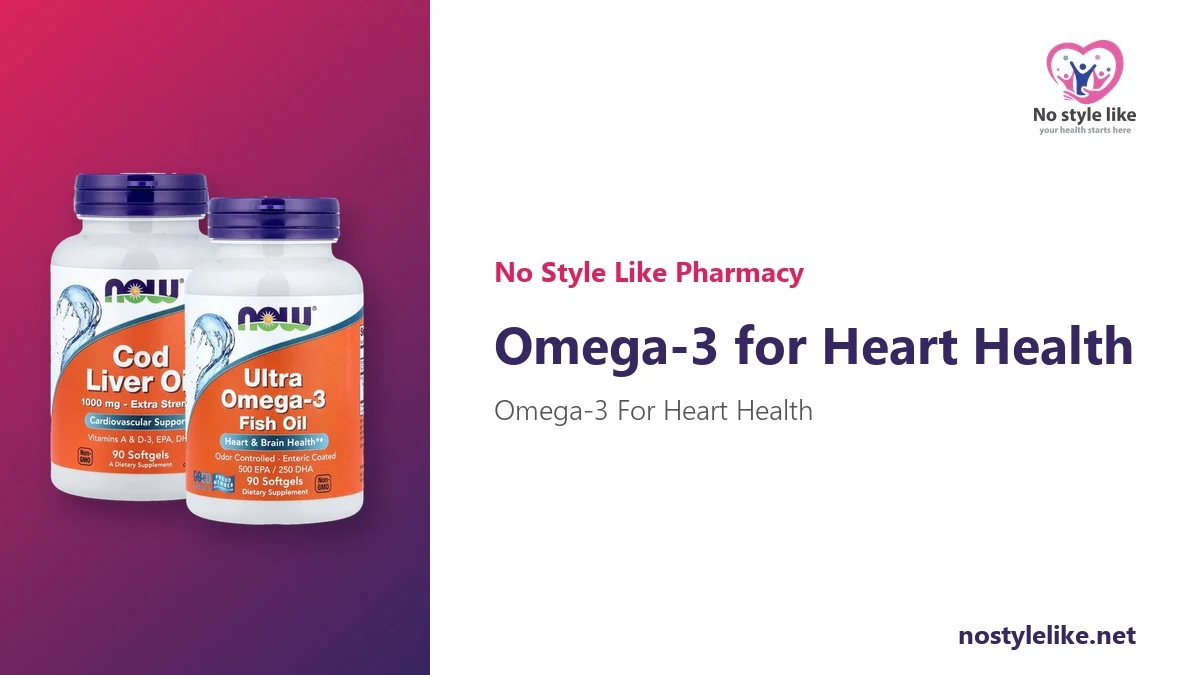
Does omega-3 for heart health really work?
Many people take omega-3 for heart health hoping to prevent a heart attack. The truth is more nuanced: supplements clearly lower triglycerides, but evidence that they prevent heart attacks in the general population is mixed. Here are 7 facts based on the major trials.
For the broader overview of omega-3 fats and food sources, see our omega-3 guide.
1. Omega-3 for heart health lowers triglycerides
This is the clearest proven effect. Doses of 2 to 4 g a day of EPA plus DHA can lower triglycerides by roughly 20 to 30 percent in people with high levels. When people use omega-3 for heart health this way, these are high doses taken under medical supervision, not the amount in a single capsule.
2. Prevention in the general population: mixed results
In the VITAL trial, more than 25,000 adults took 1 g of omega-3 a day, and major cardiovascular events were not significantly reduced. In ASCEND, among people with diabetes, serious vascular events were not reduced either. So omega-3 for heart health is not a substitute for treatment or for controlling blood pressure and cholesterol.
3. Prescription omega-3 is a different product
The REDUCE-IT trial showed fewer cardiovascular events with icosapent ethyl at 4 g a day, a purified prescription form of EPA, in high-risk patients on statins with raised triglycerides. This does not mean ordinary fish oil supplements give the same result. To learn what each fat does, read EPA vs DHA.
4. Atrial fibrillation at higher doses
Pooled analyses of several trials found a small increase in the risk of atrial fibrillation with omega-3 supplements, more noticeable at doses above 1 g a day and up to 4 g. Anyone with a heart rhythm problem considering omega-3 for heart health should talk to their doctor before starting, and seek care promptly for palpitations or dizziness.
5. Blood thinners and surgery
Omega-3 may increase bleeding tendency when combined with warfarin or antiplatelet drugs such as aspirin and clopidogrel. Tell your doctor about the supplement and stop it before surgery as instructed.
6. How much omega-3 for heart health do our products give?
| Product and daily dose | EPA | DHA | Total EPA + DHA per day | Extras |
|---|---|---|---|---|
| NOW Cod Liver Oil 1000 mg: 1 softgel with a meal | 70 mg | 100 mg | 170 mg | Vitamin A 300 mcg RAE and vitamin D3 400 IU |
| NOW Ultra Omega-3: 1 softgel with food | 500 mg | 250 mg | 750 mg | No added vitamins, enteric coated |
| NOW Ultra Omega-3: 2 softgels with food | 1,000 mg | 500 mg | 1,500 mg | Upper end of the label dose |
A NOW Cod Liver Oil softgel gives a small amount along with vitamins A and D, so it should not be multiplied to reach a higher dose. NOW Ultra Omega-3 gives 750 to 1,500 mg a day at the label dose. For the comparison between them read cod liver oil vs fish oil.
7. Food comes first
Heart organizations recommend eating oily fish twice a week, together with daily activity, not smoking and cutting down on sugar and refined carbs, which raise triglycerides. Fish provides omega-3 along with protein, selenium and vitamin D, making it the best first step for omega-3 for heart health.
Is omega-3 for heart health right for everyone?
No. People with a fish allergy should avoid it, and anyone taking blood thinners or living with a heart rhythm disorder should check with their doctor first. The same applies before surgery or with liver disease. A healthy person who eats fish regularly usually does not need a supplement, and is better served by a balanced diet, physical activity and regular checks of blood pressure and blood fats. For long-term habits read our healthy aging guide.
When to see a doctor
- Chest pain or pressure, or shortness of breath: call emergency services immediately.
- Irregular heartbeat or dizziness after starting a supplement.
- Unusual bruising or bleeding while on blood thinners.
- Very high triglycerides, which need medical treatment.
FAQ: omega-3 for heart health
Can it replace my cholesterol medicine?
No. It does not meaningfully lower LDL cholesterol, so never stop a prescribed medicine on your own.
Can I take it with aspirin?
Ask your doctor first, as the combination may increase bleeding.
When should I take it?
With food, which improves absorption and reduces burping.
Conclusion
Omega-3 for heart health lowers triglycerides, but preventing heart attacks in the general population is not proven, and prescription omega-3 is a different product. Eat fish twice a week, stick to the label dose, and talk to your doctor if you take blood thinners or have a rhythm problem. Both NOW products are available at No Style Like pharmacy.
This article was reviewed by the No Style Like pharmacy content team. It is for general awareness only and does not replace advice from your doctor or pharmacist.
Supplements do not treat heart disease or replace prescribed medicines. For more information see the NCCIH page on omega-3 supplements.