



Description
⚡ Quick Answer
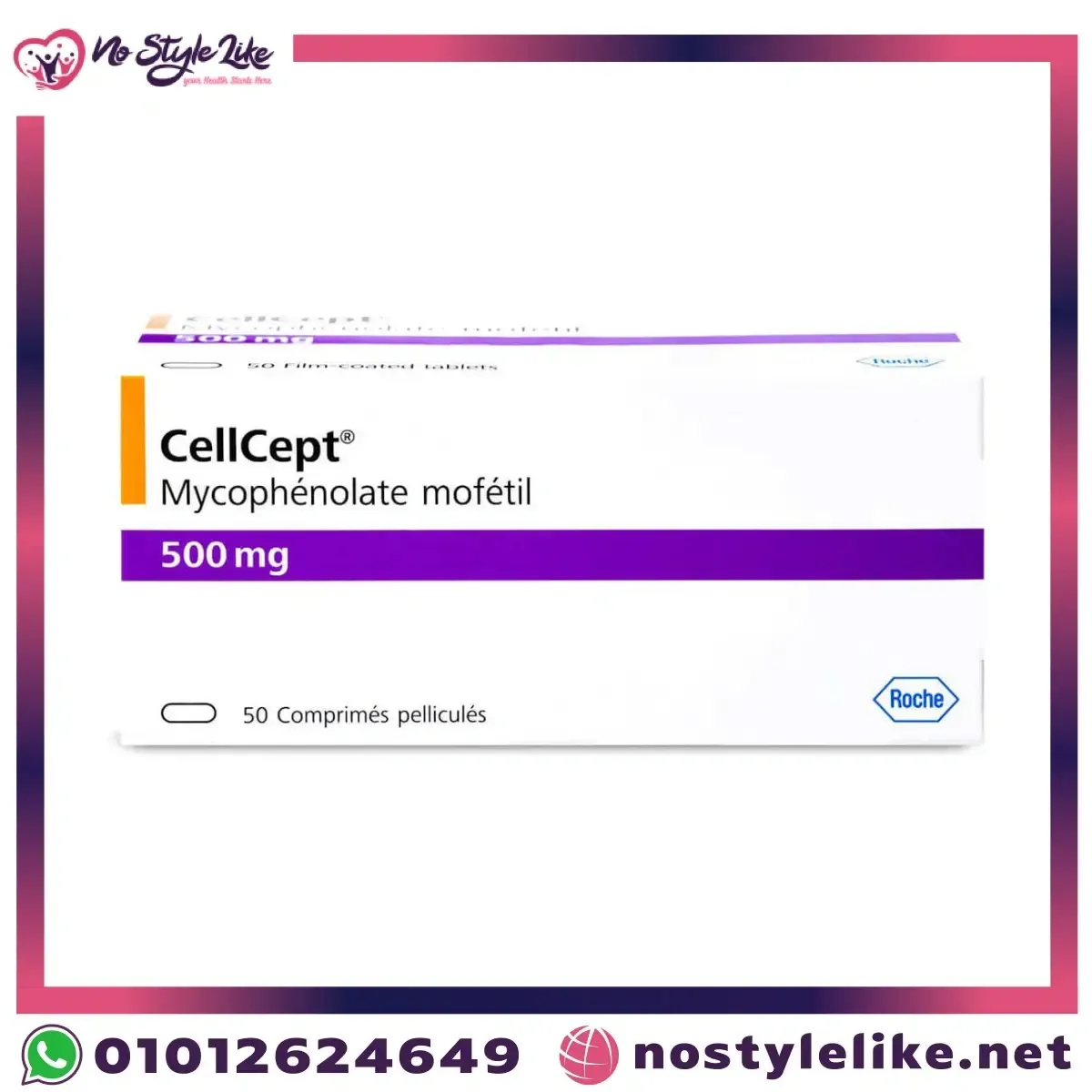
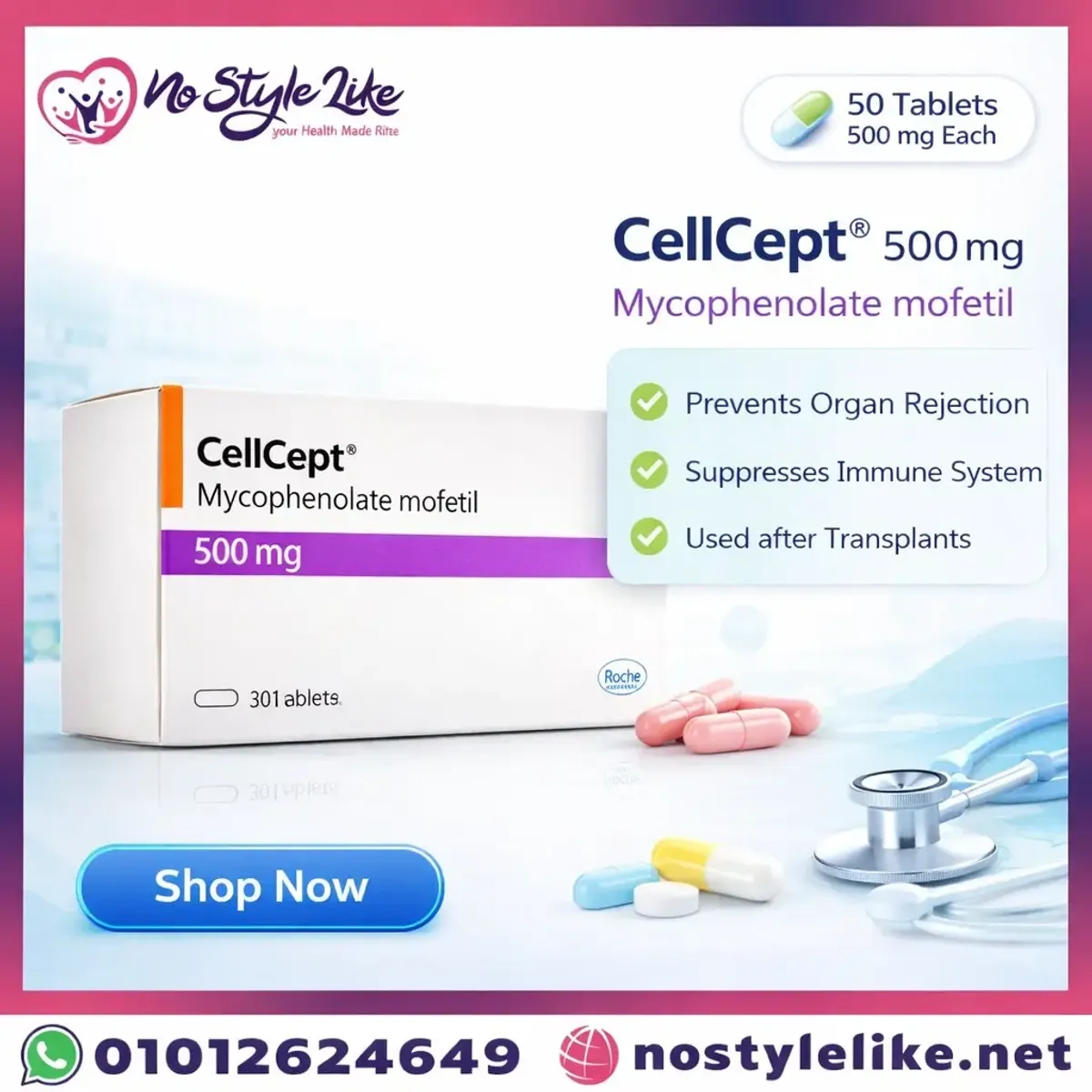
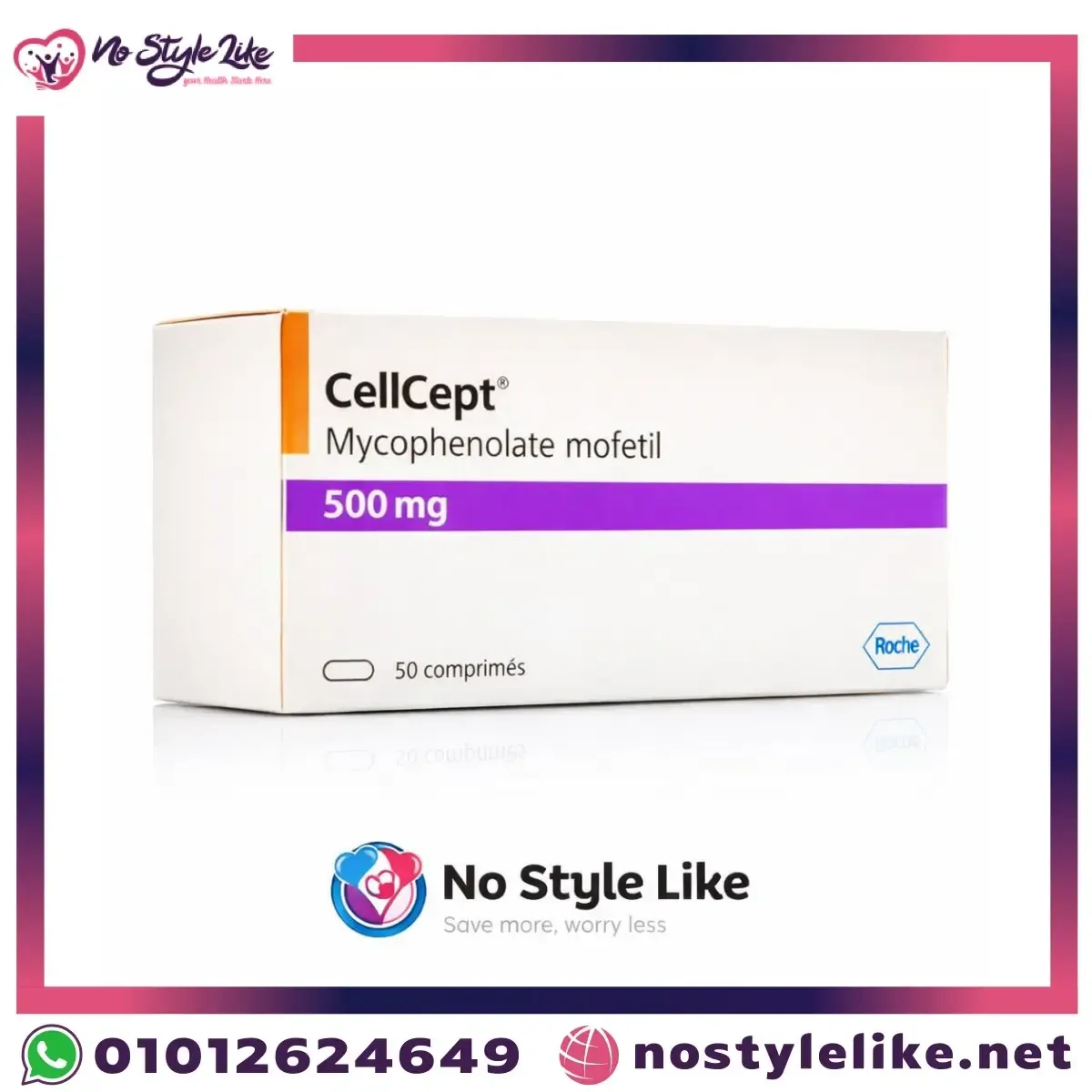
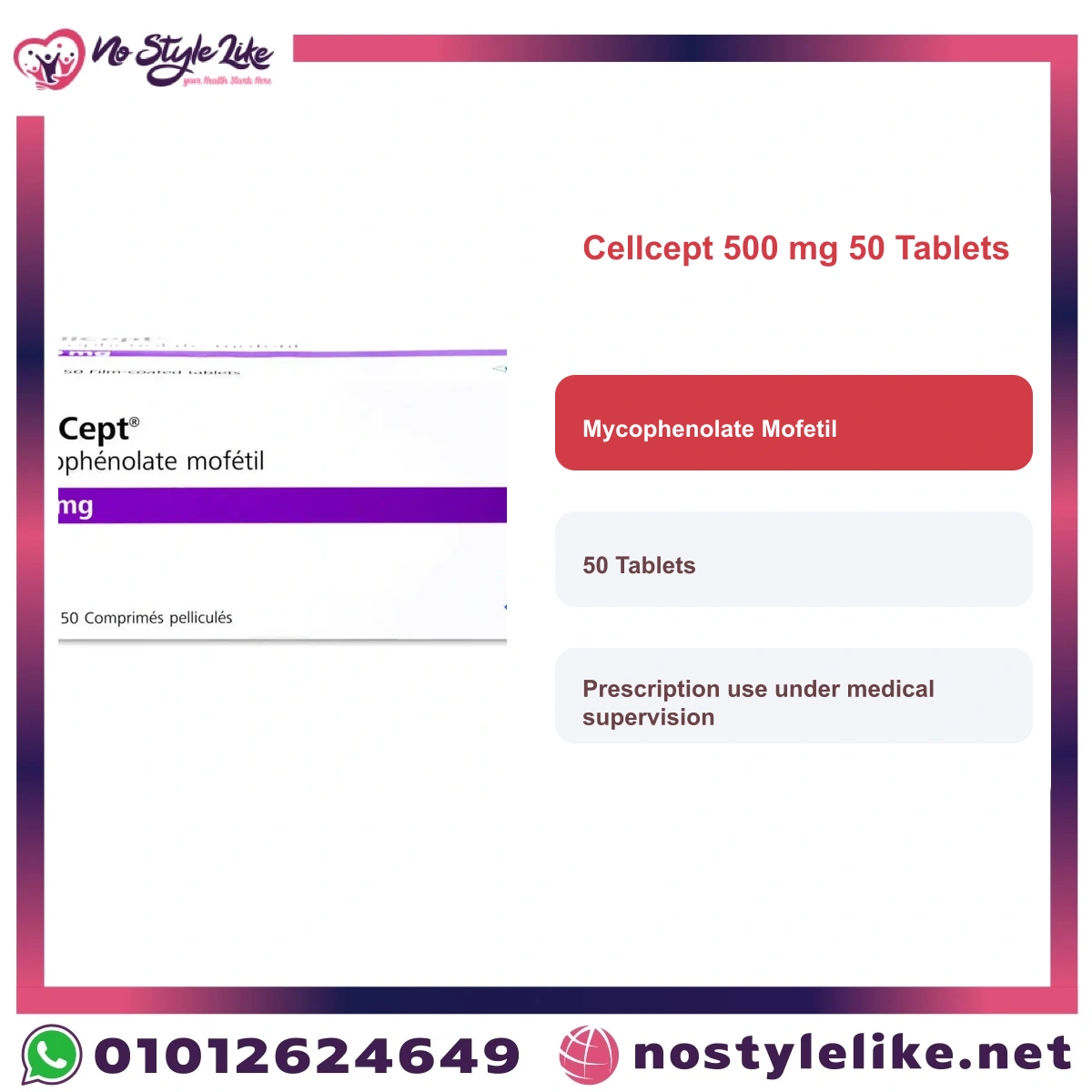
CellCept 500 mg Tablets | Mycophenolate Mofetil is a premium health supplement.
📄 Table of Contents
- • CellCept 500 mg Tablets | Mycophenolate Mofetil
- • Table of Contents
- • Introduction to CellCept 500 mg
- • How to Use CellCept 500 mg
- • How CellCept 500 mg Works
- • Benefits of CellCept 500 mg
- • Advantages
- • Common Issues CellCept 500 mg Helps Address
- • Important Information
- • Myth: CellCept 500 mg is just a regular anti-inflammatory tablet.
- • Myth: If the patient feels fine, CellCept 500 mg can be stopped.
- • Myth: CellCept 500 mg works alone.
- • Expected Results
- • NSL Tip
- • Suitable For
- • Not Suitable For
- • How to Get Best Results
- • Contraindications
- • Drug Interactions
- • Required Tests
- • What to Eat While Using CellCept 500 mg
- • Improvement Timeline
- • Effect on Other Medications
- • When to See a Doctor
- • 1. What is CellCept 500 mg used for?
- • 2. Is CellCept 500 mg an antibiotic?
- • 3. Can I stop CellCept 500 mg when I feel well?
- • 4. Does CellCept 500 mg require blood tests?
- • 5. Can CellCept 500 mg increase infection risk?
- • 6. Is CellCept 500 mg safe in pregnancy?
- • Conclusion
- • Suggested Internal Links
- • External Resources
- • Frequently Asked Questions
- • Medical Disclaimer
CellCept 500 mg Tablets | Mycophenolate Mofetil
Short Description: CellCept 500 mg contains mycophenolate mofetil, an immunosuppressive medicine commonly used as part of combination therapy to help prevent organ rejection after kidney, heart, or liver transplantation under specialist supervision.
Table of Contents
- Introduction
- How to Use
- How It Works
- Benefits
- Advantages
- Common Issues Solved
- Important Information
- Myths Correction
- Expected Results
- NSL Tip
- Who Is It For / Not For
- How to Get Best Results
- Contraindications
- Drug Interactions
- Required Tests
- What to Eat
- Improvement Timeline
- Effect on Other Medications
- When to See a Doctor
- FAQ
- Conclusion
Introduction to CellCept 500 mg
CellCept 500 mg is a prescription immunosuppressive medicine that contains mycophenolate mofetil. It is widely used as part of a combination treatment plan after organ transplantation to help reduce the risk of rejection. CellCept 500 mg is not a routine over-the-counter medicine and should only be used under the guidance of a qualified transplant specialist. Because it affects the immune system, careful follow-up, regular laboratory monitoring, and strict medical supervision are essential throughout treatment.
How to Use CellCept 500 mg
Use CellCept 500 mg exactly as prescribed by your transplant team. The dose can vary depending on the type of transplant, age, body size, kidney function, and the other medicines used with it. Swallow the tablets whole with water, and do not crush or break them unless your doctor specifically instructs otherwise. Try to take each dose at the same times every day to help maintain stable levels in the body. Never change the dose, stop the medicine, or miss repeated doses without medical advice, because this may increase the risk of organ rejection.
How CellCept 500 mg Works
CellCept 500 mg works by reducing the activity of certain immune cells that would otherwise attack a transplanted organ. In simple terms, it helps calm the body’s immune response so that the new organ is less likely to be recognized as a target. This is why CellCept 500 mg is commonly prescribed together with other immunosuppressive medicines such as corticosteroids and calcineurin inhibitors as part of a broader transplant protocol.
Benefits of CellCept 500 mg
- Helps reduce the risk of organ rejection after transplantation.
- Supports long-term transplant management as part of combination therapy.
- Available in a well-known tablet strength that fits many specialist treatment plans.
- Used under clear medical protocols in transplant care.
- Can be integrated into structured follow-up programs with lab monitoring.
💡 Expert Tip
“For best results with CellCept 500 mg Tablets | Mycophenolate Mofetil, take it consistently for 4-6 weeks alongside a balanced diet. Start with the recommended dose and adjust based on your body’s response.”
Advantages
One important advantage of CellCept 500 mg is that it is a recognized option in transplant medicine with established specialist use. Another advantage is dose flexibility, since doctors may adjust the total daily amount according to the individual clinical situation. The tablet format is also convenient for many adult patients who need long-term maintenance therapy after transplantation.
💡 Expert Tip
“For best results with CellCept 500 mg Tablets | Mycophenolate Mofetil, take it consistently for 4-6 weeks alongside a balanced diet. Start with the recommended dose and adjust based on your body’s response.”
Common Issues CellCept 500 mg Helps Address
The main purpose of CellCept 500 mg is to help prevent the immune system from attacking a newly transplanted kidney, heart, or liver. It is not intended to “boost” immunity or treat ordinary infections. Instead, it is used in highly specific medical situations where suppressing part of the immune response is necessary to protect the transplanted organ.
Important Information
CellCept 500 mg can increase susceptibility to infections because it suppresses the immune system. It may also affect blood cell counts and requires regular blood tests. Women of childbearing potential need careful pregnancy counseling before and during treatment, because mycophenolate is associated with pregnancy risks and birth defects. Patients should also inform their doctor about unusual bruising, bleeding, fever, persistent sore throat, or severe digestive symptoms. This medicine should be prescribed and monitored only by clinicians experienced in transplant management.
⚠️ Important Warning
Do not exceed the recommended dose. Keep out of reach of children. Not intended for pregnant or nursing women unless advised by a healthcare professional.
Myth: CellCept 500 mg is just a regular anti-inflammatory tablet.
Fact: It is a powerful immunosuppressive medicine used in specialized transplant care.
Myth: If the patient feels fine, CellCept 500 mg can be stopped.
Fact: Stopping treatment without medical advice can be dangerous and may increase rejection risk.
Myth: CellCept 500 mg works alone.
Fact: It is commonly used with other transplant medicines as part of a full protocol.
Expected Results
The expected result of using CellCept 500 mg is better control of the immune response after transplantation as part of a complete specialist-guided regimen. Patients usually do not “feel” the medicine working in the same way they feel pain relief or symptom relief from common drugs. Instead, the benefit is measured clinically through transplant stability, laboratory follow-up, and ongoing medical assessment.
💡 Expert Tip
“For best results with CellCept 500 mg Tablets | Mycophenolate Mofetil, take it consistently for 4-6 weeks alongside a balanced diet. Start with the recommended dose and adjust based on your body’s response.”
NSL Tip
Take CellCept 500 mg exactly as scheduled, keep all laboratory appointments, and always carry an updated list of your transplant medicines. Consistency is one of the most important parts of successful transplant follow-up.
Suitable For
- Patients who have received a kidney, heart, or liver transplant and have been prescribed it by a specialist.
- Patients who need ongoing immunosuppressive support as part of a monitored treatment plan.
Not Suitable For
- People who are allergic to mycophenolate mofetil or related ingredients.
- Patients trying to self-medicate without specialist follow-up.
- People for whom pregnancy-related precautions have not been properly assessed.
How to Get Best Results
- Follow the exact dose schedule prescribed by your doctor.
- Do not skip monitoring visits or blood tests.
- Tell your doctor about all other medicines, supplements, and herbal products.
- Report fever, infection signs, unusual bleeding, or severe stomach symptoms promptly.
- Store the medicine properly and keep it out of reach of children.
💡 Expert Tip
“For best results with CellCept 500 mg Tablets | Mycophenolate Mofetil, take it consistently for 4-6 weeks alongside a balanced diet. Start with the recommended dose and adjust based on your body’s response.”
Contraindications
CellCept 500 mg is contraindicated in patients with known hypersensitivity to mycophenolate mofetil, mycophenolic acid, or any component of the formulation. It should not be used casually during pregnancy without strict specialist assessment and risk management. Any history of severe allergy to this medicine must be discussed before treatment is started or restarted.
Drug Interactions
CellCept 500 mg may interact with other medicines that affect absorption, kidney function, immune response, or blood cell production. Some antacids, phosphate binders, certain antibiotics, antivirals, and additional immunosuppressive medicines may require careful timing or closer monitoring. Always tell your doctor and pharmacist about prescription medicines, supplements, and herbal products before starting anything new.
Required Tests
- Complete blood count (CBC).
- Liver function tests.
- Kidney function tests.
- Clinical follow-up for infection risk and transplant status.
- Pregnancy-related assessment when relevant.
What to Eat While Using CellCept 500 mg
Patients using CellCept 500 mg should generally follow the dietary advice provided by their transplant team. A balanced diet that supports recovery, hydration, and overall health is important. Because transplant patients may have individual food restrictions based on kidney function, liver status, blood pressure, or diabetes risk, the best plan is a doctor- or dietitian-guided one. Avoid making major dietary changes without discussing them with your medical team.
Improvement Timeline
CellCept 500 mg is usually part of a long-term transplant treatment plan rather than a short course. Its benefit is evaluated through ongoing organ stability, lab results, and specialist follow-up, not through immediate symptom relief. The timeline depends on the transplant protocol and the patient’s overall medical condition.
Effect on Other Medications
CellCept 500 mg may change how some medicines are used in transplant care, especially when combined with corticosteroids, ciclosporin, tacrolimus, antivirals, or drugs that affect the gastrointestinal system. This does not automatically mean the combination is unsafe, but it does mean dose timing and monitoring are important. Never combine transplant medicines on your own.
When to See a Doctor
Seek urgent medical advice if you develop severe pain, persistent fever, repeated vomiting, blood in urine, unusual bleeding, shortness of breath, signs of a serious infection, or marked weakness. You should also contact your doctor if side effects become persistent, if you miss multiple doses, or if pregnancy is suspected. Natural support measures may help general wellness, but they are never a replacement for proper medical supervision in transplant patients.
1. What is CellCept 500 mg used for?
CellCept 500 mg is used as part of combination therapy to help prevent organ rejection after certain transplants.
2. Is CellCept 500 mg an antibiotic?
No. It is an immunosuppressive medicine, not an antibiotic.
3. Can I stop CellCept 500 mg when I feel well?
No. Do not stop it unless your transplant doctor tells you to.
4. Does CellCept 500 mg require blood tests?
Yes. Regular monitoring is important during treatment.
5. Can CellCept 500 mg increase infection risk?
Yes. Because it suppresses the immune system, infection risk can increase.
6. Is CellCept 500 mg safe in pregnancy?
Pregnancy precautions are very important with this medicine, so medical advice is essential before use.
Conclusion
CellCept 500 mg is an important prescription immunosuppressive medicine used in specialist transplant care. Its role is to help reduce the risk of organ rejection when used correctly as part of a complete treatment plan. Because it affects the immune system and requires close monitoring, it should only be used under professional supervision. For safe use, always follow the prescribed schedule, attend all follow-up visits, and discuss any new symptoms or medicines with your doctor.
Suggested Internal Links
External Resources
⚠️ Medical Disclaimer
This content is for informational purposes only and does not replace professional medical advice. Always consult a qualified healthcare provider before starting any supplement. Individual results may vary.





Reviews
There are no reviews yet.