


Description
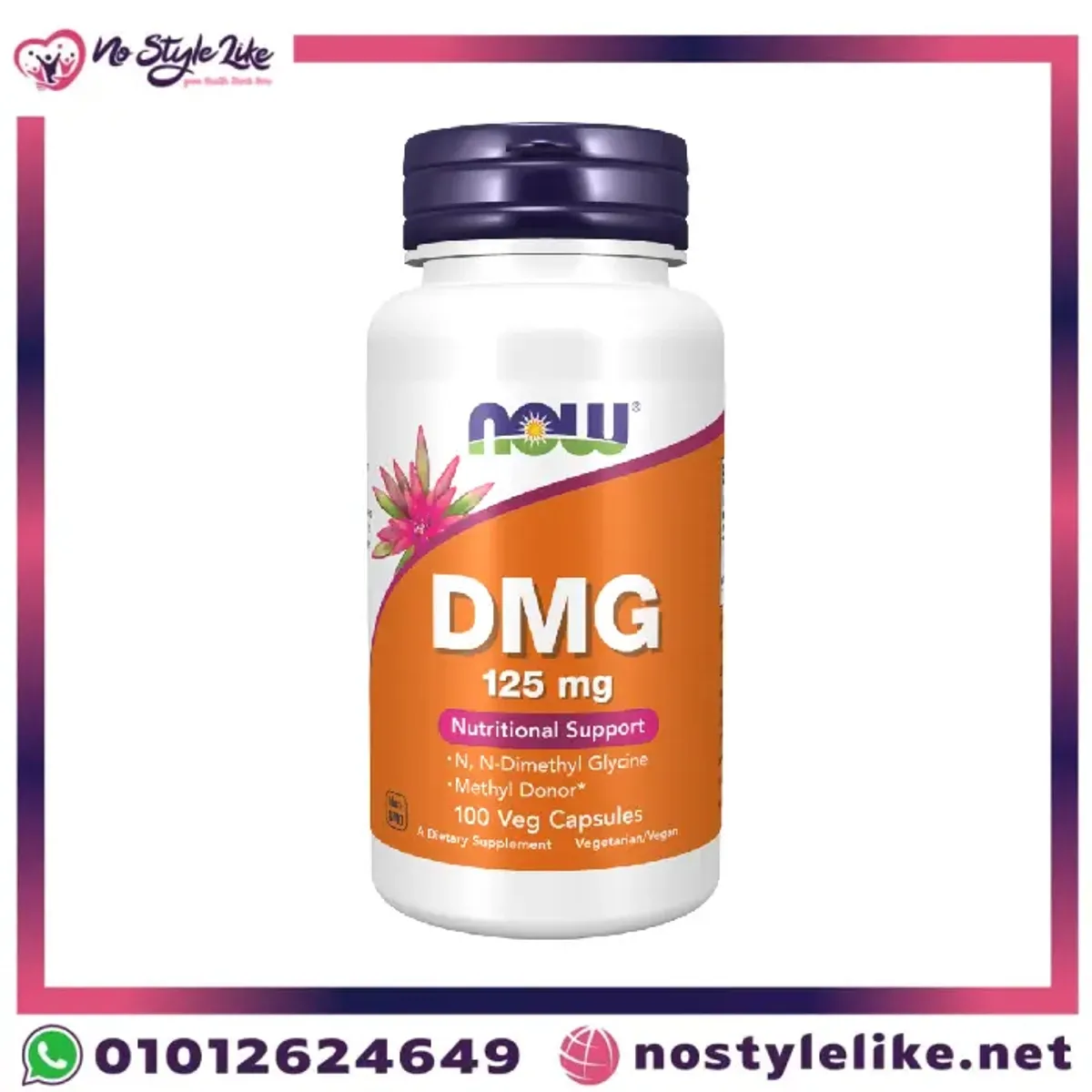
DMG 125 mg (Dimethylglycine) 100 Capsules by NOW – A Dietary Supplement for Nervous-System Support
Key Facts About DMG
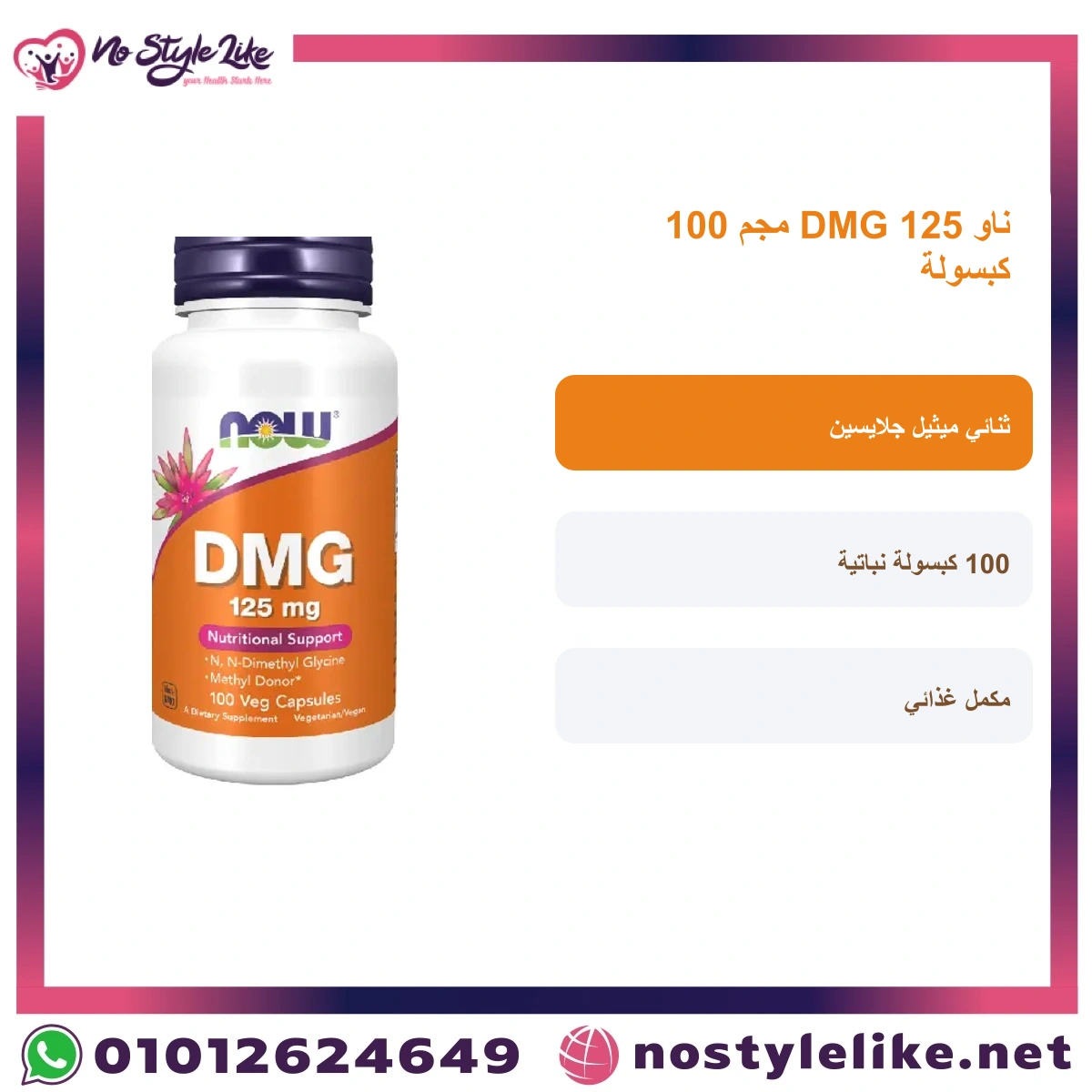
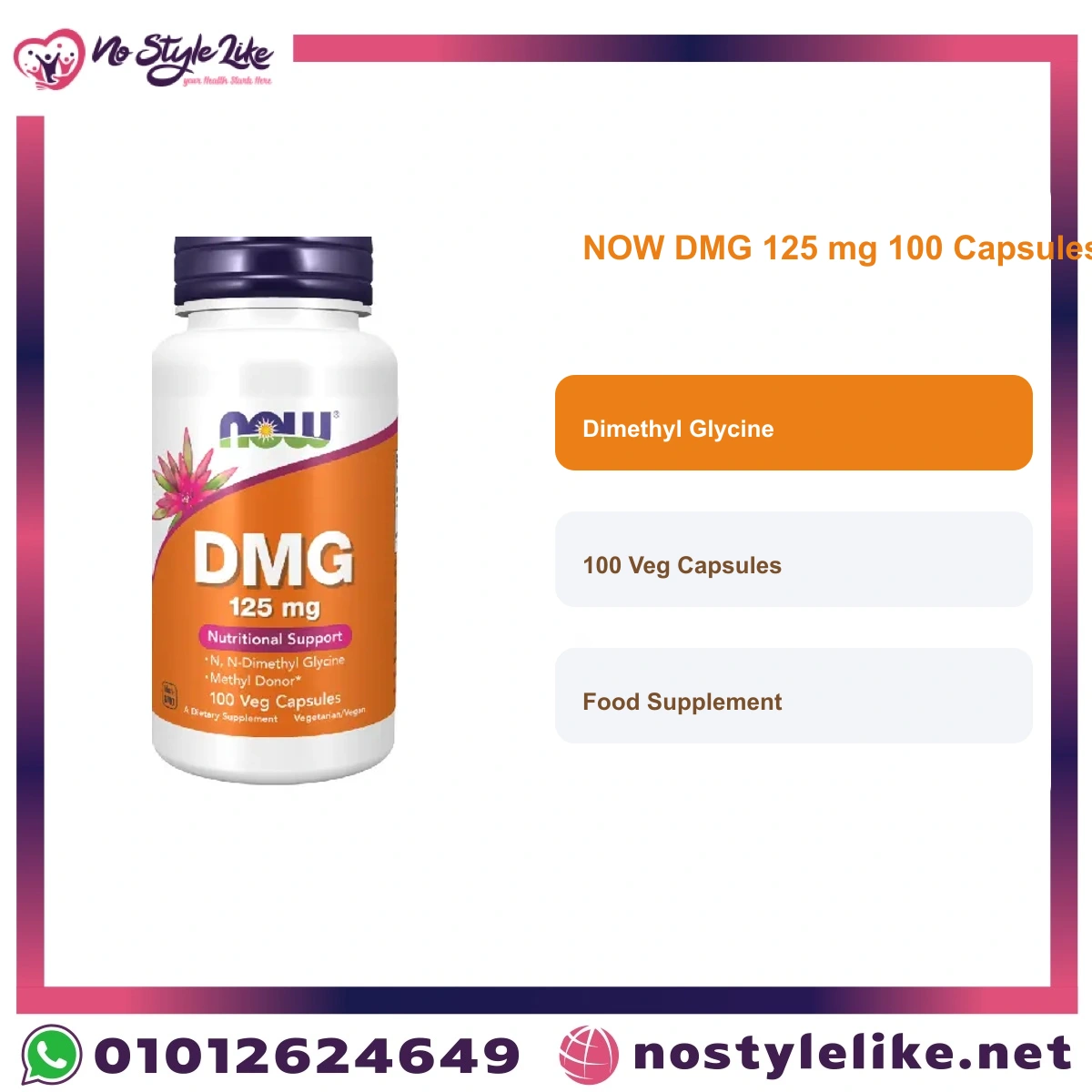
Short Description: DMG dimethylglycine 125 mg by NOW is a glycine-derived dietary supplement in a pack of 100 capsules, classed for nervous-system support. There is no strong scientific evidence that it treats autism, and no evidence for ADHD; it is a supplement, not a medicine or treatment, and consulting a doctor before use is advised, especially for children.
Table of Contents
- Introduction
- What Is DMG (Dimethylglycine)?
- Its Role and How It Is Marketed
- What the Science Says on Autism and ADHD
- Why Do Some People Use It?
- How It Is Used and Dosage
- Who Might It Suit?
- Who Should Consult a Doctor First?
- Safety Warnings & Precautions
- Myths vs Facts
- Drug Interactions
- Is It a Treatment for Autism or ADHD?
- When to See a Doctor
- NSL Expert Tip
- FAQ
- Conclusion
Introduction
Many parents look for anything that might help their children on the autism spectrum or with ADHD, and the name DMG (dimethylglycine) often appears as a popular supplement in this context. At No Style Like we believe your child’s health and your trust matter more than any marketing, so we present an honest, clear informational page about DMG: what it is, why some people use it, what the research actually shows, and why it is a food supplement rather than a treatment that replaces following a specialist.
What Is DMG (Dimethylglycine)?
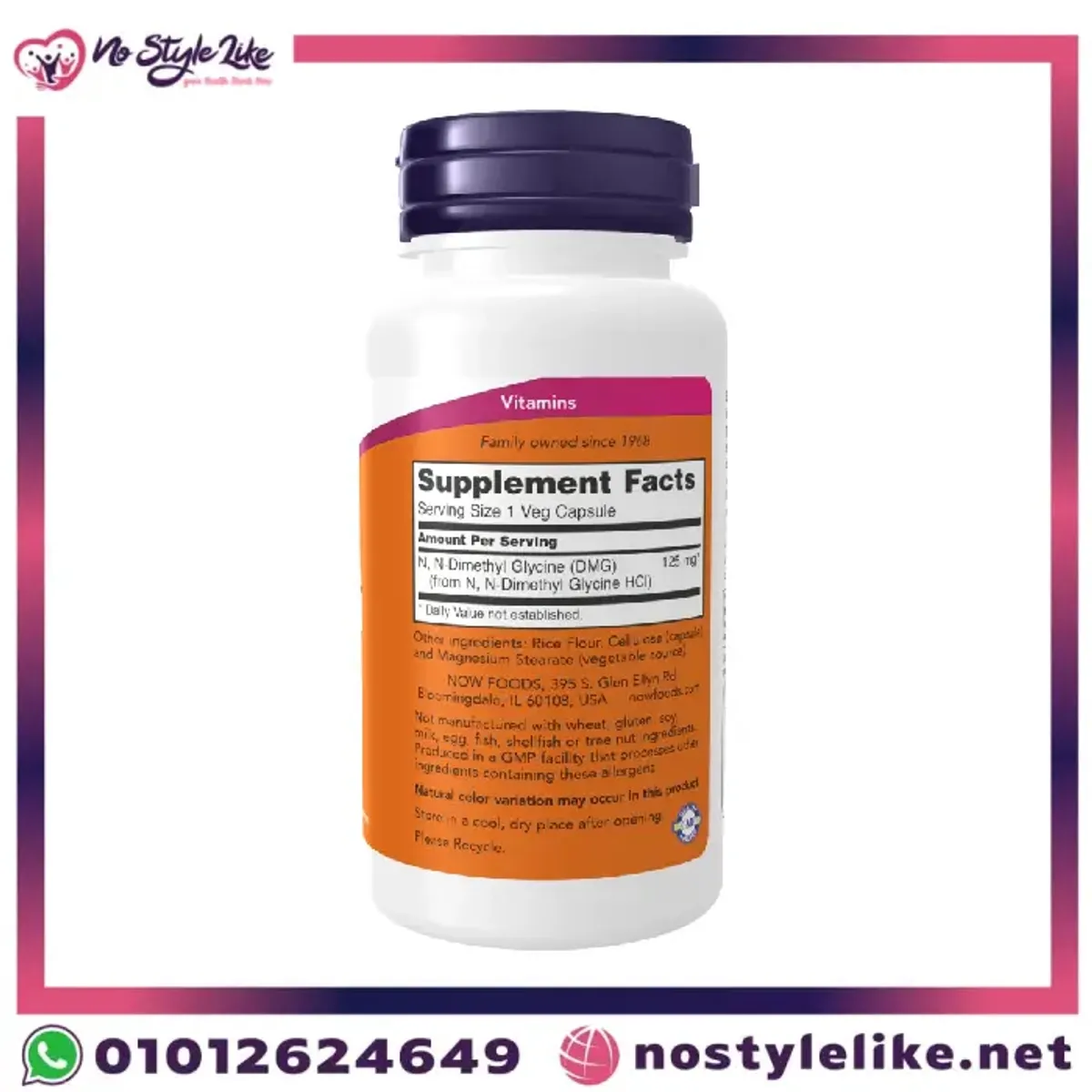
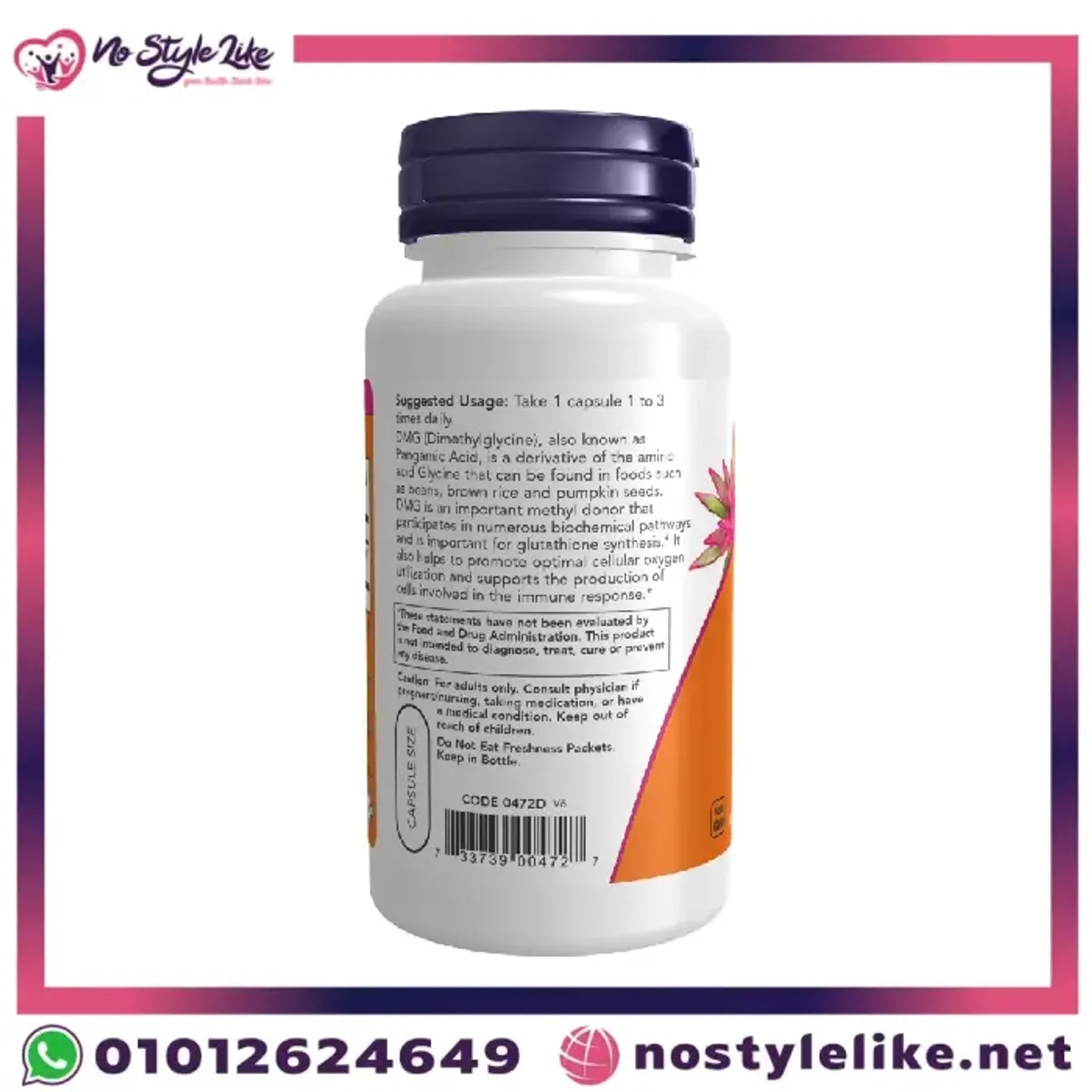
DMG stands for N,N-Dimethylglycine, a natural compound derived from the amino acid glycine. It is found in small amounts in foods such as grains, beans, pumpkin seeds and liver, and the body also produces it during choline metabolism. It is sold commercially as a dietary supplement, and NOW DMG 125 mg comes in a pack of 100 capsules. It should not be confused with trimethylglycine (Betaine / TMG), which is a different substance.
Its Role and How It Is Marketed
DMG is sometimes marketed as supporting the body’s “methylation” processes, energy and immunity, and within that framing some have promoted it to support children with autism or to improve focus and behaviour. These remain dietary-supplement uses, not proven pharmacological facts, and the precise physiological effect of supplemental doses on behaviour or neurodevelopment has not been scientifically established.
What the Science Says on Autism and ADHD
For scientific honesty, here is a summary of the research: double-blind, placebo-controlled studies of DMG in autism produced mixed or non-significant results, and a recent systematic review found no confirmed evidence of benefit. For ADHD, there is no scientific evidence supporting its use. In other words, some parents may notice an improvement, but the strong collective evidence does not confirm that any improvement is due to DMG rather than other factors (such as behavioural interventions or the passage of time). We therefore make no claim that it “treats” autism or ADHD.
Why Do Some People Use It?
Some parents use DMG hoping to support focus, behaviour or general energy, and as a supplement it is generally well tolerated at usual doses. But “common use” is one thing and “scientifically proven benefit” is another; in fairness, any potential benefit remains unconfirmed, and the decision should be made together with the doctor following the case.
How It Is Used and Dosage
DMG is taken as a dietary supplement according to the dose on the pack or the guidance of a doctor/pharmacist. The product strength is 125 mg per capsule, and typical doses for similar supplements often range from one to a few capsules daily, but we do not specify a therapeutic dose — especially for children, where it is adjusted by age, weight and the doctor’s judgement. Do not start any supplement for a child with autism or ADHD without consulting the doctor following them.
Who Might It Suit?
Adults looking for a nervous-system-support supplement within a balanced diet may consider it, or parents who wish to try it as an addition — not a replacement — within a doctor-supervised plan. The foundation always remains balanced nutrition, medical follow-up and the recognised interventions for autism and ADHD.
Who Should Consult a Doctor First?
It is advised to check with a doctor before using DMG in the following cases: children (especially those with autism or ADHD who have a care plan); pregnancy and breastfeeding; having chronic conditions or taking prescription medicines; and anyone with a known allergy to any ingredient. The supplement is not a substitute for medicines or interventions prescribed by a doctor.
Safety Warnings & Precautions
DMG is generally well tolerated at usual doses, but as with any supplement: stick to the dose on the pack and do not exceed it; stop use and consult a doctor if any unusual symptom appears; do not rely on it as a substitute for medical treatment; store it in a dry place away from heat and out of the reach of children. Remember that dietary supplements are not regulated like medicines, so quality and source matter — this product is from the US brand NOW.
Myths vs Facts
| Myth | Fact |
|---|---|
| DMG treats autism | There is no confirmed scientific evidence; a systematic review found no proven benefit. |
| DMG treats ADHD | There is no scientific evidence supporting its use in ADHD. |
| If it is a natural supplement it needs no caution | Even supplements need the right dose and medical advice, especially for children and pregnancy. |
| It can replace an autism care plan | No; behavioural and educational interventions and medical follow-up are the recognised foundation. |
Drug Interactions
There is no broad, well-documented list of drug interactions for DMG, but the absence of documentation does not mean absolute safety. If your child or you take medicines for autism, ADHD or any chronic condition, tell the doctor or pharmacist before adding DMG, so it does not conflict with or confuse the care plan. Always inform your medical team of every supplement you take.
Is It a Treatment for Autism or ADHD?
No. DMG is a dietary supplement, not a medicine or a treatment for autism spectrum disorder or ADHD. These are developmental and neurological conditions that need assessment and a plan from a specialist team (paediatrician/neurologist, behaviour specialist, speech therapist and others). Relying on a supplement instead of recognised interventions may delay the real support a child needs.
When to See a Doctor
See a doctor before starting DMG for a child with autism or ADHD, if there is a chronic disease or medication use, if any symptoms appear after use, or if you are considering changing any part of your child’s care plan. The treating doctor is the one who decides whether the supplement is suitable and safe in your case.
NSL Expert Tip
Our tip at No Style Like: treat DMG for what it is — a dietary supplement (dimethylglycine) for nervous-system support, not a treatment for autism or ADHD. Do not build therapeutic expectations on it, and do not stop or replace any intervention your doctor prescribed for your child because of it. If you wish, make it an addition within a specialist-supervised plan, alongside balanced nutrition and regular follow-up. Safety first, and medical advice is the foundation.
Frequently Asked Questions About DMG
Does DMG treat autism?
There is no confirmed scientific evidence; a systematic review found no proven benefit, and it is a dietary supplement, not a treatment.
Does it help with ADHD?
There is no scientific evidence supporting its use in ADHD; consult a doctor.
Is it safe for children?
It is generally well tolerated as a supplement, but do not give it to a child without consulting the doctor following their case.
What is the difference from TMG?
DMG is dimethylglycine, and TMG (betaine) is trimethylglycine — two different substances.
How do I store it?
In a dry place away from heat and out of the reach of children.
Conclusion
DMG 125 mg by NOW is a dietary supplement (dimethylglycine) in a pack of 100 capsules for nervous-system support, but there is no strong scientific evidence that it treats autism, and no evidence of benefit in ADHD. We present it here transparently as a food supplement — not a treatment — while emphasizing consulting a doctor before use and not replacing a recognised care plan with it. Shop with confidence and awareness from No Style Like.
This information was reviewed by the No Style Like pharmacy content team. This content is informational only and does not promote any unproven claim, is not a substitute for consulting a doctor or pharmacist, and is not a treatment for any condition. Autism supplements do not replace recognised interventions. For more reliable information on DMG, see a trusted source such as Memorial Sloan Kettering (MSKCC).

Reviews
There are no reviews yet.