



Description
Glucophage 1000 – 6 Essential Facts About This Diabetes Tablet

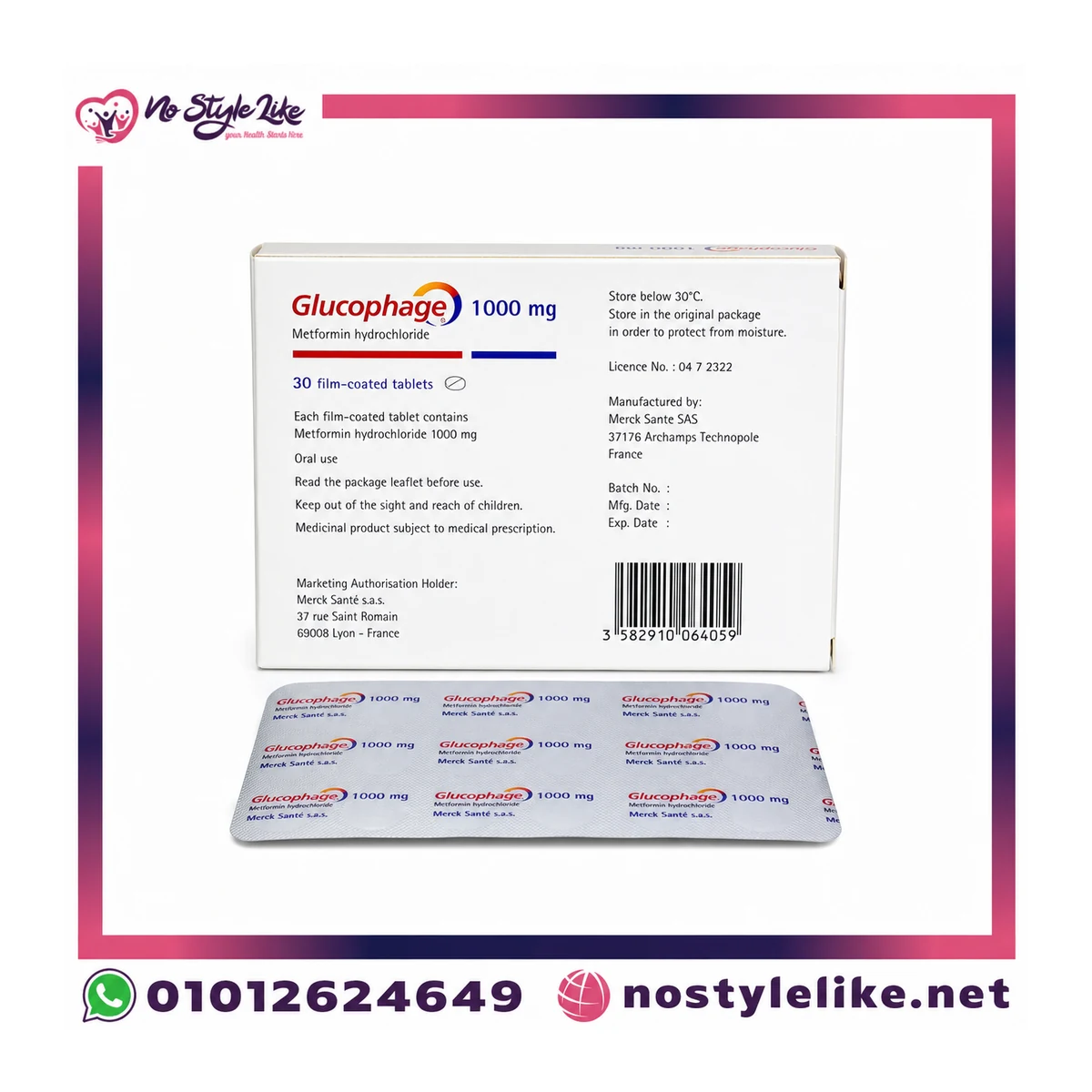
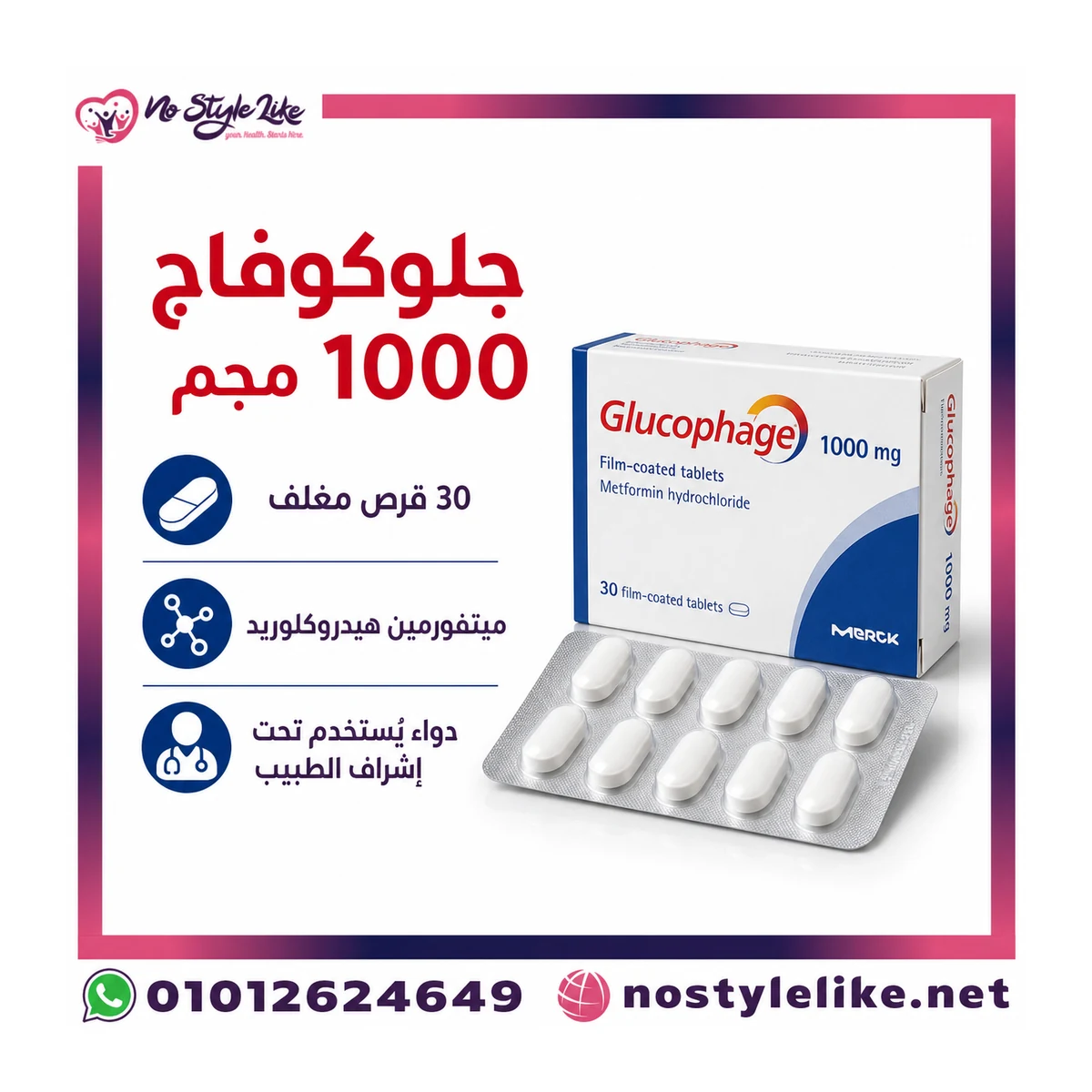
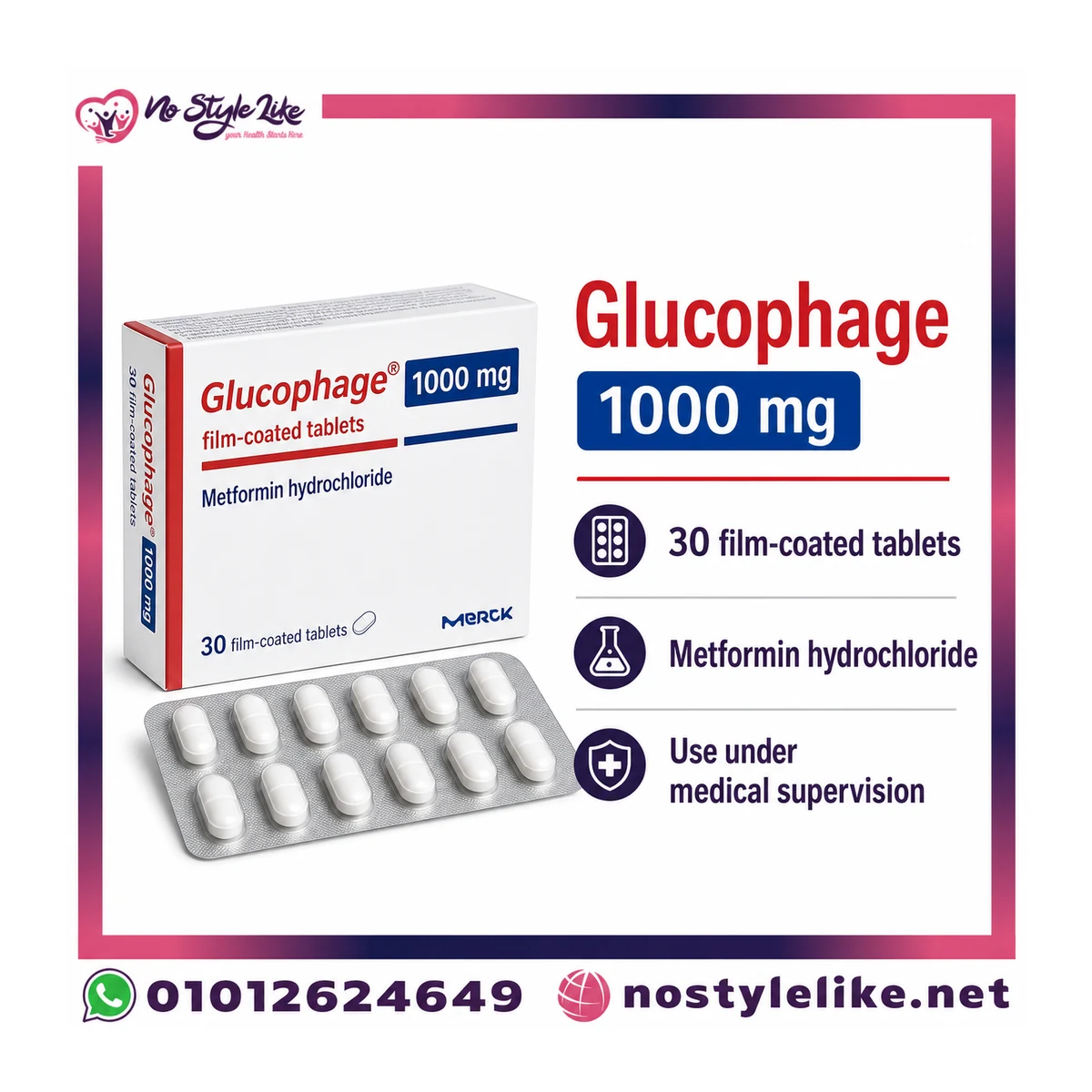
Glucophage 1000 is a prescription medicine that contains metformin 1000 mg. Doctors prescribe it to help manage blood sugar in type-2 diabetes. It is taken with food under medical supervision and is not a weight-loss drug for people without diabetes.
Short description: Glucophage 1000 is a prescription metformin 1000 mg tablet taken with food to help control blood sugar in type-2 diabetes, under a doctor’s supervision.
Table of contents
- Introduction
- What it is
- How it works
- Key benefits
- Common uses
- Who it suits
- Who should avoid it
- How to use
- Best time to take
- Drug interactions
- Warnings & contraindications
- When to see a doctor
- FAQ
- Summary
Introduction to Glucophage 1000
Glucophage 1000 is a prescription tablet that contains metformin 1000 mg, one of the most widely used medicines for type-2 diabetes. This page explains, in plain language, what the product is, how it works, and the safety points to know before treatment.
It is important to be clear from the start: this is a prescription-only medicine that should be started and monitored by a doctor. It is not a weight-loss drug for people who do not have diabetes.
What is Glucophage 1000?
Glucophage 1000 is an oral tablet whose active ingredient is metformin hydrochloride 1000 mg. Metformin belongs to a group of medicines called biguanides and is a first-line treatment for type-2 diabetes.
The medicine is dispensed only against a valid prescription. It is used together with a healthy diet and physical activity, not as a stand-alone fix.
How Glucophage 1000 works
Metformin lowers blood sugar in three main ways: it reduces the amount of glucose the liver releases, helps the body use insulin more effectively, and slightly reduces glucose absorbed from food.
Unlike some diabetes medicines, it does not usually cause low blood sugar on its own and does not lead to weight gain. This is one reason doctors often choose Glucophage 1000 as a first treatment.
Key benefits of Glucophage 1000
When prescribed correctly, the main benefit is steadier blood sugar control in type-2 diabetes, alongside diet and exercise.
- Helps lower and stabilise blood glucose levels.
- Low risk of causing hypoglycaemia when used alone.
- Does not typically cause weight gain.
These benefits apply only to people with diabetes for whom a doctor has prescribed the medicine. It is not a general slimming aid.
Common uses of Glucophage 1000
Doctors prescribe Glucophage 1000 mainly to manage blood sugar in adults with type-2 diabetes. It is sometimes used for other conditions linked to insulin resistance, always on medical advice.
Every use is decided by a doctor after assessment. This medicine should not be used to self-treat, and it is not intended for weight loss in people without diabetes.
Who it suits
This medicine suits adults with type-2 diabetes whose doctor has judged metformin appropriate and whose kidney function is adequate. The prescriber tailors the dose to each person.
People are usually started on a lower dose that is increased gradually to reduce stomach upset. Only a doctor can decide if this medicine is right for you.
Who should avoid it
Some people must not take metformin, or need special caution. In general, avoid it unless a doctor decides otherwise if you are in any of these groups:
- People with severe kidney impairment or acute kidney problems.
- People with severe liver disease or uncontrolled heart failure.
- People with conditions that raise the risk of lactic acidosis, such as severe infection or dehydration.
- People allergic to metformin.
How to use Glucophage 1000
Always take this medicine exactly as your doctor prescribes, and never change the dose yourself. Swallow the tablet whole with a glass of water, and take it with or just after food to reduce stomach upset.
Common side effects such as nausea, diarrhoea or a metallic taste often settle as the body adjusts. Keep your regular appointments so your doctor can monitor kidney function and, over time, vitamin B12 levels.
Best time to take Glucophage 1000
The tablet is usually taken with meals, often with breakfast and the evening meal when two doses are prescribed. Taking it with food is the single most helpful way to limit stomach side effects.
Follow the exact timing your doctor gives you and try to take it at the same times each day.
Drug interactions
Metformin can interact with other medicines and with medical procedures. Tell your doctor and pharmacist about everything you take before starting treatment.
- Iodinated contrast dye used in some scans: usually the medicine is paused around the procedure to protect the kidneys.
- Other diabetes medicines and insulin: the blood-sugar-lowering effect may add up.
- Some diuretics, steroids and alcohol can affect blood sugar or the risk of lactic acidosis.
These are examples, not a full list, so your prescriber will check your other treatments.
Warnings and contraindications for Glucophage 1000
A rare but serious risk with metformin is lactic acidosis, a dangerous build-up of acid in the blood. Warning signs include unusual muscle pain, trouble breathing, severe tiredness, stomach pain, feeling cold or a slow or irregular heartbeat. Seek urgent care if these occur.
The medicine should be held before surgery and before scans that use contrast dye, on medical advice. It is not a weight-loss drug for people without diabetes. Buy only from a licensed pharmacy against a valid prescription.
When to see a doctor
See a doctor before starting if you have kidney or liver disease, heart failure, or if you are pregnant, breastfeeding or planning surgery. Your doctor decides whether metformin is safe for you.
Seek medical help promptly if you notice signs of lactic acidosis, ongoing vomiting or diarrhoea that could cause dehydration, or symptoms of low vitamin B12 such as tiredness and tingling in the hands or feet.
Frequently asked questions about Glucophage 1000
Q: Is Glucophage 1000 a weight-loss medicine?
A: No. It is a prescription treatment for type-2 diabetes. It is not a weight-loss drug for people who do not have diabetes.
Q: Why should I take it with food?
A: Taking it with or just after meals reduces common stomach side effects such as nausea and diarrhoea.
Q: What is the active ingredient?
A: The active ingredient is metformin hydrochloride, at a strength of 1000 mg per tablet.
Q: Do I need to stop it before a scan or surgery?
A: Often yes. It may be paused before surgery or scans using contrast dye. Always follow your doctor’s instructions.
Q: Is lactic acidosis common?
A: No, it is rare, but it is serious. Seek urgent care if you have severe muscle pain, breathing trouble or extreme tiredness.
Summary
Glucophage 1000 is a prescription metformin 1000 mg tablet used to control blood sugar in type-2 diabetes, taken with food under medical supervision. It commonly causes short-lived stomach effects, carries a rare risk of lactic acidosis, and should be held before contrast scans or surgery, with monitoring of kidney function and vitamin B12. It is not a weight-loss drug for people without diabetes.
You can browse Glucophage 1000 and more pharmacy products at No Style Like.
Reviewed by the No Style Like pharmacy content team. This information is for educational purposes only and does not replace medical advice. Glucophage 1000 is a prescription-only medicine that must be used under a doctor’s supervision. It is not a weight-loss drug. Always consult your doctor or pharmacist. Source: MedlinePlus.





Reviews
There are no reviews yet.