


Description
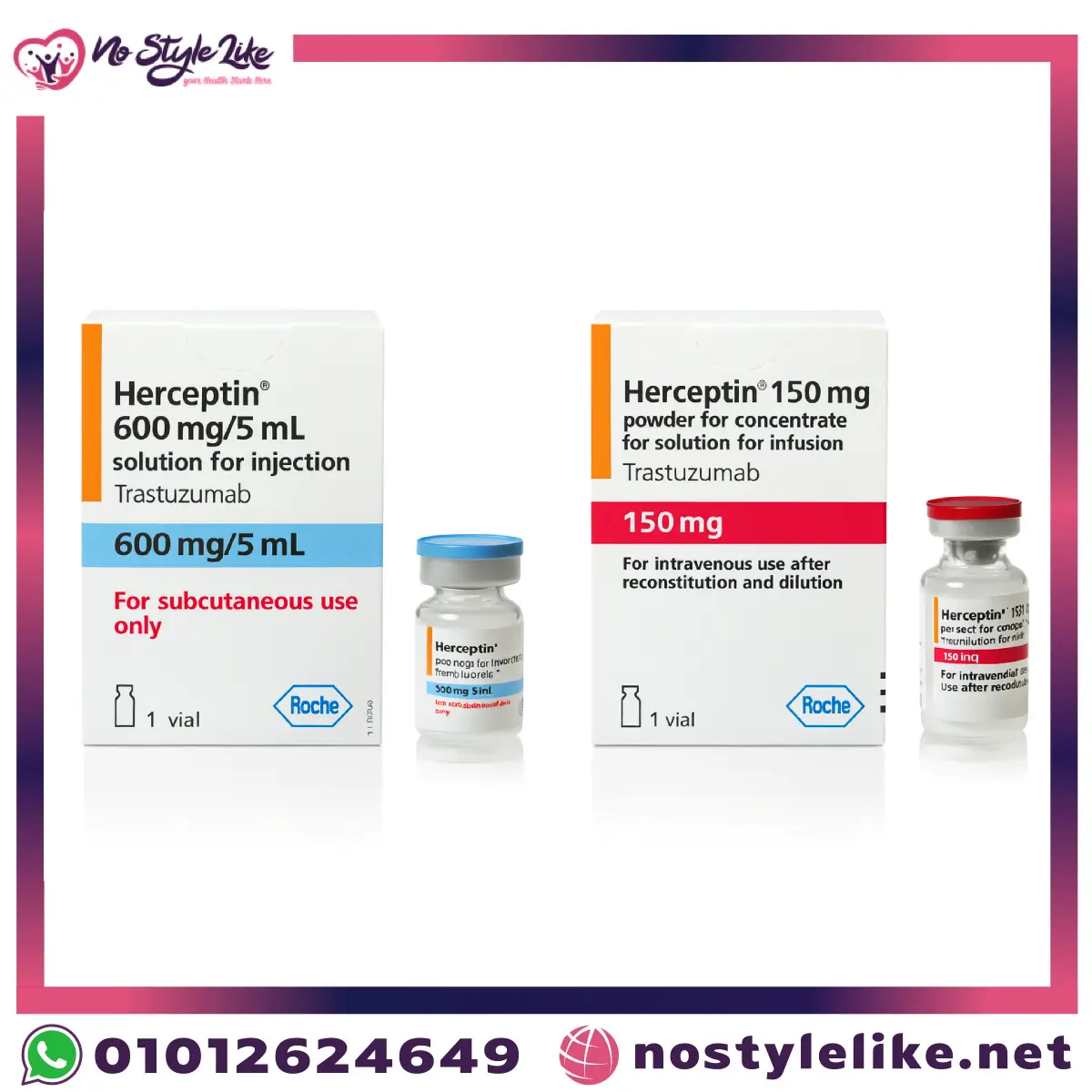
Herceptin (Trastuzumab) for Breast and Gastric Can is available at No Style Like. Below you will find full details on its benefits, uses, dosage, and important precautions.
⚡ Quick Answer
Herceptin (Trastuzumab) for Breast and Gastric Cancer | Complete Guide is a premium health supplement designed to support your overall wellness.
📄 Table of Contents
- • 1. Introduction to Herceptin
- • 2. Medical Uses of Herceptin
- • 3. How Herceptin Works
- • 4. Dosage and Administration
- • 5. Side Effects of Herceptin
- • 6. Contraindications and Warnings
- • 7. Drug Interactions
- • 8. Patient Reviews ⭐⭐⭐⭐⭐
- • 9. Internal Links (Related Products)
- • 10. Image Alt Tags
- • 12. Frequently Asked Questions (FAQs)
- • 13. Conclusion
- • Frequently Asked Questions
- • Medical Disclaimer
1. Introduction to Herceptin
Herceptin, known scientifically as Trastuzumab, is a groundbreaking biological therapy that has transformed the treatment of HER2-positive breast and gastric cancers. Unlike conventional chemotherapy that attacks all rapidly dividing cells, Herceptin is a targeted monoclonal antibody therapy. It specifically binds to the HER2 receptor, which is overexpressed in certain cancers, preventing tumor growth and signaling the immune system to destroy cancer cells.
Developed by Roche/Genentech, Herceptin has become a cornerstone in oncology protocols worldwide. Its effectiveness, combined with chemotherapy or as monotherapy in some cases, significantly improves overall survival, progression-free survival, and quality of life.
2. Medical Uses of Herceptin
Herceptin is primarily used in the following conditions:
Early-stage HER2-positive breast cancer: Often combined with chemotherapy after surgery to prevent recurrence.
Metastatic breast cancer: For advanced or recurrent disease, either alone or with other anticancer agents.
HER2-positive gastric and gastroesophageal junction cancers: Especially in advanced or metastatic stages.
In clinical practice, Herceptin is often prescribed alongside drugs like Paclitaxel, Docetaxel, Cisplatin, or Capecitabine, depending on the cancer type and treatment plan.
3. How Herceptin Works
Herceptin targets HER2 receptors, which are present in high amounts on the surface of cancer cells in HER2-positive tumors. By binding to these receptors:
It blocks the signals that drive uncontrolled cancer cell growth.
It stimulates the immune system to attack and destroy tumor cells.
It prevents further HER2 receptor shedding, stabilizing cancer progression.
This dual mechanism explains why Herceptin is far more effective than chemotherapy alone in HER2-positive cancers.
4. Dosage and Administration
Herceptin is available in two main forms:
Intravenous (IV) infusion:
Initial loading dose followed by maintenance doses weekly or every three weeks.
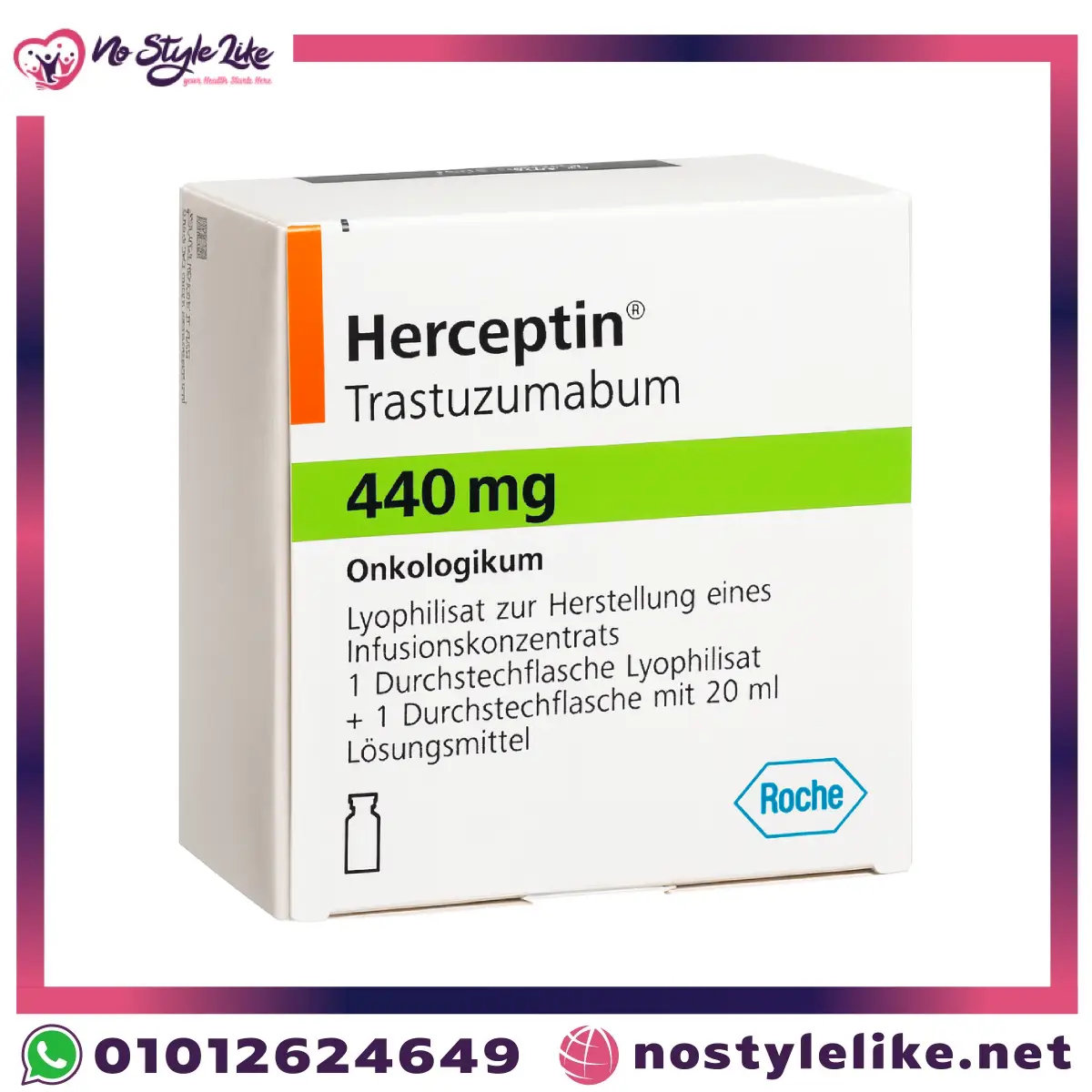
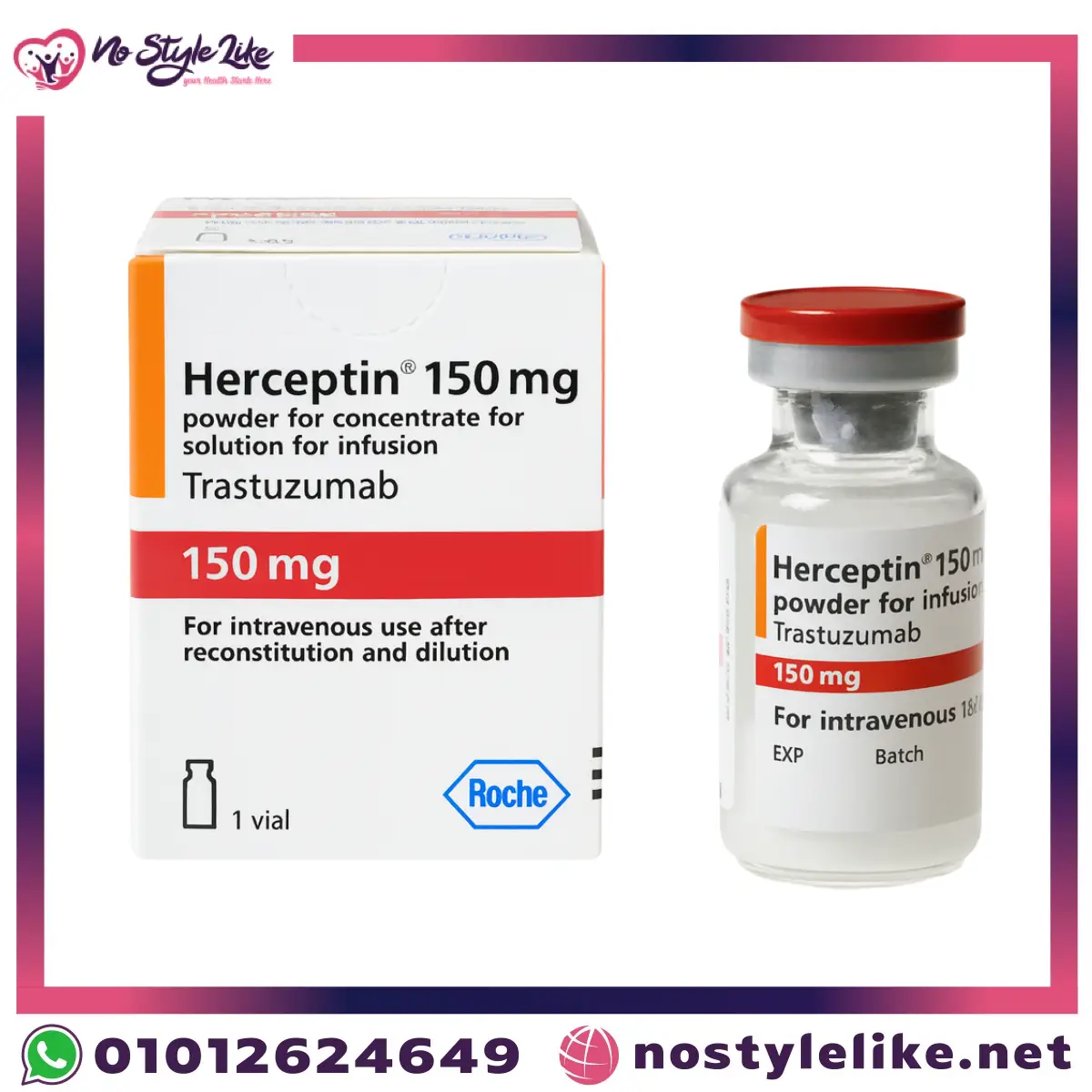
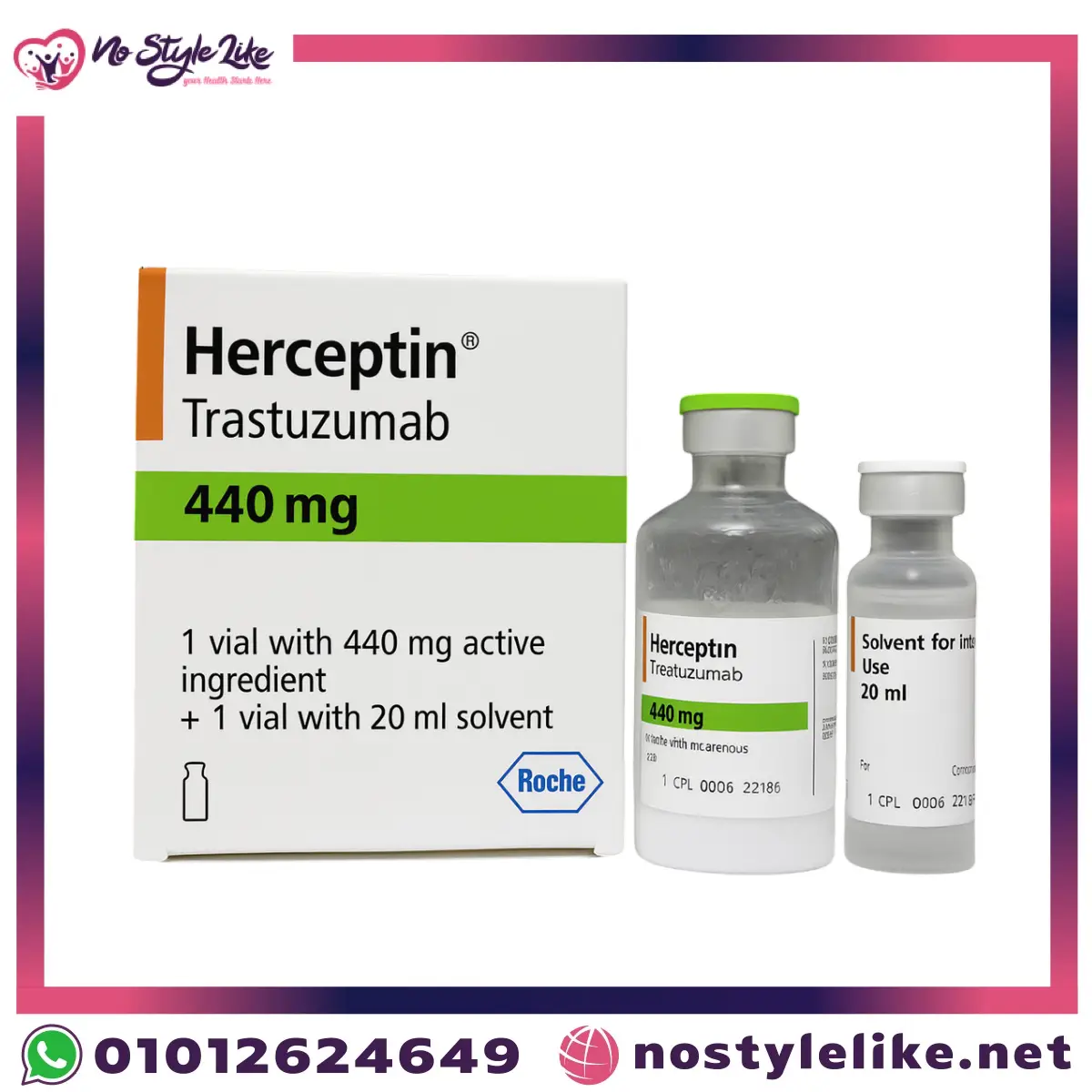
Common strengths: 150mg and 440mg vials (powder for solution).
Subcutaneous (SC) injection:
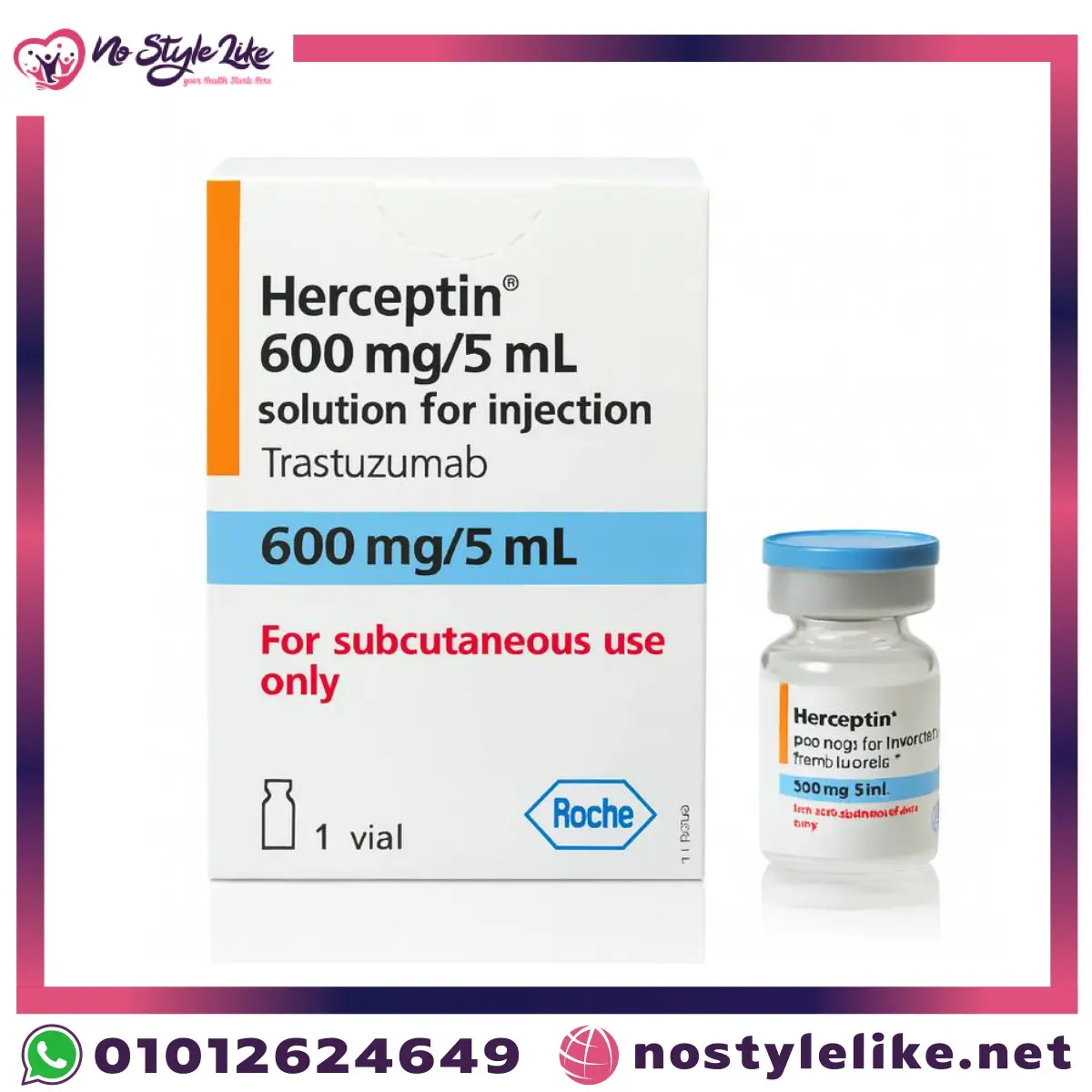
Fixed dose: 600mg/5ml solution, administered once every three weeks.
Easier and faster compared to IV infusions.
Important: Treatment should always be carried out by trained healthcare professionals in hospitals or specialized cancer centers.
5. Side Effects of Herceptin
Like all powerful therapies, Herceptin may cause side effects. Some are mild, while others require close monitoring:
Common: Fever, chills, headache, nausea, diarrhea, fatigue.
Moderate: Low white blood cell counts, cough, rashes.
Serious but less common:
Cardiotoxicity (heart problems): Possible risk of congestive heart failure.
Allergic or infusion reactions: Especially during the first administration.
Respiratory problems: Shortness of breath, lung inflammation.
Patients undergoing Herceptin therapy should have regular heart monitoring (echocardiograms or MUGA scans) to detect early cardiac side effects.
⚠️ Important Warning
Do not exceed the recommended dose. Keep out of reach of children. Not for pregnant or nursing women unless advised by a healthcare professional.
6. Contraindications and Warnings
Not recommended for patients with severe heart failure.
Caution in pregnant and breastfeeding women, as the drug can harm the fetus or infant.
Should not be used in patients with known severe hypersensitivity to Trastuzumab or its excipients.
⚠️ Important Warning
Do not exceed the recommended dose. Keep out of reach of children. Not for pregnant or nursing women unless advised by a healthcare professional.
7. Drug Interactions
Herceptin may interact with other cancer medications, particularly:
Anthracyclines (e.g., Doxorubicin): Increase risk of heart damage.
Cyclophosphamide, Cisplatin, Capecitabine: Can increase side effects when combined.
Doctors carefully design treatment regimens to minimize risks. Patients must always inform healthcare providers about all medications, supplements, or herbal products they use.
8. Patient Reviews ⭐⭐⭐⭐⭐
“Herceptin saved my life after breast cancer diagnosis. Side effects were manageable compared to chemotherapy.” ⭐⭐⭐⭐⭐
“The treatment was expensive but worth every penny. My scans showed clear improvements within months.” ⭐⭐⭐⭐☆
“The subcutaneous version was much easier and faster than the IV infusion.” ⭐⭐⭐⭐⭐
“I had some heart issues, but regular monitoring kept it under control.” ⭐⭐⭐⭐☆
9. Internal Links (Related Products)
10. Image Alt Tags
herceptin-150mg-iv-infusion-nostylelike
herceptin-440mg-vial-powder-nostylelike
herceptin-600mg-sc-solution-nostylelike
trastuzumab-herceptin-roche-pack-nostylelike
herceptin-breast-cancer-treatment-nostylelike
herceptin-gastric-cancer-therapy-nostylelike
12. Frequently Asked Questions (FAQs)
Q1: What is Herceptin used for?
Herceptin is used to treat HER2-positive breast and gastric cancers.
Q2: How is Herceptin given?
It can be administered as an IV infusion or SC injection.
Q3: How long does Herceptin treatment last?
Typically 6 months to 1 year, depending on cancer stage and treatment plan.
Q4: Does Herceptin cause hair loss?
Not directly, but chemotherapy used with it may cause hair loss.
Q5: Can pregnant women take Herceptin?
No, it is contraindicated during pregnancy due to potential fetal harm.
Q6: What are the most common side effects?
Fever, chills, fatigue, diarrhea, and infusion reactions.
Q7: How effective is Herceptin?
Studies show significantly improved survival rates in HER2-positive cancers.
Q8: Is Herceptin available in generic forms?
Yes, biosimilars such as Ogivri and Herzuma are available in many countries.
Q9: How much does Herceptin cost?
Prices vary widely by country, dosage, and insurance coverage.
Q10: Do I need heart monitoring while on Herceptin?
Yes, regular cardiac assessments are essential during treatment.
13. Conclusion
Herceptin (Trastuzumab) represents a milestone in oncology. For patients with HER2-positive breast or gastric cancer, it has changed outcomes dramatically by offering a targeted, effective, and life-extending option. Despite its high cost and possible side effects, Herceptin remains a gold standard in treatment protocols globally.
Patients considering Herceptin should consult their oncologist, undergo regular monitoring, and discuss financial assistance programs if needed. With proper use, Herceptin continues to be a beacon of hope for millions worldwide.
⚠️ Medical Disclaimer
This content is for informational purposes only and does not replace professional medical advice. Always consult a qualified healthcare provider before starting any supplement. Individual results may vary.
Related Products & Useful Resources
You may also like related products such as Fusion Plus Mesotherapy injection: You G , Konjac Capsules Weight Loss Solution by from our store.
For more trusted medical information, refer to Drugs.com. Always consult your doctor or pharmacist before use.
Reviews
There are no reviews yet.