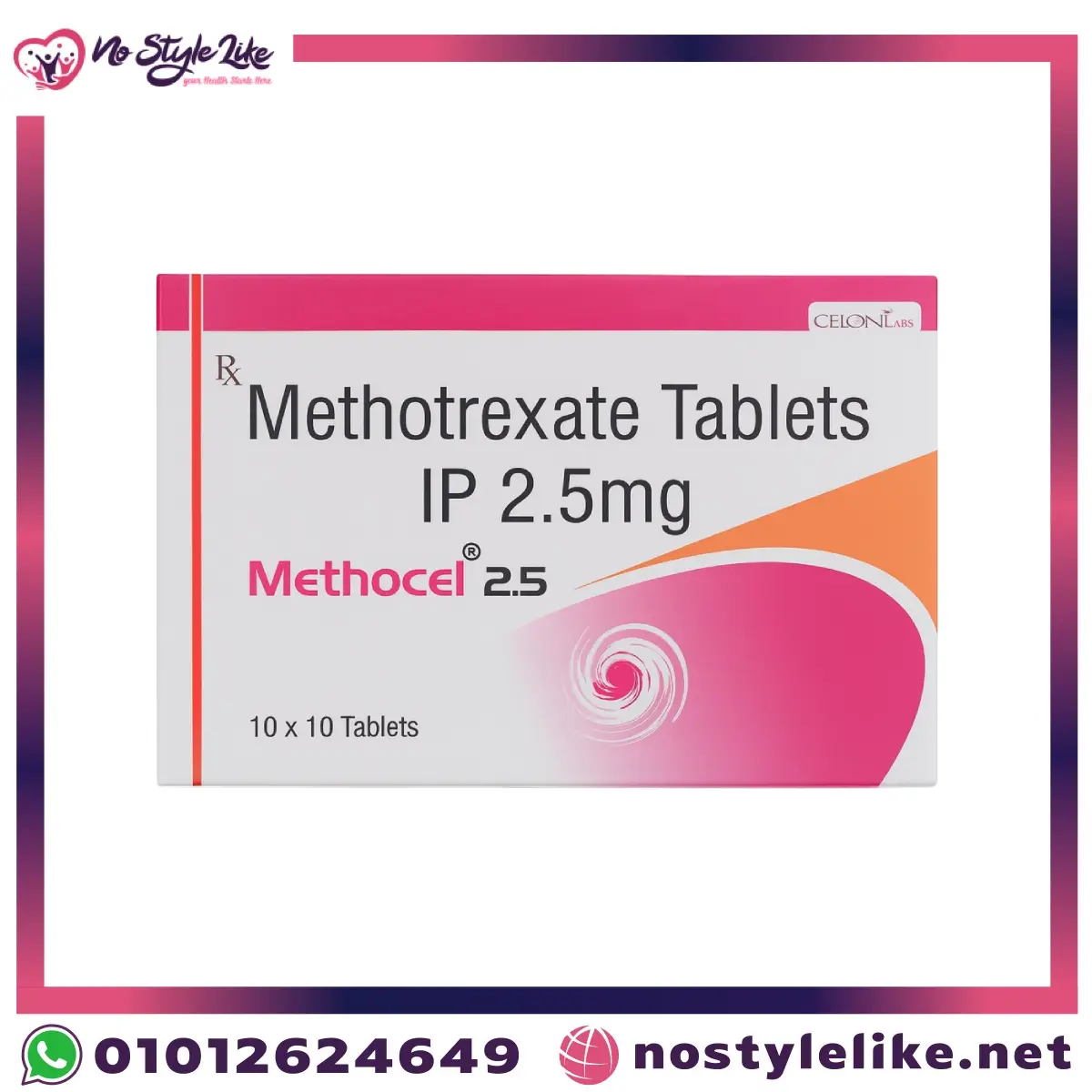


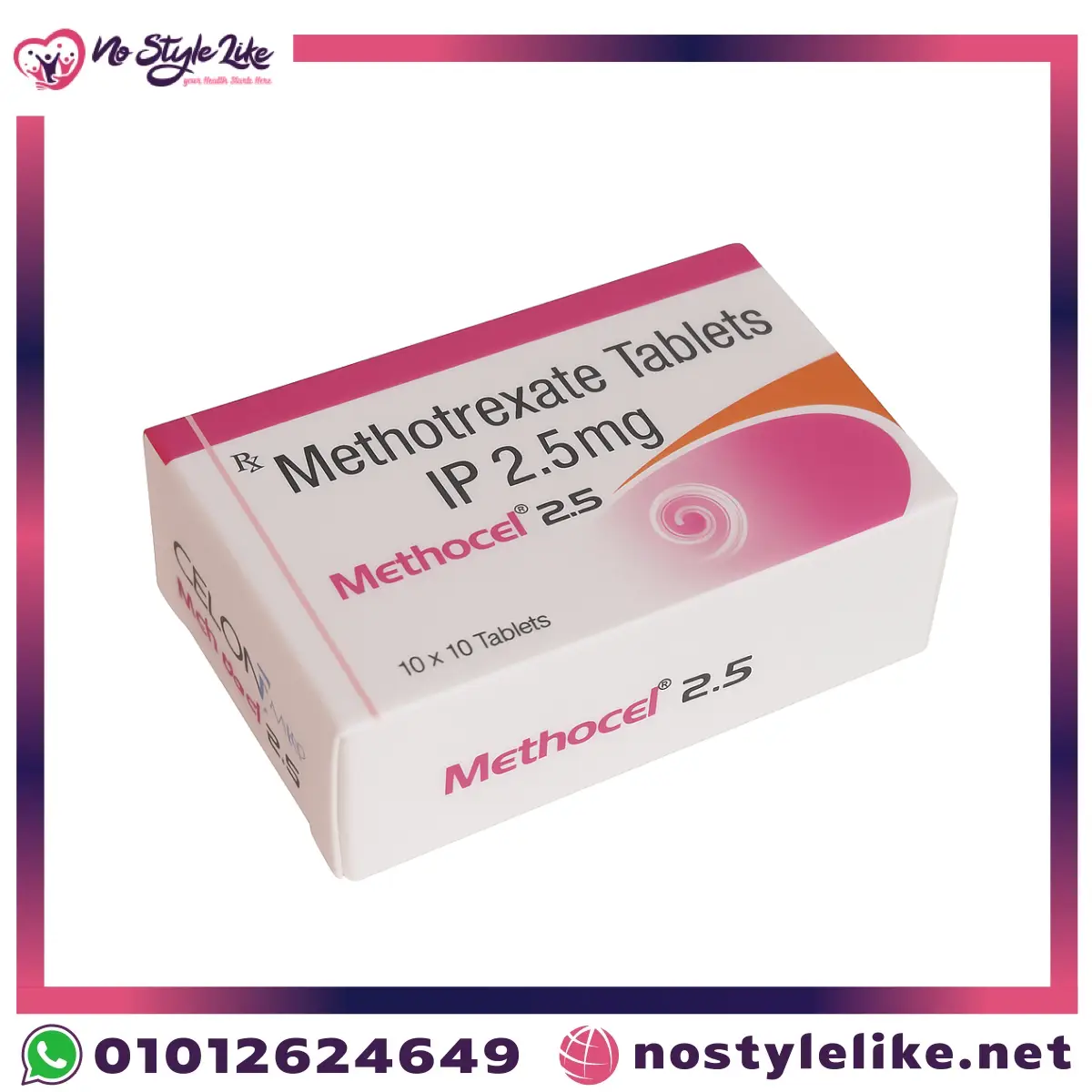




Methotrexate Tablets IP 2.5mg (Methocel 2.5) | Treatment for Arthritis, Cancer, and Medical Abortion
EGP760
Methotrexate 2.5 is a prescription-only immunosuppressant taken once weekly under close medical monitoring, never daily. Use it only as directed by your specialist. Available now at No Style Like.
Methotrexate 2.5: 7 Vital Safety Facts for Weekly Dosing

Short description: Methotrexate 2.5 is a specialist-prescribed immunosuppressant and chemotherapy agent that is normally taken once weekly under close medical monitoring.
Table of contents
- Introduction
- What it is
- How it works
- Key benefits
- Common uses
- Who it suits
- Who should avoid it
- How to use
- Best time to take
- Drug interactions
- Warnings & contraindications
- When to see a doctor
- FAQ
- Summary
Introduction
Methotrexate 2.5 is a prescription-only medicine that must always be started and supervised by a specialist doctor. This page explains what these 2.5 mg tablets are, how they work, and the strict safety rules that keep treatment as safe as possible. The single most important rule is simple: most patients take this medicine once a WEEK, never every day.
Because this medicine is a powerful immunosuppressant and chemotherapy agent, it is never a self-treatment. The information below is educational only and does not replace the personal instructions of your prescriber.
What is Methotrexate 2.5?
Methotrexate 2.5 refers to tablets that each contain 2.5 mg of methotrexate, a folate antimetabolite. In low, weekly doses it calms an overactive immune system; in much higher, hospital-controlled doses it is used as chemotherapy. The 2.5 mg tablet strength allows a doctor to fine-tune the exact weekly dose for each patient.
- Class: antimetabolite and disease-modifying antirheumatic drug (DMARD).
- Access: prescription-only — dispensed on a written prescription.
- Supervision: initiated and reviewed by a rheumatologist, dermatologist or oncologist.
How Methotrexate 2.5 works
Methotrexate blocks the enzyme dihydrofolate reductase, reducing the folate that fast-dividing cells need. In low weekly doses this dampens inflammation and slows the immune attack seen in conditions such as rheumatoid arthritis and psoriasis. Doctors often prescribe folic acid on the non-methotrexate days to reduce side effects without cancelling the benefit.
Key benefits
- Well-studied first-line DMARD for inflammatory joint disease.
- Flexible 2.5 mg strength for careful weekly dose adjustment.
- Can slow joint damage and improve skin in psoriasis when monitored.
- Long clinical track record when used correctly under supervision.
These benefits only apply when the medicine is taken exactly as the specialist directs, with regular laboratory checks.
Common uses
A specialist may prescribe Methotrexate 2.5 for several conditions, including:
- Rheumatoid arthritis and some other inflammatory arthritis.
- Moderate to severe psoriasis and psoriatic arthritis.
- Certain cancers, at much higher hospital-managed doses.
- Other autoimmune conditions chosen by the treating doctor.
Who it suits
This medicine may suit adults whose specialist has confirmed a clear diagnosis and who agree to regular blood and liver monitoring. Suitable patients are able to avoid pregnancy during treatment, avoid alcohol, and follow the once-weekly schedule precisely. A doctor decides suitability after reviewing kidney, liver and blood results.
Who should avoid it
Methotrexate 2.5 is not suitable for everyone. Avoid it, unless a specialist decides otherwise, if you are:
- Pregnant, planning pregnancy, or breastfeeding — it is teratogenic and can harm the baby.
- Living with significant liver disease, active infection or bone-marrow problems.
- A regular drinker of alcohol.
- Unable to attend regular blood tests.
Effective contraception is required for both women and men as advised by the prescriber.
How to use it safely
Weekly, not daily. The defining safety fact for Methotrexate 2.5 is that the immunosuppressant dose is taken ONCE A WEEK on the same chosen day. Taking it every day by mistake can cause severe, even fatal, toxicity of the bone marrow and gut. Always confirm the exact day and number of tablets with your doctor and pharmacist.
- Swallow the tablets whole with water on your fixed weekly day.
- Take the folic acid your doctor prescribes on a different day.
- Never double up if you are unsure — contact your prescriber first.
Best time to take it
Pick one fixed day each week and keep to it, which makes the weekly rhythm easier to remember and lowers the risk of accidental daily dosing. Many people mark the day on a calendar or set a weekly reminder. Your doctor will tell you whether to take it with or after food if it upsets your stomach.
Drug interactions
Several common medicines increase methotrexate toxicity. Tell every doctor and pharmacist that you take this medicine.
- NSAID painkillers such as ibuprofen and diclofenac — can raise methotrexate levels.
- Some antibiotics, including trimethoprim and high-dose penicillins.
- Proton-pump inhibitors and certain other drugs, at the discretion of your doctor.
- Alcohol — increases the risk of liver damage and should be avoided.
Warnings & contraindications for Methotrexate 2.5
Methotrexate 2.5 carries serious risks that make specialist supervision essential:
- Fatal daily-dosing error: it is weekly medicine — daily use can be deadly.
- Teratogenic: contraindicated in pregnancy; reliable contraception is mandatory.
- Liver toxicity: regular liver-function tests are required.
- Lung toxicity: new cough or breathlessness needs urgent review.
- Blood toxicity: can lower blood counts and raise infection risk.
Attend all blood tests. Do not adjust the dose yourself.
When to see a doctor
Seek urgent medical help if you develop fever, sore throat, mouth ulcers, unusual bruising or bleeding, a new dry cough or shortness of breath, yellowing of the skin or eyes, or dark urine. Also contact your doctor if you suspect you have taken the dose more than once in a week.
Methotrexate 2.5 — Frequently asked questions
Q: How often is Methotrexate 2.5 taken?
A: Usually once a week on the same day for immune conditions — never every day, because daily dosing can be fatal.
Q: Why is folic acid prescribed with it?
A: Folic acid, taken on a different day, helps reduce side effects such as mouth ulcers and nausea without blocking the benefit.
Q: Can I drink alcohol on this medicine?
A: No. Alcohol adds to the risk of liver damage, so it should be avoided during treatment.
Q: Is it safe in pregnancy?
A: No. It is teratogenic and contraindicated in pregnancy; reliable contraception is required for men and women.
Q: Do I still need blood tests if I feel well?
A: Yes. Regular blood, liver and kidney tests are essential even when you feel fine, to catch toxicity early.
Summary
Methotrexate 2.5 is a powerful, specialist-prescribed immunosuppressant and chemotherapy medicine. Used correctly — once weekly, with folic acid, no alcohol, careful attention to interactions, and regular blood tests — it can control serious inflammatory disease. Used wrongly, especially taken daily, it can be fatal. Always follow your own doctor and pharmacist. Explore more educational medicine guides at No Style Like.
Reviewed by the No Style Like pharmacy content team. This content is educational only and does not replace professional medical advice. Methotrexate 2.5 is prescription-only and must be used under specialist supervision. Source: MedlinePlus.
The information provided on this page is for educational and informational purposes only and is not a substitute for professional medical advice. Do not use any medication or dietary supplement without consulting your doctor or licensed pharmacist. Read the full medical disclaimer policy
✅ This content has been reviewed by Dr. Abdallah Fouad — Clinical Nutrition Specialist (25+ years of experience).