


Description
Methycobal Injection 500 mcg – 10 Mecobalamin Ampoules for Vitamin B12 Deficiency and Peripheral Neuropathy

Quick Answer
Methycobal injection contains mecobalamin 500 micrograms per ampoule, the biologically active form of vitamin B12 that feeds directly into myelin sheath production around nerves. Its two approved indications are peripheral neuropathies and megaloblastic anaemia caused by vitamin B12 deficiency. The usual adult dose is one ampoule (500 mcg) three times a week by intramuscular or intravenous injection; in megaloblastic anaemia the schedule drops after roughly two months to one ampoule every one to three months. It is administered by a healthcare professional and is available on prescription only.
Key Facts About Methycobal Injection
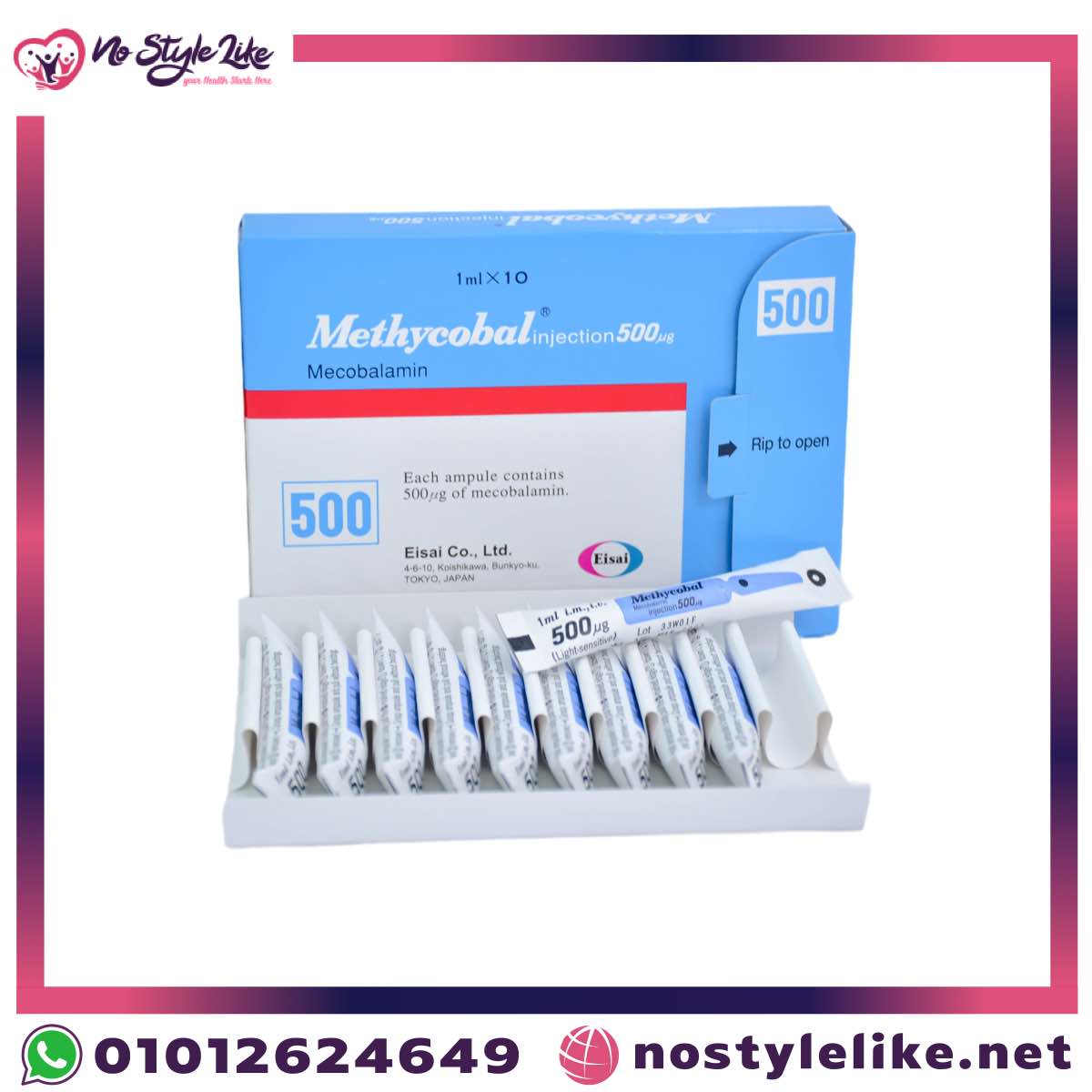
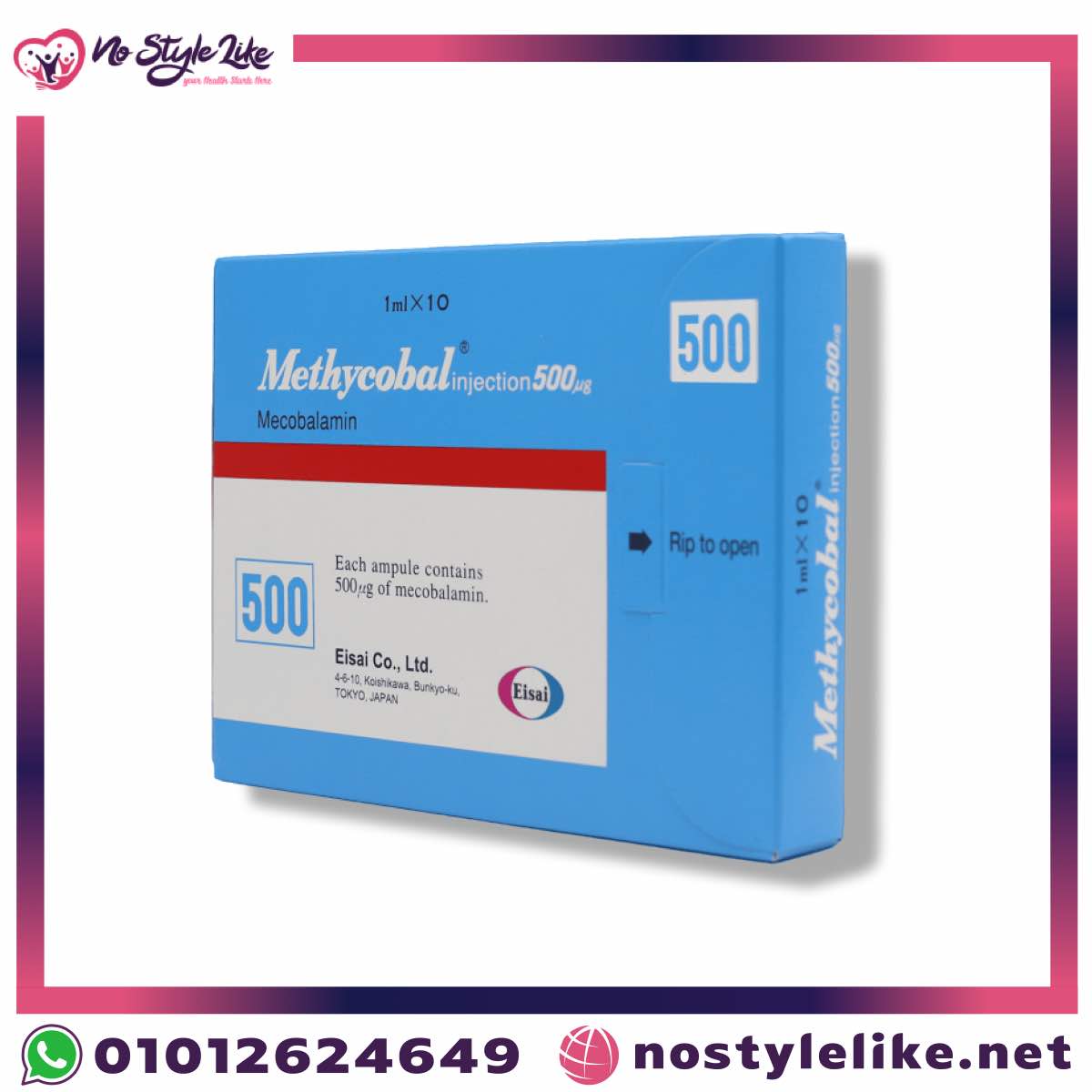
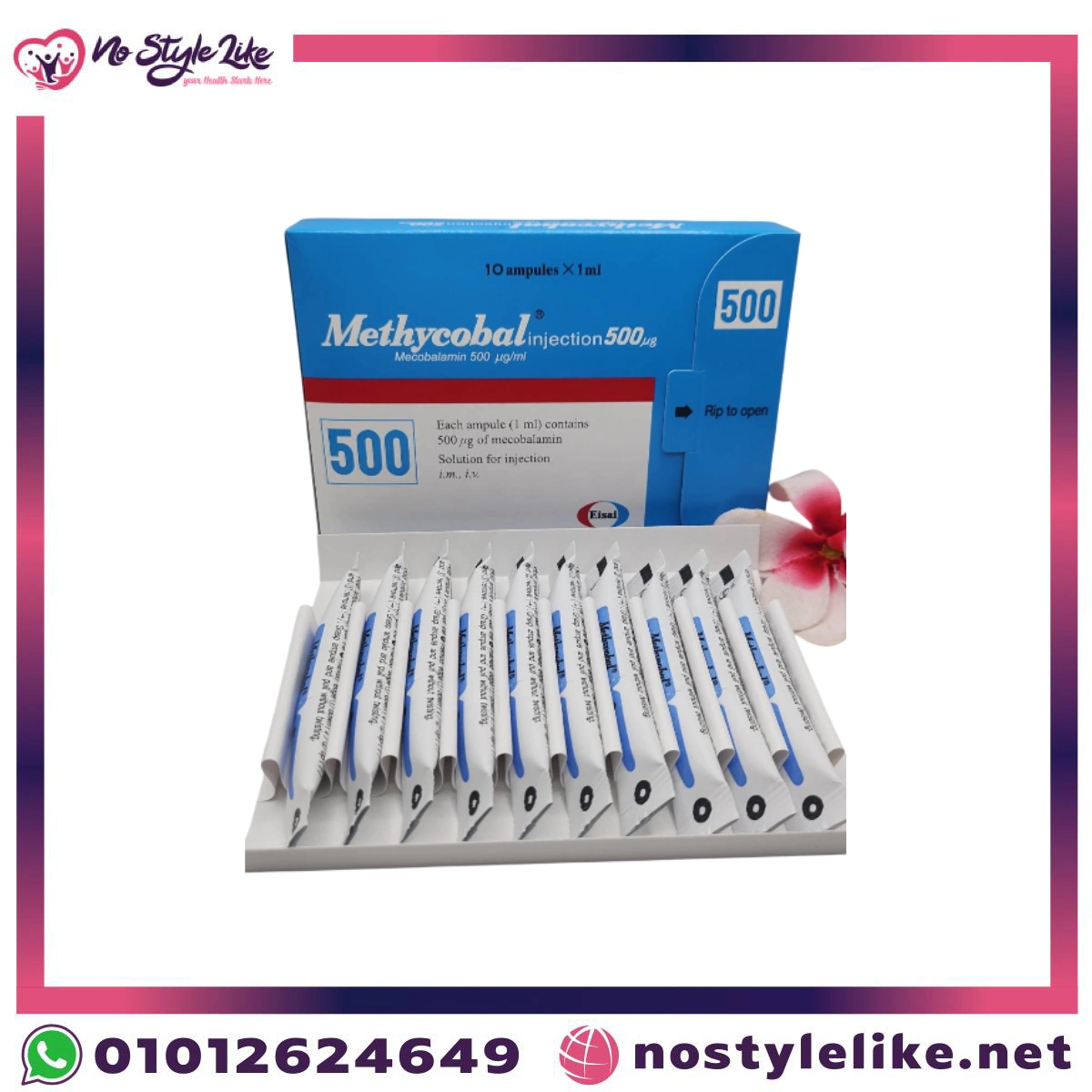
Each ampoule of Methycobal injection from EISAI Japan delivers 500 micrograms of mecobalamin dissolved in one millilitre. The pack contains 10 ampoules, typically enough for more than three weeks of the standard treatment schedule. What sets this product apart is that its active ingredient is the ready-to-use biologically active form of vitamin B12, so the body does not need to convert it before it starts working.
Table of Contents
- Introduction: why injection rather than tablets
- What is Methycobal injection?
- How does mecobalamin work?
- Main benefits of Methycobal injection
- Real-world use cases
- Who is it suitable for?
- Who should avoid it?
- Correct use and dosage
- Best time to take the injection
- Quick questions patients ask
- Expected timeline of improvement
- Common mistakes to avoid
- Myths and facts
- Drug interactions
- Contraindications and warnings
- Tests and monitoring
- What to eat alongside it
- Does it affect other medicines?
- When to see a doctor
- NSL expert tip
- Frequently asked questions
- Summary
Introduction: Why Injection Rather Than Tablets
Vitamin B12 is one of the few vitamins whose absorption depends on a complex chain inside the digestive tract. Stomach acid must first release it from food protein, and a specialised protein called intrinsic factor must then carry it across the final section of the small intestine. Any break in that chain leaves oral tablets largely ineffective, no matter how high the dose.
This is where Methycobal injection earns its place. Intramuscular or intravenous delivery bypasses the gut entirely and puts mecobalamin straight into the bloodstream at full bioavailability. That is why the injectable form is preferred in B12 deficiency with megaloblastic anaemia, and in peripheral neuropathy where correcting the deficiency quickly matters before nerve damage becomes permanent.
What Is Methycobal Injection?
Methycobal injection is a sterile solution containing 500 micrograms of mecobalamin per millilitre, manufactured by EISAI in Japan. Mecobalamin is one of the biologically active forms of vitamin B12. It differs from the widely used cyanocobalamin in an important way: cyanocobalamin is a storage and transport form the body must convert first, while mecobalamin is ready to act inside the cell as soon as it arrives.
The two officially approved indications are:
- Peripheral neuropathies, including neuropathy associated with diabetes or kidney disease.
- Megaloblastic anaemia caused by vitamin B12 deficiency.
To be clear: this medicine is not a treatment for asthma, allergy, vitiligo or cancer prevention, and nothing in the approved product information supports those uses. Staying within the licensed indications is the only safe path.
How Does Mecobalamin Work?
Mecobalamin has two central roles inside the cell, and together they explain why a deficiency shows up in nerves and blood at the same time:
- Cofactor for methionine synthase: it converts homocysteine into methionine, a step the body needs to generate the methyl groups required for DNA synthesis and to keep homocysteine at a healthy level.
- Myelin sheath formation: myelin is the fatty insulating layer around nerve fibres. B12 deficiency impairs its production, nerve signalling slows, and numbness, burning and tingling appear.
- Bone marrow cell division: without B12, red cell division stalls and the cells leave the marrow oversized and immature, which is what we call megaloblastic anaemia.
Animal studies have shown that ultra-high dose methylcobalamin is associated with motor neuron regeneration, which helps explain the specific interest in using it for neuropathy rather than treating it as a simple vitamin top-up.
Main Benefits of Methycobal Injection
- Rapid correction of vitamin B12 deficiency by bypassing the digestive tract entirely, the ideal route for anyone with absorption problems.
- Relief of peripheral neuropathy symptoms such as numbness, tingling, burning and reduced sensation in the limbs.
- Treatment of megaloblastic anaemia and restoration of normal red blood cell production.
- Ready active form that needs no enzymatic conversion inside the body before it can be used.
- Lower homocysteine levels through activation of the methionine pathway, a marker physicians watch when assessing vascular health.
- Japanese quality from EISAI, in a 10-ampoule pack covering a full initial treatment period.
Real-World Use Cases
Case one: a 55-year-old man with ten years of type 2 diabetes on regular metformin began complaining of numbness and burning in both feet, worse at night. Testing showed a clearly low vitamin B12 level, a well-recognised long-term effect of metformin. His physician prescribed Methycobal injection three times weekly with follow-up of both B12 and HbA1c.
Case two: a woman in her forties who had undergone sleeve gastrectomy developed severe fatigue, pallor and tingling in her hands. Megaloblastic anaemia from impaired B12 absorption after surgery was confirmed. She started the injectable protocol and, after roughly two months, moved to maintenance dosing every one to three months on her physician’s decision.
Case three: a young man following a strict vegan diet for years with no animal-source foods presented with fatigue, poor concentration and numbness. His deficiency was primarily dietary, so injections rapidly restored his stores before he transitioned to a regular oral supplement alongside a reviewed eating plan.
Who Is Methycobal Injection Suitable For?
- Patients with medically diagnosed peripheral neuropathy, especially where diabetes or renal impairment is involved.
- People with megaloblastic anaemia caused by vitamin B12 deficiency.
- Patients with pernicious anaemia and intrinsic factor deficiency, where oral tablets simply do not work.
- Anyone who has had bariatric surgery or partial removal of the stomach or ileum.
- Long-term users of metformin or proton pump inhibitors with a laboratory-confirmed deficiency.
- Strict vegans and older adults with a demonstrated low B12 level.
Who Should Avoid It?
- Anyone with known hypersensitivity to any form of vitamin B12 or to D-mannitol, an excipient in the ampoule.
- Workers exposed to mercury, for whom large doses of this medicine are not recommended.
- Neonates and infants, except with great caution and on a specialist decision.
- Anyone with an uncorrected folate deficiency, since giving B12 alone may mask the real problem and delay its diagnosis.
- Pregnant and breastfeeding women, unless the physician has weighed benefit against risk.
- Anyone with undiagnosed vague symptoms, because injecting without testing wastes time and leaves the underlying cause untreated.
Correct Use and Dosage
| Situation | Dose | Frequency |
|---|---|---|
| Peripheral neuropathy – adult | One ampoule = 500 mcg | 3 times weekly, IM or IV |
| Megaloblastic anaemia – initial phase | One ampoule = 500 mcg | 3 times weekly for about two months |
| Megaloblastic anaemia – maintenance | One ampoule = 500 mcg | Once every one to three months |
Essential practical rules:
- The injection should be given by a nurse or physician; self-injection without training is not advised.
- Do not inject repeatedly into the same site. Alternate between muscles to reduce pain and local induration.
- Inspect the ampoule before use: the solution is clear red, and any cloudiness or colour change means it must not be used.
- Mecobalamin is highly light sensitive. Keep the ampoule inside the carton until the moment of use and inject immediately after opening.
- Each ampoule is for single use only; do not keep any remainder.
- If no improvement appears within one month of regular use, do not continue indefinitely; the case should be reassessed with the physician.
- Store at room temperature away from direct light and out of the reach of children.
Best Time to Take the Injection
Methycobal injection is not tied to any particular hour or to meals, because it goes straight into blood or muscle and is unaffected by food. What matters is regular spacing: three injections per week means spreading them across alternating days, for example Saturday, Monday and Wednesday, or Sunday, Tuesday and Thursday.
Choosing a fixed time of day makes adherence easier and reduces missed doses; many patients prefer mornings for easier access to the clinic. Put the appointments in your phone calendar with an alert an hour ahead, because repeated interruptions are the leading cause of a poor response.
Quick Questions Patients Ask
- Is the injection painful? A brief mild pain at the site, sometimes with local firmness that settles within a day.
- Why is my urine red afterwards? Completely normal; it is simply excess vitamin B12 being excreted.
- Does it cause weight gain? Not directly, though improved appetite may follow once the deficiency is corrected.
- Can I use it with insulin? Yes, there is no conflict, but tell your physician about all your medicines.
- Does one pack cover a full course? Ten ampoules at three per week cover roughly three and a third weeks.
Expected Timeline of Improvement
- First week: many patients notice a clear lift in general energy and less fatigue.
- Two weeks to one month: blood markers improve and the reticulocyte count rises, the first sign that bone marrow is responding.
- One to three months: numbness and tingling gradually recede, since nerves respond more slowly than blood by nature.
- Three to six months: the maximum expected improvement in neurological symptoms; whatever remains beyond this point may be damage that is hard to reverse.
The key principle is simple: the earlier treatment starts, the better the chance of restoring nerve function. Years of uncorrected deficiency make part of the damage permanent. Conversely, if there is no effect at all after a month of consistent treatment for neuropathy, continuing without medical review is not justified.
Common Mistakes to Avoid
- Injecting without a test confirming the deficiency, which loses the chance to diagnose the real cause of the symptoms.
- Leaving the ampoule exposed to light for long periods before use, reducing potency.
- Repeating injections at the same site, causing pain and local induration.
- Ignoring folate and iron testing and focusing on B12 alone, leaving anaemia unresolved for another reason.
- Stopping as soon as energy improves, before completing the period the physician set.
- Continuing indefinitely despite no improvement, when the product information calls for reassessment after one month.
- Neglecting the underlying cause, such as staying on metformin for years without periodic B12 monitoring.
Myths and Facts About Methycobal Injection
| Myth | Fact |
|---|---|
| Methycobal treats asthma, allergy and vitiligo | Its approved uses are peripheral neuropathies and megaloblastic anaemia only. |
| B12 injections always cause weight gain | There is no direct effect on weight; appetite and energy simply improve once the deficiency is corrected. |
| Tablets can always replace injections | With absorption disorders or intrinsic factor deficiency, oral tablets are of little use. |
| Red urine after the injection is a danger sign | It is a normal result of the kidneys excreting excess vitamin. |
| You can stay on it for years without review | The label states it should not be continued beyond a month without response, and maintenance is a medical decision. |
Drug Interactions
Because the injection bypasses the digestive tract, the relevant interactions are mainly with medicines that cause or worsen the deficiency, rather than ones that block the injection itself:
- Metformin: reduces B12 absorption with long-term use and calls for periodic monitoring of vitamin levels.
- Proton pump inhibitors such as omeprazole, and H2 receptor blockers, because less stomach acid means less vitamin released from food.
- Colchicine, used in gout, impairs B12 absorption in the ileum.
- Chloramphenicol may blunt the bone marrow response to vitamin B12 therapy.
- Neomycin and aminosalicylic acid reduce intestinal absorption.
- Chronic alcohol use harms both absorption and liver stores.
One diagnostic point deserves emphasis: taking B12 supplements or injections before a blood sample raises the reading and can conceal a genuine deficiency. Always tell your physician about any supplement you took before testing.
Contraindications and Warnings
Important warning: Methycobal injection should not be used aimlessly for more than one month if there is no clear response. Equally, giving vitamin B12 in undiagnosed anaemia may correct the blood picture on paper while neurological damage continues in cases of folate deficiency. Diagnosis before treatment is a necessity, not a formality.
- Absolute contraindication: hypersensitivity to any form of vitamin B12 or to D-mannitol.
- Large doses are not recommended for workers exposed to mercury.
- Particular caution when administering to neonates and infants.
- Monitor potassium at the start of treatment for severe anaemia, since levels can fall as red cell production accelerates.
- Protection from light is mandatory to keep the active ingredient stable.
Possible side effects: pain or induration at the injection site, headache, sweating, skin rash, loss of appetite, nausea and diarrhoea. The rate of gastrointestinal upset is very low and was estimated at about 0.96% in studies of the oral form. Severe hypersensitivity reactions are rare but require immediate discontinuation and urgent medical help.
Tests and Monitoring
- Serum vitamin B12 level before starting treatment, the cornerstone of diagnosis.
- Full blood count with mean cell volume (MCV) to detect megaloblastic anaemia.
- Folate to rule out a concurrent deficiency that would change the treatment plan.
- Homocysteine and methylmalonic acid as more sensitive markers when the B12 reading is borderline.
- Iron studies and ferritin, since iron deficiency often coexists and can mask a raised cell volume.
- HbA1c and renal function for diabetic patients with neuropathy.
- Potassium during the first weeks of treating severe anaemia.
What to Eat Alongside It
The injection corrects the deficit; diet is what protects the gain:
- Natural B12 sources: liver, red meat, fish such as salmon and sardines, eggs and dairy products.
- Folate sources: dark leafy greens, legumes and broccoli, since the two vitamins work together.
- Vitamin B6 from bananas, chicken and chickpeas, supporting the homocysteine-lowering pathway.
- Iron from animal sources paired with vitamin C to improve absorption.
- Fortified alternatives for vegans: B12-fortified breakfast cereals and soy milk.
- Reduce: alcohol entirely, and excessive coffee with iron-rich meals.
Does Methycobal Affect Other Medicines?
Mecobalamin itself does not meaningfully alter the effect of most medicines; it is a vitamin rather than a drug that competes noticeably for liver enzymes. The influence runs mainly in one direction: certain medicines deplete B12 stores, and those need monitoring rather than being stopped on your own initiative.
Diabetic patients on metformin in particular deserve periodic B12 testing, because their neuropathy may be driven by the deficiency rather than by diabetes alone, and that distinction changes the treatment plan. Give your physician and pharmacist a complete list of your medicines and supplements before starting the protocol.
When to See a Doctor
- Widespread rash, facial swelling or breathing difficulty after an injection (signs of allergy).
- No improvement at all after a month of consistent dosing.
- Worsening numbness, genuine muscle weakness, or difficulty walking and balancing.
- Severe palpitations or breathlessness with obvious pallor.
- Severe pain, redness or persistent swelling at the injection site.
- Memory disturbance or changes in mood and behaviour.
- Sudden general weakness or muscle cramps, which may point to low potassium during treatment.
NSL Expert Tip
Do not start B12 injections before testing. The most common mistake we see at the pharmacy is a patient with numbness who buys injections straight away; the blood level rises and identifying the real cause becomes nearly impossible for months. Order it this way: B12, full blood count and folate first, then the injection protocol on a physician’s decision, then reassessment after one month. And if you have been on metformin or acid-suppressing medicines for years, make a B12 test a fixed part of your annual review even before symptoms appear.
Frequently Asked Questions About Methycobal Injection
What is Methycobal injection used for?
It is an injectable solution containing 500 micrograms of mecobalamin, the active form of vitamin B12, prescribed for peripheral neuropathies and for megaloblastic anaemia caused by vitamin B12 deficiency. It is available on prescription only.
What is the usual dose of Methycobal injection?
For adults, one ampoule of 500 micrograms three times a week by intramuscular or intravenous injection. In megaloblastic anaemia this continues for about two months, then changes to one ampoule every one to three months as maintenance.
Is Methycobal given into the muscle or the vein?
Either route is acceptable and the choice is the physician’s. Intramuscular injection is the most common in clinics, and the site should be alternated each time to avoid pain and local induration.
Does Methycobal help numbness in the hands and feet?
If the numbness stems from peripheral neuropathy linked to vitamin B12 deficiency then yes, it clearly helps, though improvement is gradual over weeks to months. Numbness from other causes such as a herniated disc will not respond.
Why does urine turn red after the injection?
Because vitamin B12 is a red, water-soluble compound and the kidneys excrete the excess. The effect is entirely normal, fades within hours and is no cause for concern.
How many ampoules does a course need?
A pack of 10 ampoules at three injections weekly covers roughly three and a third weeks. Total duration is decided by the physician based on the condition, the response and the laboratory results.
Can it be used during pregnancy or breastfeeding?
Vitamin B12 is essential in pregnancy and lactation, but using the injectable form should be a physician’s decision after assessment and confirmation of an actual deficiency.
What is the difference between mecobalamin and cyanocobalamin?
Mecobalamin is the ready active form the body uses directly, while cyanocobalamin is a storage form requiring internal conversion. This is why mecobalamin is preferred in neuropathic conditions.
Does Methycobal injection cause side effects?
The most common are pain or firmness at the injection site, and occasionally headache, sweating, rash or mild digestive upset. Severe allergic reactions are rare but require stopping the medicine and seeking emergency care immediately.
How should the ampoules be stored?
At room temperature inside the original carton to protect them from light, away from moisture and out of the reach of children, and always within the expiry date printed on the pack.
Summary
Methycobal injection is not a general tonic but a targeted treatment: 500 micrograms of active mecobalamin per ampoule, for two defined indications, peripheral neuropathy and megaloblastic anaemia caused by vitamin B12 deficiency. Its real value appears when a test confirms the deficiency first, and when the underlying cause is addressed too, whether that is metformin, bariatric surgery or a strict vegan diet. The 10-ampoule Japanese pack from EISAI covers the start of a treatment course; the medicine is dispensed on prescription and administered by a professional.
Browse more genuine imported vitamins and medicines at No Style Like pharmacy, and contact our team for questions about availability or correct use.
Reviewed by the No Style Like pharmacy content team. The information on this page is for general education only and does not replace the official product leaflet or advice from a licensed physician or pharmacist. Do not start, stop or change any medicine based on this page alone, particularly during pregnancy or breastfeeding, or alongside chronic conditions and other medicines. For further trusted medical information see NIH – Vitamin B12 Fact Sheet.



Reviews
There are no reviews yet.