



Description
Ozempic 0.5 mg (Semaglutide): A Once-Weekly Prescription Injection for Type 2 Diabetes
Quick Answer
Ozempic 0.5 mg is a prefilled injection pen containing the active substance semaglutide, a GLP-1 receptor agonist, injected under the skin once weekly. A doctor prescribes it to control type 2 diabetes alongside diet and exercise, and it may also help reduce cardiovascular risk in certain groups. Treatment usually starts at a lower dose (0.25 mg) to build tolerance, then rises to 0.5 mg as directed by the doctor.
Key Facts About Ozempic 0.5 mg
Short description: Ozempic 0.5 mg by Novo Nordisk is a semaglutide injection pen given under the skin once weekly to control type 2 diabetes blood sugar, on prescription and under a doctor’s supervision. Available now at No Style Like.
Table of Contents
- Introduction
- What Is Ozempic?
- How Semaglutide Works
- Key Proven Benefits
- Indications
- Who Does a Doctor Prescribe It For?
- Who Should Avoid It?
- How To Use It and Dosing
- Best Time To Inject and Storage
- Expected Time To Improvement
- Side Effects
- Common Mistakes
- Myths and Facts
- Drug Interactions
- Contraindications and Warnings
- Tests and Investigations
- What It Goes With
- Does It Affect Other Medicines?
- When To See a Doctor Urgently?
- NSL Expert Tip
- FAQ
- Conclusion
Introduction
Ozempic is among the best-known modern type 2 diabetes medicines and belongs to the GLP-1 receptor agonist class that transformed blood-sugar control. It comes as an easy-to-use once-weekly injection pen and is prescribed by a doctor within a comprehensive treatment plan. In this guide we cover what the medicine is, how it works, its indications and its important warnings – accurately and responsibly, stressing that it is a prescription medicine not to be used on one’s own.
What Is Ozempic?
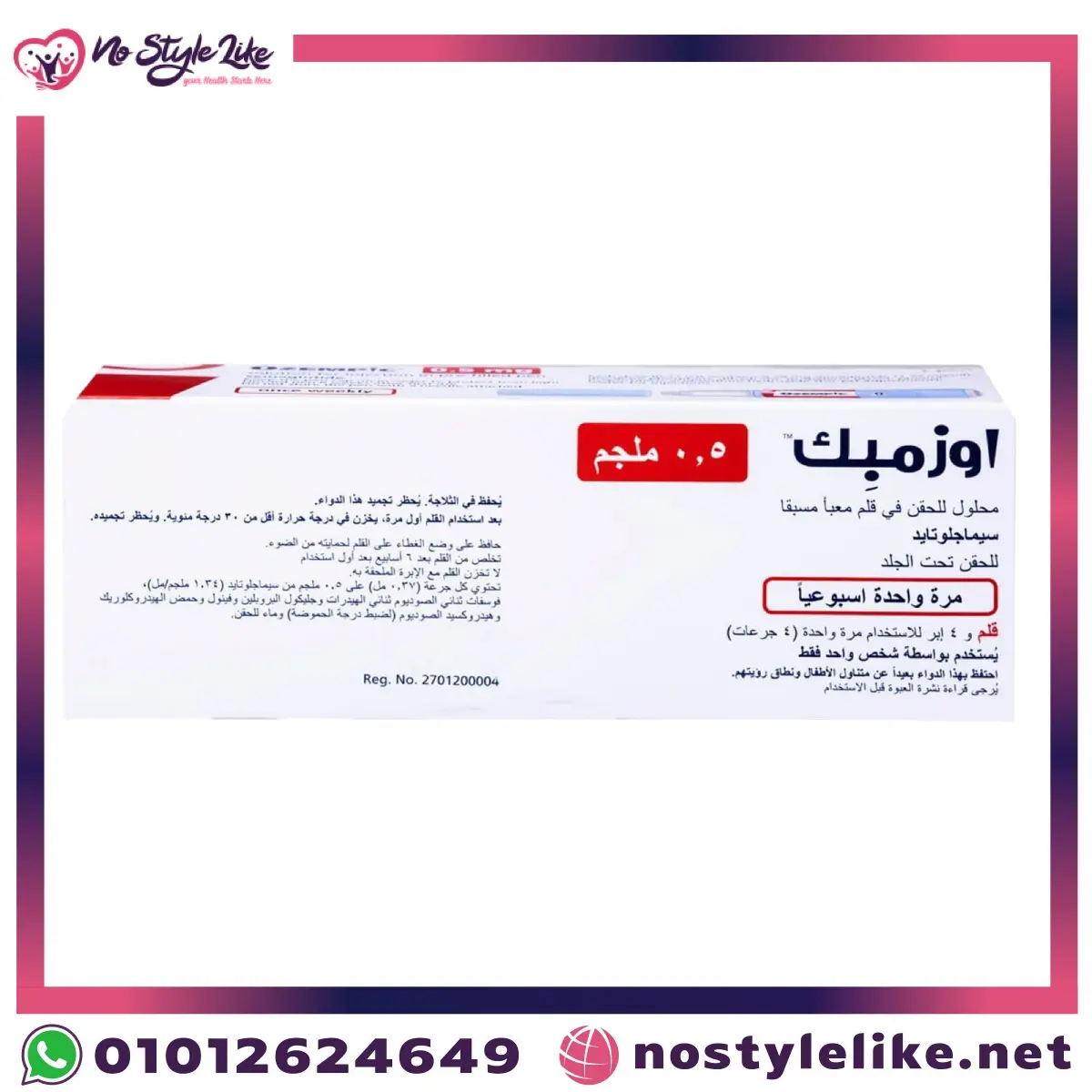
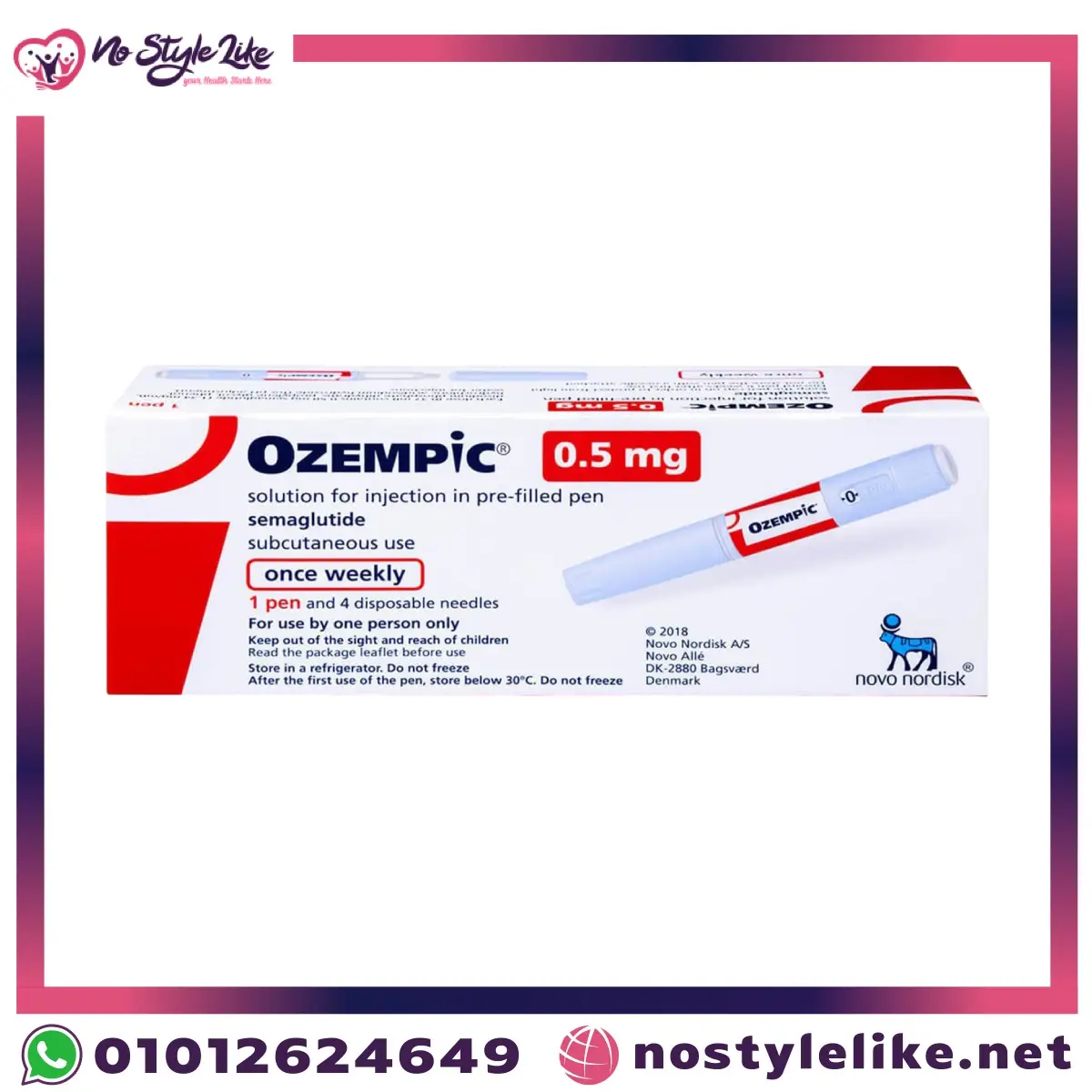
Ozempic is the brand name for the medicine semaglutide from the Danish company Novo Nordisk, supplied as a prefilled pen at a 0.5 mg dose strength with four needles. It belongs to the glucagon-like peptide-1 (GLP-1) receptor agonist class and is given under the skin once weekly. It is a medicine prescribed to control blood sugar in adults with type 2 diabetes, and it is not a dietary supplement or a cosmetic product.
How Semaglutide Works
Semaglutide mimics the body’s natural GLP-1 hormone and works through several mechanisms: stimulating insulin release from the pancreas when blood sugar is high, reducing glucagon (which raises sugar), and slowing stomach emptying, which increases the feeling of fullness. These mechanisms help lower blood sugar after meals and throughout the day, and may be accompanied by changes in weight and appetite. Its effect on insulin is glucose-dependent, which lowers the risk of hypoglycaemia when used alone.
Key Proven Benefits
Studies have shown that semaglutide improves blood-sugar control (lowering HbA1c) in people with type 2 diabetes when added to diet and physical activity. Data have also shown a benefit in reducing cardiovascular event risk in patients with existing heart or kidney disease. Better sugar control has a positive impact on long-term complications, and all of this happens within a doctor-supervised plan.
Indications
Ozempic is prescribed mainly to control blood sugar in adults with type 2 diabetes alongside diet and exercise, and may be used to reduce cardiovascular risk in specific groups per the doctor’s assessment. Any other use is a purely medical decision in which the doctor weighs the benefit against the risks for each individual case.
Who Does a Doctor Prescribe It For?
A doctor prescribes it for adults with type 2 diabetes who need better sugar control, especially those who have not reached their target on oral medicines alone, or who have cardiac risk factors that benefit from its effect. Determining suitability, dose and follow-up are all the responsibility of the treating doctor.
Who Should Avoid It?
It is not used by those with a personal or family history of medullary thyroid carcinoma (MTC) or Multiple Endocrine Neoplasia syndrome type 2 (MEN2), nor by those allergic to semaglutide. It is not used for type 1 diabetes or diabetic ketoacidosis. Great caution is needed in those with a history of pancreatitis or diabetic retinopathy, and a doctor should be consulted before use during pregnancy or breastfeeding.
How To Use It and Dosing
Ozempic is injected under the skin of the abdomen, thigh or upper arm once weekly on the same day each week. Treatment usually starts at 0.25 mg weekly for 4 weeks (a tolerance-building dose to reduce digestive symptoms) then rises to 0.5 mg weekly as directed by the doctor. Do not double the dose for a missed one except per the leaflet and doctor’s instructions, and the correct injection technique shown in the leaflet must be followed.
Best Time To Inject and Storage
It can be injected at any time of day with or without food, keeping to the same day each week for easy consistency. The pen is stored before first use in the refrigerator at 2-8°C away from freezing, and after starting use it is kept per the leaflet away from heat, direct light and out of reach of children. Do not use the pen if it has frozen or the liquid’s appearance has changed.
Expected Time To Improvement
The medicine’s effect on blood sugar builds gradually over the first weeks, and the doctor assesses the response through sugar monitoring and HbA1c, which reflects a three-month average. Reaching the control target may take weeks to months with dose adjustment, and consistency and regular follow-up are the basis of the result.
Side Effects
The most common effects are digestive, such as nausea, vomiting, diarrhoea or constipation and abdominal pain, and they usually ease over time and with gradual dosing. Less common effects may include gallbladder problems, worsening of diabetic retinopathy, or dehydration affecting the kidneys with severe vomiting and diarrhoea. A rare serious sign is pancreatitis (severe, persistent abdominal pain spreading to the back). Report any unusual symptoms to your doctor.
Common Mistakes
Common mistakes include using the medicine without a prescription or medical supervision, starting at a high dose without titration, treating it as a “slimming injection” while neglecting diet and activity, freezing the pen, or wrongly repeating a dose to make up a missed one. Most important is that use is within an integrated medical plan with follow-up.
Myths and Facts
| Myth | Fact |
|---|---|
| Ozempic is just a slimming injection to use freely | It is a prescription medicine for type 2 diabetes used under a doctor |
| A higher starting dose gives a faster result | Gradual dosing reduces digestive symptoms and is the correct approach |
| You can skip diet and exercise with it | It is used with diet and physical activity, not as a substitute |
| It suits every diabetic | It is not used for type 1 or ketoacidosis or those with contraindications |
Drug Interactions
Ozempic may increase the risk of low blood sugar when used with insulin or sulfonylurea medicines, and the doctor may need to adjust their doses. Slowing of stomach emptying may also affect the absorption of some oral medicines. Tell your doctor and pharmacist about every medicine and supplement you take before and during treatment.
Contraindications and Warnings
Semaglutide carries a warning about thyroid C-cell tumors in animal studies, so it is contraindicated in those with a personal/family history of medullary thyroid carcinoma or MEN2 syndrome. It is contraindicated with allergy to the substance, and is not used for type 1 diabetes or ketoacidosis. Use caution with a history of pancreatitis, retinopathy or kidney disease. It is not advised during pregnancy, and stopping it before planning a pregnancy for a period set by the doctor is usually recommended. Do not exceed the prescribed dose.
Tests and Investigations
The doctor usually monitors blood sugar and HbA1c, may request kidney function especially with dehydration, and evaluates pancreatitis or gallbladder symptoms when needed. In patients with diabetic retinopathy, eye follow-up may be recommended. These follow-ups support safe use and dose adjustment.
What It Goes With
Treatment goes together with a balanced diet and regular physical activity as an essential part of diabetes management, along with other medicines the doctor prescribes when needed. Good hydration is important to reduce dehydration risk with digestive symptoms. Do not add any medicine or supplement without the doctor’s knowledge.
Does It Affect Other Medicines?
Yes, it may affect other diabetes medicines (hypoglycaemia risk with insulin/sulfonylureas) and may change the absorption of some oral medicines due to slowed stomach emptying. Do not stop or adjust any medicine on your own; coordinating with the doctor ensures safety and effectiveness.
When To See a Doctor Urgently?
Seek urgent medical care with severe, persistent abdominal pain spreading to the back (possible pancreatitis), severe allergic symptoms (swelling of the face/throat, difficulty breathing), signs of severe low blood sugar, severe vomiting and diarrhoea causing dehydration, or a neck lump or persistent hoarseness. Also see your doctor if sugar is not controlled or vision changes appear.
NSL Expert Tip
Our advice at No Style Like is to treat Ozempic as a serious prescription medicine, not a slimming injection: do not start it without a doctor, follow the gradual dosing and the regular weekly injection, store it correctly in the fridge, and keep up your regular tests. Combine it with diet and physical activity, and report any unusual symptom to your doctor immediately. Responsible use is what delivers the benefit safely.
FAQ
Is Ozempic a prescription medicine?
Yes, it is dispensed on prescription and used under a doctor’s supervision only.
How often is it taken?
One subcutaneous injection once weekly on the same day.
Is it meant for slimming?
It is a medicine for type 2 diabetes; weight change may accompany it, but it is not a slimming product to use freely.
How is it stored?
In the refrigerator at 2-8°C before first use, away from freezing, and per the leaflet afterwards.
What are its main side effects?
Mostly digestive such as nausea, vomiting and diarrhoea, easing with gradual dosing.
Conclusion
Ozempic 0.5 mg (semaglutide) by Novo Nordisk is a prescription medicine injected under the skin once weekly to control type 2 diabetes blood sugar alongside diet and activity, and may reduce cardiac risk in certain groups. It starts at a tolerance-building dose then 0.5 mg under the doctor, and has important warnings regarding the thyroid, pancreas and pregnancy. Use it responsibly and under medical follow-up. Browse the rest of the products at No Style Like and always consult your doctor.
This page was reviewed by the No Style Like pharmacy content team. The content is for awareness only and is not medical advice or a substitute for a doctor’s prescription. Ozempic is a prescription-only medicine used under specialist supervision. Read the package leaflet before use. For reliable information on semaglutide, refer to the U.S. National Library of Medicine – MedlinePlus: Semaglutide.



Reviews
There are no reviews yet.