


Description
Quick Answer: What Is Xeloda?
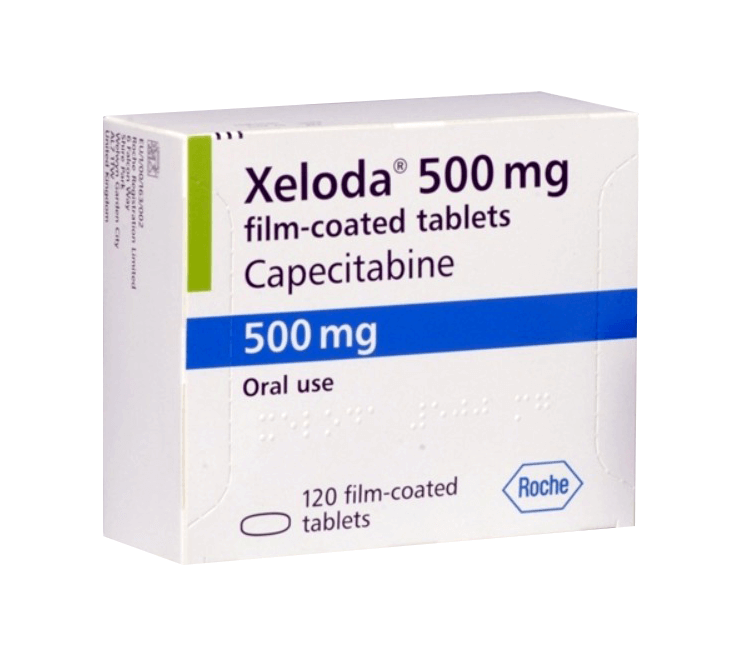
Xeloda (capecitabine) is an oral chemotherapy medicine used to treat breast cancer, colorectal cancer, and gastric cancer, taken as tablets rather than requiring IV infusion — a genuine convenience for patients, though it still demands the same careful oncology supervision as any chemotherapy. Its unique mechanism converts to active fluorouracil specifically within tumor tissue, a design intended to concentrate the chemotherapy effect where cancer cells are while somewhat sparing healthy tissue elsewhere in the body.
Key Facts About Xeloda 500mg
| Product Name | Xeloda 500mg, 120 Tablets |
|---|---|
| Active Ingredient | Capecitabine |
| Drug Class | Oral chemotherapy (fluoropyrimidine, prodrug of 5-FU) |
| Main Uses | Breast cancer, colorectal cancer, gastric cancer |
| Typical Schedule | Twice daily for 14 days, followed by a 7-day rest period, per cycle |
| Critical Timing | Taken within 30 minutes after a meal |
| Prescription Status | Prescription only (oncology) |
| Price in Egypt | 6,650 EGP |
How Xeloda’s Tumor-Targeting Mechanism Works
Capecitabine itself is inactive when taken — it converts through a series of enzymatic steps into fluorouracil (5-FU), a chemotherapy agent that disrupts cancer cell DNA synthesis. The final conversion step relies on an enzyme (thymidine phosphorylase) present at notably higher levels in many tumor tissues than in healthy tissue, meaning capecitabine is designed to become most active specifically where cancer is present — an elegant “smart prodrug” approach that distinguishes it from directly infused 5-FU chemotherapy.
Taking Xeloda Correctly — Timing Matters Enormously
- Take within 30 minutes after eating a meal — food affects absorption, and your oncologist’s dosing was calculated based on this specific timing.
- Follow your exact prescribed schedule — typically twice daily for 14 days followed by a 7-day rest, though your oncologist may adjust based on your response and tolerance.
- Swallow tablets whole with water; do not crush or split unless specifically instructed.
- Never make up a missed dose by doubling the next one — contact your oncology team for guidance on any missed dose.
The Critical Hand-Foot Syndrome Watch
Hand-foot syndrome (redness, swelling, pain, and peeling on palms and soles) is one of Xeloda’s most distinctive and common side effects — report any early signs (tingling, redness) to your oncology team promptly, since catching it early allows dose adjustment that can prevent progression to more severe, treatment-interrupting symptoms. This is not a reason to panic, but it is a reason to communicate early rather than waiting.
Possible Side Effects
Common: hand-foot syndrome as above, diarrhea, nausea, fatigue, and mouth sores. Blood count suppression is monitored via regular blood tests before each cycle. Report fever, signs of infection, severe diarrhea, or worsening hand-foot symptoms to your oncology team promptly rather than waiting for your next scheduled visit.
Important Precautions
- Regular blood counts and kidney function tests are standard monitoring for this medicine.
- Certain genetic variations (DPD enzyme deficiency) can cause severe toxicity; your oncologist may discuss testing for this before starting, particularly if there’s a family history of severe chemotherapy reactions.
- Avoid pregnancy during treatment and for a period afterward as advised by your oncologist, given significant fetal risk.
- Warfarin interactions are significant — closer INR monitoring is needed if you take both.
Storage and Handling
Store below 25°C, in the original pack. Handle with care (wash hands after handling, as with any chemotherapy tablet) and keep strictly out of reach of children and other household members.
Xeloda Price in Egypt
The price of Xeloda 500mg (120 tablets) in Egypt is 6,650 EGP. As an essential oncology medicine, coordinate refills well ahead of your current cycle’s supply running out.
Related Products
See our oncology medications collection at No Style Like.
Expert Note
“The single most important thing I tell every patient starting Xeloda: report hand-foot syndrome symptoms the moment they appear, however mild. Early reporting lets your oncologist adjust the dose and prevent progression, while waiting can mean a more severe, treatment-disrupting reaction later.” — Dr. Abdallah Fouad, Clinical Nutrition Specialist, 25+ years of pharmaceutical and oncology-adjacent experience.
Frequently Asked Questions About Xeloda
Why does Xeloda need to be taken after meals specifically?
Food affects its absorption, and your oncologist’s dosing calculation was based on this specific timing relative to meals.
What is hand-foot syndrome and why does it matter so much?
Redness, swelling, and peeling on palms and soles — reporting early signs promptly allows dose adjustment that can prevent more severe symptoms.
What if I miss a dose?
Never double the next dose; contact your oncology team for specific guidance on the missed dose.
Why is genetic testing sometimes done before starting?
DPD enzyme deficiency can cause severe toxicity with fluoropyrimidine chemotherapy; testing helps identify this risk beforehand.
Can I take it with blood thinners?
Discuss carefully with your oncologist — warfarin interactions are significant and require closer monitoring.
Living Through Xeloda’s Treatment Cycles
Understanding the 14-days-on, 7-days-off pattern helps patients plan around the periods when side effects like fatigue typically peak, using the rest week to recover strength before the next cycle begins — this predictable rhythm is one genuine advantage of Xeloda’s oral schedule over some infusion-based chemotherapy regimens.
Supporting a Loved One on Xeloda
Family members can help by checking hands and feet regularly for early hand-foot syndrome signs the patient might not notice themselves, ensuring meals are timed correctly around each dose, and encouraging the rest this specific chemotherapy schedule is built around.
This kind of steady, informed support genuinely helps patients navigate treatment with less anxiety and better symptom management overall.
Coordinate closely with the treating oncology team throughout every cycle.
Consistent communication remains the single best tool through this whole journey.
Strength and steady progress, one cycle at a time.
References
Capecitabine clinical profile: DrugBank – Capecitabine.
Bottom line: Xeloda offers effective oral chemotherapy with a tumor-targeting design — order it from No Style Like, respect the exact meal-timing schedule, and report hand-foot syndrome symptoms to your oncology team the moment they appear.
Supporting Nutrition During Xeloda Treatment
Small, frequent meals with easily digested protein help manage the diarrhea and mouth sores some patients experience, and staying well hydrated supports both symptom management and kidney function during treatment cycles — a clinical nutrition consultation alongside your oncology team can tailor this further to your specific tolerance pattern.

Reviews
There are no reviews yet.