



Description
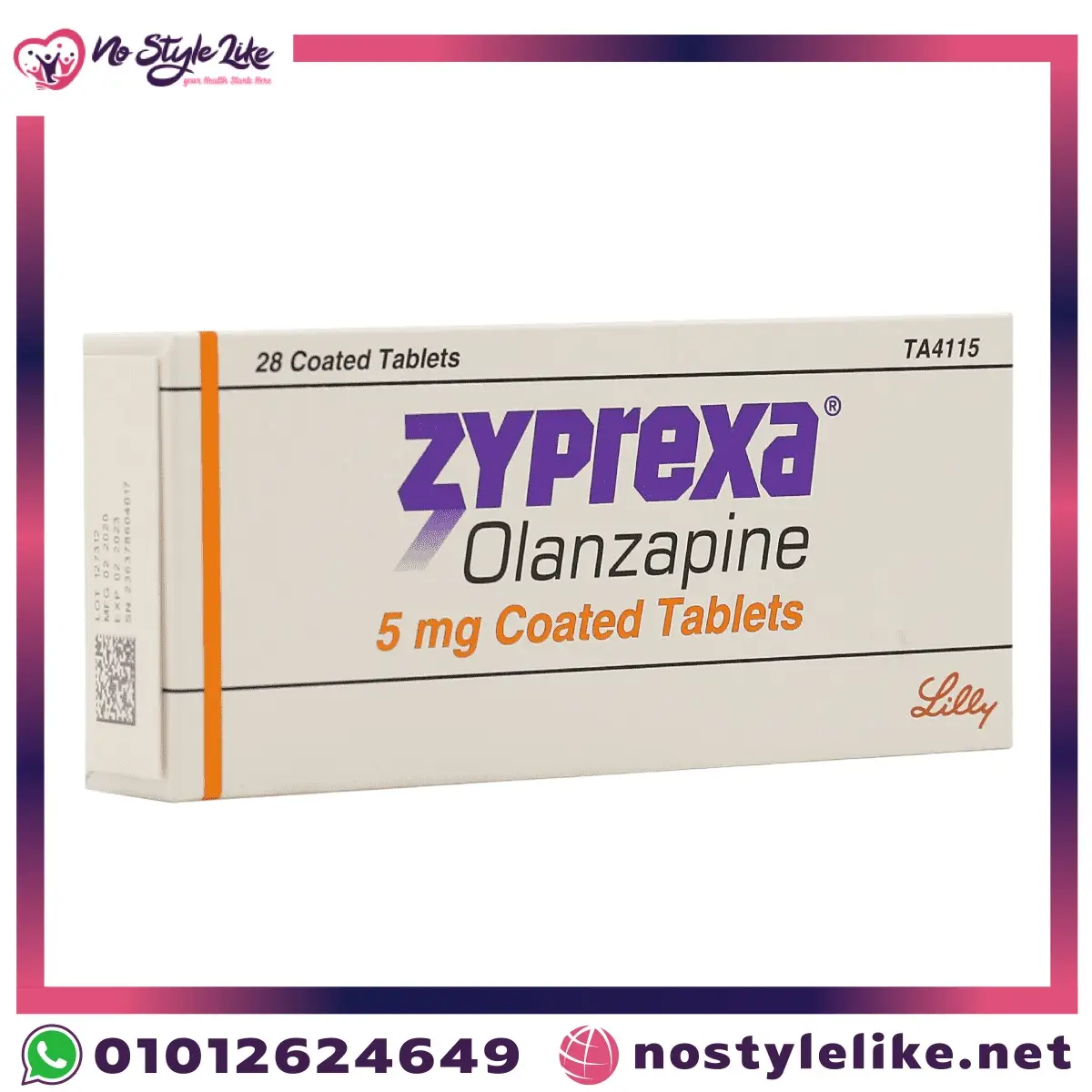
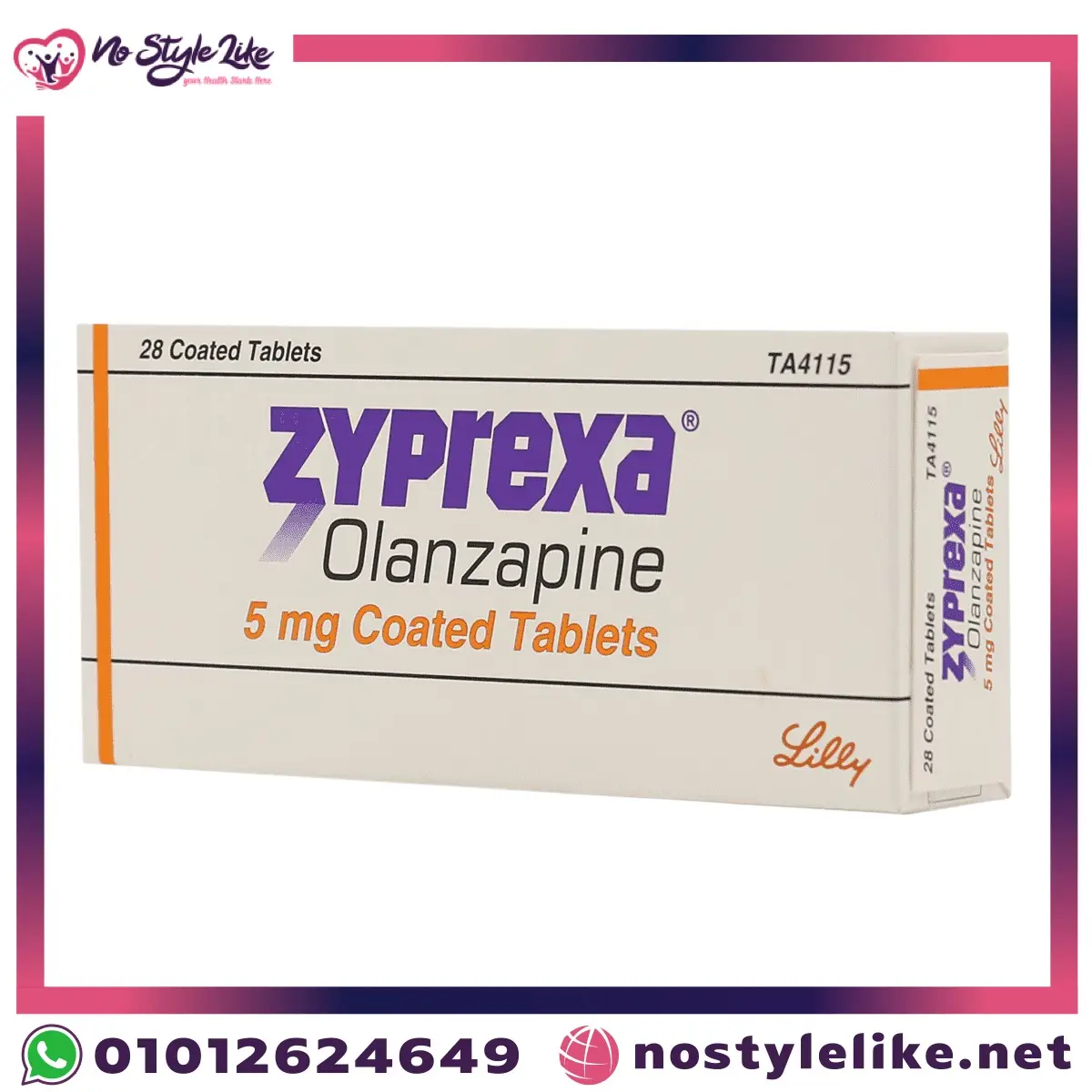
Zyprexa 5 mg Olanzapine for Schizophrenia & Bipolar Disorder
Zyprexa 5 mg Olanzapine is an atypical antipsychotic medication commonly prescribed for schizophrenia, bipolar disorder, mood instability, hallucinations, and psychotic symptoms.
Its active ingredient, Olanzapine, works by helping regulate dopamine and serotonin activity in the brain to improve mood stability, thinking clarity, and behavioral control.
Key Facts
| Feature | Details |
|---|---|
| Product Name | Zyprexa 5 mg Olanzapine |
| Active Ingredient | Olanzapine |
| Drug Class | Atypical Antipsychotic |
| Strength | 5 mg |
| Pack Size | 28 Film-Coated Tablets |
| Brand | Eli Lilly |
| Main Uses | Schizophrenia & Bipolar Disorder |
| Administration | Oral Tablets |
Short Description
Zyprexa 5 mg contains Olanzapine, an atypical antipsychotic medication used to support the management of schizophrenia, bipolar disorder, psychotic symptoms, mood instability, and agitation under psychiatric supervision.
Table of Contents
- Introduction
- What Is This Product?
- How Does It Work?
- Main Benefits
- Real Use Cases
- Who Is It Best For?
- Who Should Avoid It?
- How to Use Correctly
- Best Time to Use
- Common Questions Users Ask
- Expected Results Timeline
- Common Mistakes
- Myths vs Facts
- Drug Interactions
- Contraindications
- Required Tests If Needed
- What to Eat With It
- Effect on Other Medications
- When To See a Doctor
- NSL Expert Tip
- Conversational FAQ
- Conclusion
Introduction
Mental health conditions such as schizophrenia and bipolar disorder can affect thinking, mood, sleep, behavior, and daily functioning. Symptoms like hallucinations, mood swings, agitation, and disorganized thoughts may interfere with work, relationships, and quality of life.
Zyprexa 5 mg Olanzapine is widely prescribed by psychiatrists to help stabilize mood and reduce psychotic symptoms as part of comprehensive mental health treatment plans.
What Is This Product?
Zyprexa 5 mg is a prescription antipsychotic medication containing Olanzapine as the active ingredient.
It belongs to the atypical antipsychotic class and is used for schizophrenia, bipolar disorder, severe agitation, and treatment-resistant depression when combined with other medications.
How Does It Work?
Olanzapine works by affecting neurotransmitters in the brain, particularly dopamine and serotonin.
- Helps reduce hallucinations and delusions
- Supports mood stability
- Helps reduce agitation and aggression
- May improve sleep quality
- Supports clearer thinking and concentration
Its dual action on dopamine D2 and serotonin 5-HT2A receptors contributes to symptom management in psychiatric conditions.
Main Benefits
- Supports schizophrenia symptom management
- Helps stabilize mood in bipolar disorder
- May reduce agitation and aggression
- Supports improved sleep in some patients
- Helps improve daily mental functioning
- Widely used in psychiatric treatment plans
Real Use Cases
Doctors commonly prescribe Zyprexa for:
- Schizophrenia treatment
- Bipolar disorder management
- Manic episodes
- Psychosis-related agitation
- Treatment-resistant depression combinations
Who Is It Best For?
Zyprexa may be suitable for:
- Adults diagnosed with schizophrenia
- Patients with bipolar disorder
- Individuals experiencing psychotic symptoms
- Patients requiring long-term psychiatric stabilization
Who Should Avoid It?
Zyprexa may not be suitable for:
- People allergic to Olanzapine
- Patients with severe uncontrolled diabetes without supervision
- Individuals with certain neurological conditions
- Pregnant or breastfeeding women unless prescribed medically
How to Use Correctly
Take Zyprexa exactly as prescribed by your psychiatrist or healthcare provider.
The medication is usually taken once daily, with or without food.
Do not stop the medication suddenly without medical supervision.
Best Time to Use
Many patients take Zyprexa in the evening because it may cause drowsiness or sedation.
Your doctor may adjust the timing depending on your symptoms and daily routine.
Common Questions Users Ask
What is Zyprexa used for?
It is commonly used for schizophrenia, bipolar disorder, and psychotic symptoms.
Does Zyprexa help with sleep?
Some patients notice improved sleep due to its calming effects.
Can Zyprexa cause weight gain?
Yes, increased appetite and weight gain are among the more common side effects.
Expected Results Timeline
| Timeline | Possible Changes |
|---|---|
| 1–2 Weeks | Early calming and sleep-related improvements |
| 2–4 Weeks | Gradual reduction in agitation and mood instability |
| 4–6 Weeks | Full therapeutic psychiatric evaluation period |
Common Mistakes
- Stopping medication suddenly
- Skipping doses regularly
- Mixing with alcohol
- Ignoring blood sugar monitoring
- Changing dosage without medical advice
Myths vs Facts
| Myth | Fact |
|---|---|
| Zyprexa is addictive | It is not considered addictive, but stopping suddenly may cause withdrawal symptoms |
| All psychiatric medications work instantly | Many medications require several weeks for full effects |
| Zyprexa cures mental illness permanently | It helps manage symptoms as part of long-term treatment plans |
Drug Interactions
Zyprexa may interact with:
- Antidepressants
- Benzodiazepines
- Alcohol
- Blood pressure medications
- Anticonvulsants
- Sedatives
Always inform your doctor about all medications and supplements you take.
Contraindications
Do not use Zyprexa if:
- You have an allergy to Olanzapine
- Your doctor advised against antipsychotic therapy
- You have medical conditions requiring alternative treatment plans
Required Tests If Needed
Doctors may monitor:
- Blood sugar levels
- Cholesterol profile
- Weight and BMI
- Liver function tests
- Mental health assessments
What to Eat With It
Patients are often advised to maintain:
- Balanced meals
- Controlled sugar intake
- Adequate hydration
- Regular physical activity when possible
Healthy lifestyle habits may help manage metabolic side effects.
Effect on Other Medications
Zyprexa may increase sedation when combined with alcohol or sedative medications. Medication adjustments may sometimes be needed under physician supervision.
When To See a Doctor
Seek immediate medical advice if you experience:
- Severe muscle stiffness
- High fever
- Confusion
- Seizures
- Severe allergic reactions
- Significant blood sugar changes
Mental health medications should always be used under professional supervision.
NSL Expert Tip
NSL Expert Tip: Consistent medication timing, regular follow-up appointments, sleep management, and avoiding alcohol can improve treatment stability and overall wellbeing.
Conversational FAQ
Can Zyprexa be taken long term?
Yes, some patients use it long term under psychiatric supervision.
Does Zyprexa cause drowsiness?
Yes, drowsiness and sedation are relatively common.
Can I stop Zyprexa suddenly?
No, stopping suddenly may increase the risk of relapse or withdrawal symptoms.
Does Zyprexa affect blood sugar?
Yes, blood sugar monitoring may be necessary for some patients.
Are there alternatives to Zyprexa?
Alternatives may include Risperidone, Quetiapine, Aripiprazole, or Clozapine depending on the condition.
Conclusion
Zyprexa 5 mg Olanzapine is a widely prescribed atypical antipsychotic used to support schizophrenia, bipolar disorder, and psychotic symptom management under medical supervision.
When used consistently and monitored appropriately, it may help improve mood stability, reduce agitation, and support better mental functioning as part of comprehensive psychiatric care.
Medical Disclaimer
This content is for educational purposes only and does not replace professional medical advice, diagnosis, or treatment. Prescription psychiatric medications should only be used under qualified medical supervision.







Reviews
There are no reviews yet.