


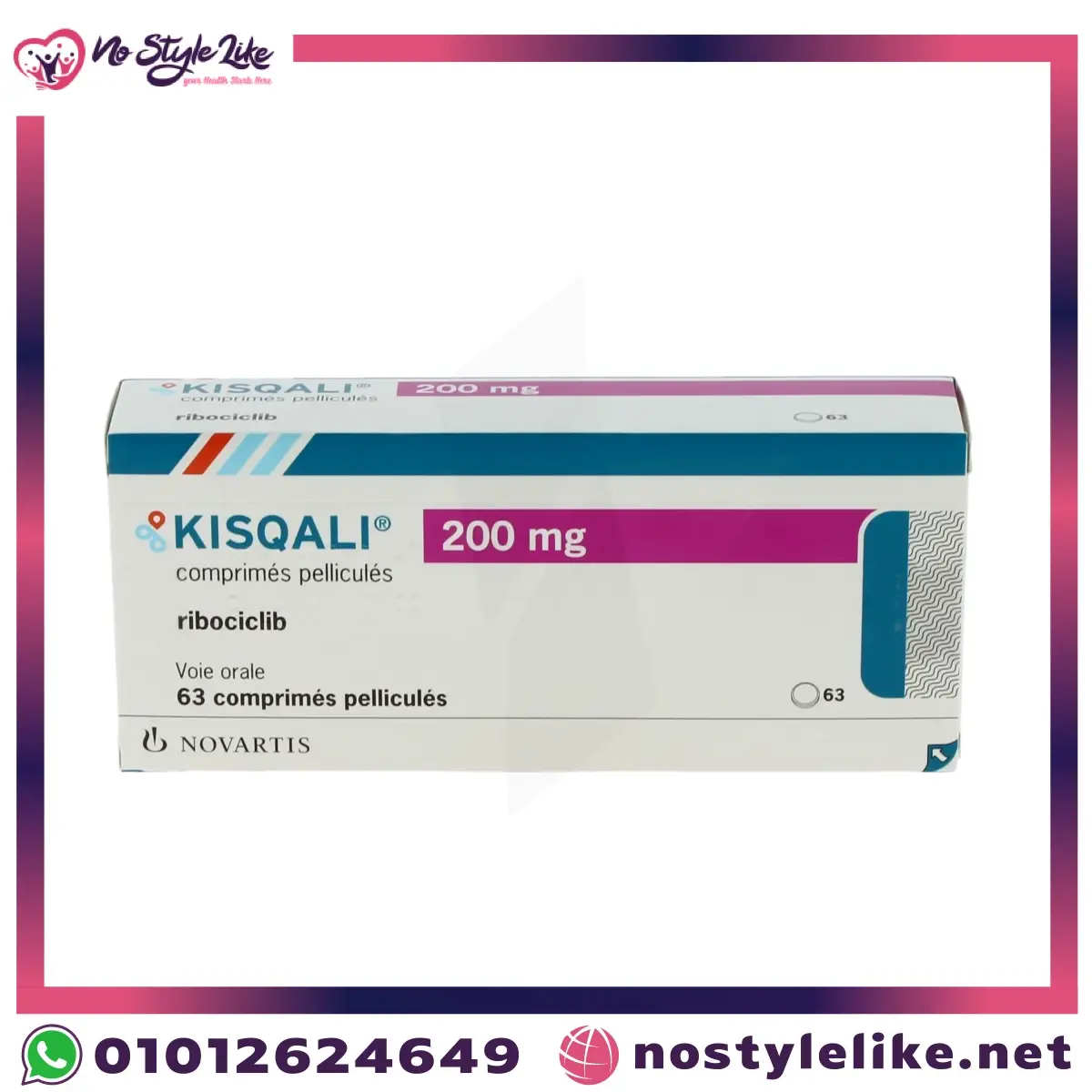
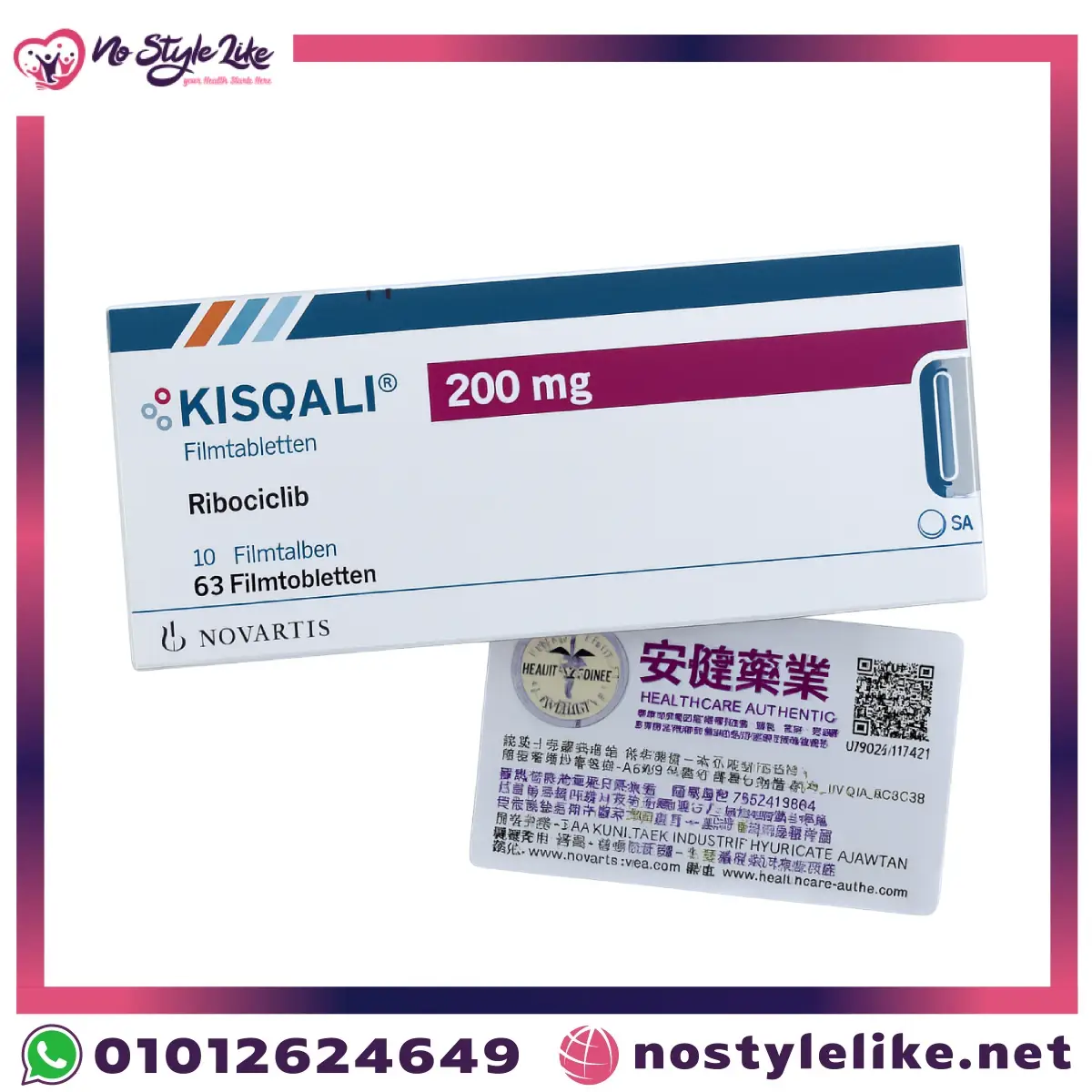
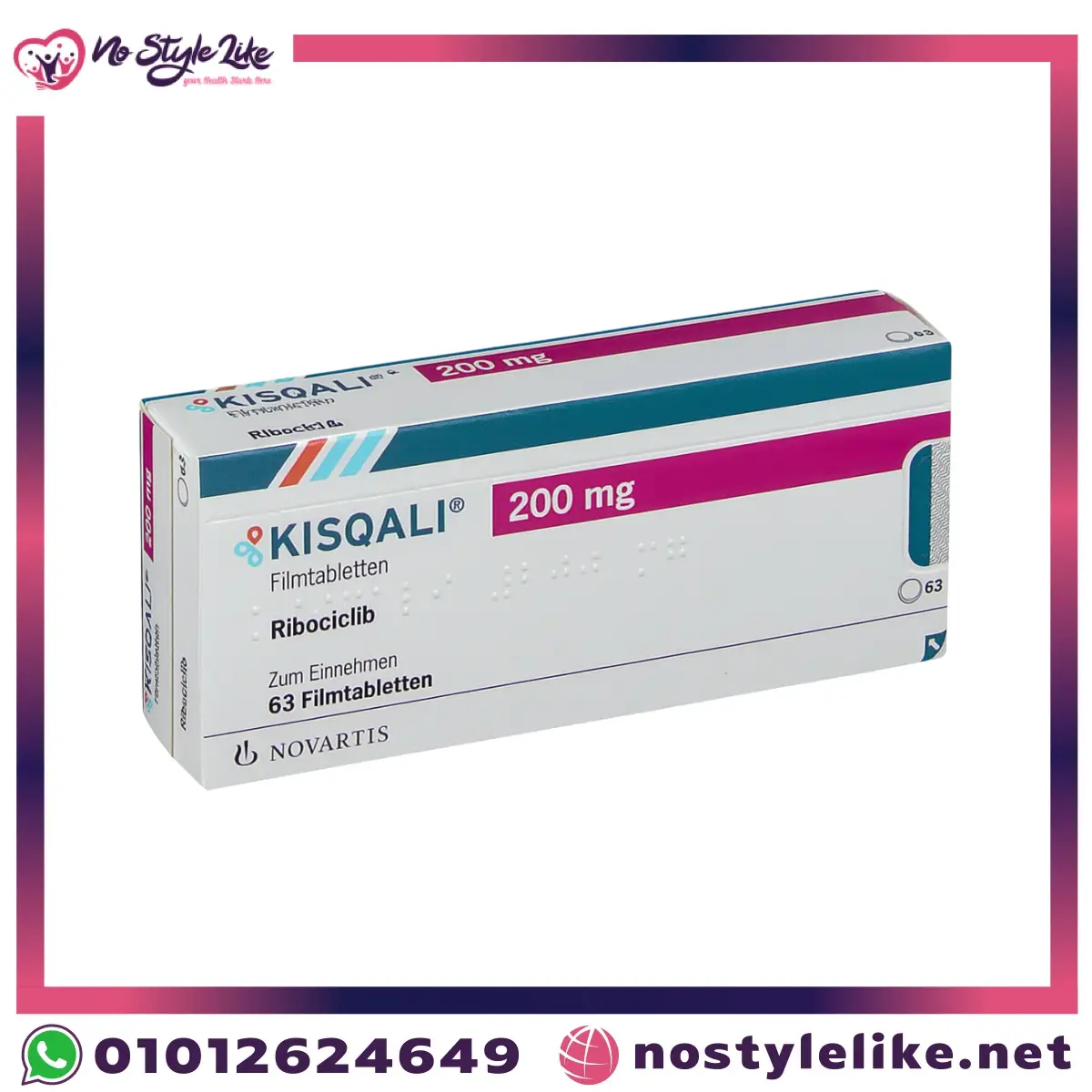
Description
What is Kisqali 200 mg?
Kisqali (Ribociclib) is an advanced cancer treatment classified as a CDK4/6 inhibitor. It is primarily prescribed for women with HR-positive, HER2-negative advanced or metastatic breast cancer. Kisqali is used in combination with hormonal therapies such as letrozole or fulvestrant to improve survival rates and slow down cancer progression.
Indications (Medical Uses)
Treatment of advanced breast cancer in women.
Used with endocrine therapy like aromatase inhibitors or fulvestrant.
Helps prevent further progression of tumors.
Improves overall survival in HR+/HER2- breast cancer patients.
How Does Kisqali Work?
Kisqali contains Ribociclib, which inhibits cyclin-dependent kinases 4 and 6 (CDK4/6). These enzymes regulate cell division.
By blocking them, the drug halts cancer cell growth.
This slows down or completely stops tumor development.
Unlike chemotherapy, it targets cancer cell mechanisms more selectively, reducing damage to healthy cells.
Dosage and Administration
Recommended dose: 600 mg daily (3 tablets of 200 mg).
Taken for 21 consecutive days, followed by 7 days off (28-day cycle).
Tablets should be taken at the same time each day, with or without food.
Tablets must be swallowed whole – not crushed or broken.
⚠️ Patients must follow the doctor’s prescription strictly. Dose adjustments may be needed based on lab results and tolerance.
Possible Side Effects
Like all cancer treatments, Kisqali may cause side effects:
Nausea and vomiting.
Diarrhea or constipation.
Fatigue and headache.
Loss of appetite.
Mild hair thinning.
Blood count changes (low white cells or platelets).
Elevated liver enzymes.
Serious side effects: irregular heartbeat, severe infections, or liver problems. Immediate medical attention is required in such cases.
Contraindications
Allergy to ribociclib or tablet ingredients.
Pregnant and breastfeeding women.
Severe liver disease.
Patients with heart rhythm disorders (QT prolongation).
Drug Interactions
Kisqali can interact with several medicines, including:
Antibiotics (clarithromycin, erythromycin).
Antifungals (ketoconazole, itraconazole).
Heart medicines (amiodarone, verapamil).
Statins (cholesterol-lowering drugs).
Herbal supplements like St. John’s Wort.
Always inform your doctor about all medications and supplements before starting Kisqali.
Precautions & Warnings
Regular blood tests are required to monitor liver function and blood counts.
Avoid grapefruit and its juice (increases drug levels in the blood).
Not safe during pregnancy – use effective birth control.
Stop breastfeeding during treatment.
⭐ User Reviews
⭐⭐⭐⭐⭐ “Kisqali made a huge difference in my treatment plan, with manageable side effects.”
⭐⭐⭐⭐☆ “Effective but requires constant monitoring of blood counts.”
⭐⭐⭐⭐⭐ “Excellent results in combination with hormonal therapy, very satisfied.”
❓ Frequently Asked Questions (FAQs)
1. What is Kisqali used for?
It treats advanced or metastatic breast cancer (HR+/HER2-).
2. How does Ribociclib work in cancer treatment?
It blocks CDK4/6 enzymes, stopping cancer cell growth.
3. What is the recommended dosage?
600 mg daily (3 tablets of 200 mg) for 21 days, followed by 7 days off.
4. Can it be taken with food?
Yes, with or without food, preferably at the same time each day.
5. What are the serious side effects?
Liver damage, irregular heartbeat, and severe infections.
6. Does Kisqali cause hair loss?
It may cause mild hair thinning, but not severe like chemotherapy.
7. Can pregnant women take Kisqali?
No, it is unsafe during pregnancy and breastfeeding.
8. How long before results are seen?
Response varies, usually noticeable after 8–12 weeks.
9. Can it be combined with other drugs?
Yes, often combined with letrozole or fulvestrant, but drug interactions must be checked.
10. What are alternatives if Kisqali is unavailable?
Other CDK4/6 inhibitors like Ibrance (Palbociclib) and Verzenio (Abemaciclib).
Reviews
There are no reviews yet.