





Description
Advil Ibuprofen 200 mg 50 Tablets – Uses, Dosage & Safety Guide
Key Facts Table
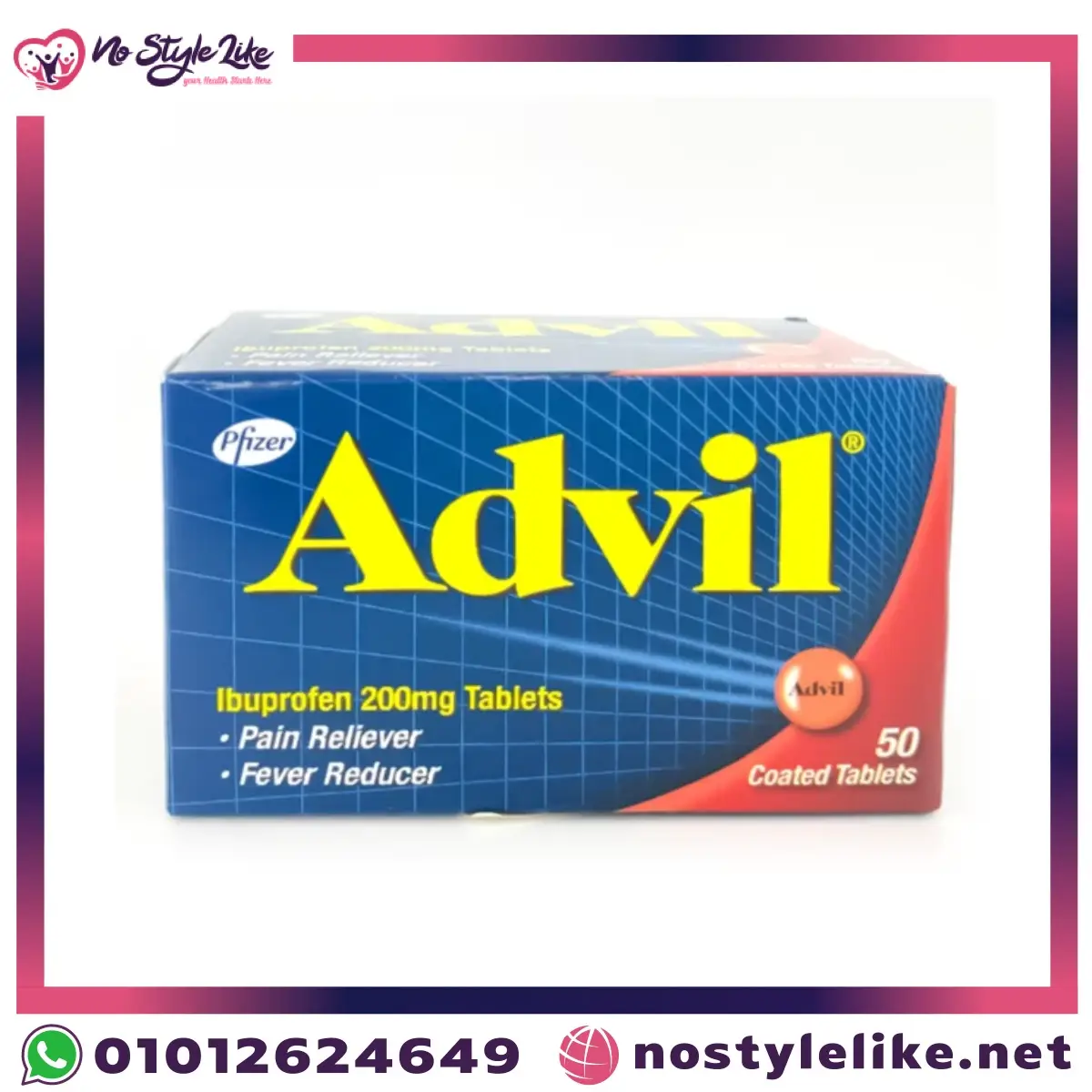
| Product Name | Advil Ibuprofen 200 mg – 50 Tablets |
| Pack Size | 50 coated tablets |
| Active Ingredient | Ibuprofen 200 mg |
| Drug Class | NSAID (non-steroidal anti-inflammatory drug) |
| Main Uses | Mild to moderate pain, fever, inflammation |
| Onset of Action | Typically within 20–30 minutes |
| Duration of Effect | 4–6 hours per dose |
| Suitable Age | Adults and children over 12 years |
| How to Take | With food or milk to protect the stomach |
Advil 200 mg is one of the world’s most recognized ibuprofen brands, combining pain relief, fever reduction, and anti-inflammatory action in a single coated tablet for short-term, as-needed use.
Table of Contents
- Introduction
- What Is Advil 200 mg?
- How Does It Work?
- Main Benefits
- Real Use Cases
- Who Is It Best For?
- Who Should Avoid It?
- How to Use Correctly
- Best Time to Take It
- Common Questions Users Ask
- Expected Results Timeline
- Common Mistakes
- Myths vs Facts
- Drug Interactions
- Contraindications
- Required Tests
- What to Eat With It
- Effect on Other Medications
- When to See a Doctor
- NSL Expert Tip
- FAQ
- Conclusion
Introduction
A headache before an important meeting, muscle soreness after a workout, or a fever during a cold — everyday pain rarely arrives at a convenient time. Advil Ibuprofen 200 mg is designed exactly for these situations: fast, short-term relief you keep in the medicine cabinet and use only when needed.
This guide covers what Advil actually does, the correct dosage, who should avoid it, and the safety details that matter — including interactions with blood pressure medications and blood thinners that many people overlook.
What Is Advil Ibuprofen 200 mg?
Advil is a globally recognized brand of Advil Ibuprofen , a non-steroidal anti-inflammatory drug (NSAID). Each coated tablet contains 200 mg of ibuprofen — the standard over-the-counter strength suitable for self-treatment of common pain and fever.
Unlike paracetamol (which only relieves pain and fever), ibuprofen also reduces inflammation, which makes it particularly useful for muscle, joint, and dental pain where swelling is part of the problem.
The 50-tablet pack is a practical household size: enough for occasional, as-needed use by the whole family without frequent repurchasing.
How Does It Work?
Advil Ibuprofen blocks cyclooxygenase (COX) enzymes, which the body uses to produce prostaglandins — the chemical messengers responsible for pain, inflammation, and fever. Less prostaglandin production means:
- Less pain signaling at the site of injury or tension
- Reduced swelling and inflammation in muscles and joints
- A lower temperature set-point in the brain, bringing fever down
The coated tablet is absorbed quickly, with relief typically starting within 20–30 minutes and lasting 4–6 hours, as documented by clinical references such as MedlinePlus – Ibuprofen.
Main Benefits
- Relieves mild to moderate pain: headaches, dental pain, muscle aches, back pain
- Reduces fever from colds, flu, and mild infections
- Anti-inflammatory action for muscle and joint discomfort
- Effective for menstrual cramps
- Fast onset — noticeable relief usually within half an hour
- Coated tablets that are easy to swallow
Real Use Cases
- Tension headaches and migraines: taken at the first sign of pain for best results.
- Post-exercise muscle soreness: reduces inflammation after intense physical activity.
- Menstrual cramps: ibuprofen targets the prostaglandins that cause uterine cramping directly.
- Cold and flu: lowers fever and eases body aches while the illness runs its course.
- Dental pain: a common short-term choice before or after dental procedures, as directed by the dentist.
Who Is It Best For?
- Adults and children over 12 years with mild to moderate pain or fever
- People whose pain involves inflammation (muscle, joint, dental, menstrual)
- Those who need occasional, as-needed relief — not daily long-term treatment
Who Should Avoid It?
- People with active or previous stomach ulcers or gastrointestinal bleeding
- Anyone with a known allergy to ibuprofen, aspirin, or other NSAIDs (including aspirin-induced asthma)
- Patients with severe kidney, liver, or heart failure
- Pregnant women, especially in the last trimester — ibuprofen is contraindicated after week 20 without medical approval
- Children under 12 years (this strength) unless directed by a doctor
- People taking blood thinners, unless approved by their physician
How to Use Correctly
- Adult dose: 1–2 tablets (200–400 mg) every 4–6 hours as needed.
- Maximum without medical advice: 6 tablets (1200 mg) in 24 hours.
- Take with food, milk, or a full glass of water to protect the stomach.
- Swallow the tablet whole — do not crush or chew.
- Use the lowest effective dose for the shortest possible time — the core safety rule for all NSAIDs.
- Do not use for more than 3 days for fever or 10 days for pain without consulting a doctor.
Best Time to Take It
Take Advil Ibuprofen with or right after a meal whenever possible. For predictable pain — such as menstrual cramps or post-dental-procedure discomfort — taking a dose early, before pain peaks, works better than waiting until the pain is severe.
Common Questions Users Ask
Advil or paracetamol — which should I choose? For pain with inflammation (muscles, joints, teeth, cramps), ibuprofen is usually more effective. For simple fever or if you have stomach sensitivity, paracetamol is gentler. Never combine ibuprofen with another NSAID.
Can I take it on an empty stomach? It works, but stomach irritation is far more likely. With food is always the safer choice.
Does it make you drowsy? No — standard Advil contains no sedating ingredients and does not affect alertness or driving.
Expected Results Timeline
| Time | What to Expect |
|---|---|
| 20–30 minutes | Pain relief begins; fever starts to drop |
| 1–2 hours | Peak effect on pain and temperature |
| 4–6 hours | Effect wears off; next dose may be taken if needed |
Common Mistakes
- Taking it on an empty stomach repeatedly — the fastest route to stomach irritation
- Combining Advil with other ibuprofen or NSAID products (duplicate active ingredient)
- Exceeding 6 tablets in 24 hours “because the pain is strong”
- Using it daily for weeks without medical supervision
- Taking it with blood thinners or aspirin without asking a doctor
Myths vs Facts
| Myth | Fact |
|---|---|
| “A higher dose works better.” | Above the recommended dose, pain relief barely increases while side-effect risk rises sharply. |
| “Advil cures the illness.” | It relieves symptoms only — it does not treat the underlying cause of infection or injury. |
| “It’s completely harmless because it’s over-the-counter.” | NSAIDs carry real stomach, kidney, and cardiovascular risks with overuse — OTC status means safe when used as directed, not risk-free. |
Drug Interactions
Tell your doctor or pharmacist about all medicines you take. Key interactions include:
- Blood thinners (warfarin, rivaroxaban) — significantly increased bleeding risk
- Aspirin — ibuprofen can interfere with low-dose aspirin’s heart-protective effect
- Blood pressure medications (ACE inhibitors, ARBs, diuretics) — reduced effectiveness and added kidney strain
- Corticosteroids — combined use raises the risk of stomach ulcers
- Other NSAIDs (diclofenac, naproxen) — never combine; duplicate mechanism, doubled risk
- Lithium and methotrexate — ibuprofen can raise their blood levels
A complete interaction list is available at NHS – Ibuprofen for adults.
Contraindications
- Active peptic ulcer or history of GI bleeding caused by NSAIDs
- Known hypersensitivity to ibuprofen, aspirin, or any NSAID
- Severe heart failure, severe kidney or liver impairment
- Pregnancy after week 20 (and caution earlier — doctor approval required)
- Around the time of coronary bypass (CABG) surgery
Required Tests
For occasional short-term use, no tests are needed. However, if you use ibuprofen regularly or for extended periods, your doctor may monitor:
- Kidney function (creatinine): NSAIDs reduce blood flow to the kidneys with prolonged use
- Blood pressure: ibuprofen can raise it, especially in hypertensive patients
- Complete blood count: if there is any concern about hidden GI bleeding
What to Eat With It
- Always take it with a meal or at least a snack and a full glass of water
- Milk or yogurt with the dose adds extra stomach protection
- Avoid alcohol entirely while using ibuprofen — it multiplies the risk of stomach bleeding
- Limit very spicy or acidic foods on days you take it if you have a sensitive stomach
Effect on Other Medications
Advil Ibuprofen most important indirect effect is on blood pressure and heart medications: it can blunt their effect and strain the kidneys when combined with diuretics and ACE inhibitors (the “triple whammy” combination doctors actively avoid). It also competes with low-dose aspirin — if you take aspirin for heart protection, take it at least 30 minutes before ibuprofen, or ask your doctor for an alternative pain reliever.
When to See a Doctor
Stop the medicine and seek medical attention if you notice:
- Black or bloody stools, or vomiting blood — signs of GI bleeding
- Severe stomach pain that doesn’t ease
- Swelling of the face or throat, rash, or difficulty breathing — allergic reaction
- Fever lasting more than 3 days, or pain lasting more than 10 days despite treatment
- Noticeably reduced urination or unusual swelling in the legs
NSL Expert Tip
Dr. Abdallah Fouad, Clinical Nutrition Specialist: “Treat Advil as a short-term tool, not a daily habit. If you find yourself reaching for it more than 2–3 days a week for the same recurring pain, that’s your body asking for a diagnosis, not another tablet. And always — with food. The stomach you protect today saves you a much bigger problem later.”
Frequently Asked Questions
What is Advil 200 mg used for?
It relieves mild to moderate pain — headaches, dental pain, muscle aches, menstrual cramps — and reduces fever and inflammation.
How many Advil tablets can I take per day?
Adults can take 1–2 tablets every 4–6 hours, up to a maximum of 6 tablets (1200 mg) in 24 hours without medical advice.
Is Advil the same as ibuprofen?
Yes. Advil is a brand name for ibuprofen 200 mg, made under strict international quality standards.
Can I take Advil Ibuprofen on an empty stomach?
It’s strongly preferable to take it with food or milk to reduce the risk of stomach irritation.
Is Advil Ibuprofen suitable for colds and flu?
Yes — it lowers fever and relieves the body aches that accompany colds and flu, though it does not treat the virus itself.
Advil Ibuprofen or paracetamol — which is better?
Ibuprofen is usually more effective for pain involving inflammation (muscles, teeth, cramps); paracetamol is gentler on the stomach for simple fever and headache.
Does Advil Ibuprofen cause drowsiness?
No. Standard Advil contains no sedating ingredients and does not affect driving or concentration.
Can pregnant women take Advil?
No — especially after week 20 of pregnancy, ibuprofen is contraindicated. Consult a doctor for safe alternatives.
Can I take Advil with blood pressure medication?
Only after consulting your doctor — ibuprofen can reduce the effectiveness of blood pressure medicines and strain the kidneys.
Where can I buy authentic Advil Ibuprofen 200 mg in Egypt?
You can order the original imported product from No Style Like, with verified sourcing, secure packaging, and checked expiry dates.
Conclusion
Advil Ibuprofen 200 mg earns its place in the medicine cabinet by doing three jobs in one tablet: relieving pain, lowering fever, and calming inflammation. Used correctly — with food, at the lowest effective dose, for short periods — it is one of the most reliable options for everyday pain relief.
Related products on No Style Like: [Related product 1] · [Related product 2] · [Related product 3]
Reviewed by: Dr. Abdallah Fouad, Clinical Nutrition Specialist — 25+ years of experience
Medical Disclaimer: This content is for educational purposes only and does not replace professional medical advice. Consult your doctor or pharmacist before use, especially if you have chronic conditions or take other medications. Sources: MedlinePlus, NHS.
Related products to Advil Ibuprofen 200 mg
You may also like: Panadol Migraine 24 Caplets, Panadol Sinus 24 Tablets, and Panadol Children’s Syrup for cold & fever symptoms.




Reviews
There are no reviews yet.