


Description
Retacrit Epoetin Zeta — Overview
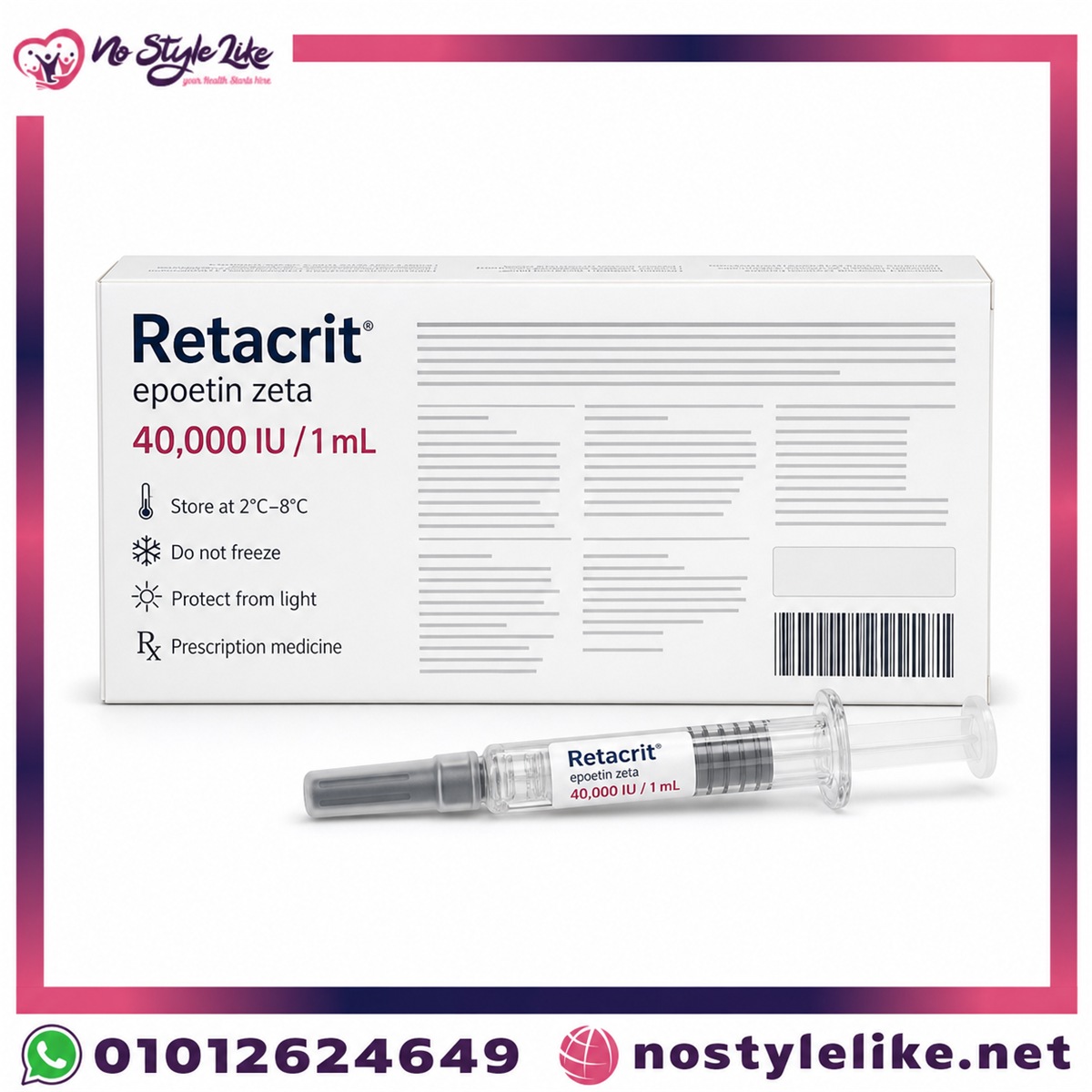
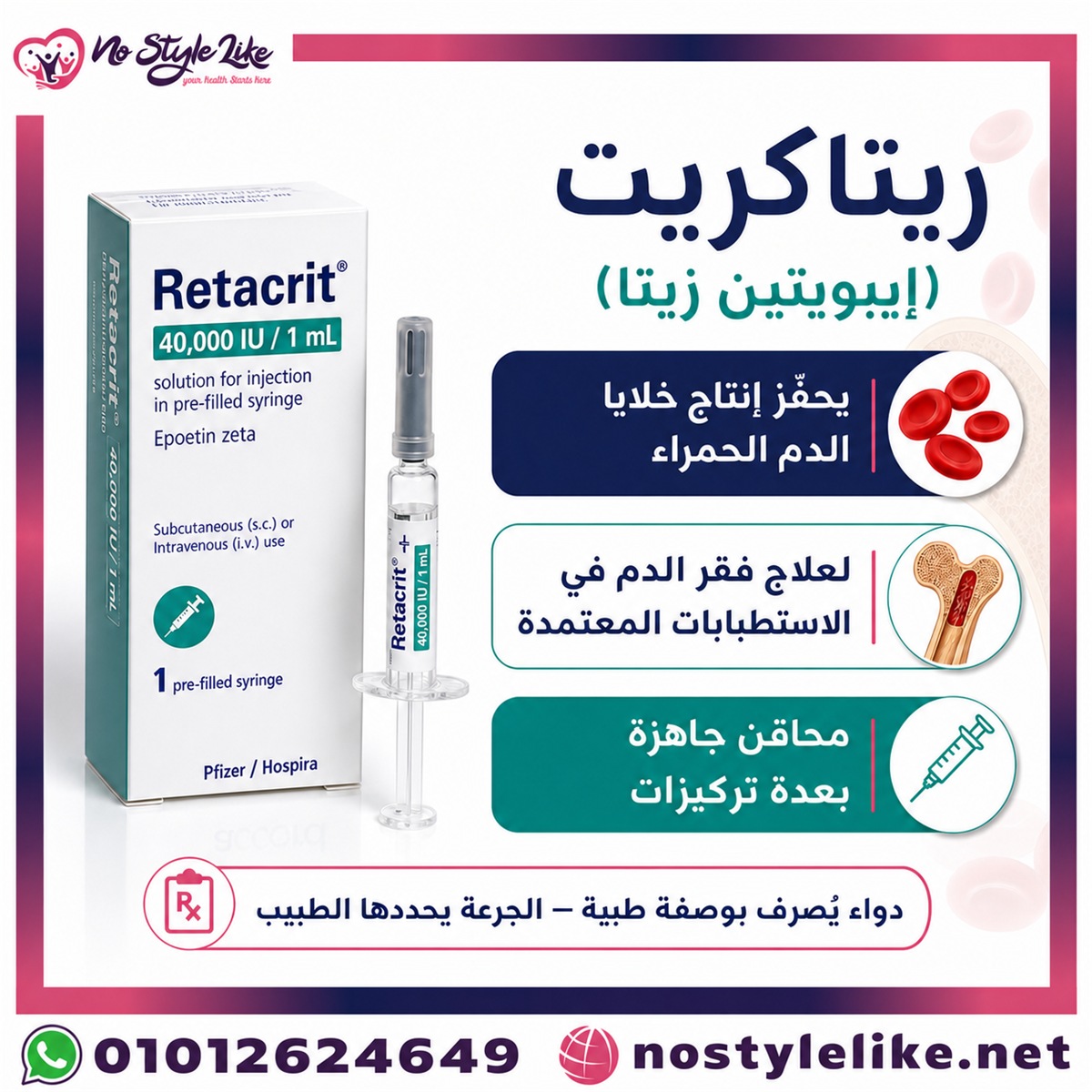
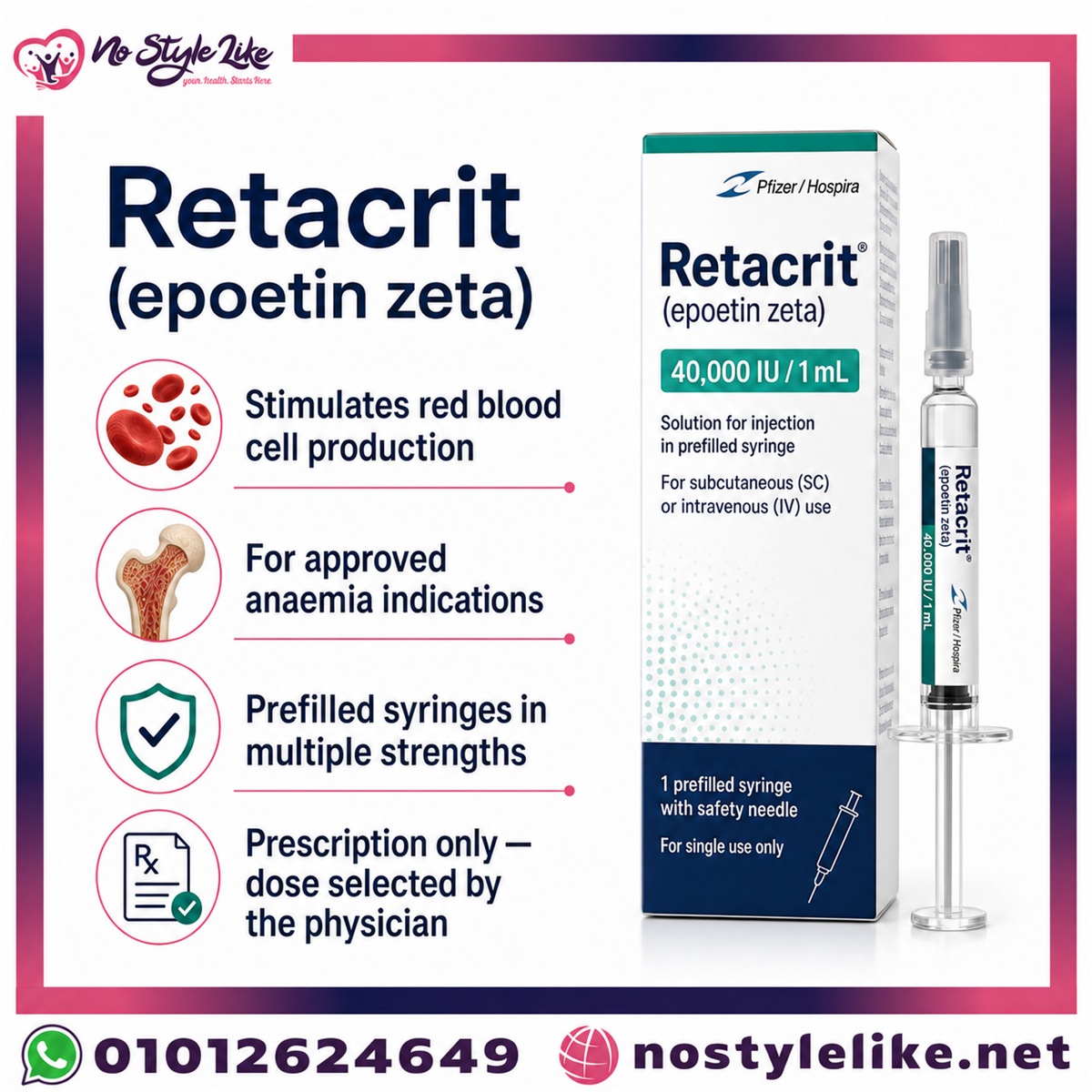
Retacrit epoetin zeta is a prescription biosimilar erythropoiesis-stimulating medicine supplied as a solution for injection in prefilled syringes. The 40,000 IU/1 mL presentation contains epoetin zeta, a copy of human erythropoietin that stimulates the bone marrow to produce red blood cells. Treatment must be started and monitored by a clinician experienced in managing anaemia.
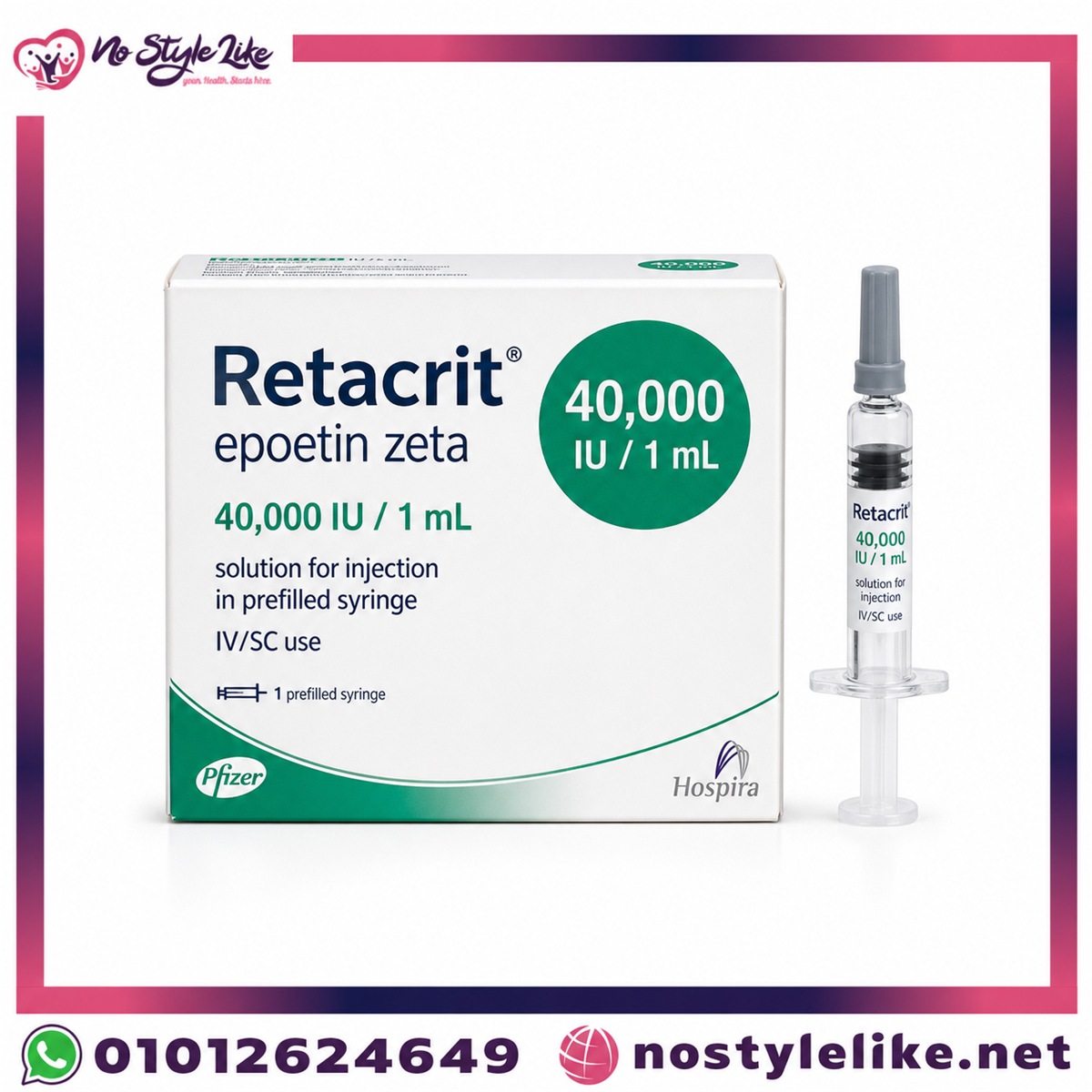
According to the European Medicines Agency Retacrit assessment, strengths from 1,000 to 40,000 IU are available. Retacrit is biosimilar to the reference medicine Eprex/Erypo and can only be obtained with a prescription.
4 Approved Uses of Retacrit Epoetin Zeta
The treating specialist selects Retacrit epoetin zeta only for an authorised indication and after assessing the cause of anaemia. The four principal EU-approved use groups are:
- Chronic kidney disease: treatment of symptomatic anaemia in adults and appropriate paediatric patients with chronic renal failure, including people receiving haemodialysis and adults receiving peritoneal dialysis or not yet on dialysis.
- Chemotherapy-associated anaemia: treatment of anaemia and reduction of transfusion requirements in adults receiving chemotherapy for certain solid tumours, malignant lymphoma or multiple myeloma when the clinician considers transfusion risk significant.
- Autologous blood predonation: increasing the amount of blood that selected patients with moderate anaemia can donate before major elective surgery, when suitable blood-conservation procedures are not available or are insufficient.
- Major elective orthopaedic surgery: reducing exposure to donor blood transfusion in carefully selected, non-iron-deficient adults with moderate anaemia and a high anticipated transfusion risk.
These indication groups are not interchangeable. Eligibility, route, schedule and treatment duration depend on the individual clinical situation.
How Retacrit Works
Erythropoietin is a natural hormone produced mainly by the kidneys. It signals precursor cells in the bone marrow to develop into red blood cells. In chronic kidney disease, the body may not make enough erythropoietin; chemotherapy can also suppress red-cell production. Epoetin zeta binds to the same receptor as natural erythropoietin and supports a controlled increase in red blood cell production.
Retacrit is a biosimilar. This means extensive analytical and clinical comparison demonstrated high similarity to its authorised reference biological medicine, without clinically meaningful differences in quality, safety or effectiveness for the approved uses.
Strength, Route and Administration
The product is available in multiple prefilled-syringe strengths. This page shows the 40,000 IU/1 mL presentation; it does not imply that this strength is suitable for every patient. For kidney-related anaemia, the medicine may be administered intravenously or subcutaneously. For chemotherapy-associated anaemia it is administered subcutaneously, while route requirements in surgical programmes depend on the specific indication.
The physician determines the dose, frequency and duration according to body weight, cause of anaemia, haemoglobin response and clinical risk. Patients or carers may inject under the skin only after suitable training. A missed dose should not be doubled; the treating team should be contacted for instructions.
Haemoglobin, Blood Pressure and Iron Monitoring
Safe use of Retacrit epoetin zeta depends on regular monitoring. Haemoglobin is checked frequently when treatment starts and after dose changes. The clinician uses the lowest effective dose that adequately controls anaemia symptoms and reduces transfusion need, while avoiding a rapid or excessive rise in haemoglobin.
- Haemoglobin: measured regularly to guide dose adjustment.
- Blood pressure: checked before and during therapy because epoetins can raise it.
- Iron status: assessed before and throughout treatment; iron supplementation may be required.
- Clinical response: poor response prompts assessment for iron deficiency, infection, inflammation, bleeding or another cause of anaemia.
Important Safety Information
Epoetin treatment can increase the risk of hypertension and thromboembolic events. Urgent assessment is needed for sudden severe headache, confusion, seizure, chest pain, shortness of breath, painful leg swelling, sudden weakness or speech difficulty. Severe allergic reactions and serious skin reactions are uncommon but require immediate medical help.
A rare condition called pure red cell aplasia (PRCA) has been reported after erythropoietin treatment. Worsening anaemia, unusual fatigue or loss of response must be reported promptly. In cancer care, the decision to use an erythropoiesis-stimulating agent is individualised because benefits and risks vary with tumour type, treatment intent and transfusion risk.
Who Should Not Use Retacrit?
Retacrit must not be used in people with hypersensitivity to epoetin zeta or an excipient, uncontrolled hypertension, or PRCA that developed after treatment with any erythropoietin. Additional contraindications apply to autologous predonation and major orthopaedic surgery, including certain serious cardiovascular or vascular conditions and situations in which clot-prevention medicine cannot be used. The complete prescribing information should always be reviewed.
Common and Serious Side Effects
The most commonly reported concern is increased blood pressure. Headache, rash, influenza-like symptoms and injection-site reactions can occur. Blood clots, hypertensive crisis, seizure, severe allergy, serious skin reaction and PRCA require urgent medical attention. This summary does not replace the full patient leaflet or advice from the treating specialist.
Storage and Handling
Store Retacrit in a refrigerator at 2°C–8°C, keep it in the outer carton to protect it from light and do not freeze it. Do not shake the syringe. Before use, check that the solution is clear and free from visible particles and that the syringe is undamaged and within its expiry date. Keep it out of the sight and reach of children and dispose of used syringes in an approved sharps container.
Frequently Asked Questions
Is Retacrit the same as a blood transfusion?
No. Retacrit stimulates the body to make red blood cells over time; a transfusion directly provides donor red blood cells. The specialist decides which approach is appropriate.
Is Retacrit a biosimilar medicine?
Yes. Retacrit epoetin zeta is an EU-authorised biosimilar to Eprex/Erypo.
Can the 40,000 IU syringe be used by every patient?
No. Strength and dose are individualised. The 40,000 IU/1 mL presentation should be used only when specifically prescribed.
Can Retacrit be kept outside the refrigerator?
Follow the storage instructions supplied with the exact pack. Routine storage is refrigerated at 2°C–8°C, protected from light and never frozen.
What should be monitored during treatment?
Haemoglobin, blood pressure, iron status and overall clinical response are central monitoring points.
Order and Medical Advice
For availability enquiries, visit No Style Like. Retacrit is prescription only and should be supplied and used according to local regulations and the treating physician’s instructions.
Medical notice: This page is educational product information, not a diagnosis or personal treatment plan. Never start, stop or change an epoetin dose without the prescribing specialist. Content reviewed by Dr. Abdallah Fouad — Clinical Nutrition Specialist.

Reviews
There are no reviews yet.