


EPA vs DHA: 6 Points That Explain What Each Omega-3 Does
Why EPA vs DHA matters
Every omega-3 label lists two numbers: EPA and DHA. Understanding EPA vs DHA helps you read that label and compare products, instead of judging by capsule weight. A 1,000 mg softgel does not mean 1,000 mg of omega-3. Here are 6 short points.
For the basics of omega-3 and its food sources, see our omega-3 guide.
1. What are EPA and DHA?
EPA is eicosapentaenoic acid and DHA is docosahexaenoic acid. Both are long-chain omega-3 fats found mainly in oily fish and algae. ALA, the omega-3 in flaxseed and walnuts, converts to EPA and only very slightly to DHA in the body, so plant sources cannot fully replace them.
2. EPA vs DHA: different main jobs
- EPA: a building block for signalling molecules that help regulate inflammation, and it helps lower triglycerides.
- DHA: a structural part of cell membranes in the brain and the retina of the eye.
This EPA vs DHA split is a useful simplification. In reality the two work together, and both lower triglycerides at sufficient doses. DHA may raise LDL cholesterol slightly in some people, while EPA alone does not seem to.
3. EPA, triglycerides and inflammation
EPA gained attention through the REDUCE-IT trial, which used icosapent ethyl, a prescription medicine made of purified EPA, at 4 g a day. In high-risk patients on statins with raised triglycerides, it reduced cardiovascular events. In the EPA vs DHA story that is a key trial, but it is a prescription drug, and its result cannot be assumed for ordinary fish oil capsules. For the full picture read omega-3 for heart health.
4. DHA, the brain, the eyes and pregnancy
DHA makes up a large share of the fat in the brain and retina, and the baby needs it most in late pregnancy. Expert groups advise pregnant and breastfeeding women to get at least about 200 mg of DHA a day, from low-mercury fish or a supplement chosen with their doctor. Evidence that DHA improves memory in healthy adults is still limited.
5. EPA vs DHA on our product labels
| Product and daily dose | EPA | DHA | Total EPA + DHA per day | Extras |
|---|---|---|---|---|
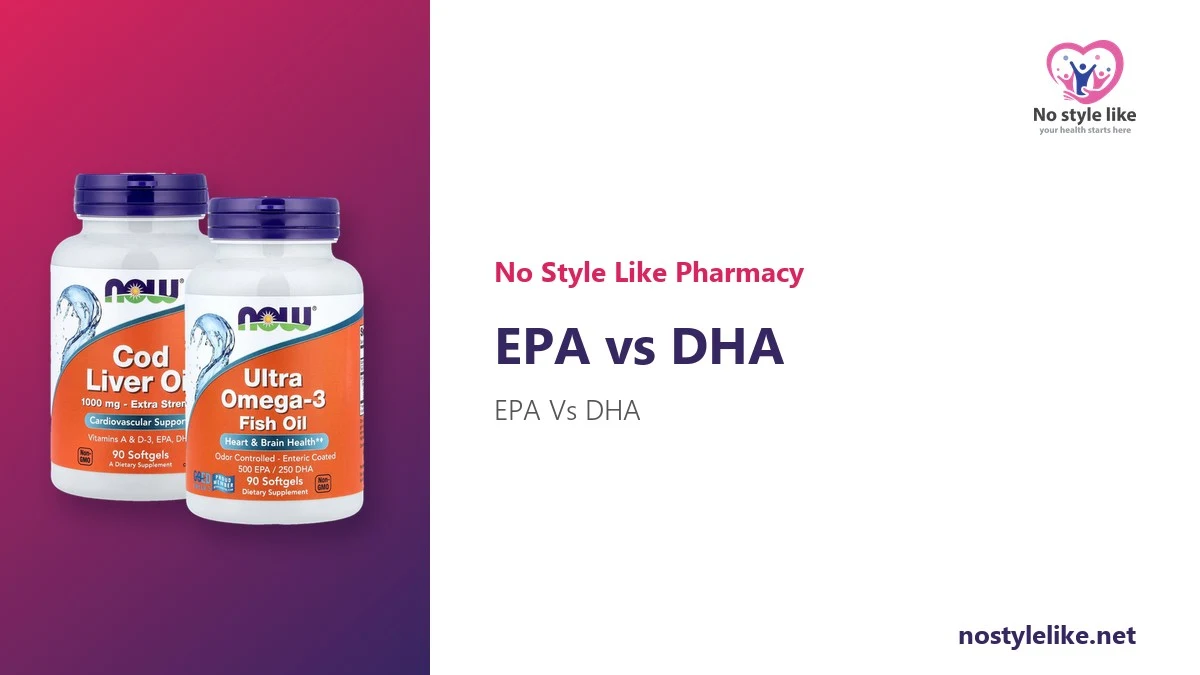
| NOW Cod Liver Oil 1000 mg: 1 softgel with a meal | 70 mg | 100 mg | 170 mg | Vitamin A 300 mcg RAE and vitamin D3 400 IU |
| NOW Ultra Omega-3: 1 softgel with food | 500 mg | 250 mg | 750 mg | No added vitamins, enteric coated |
| NOW Ultra Omega-3: 2 softgels with food | 1,000 mg | 500 mg | 1,500 mg | Upper end of the label dose |
Looking at EPA vs DHA on these labels, NOW Ultra Omega-3 is EPA-rich, at a 2 to 1 ratio. NOW Cod Liver Oil has slightly more DHA than EPA but a small total, plus vitamins A and D. For the full comparison read cod liver oil vs fish oil.
6. Using EPA vs DHA when you choose
- If your doctor suggests omega-3 for high triglycerides, the total EPA plus DHA matters more than capsule weight.
- Pregnant women need DHA but should avoid high vitamin A products without medical advice.
- If you eat oily fish twice a week, you may not need a supplement at all.
EPA vs DHA in food
Oily fish contain both fats in different ratios. Salmon and mackerel are rich in DHA, while sardines and anchovies also supply plenty of EPA. You do not need to count EPA vs DHA at every meal; eating oily fish twice a week covers most healthy adults. People who never eat fish can discuss a suitable supplement with a pharmacist, taking their other medicines into account. Algae oil is an option for vegetarians, mainly providing DHA.
Safety of EPA and DHA supplements
Usual doses are generally well tolerated. The most common effects are a fishy taste, burping and mild stomach upset. Higher doses may increase bleeding with anticoagulants or antiplatelet drugs and have been linked to a higher risk of atrial fibrillation. Do not exceed the label dose without a doctor, and avoid these products if you have a fish allergy.
FAQ: EPA vs DHA
Which one is better?
Neither is better in every case. The choice depends on your goal and your doctor’s advice, and most products combine both.
Do plant omega-3s give EPA and DHA?
Flaxseed gives ALA, which converts poorly. Algae oil provides DHA directly.
Does DHA help memory in older adults?
The evidence is not conclusive. A healthy lifestyle and regular check-ups matter more.
Conclusion
In short, the EPA vs DHA difference is this: EPA leans toward triglycerides and inflammation, DHA toward brain, eyes and pregnancy, and the two complement each other. Read the label, add up the daily total and stick to the recommended dose. Both NOW products are available at No Style Like pharmacy, and older readers may also find our healthy aging guide useful.
This article was reviewed by the No Style Like pharmacy content team. It is for general awareness only and does not replace advice from your doctor or pharmacist.
Do not exceed the label dose, and tell your doctor if you take blood thinners. For more information see the NCCIH page on omega-3 supplements.