


Hydroxyurea Side Effects: 9 Warnings Every Patient Should Know
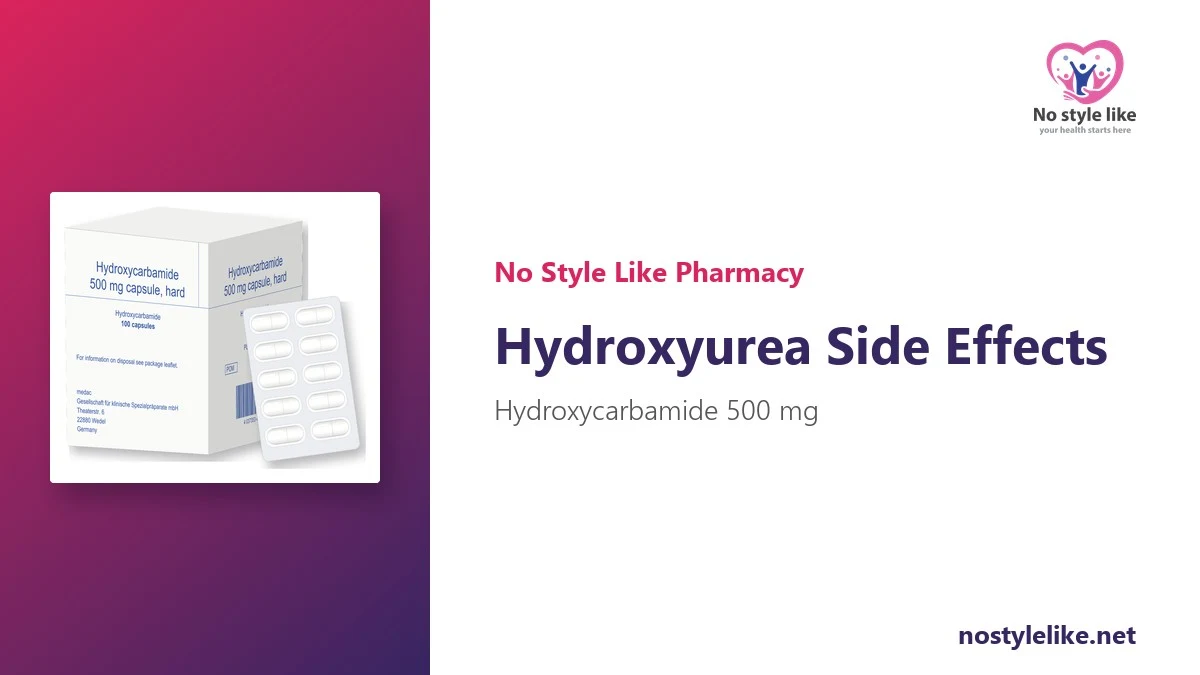
Hydroxyurea Side Effects: What to Expect
Hydroxyurea (hydroxycarbamide) works by slowing cell division in the bone marrow, so some effects on the blood and other fast-growing tissues are expected. Knowing the possible hydroxyurea side effects helps you spot problems early, keep your blood tests on time and know when to call your specialist. Here are 9 key points based on the UK product information for the medac 500 mg capsules.
1. Common Hydroxyurea Side Effects
- Low blood counts (white cells, platelets, red cells).
- Loss of appetite, nausea, vomiting, diarrhoea or constipation.
- Mouth sores.
- Skin rash, darkening of the skin and nails, and hair thinning.
- Tiredness, fever or chills.
- Less often: headache, dizziness, drowsiness and raised liver enzymes.
Large red cells (macrocytosis) on blood tests are common and expected. Many of these common hydroxyurea side effects are mild and improve with time or a dose change.
2. Bone-Marrow Suppression and Warning Signs
The most important of all hydroxyurea side effects is a drop in blood counts. Low white cells raise the risk of infection, and low platelets raise the risk of bleeding. That is why the full blood count is checked regularly, and treatment is paused when white cells fall below 2.5 x10^9/L or platelets below 100 x10^9/L, as explained in hydroxyurea dosage. Report urgently:
- Fever, chills or a sore throat.
- Unusual bruising, nosebleeds or bleeding gums.
- Marked paleness, tiredness or shortness of breath.
3. Leg Ulcers and Skin Vasculitis
Painful leg ulcers and inflammation of small skin blood vessels (cutaneous vasculitis), sometimes leading to gangrene, have been reported. The risk is higher in patients who have had or are receiving interferon. Show your doctor any skin sore that does not heal, because these hydroxyurea side effects can worsen if ignored.
4. Skin Cancer With Long-Term Use
Long-term hydroxyurea side effects include skin cancer, which has been reported with prolonged use. Protect your skin from the sun with clothing and sunscreen, and have regular skin checks. Tell your doctor about any new or changing mole or skin lesion. Secondary leukaemia has also been reported with long-term use in polycythaemia vera and essential thrombocythaemia.
5. Lung Problems
Interstitial lung disease is among the less common but serious hydroxyurea side effects. Report a new fever, cough or breathlessness without delay so that your specialist can assess it.
6. Pregnancy, Breastfeeding and Fertility
- Hydroxyurea can harm an unborn baby. Women must use effective contraception during treatment and for 6 months after stopping.
- Men must use contraception and not father a child during treatment and for 3 months after stopping.
- A reduced sperm count is very common and usually reversible; men may consider sperm banking before starting.
- Do not breastfeed during treatment, because the medicine passes into breast milk.
- Pregnant women should avoid handling the capsules.
7. Vaccines and Drug Interactions
- Live vaccines (for example yellow fever, oral polio, MMR): not during treatment and for at least 6 months after; ask the specialist.
- Other chemotherapy or radiotherapy: more bone-marrow suppression, mouth sores and skin reactions.
- Interferon: higher risk of vasculitic ulcers.
- Didanosine and stavudine (HIV medicines): risk of pancreatitis, liver toxicity and nerve damage.
- Continuous glucose monitors: hydroxyurea may falsely raise readings of some CGM devices, so insulin users should confirm with another method.
| Symptom | What to do |
|---|---|
| Nausea, mild hair thinning, darker nails | Mention at your next visit |
| New skin sore or leg ulcer | Contact your specialist soon |
| Fever, sore throat, bleeding, bruising | Contact your specialist urgently |
| New cough or breathlessness | Seek medical advice promptly |
| Suspected overdose | Go to emergency with the pack |
8. Who Should Not Take It
Some people face a higher risk of serious hydroxyurea side effects, so the medicine must not be used with an allergy to hydroxycarbamide or the capsule ingredients, severe bone-marrow depression, white cells below 2.5 x10^9/L, platelets below 100 x10^9/L or severe anaemia. The capsules contain lactose, which matters for people with lactose intolerance.
9. When Hydroxyurea Side Effects Need Emergency Care
- High fever or shivering, especially with a known low white count.
- Heavy or uncontrolled bleeding.
- Severe breathlessness.
- Signs of overdose: sore, violet-red, swollen palms and soles with peeling, severe pigmentation and mouth sores.
- Swelling of the face or difficulty breathing after a dose.
Frequently Asked Questions About Hydroxyurea Side Effects
Will my hair fall out?
The label lists hair thinning among the common effects. Tell your doctor if it bothers you.
Why are my nails getting darker?
Darkening of the skin and nails is a known effect and is usually not dangerous, but mention it at your visit.
Do hydroxyurea side effects go away?
Many improve when the dose is adjusted or paused by the doctor. Never stop on your own. Learn why it was prescribed in hydroxyurea uses.
Can I get the flu vaccine?
Inactivated vaccines are a decision for your specialist; live vaccines must be avoided during treatment and for at least 6 months after.
Conclusion
Most hydroxyurea side effects are manageable with regular blood tests and dose changes by the specialist, but low counts, leg ulcers, skin changes, lung symptoms and pregnancy risks need attention. Use contraception, avoid live vaccines, keep a written list of any hydroxyurea side effects you notice and report warning signs early. Read about another cytotoxic medicine in etoposide uses. Hydroxyurea Medac 500 mg capsules are available at No Style Like pharmacy by the box or by the strip, against a specialist prescription.
This article was reviewed by the No Style Like pharmacy content team. It is for general awareness only and does not replace advice from your haematologist, oncologist or pharmacist. Hydroxyurea is a prescription-only cytotoxic medicine: never start, stop or change the dose on your own.
Report fever, bleeding, breathlessness or any non-healing skin sore to your specialist without delay. For more information see the UK Summary of Product Characteristics for hydroxycarbamide medac 500 mg (emc).