


Hydroxyurea Uses: 5 Conditions and How It Works
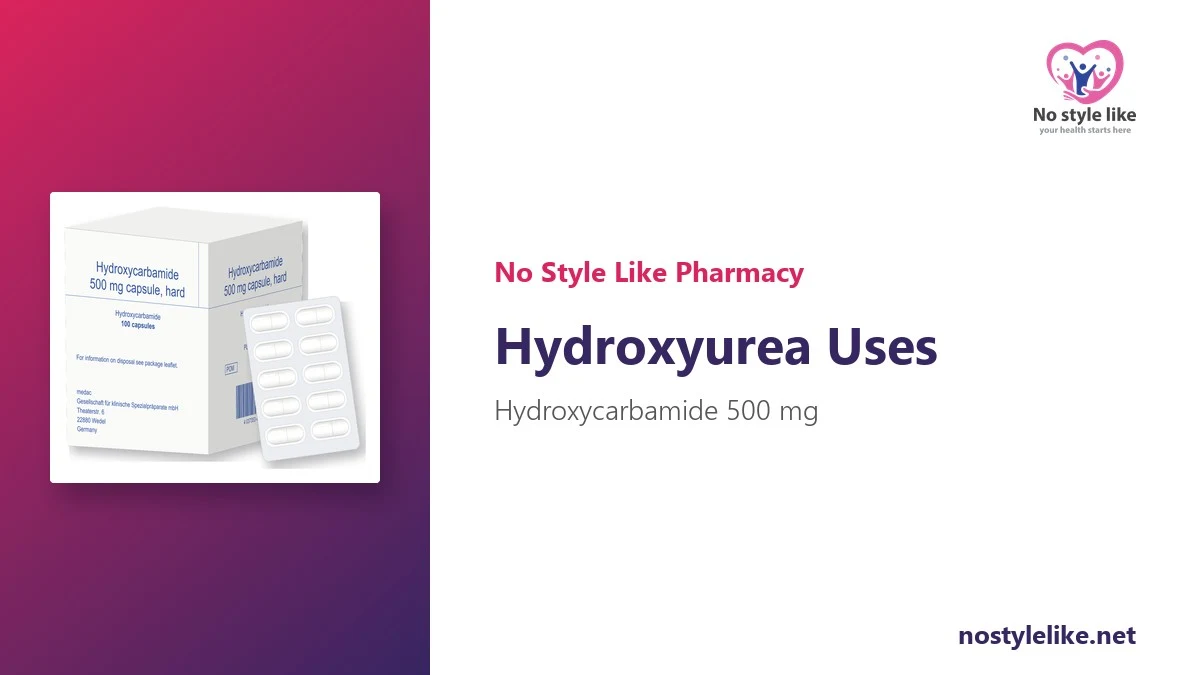
Hydroxyurea Uses: An Overview
Hydroxyurea, also known as hydroxycarbamide, is one of the oldest oral medicines in haematology. It is a prescription-only cytotoxic medicine, which means it slows the growth of rapidly dividing cells. Understanding the main hydroxyurea uses helps patients and families know why it was prescribed and what to expect from it. This article explains the licensed uses of the UK medac 500 mg capsules, how the medicine works, and where sickle cell disease fits in. Hydroxyurea controls these conditions; it is not a cure.
1. How Hydroxyurea Works
All hydroxyurea uses rely on the same mechanism. Hydroxyurea blocks an enzyme called ribonucleotide reductase, which cells need to build DNA. Cells in the bone marrow divide quickly, so they are the most affected. As a result, the marrow produces fewer white cells, platelets and red cells. Doctors call this effect cytoreduction. This is why hydroxyurea uses centre on conditions where the marrow is making too many blood cells, and it also explains why regular blood counts are essential during treatment.
2. Licensed Hydroxyurea Uses in the UK
According to the UK product information (SmPC section 4.1), Hydroxyurea Medac 500 mg capsules are licensed for:
- Chronic myeloid leukaemia (CML) in the chronic or accelerated phase.
- Essential thrombocythaemia with a high risk of thrombo-embolic complications.
- Polycythaemia vera with a high risk of thrombo-embolic complications.
| Condition | What goes wrong | Goal of hydroxyurea |
|---|---|---|
| CML | Too many white cells | Bring white cells down |
| Essential thrombocythaemia | Too many platelets | Lower platelets and clot risk |
| Polycythaemia vera | Too many red cells, often also platelets | Lower haematocrit and platelets |
3. Chronic Myeloid Leukaemia and the TKI Era
CML is a blood cancer in which the marrow produces too many white cells. Today, tyrosine kinase inhibitors (TKIs) such as imatinib are the main treatment. Among current hydroxyurea uses in CML, it is often given to lower very high white counts at diagnosis, before or while a TKI is started, or when other options are unsuitable. The haematologist decides. If you want to compare it with another cytotoxic medicine, see our article on etoposide uses.
4. Essential Thrombocythaemia and Polycythaemia Vera
These two conditions belong to a group of bone-marrow disorders called myeloproliferative neoplasms. In essential thrombocythaemia the marrow makes too many platelets, and in polycythaemia vera it makes too many red cells. Both raise the risk of blood clots in the legs, heart or brain. In patients with a high clot risk, hydroxyurea uses include lowering platelets and haematocrit to the targets the doctor sets, usually alongside other measures the doctor chooses. Target counts and starting doses are explained in hydroxyurea dosage.
5. Sickle Cell Disease: A Known Use, but Not for This Pack
Hydroxyurea is well known worldwide for sickle cell disease, where specialists use it to reduce painful crises. However, sickle cell disease is not a licensed indication of this UK medac pack. Other hydroxyurea products are used for sickle cell, and only under a specialist who chooses the product and dose. Sickle cell is therefore one of the hydroxyurea uses that depends on the specific product and licence, so do not use this pack for sickle cell on your own. Other brands on our site include Hydrea 500 mg and Riborea Hydroxyurea 500 mg.
What Hydroxyurea Uses Do Not Include
- It is not a cure for leukaemia or bone-marrow disorders; it controls blood counts.
- It is not a self-treatment for high blood counts found on a routine test.
- It is not a medicine to start without a specialist and regular blood tests.
How Results Are Judged
For all hydroxyurea uses, success is measured by blood counts, not by how you feel. The doctor follows white cells, platelets and haematocrit, together with liver and kidney function. Large red cells (macrocytosis) are common during treatment and are expected. Report fever, bleeding, breathlessness or skin sores straight away; these are covered in hydroxyurea side effects.
Frequently Asked Questions About Hydroxyurea Uses
Is hydroxyurea chemotherapy?
Yes, it is a cytotoxic medicine taken by mouth, so it is handled with care and prescribed only by a specialist.
Can hydroxyurea cure CML?
No. It lowers white counts and controls the disease; long-term CML treatment today is usually based on TKIs.
Can I take this pack for sickle cell anaemia?
Sickle cell is not a licensed use of this UK pack. A specialist may prescribe hydroxyurea for sickle cell, choosing the product and dose.
How long does treatment last?
It is often long-term in ET and PV, but the specialist decides based on blood counts and response.
Conclusion
In short, the licensed hydroxyurea uses for this UK pack are CML and high-risk essential thrombocythaemia or polycythaemia vera, by slowing bone-marrow cell production. Sickle cell disease is a recognised use of hydroxyurea under a specialist, but not of this pack. Treatment controls blood counts rather than curing the disease. Hydroxyurea Medac 500 mg is available at No Style Like pharmacy as a full box or a single strip, against a specialist prescription.
This article was reviewed by the No Style Like pharmacy content team. It is for general awareness only and does not replace advice from your haematologist, oncologist or pharmacist. Hydroxyurea is a prescription-only cytotoxic medicine: never start, stop or change the dose on your own.
The decision to use hydroxyurea, and for which condition, belongs to your haematologist. For more information see the MedlinePlus hydroxyurea page.