


Description
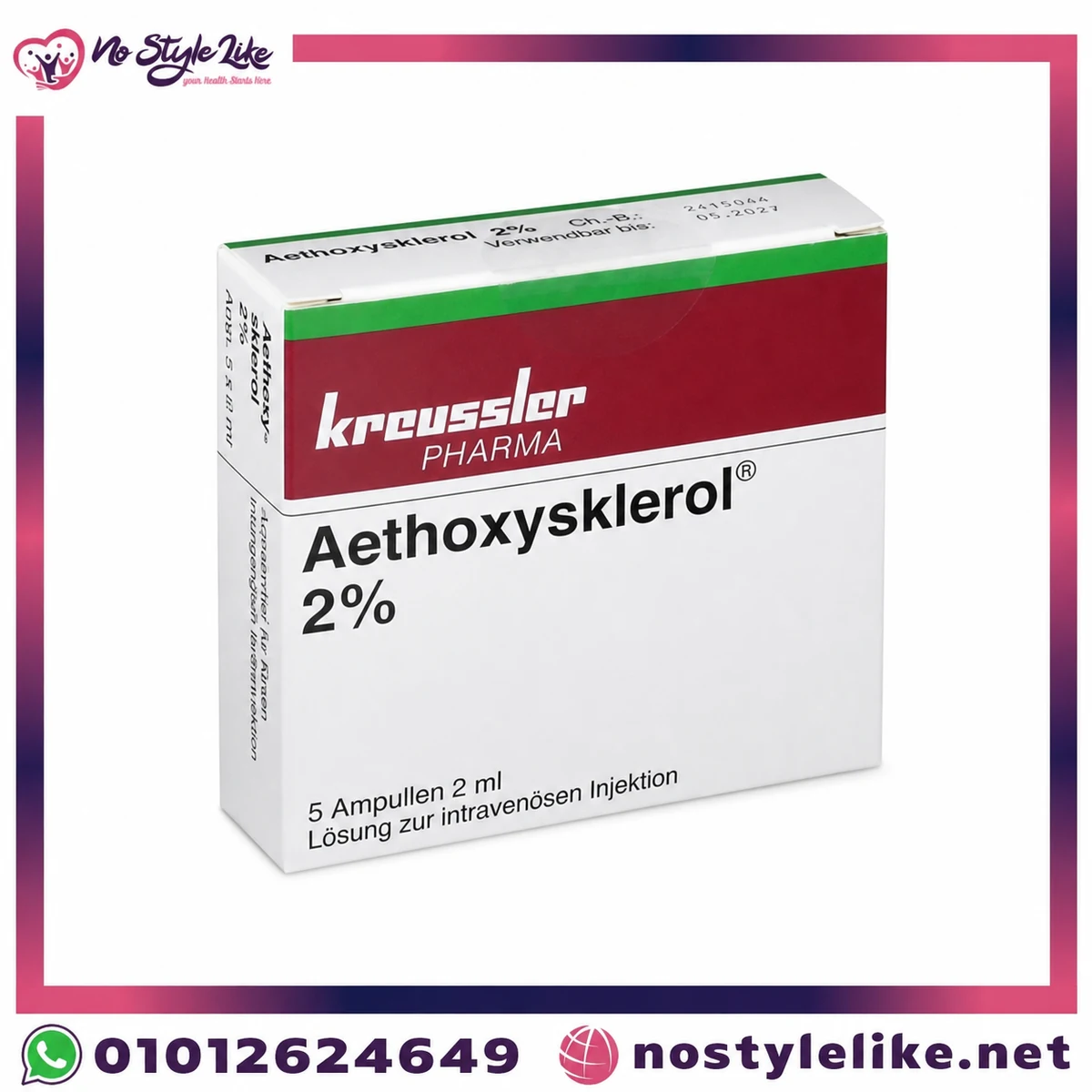
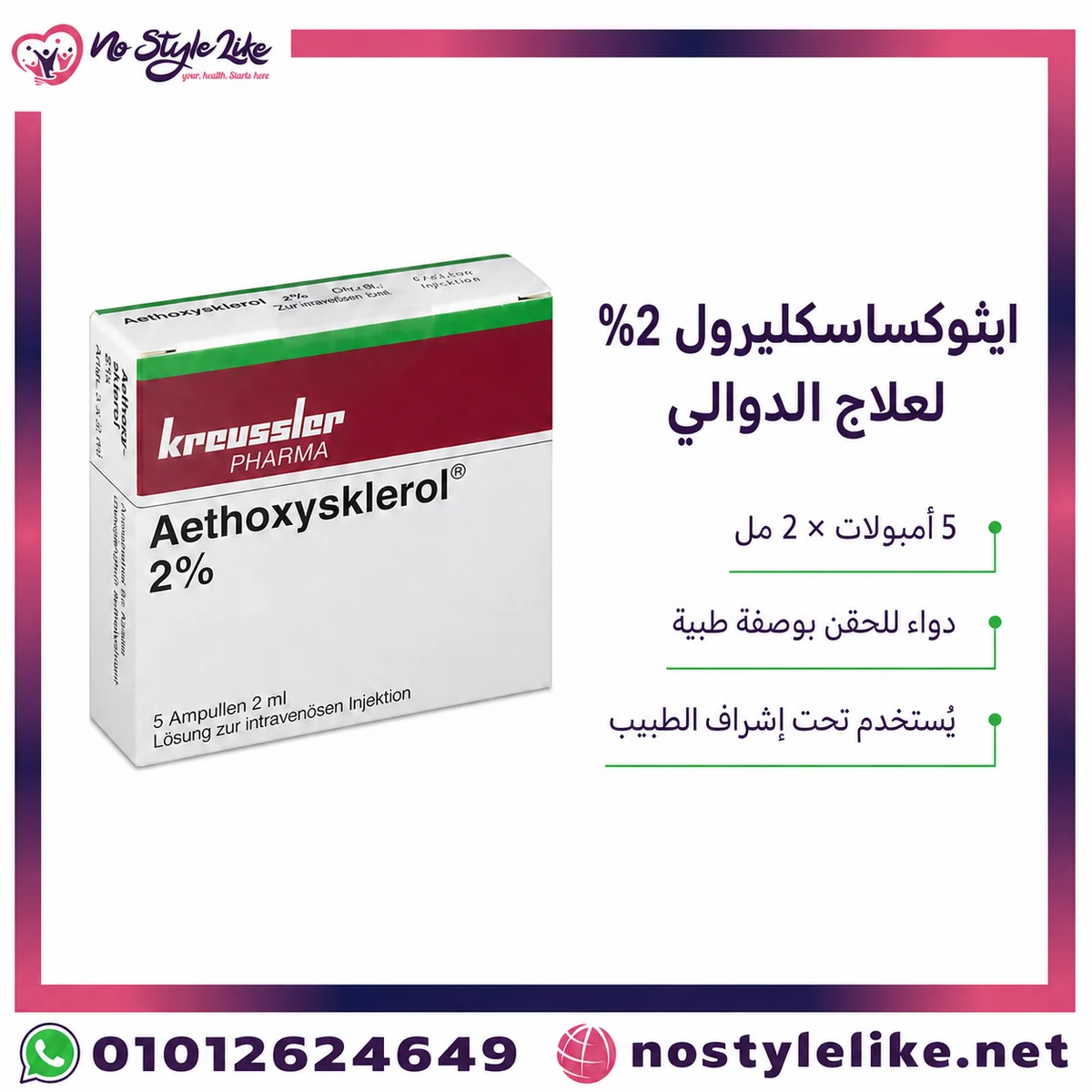
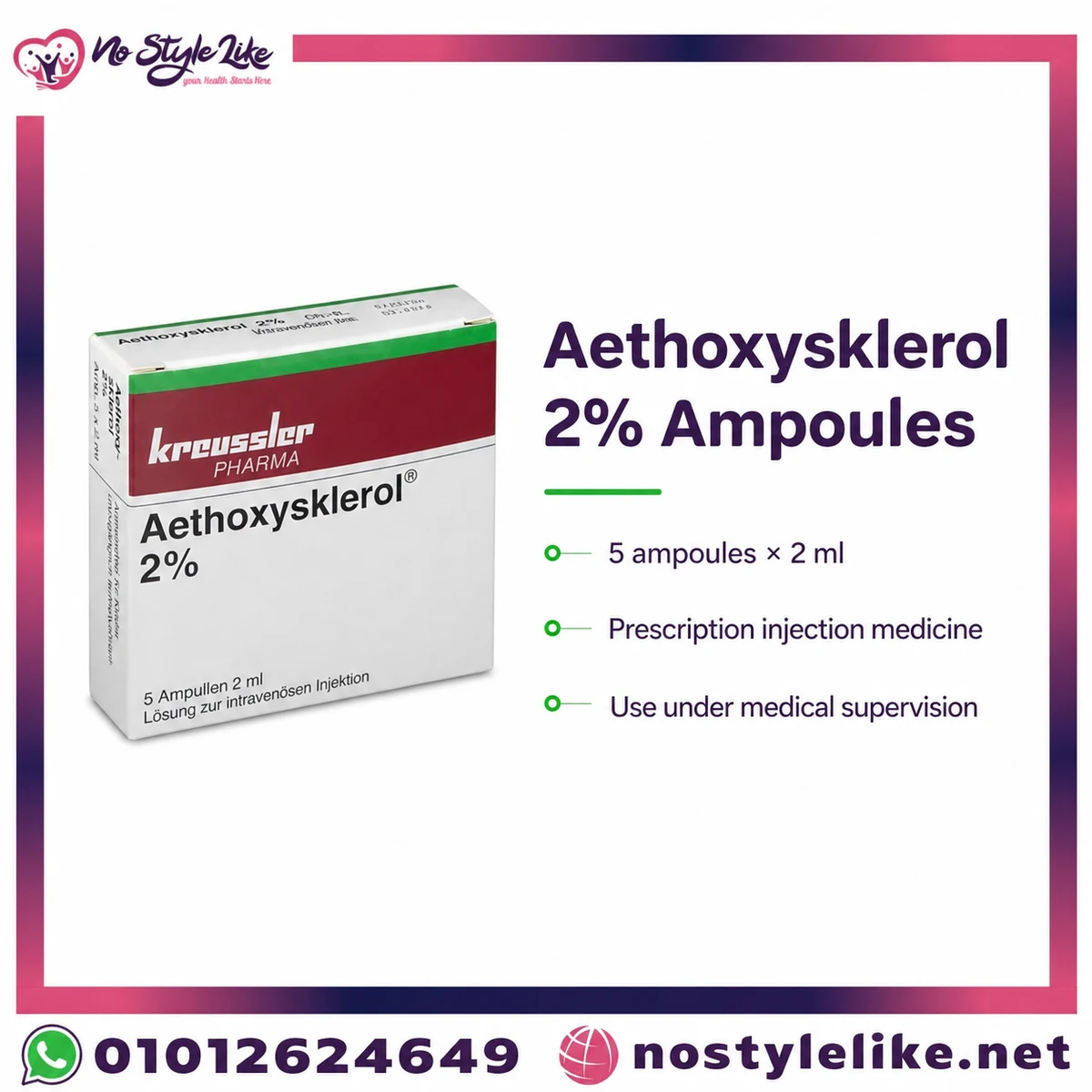
Aethoxysklerol 2% Ampoules (5 × 2 ml) – Sclerotherapy Solution for Vein Treatment
Short Description: Aethoxysklerol 2% is a prescription sclerotherapy solution commonly used by clinicians to manage
certain varicose and spider veins by injecting a controlled amount into the targeted vein. This pack is typically supplied as
5 ampoules × 2 ml solution for injection. It should only be used by trained healthcare professionals in a clinical setting.
You may also be interested in:
Aetoxisclerol medication and its effective uses | Nostalgia Like Store
Read more: Varicose veins, their problems, prevention, and treatment
Aethoxysklerol 2% – File Details (What You’re Getting)
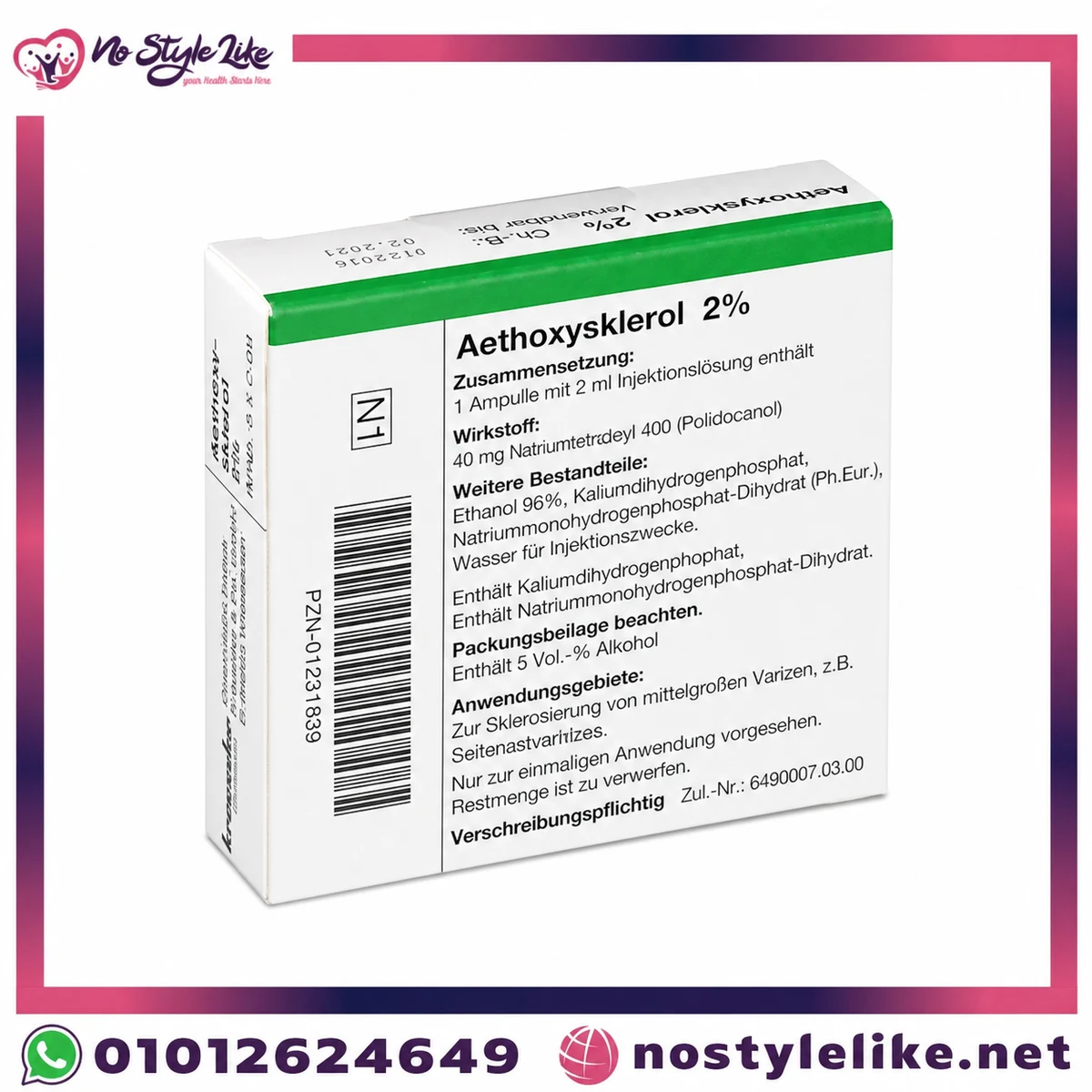
- Product Name: Aethoxysklerol 2%
- Form: Solution for injection (ampoules)
- Pack Size: 5 ampoules × 2 ml
- Typical Clinical Use: Sclerotherapy for selected veins (performed by professionals)
- Brand/Manufacturer (may vary by market): Commonly associated with Kreussler Pharma
- Active Ingredient: Polidocanol (also known as lauromacrogol 400) – verify on your local pack/leaflet
Table of Contents
- How to Use
- How It Works
- Benefits
- Advantages
- Common Issues Solved
- Important Information
- Myths Correction
- Expected Results
- NSL Tip
- Who Is It For / Not For
- How to Get Best Results
- Contraindications
- Drug Interactions
- Required Tests
- What to Eat
- Improvement Timeline
- Effect on Other Medications
- When to See a Doctor
- FAQ
- Conclusion
How to Use Aethoxysklerol 2%
Aethoxysklerol 2% is not a home-use product. A qualified clinician injects it into selected veins using a technique called
sclerotherapy. The exact dose, number of injection points, and session plan depend on the vein type, size, location, and your medical history.
- Administration: By healthcare professionals only.
- Setting: Clinic/hospital environment with appropriate monitoring.
- Aftercare: Many protocols include compression therapy and walking as advised by the clinician.
How Aethoxysklerol 2% Works
In sclerotherapy, Aethoxysklerol 2% acts locally inside the targeted vein. It helps the vein walls react in a way that supports
controlled closure of the treated vein segment over time. The body then gradually redirects blood flow to healthier veins.
Medical note: This explanation is educational and does not replace the official leaflet or your doctor’s instructions.
Always follow clinician guidance for indications, technique, and aftercare.
Key Benefits of Aethoxysklerol 2%
- Targeted approach: Used for selected veins under professional assessment.
- Non-surgical option: Often chosen as an in-clinic procedure without major surgery.
- Structured treatment plan: Can be delivered in sessions based on clinical response.
- Supports cosmetic and symptom goals: Depending on case type and medical evaluation.
Advantages vs. Other Options
Treatment choice depends on the vein pattern and severity. Clinicians may compare sclerotherapy with other options such as compression-only plans,
laser treatments, or surgical/ablative approaches. Aethoxysklerol 2% is often considered when a targeted injection approach fits
the clinical picture and the patient can follow aftercare.
- Procedure-based: Delivered by a trained provider with a defined protocol.
- Flexible planning: Session count can be adjusted based on response.
- Local use: Primarily intended for local effect in the treated area.
Common Issues Aethoxysklerol 2% May Help Address
People seek vein evaluation for appearance, discomfort, heaviness, or visible spider/varicose veins. A clinician may consider
Aethoxysklerol 2% within a broader plan that includes diagnosis, risk assessment, and aftercare.
- Visible spider veins and selected small varicose veins (as assessed clinically)
- Patient preference for non-surgical approaches (when appropriate)
- Stepwise care plans that involve compression and lifestyle alongside procedures
Important Information Before Starting
- Prescription & supervision: Use only under medical supervision.
- Allergies: Tell your clinician about any medication allergies or prior reactions to injections.
- Blood clot risk: Report personal/family history of clots, recent surgery, immobility, or smoking.
- Pregnancy & breastfeeding: Discuss risks/benefits with your doctor.
- Aftercare matters: Compression and activity advice can impact outcomes.
Myths Correction
- Myth: “Aethoxysklerol 2% works instantly in one session for everyone.”
Reality: Response varies; multiple sessions and aftercare may be needed. - Myth: “It’s safe to try injections at home.”
Reality: This is a clinical procedure requiring training, sterile technique, and proper assessment. - Myth: “Compression is optional.”
Reality: Many plans include compression and walking to support better outcomes.
Expected Results
With professional use of Aethoxysklerol 2%, some people notice gradual changes over weeks as treated veins are reabsorbed and
appearance may improve. Symptoms (if present) may also change depending on severity and the overall care plan.
- Short-term: Mild local reactions can occur; follow clinician instructions closely.
- Mid-term: Cosmetic changes may become more noticeable over several weeks.
- Long-term: Maintenance strategies (compression, movement, weight management) support vein health.
NSL Tip
If you’re planning sclerotherapy, prepare a short “vein checklist” for your appointment: symptoms, when they worsen, family history,
and any medicines/supplements you take. This helps your clinician decide whether Aethoxysklerol 2% is appropriate and how to plan sessions safely.
Who Is Aethoxysklerol 2% For / Not For
Who may be considered (by a clinician)
- Adults needing professional assessment for spider/varicose veins
- Patients eligible for sclerotherapy after evaluation (often includes vein mapping)
- People able to follow aftercare (compression, walking, follow-up)
Who may NOT be suitable (needs medical decision)
- Known hypersensitivity to the active ingredient or components
- Uncontrolled clotting risk or specific vascular conditions (as determined by a physician)
- Severe infection at the injection site
- Any case where the clinician recommends alternative therapy
How to Get the Best Results
- Attend all sessions and follow-ups as scheduled.
- Use compression garments exactly as instructed (type and duration vary).
- Walk regularly after the procedure if advised; avoid prolonged immobility.
- Discuss travel plans, long flights, and sports with your clinician.
- Tell your doctor about all meds and supplements (including “natural” products).
Contraindications
Contraindications depend on your medical history and the official leaflet for your market. Your clinician will decide whether
Aethoxysklerol 2% is appropriate. Always disclose chronic conditions, prior clotting events, allergies, and current medications.
Drug Interactions
Interaction risk is assessed clinically. Tell your provider about:
- Anticoagulants/antiplatelets: e.g., warfarin, DOACs, aspirin, clopidogrel (may affect bruising/bleeding risk).
- NSAIDs: may increase bruising in some people.
- Hormonal therapies: some may influence clotting risk depending on your profile.
- Supplements: high-dose omega-3, vitamin E, ginkgo, garlic extracts may affect bleeding tendency in some cases.
Do not stop any medication on your own—your clinician will guide you safely.
Required Tests
Before sclerotherapy, many clinicians rely on clinical exam and may request imaging based on vein pattern and symptoms.
- Duplex ultrasound: to assess vein valves and blood flow (commonly used in varicose vein planning).
- General assessment: medical history, clot risk screening, and leg examination.
- Additional tests: only if indicated (e.g., clotting profile in selected cases).
What to Eat to Support Vein Health
- Fiber-rich foods: vegetables, legumes, whole grains (support bowel regularity and reduce pressure).
- Hydration: helps circulation and comfort, especially with compression use.
- Balanced protein: supports tissue repair and recovery.
- Reduce excess salt: may help swelling in some people.
Improvement Timeline
The timeline varies based on vein type and session plan. With Aethoxysklerol 2%, changes often appear gradually:
- First days: local tenderness/bruising can occur; follow aftercare advice.
- 2–6 weeks: cosmetic improvement may become more visible.
- 6–12+ weeks: further refinement; follow-up may determine if additional sessions are needed.
Does It Affect Other Medications?
The procedure and your vein condition can influence how clinicians manage certain medications—especially blood thinners and hormones.
Always share your full medication list so your provider can plan safely around Aethoxysklerol 2% sessions.
When to See a Doctor
- Urgent symptoms: sudden leg swelling on one side, severe pain, chest pain, or shortness of breath.
- After injection: intense pain, significant discoloration, blistering, spreading redness, fever, or signs of infection.
- Persistent issues: symptoms that do not improve or worsen over 1–2 weeks after the procedure.
- High-risk history: previous blood clots, recent surgery, pregnancy, or complex vascular conditions.
- https://www.mayoclinic.org/
Frequently Asked Questions (FAQ)
1) Is Aethoxysklerol 2% a home-use product?
No. Aethoxysklerol 2% is used in clinical sclerotherapy and must be administered by trained healthcare professionals.
2) How many sessions are usually needed?
It depends on vein type, size, and response. Your clinician will determine a personalized plan.
3) When will I see results?
Many people notice gradual improvement over weeks. Follow-up timing varies by case.
4) Do I need compression stockings after treatment?
Often yes, depending on protocol. Compression and walking are common parts of aftercare.
5) Can I exercise after sclerotherapy?
Light walking is often encouraged, but intense exercise may be postponed. Follow your clinician’s advice.
6) What side effects can happen?
Local reactions like mild bruising, tenderness, or temporary discoloration can occur. Seek medical advice for severe symptoms.
7) Is Aethoxysklerol 2% suitable during pregnancy?
Only a doctor can decide. Discuss pregnancy/breastfeeding status before any procedure.
8) Can blood thinners affect the procedure?
Yes, they may influence bruising/bleeding risk. Do not change medicines without medical guidance.
9) Do I need an ultrasound first?
Many clinicians use duplex ultrasound, especially for varicose veins, to plan treatment safely.
10) How should I store the ampoules?
Follow the package leaflet instructions for your market and keep out of reach of children.
Conclusion
Aethoxysklerol 2% is a well-known sclerotherapy solution used by professionals to manage selected veins within a structured,
supervised treatment plan. The safest path is always proper diagnosis, trained administration, and consistent aftercare. If you’re considering
sclerotherapy, consult a qualified clinician to confirm whether Aethoxysklerol 2% fits your case and goals.
Need the product in Egypt? Order from No Style Like and get authentic sourcing, responsive support, and fast delivery options.
“`


Reviews
There are no reviews yet.