



Description
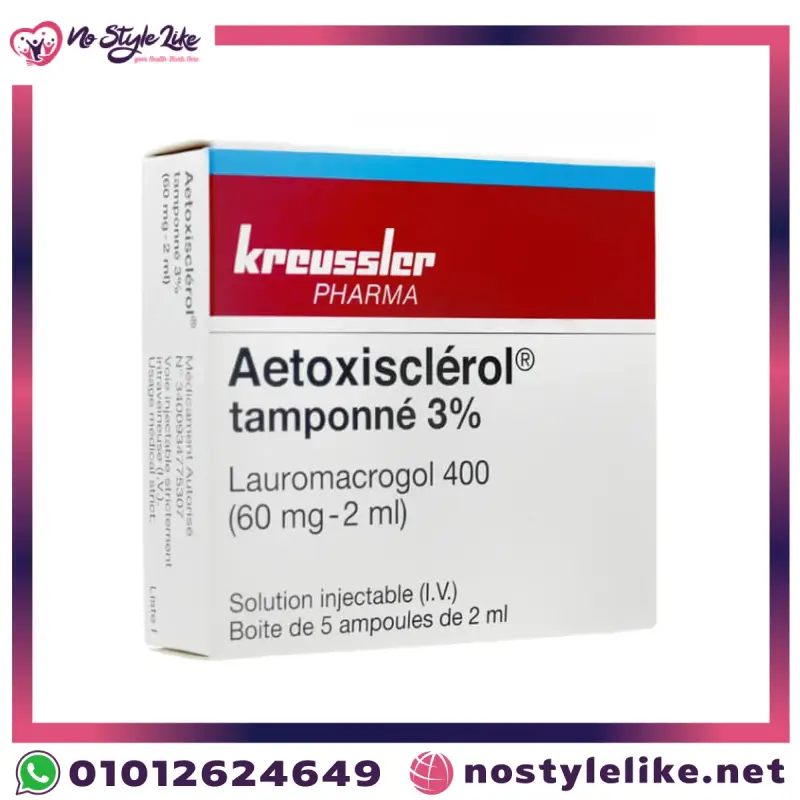
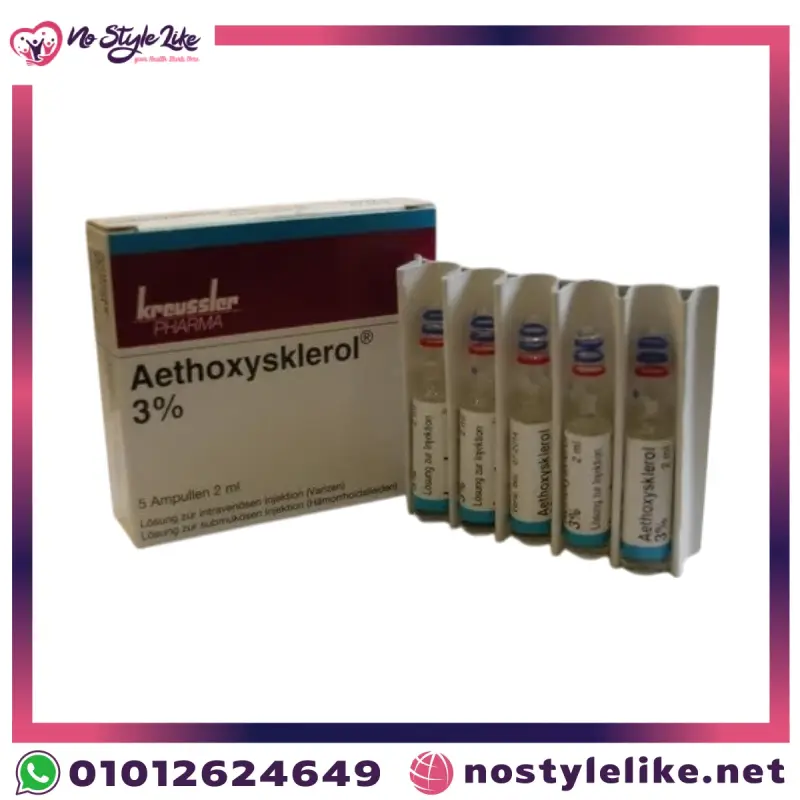
Aethoxysklerol 3% (Polidocanol) for Sclerotherapy of Varicose & Spider Veins
Short Description:
Aethoxysklerol 3% is a prescription sclerotherapy solution (polidocanol) used by trained clinicians to treat selected
varicose veins and spider veins. It works by irritating the inner lining of the targeted vein so it closes,
gradually fades, and blood is redirected to healthier veins. Proper patient selection, correct technique, and post-procedure compression are key to best results.
Table of Contents
- What is Aethoxysklerol 3%?
- Uses and who it’s for
- How Aethoxysklerol 3% works
- Key benefits and expected outcomes
- How the procedure is done (step-by-step)
- Before & aftercare (do’s and don’ts)
- Side effects and safety
- Contraindications and warnings
- Drug interactions
- Tests that confirm vein disease
- What to eat to support recovery
- Expected improvement timeline
- Does it affect other medicines?
- Common myths (quick clarifications)
- When should you see a doctor?
- FAQ
- Why buy from No Style Like?
Explore related pages on No Style Like:
What is Aethoxysklerol 3%?
Aethoxysklerol 3% is a clinician-administered sclerosing solution containing polidocanol.
It is designed for sclerotherapy, a medical procedure that treats abnormal superficial veins (such as certain varicose or spider veins)
by injecting a solution directly into the target vein. The goal is to close the vein in a controlled way so it gradually becomes less visible and less symptomatic.
Unlike “vein creams” or supplements that may only support skin or circulation comfort, Aethoxysklerol 3% is used as a
procedural treatment under medical supervision. Because correct dosing, vein selection, and injection technique matter, it is not a product for self-use.
Uses and who it’s for
Your clinician may consider Aethoxysklerol 3% for patients who have:
- Selected varicose veins and superficial venous branches appropriate for sclerotherapy.
- Spider veins (telangiectasias) or small reticular veins where injection therapy is suitable.
- Symptoms linked to superficial vein disease such as localized aching, heaviness, or cosmetic distress (after proper evaluation).
It is especially useful when the target veins are accessible, superficial, and the patient can follow aftercare instructions (notably compression and walking).
In many cases, a clinician will decide whether Aethoxysklerol 3% is best used alone, in a staged plan, or alongside other vein procedures.
How Aethoxysklerol 3% works
Veins carry blood back to the heart. When vein valves weaken, blood can pool, leading to vein enlargement and visible surface veins.
In sclerotherapy, Aethoxysklerol 3% is injected into the target vein, where it acts locally on the inner lining.
This controlled irritation causes the vein walls to stick together and close. Over time, the body gradually breaks down the closed vein,
and blood flow is redirected to healthier veins.
Important: The “closing” process is gradual. Visible fading often takes weeks, and larger veins may require
more than one session or additional treatment planning.
Key benefits and expected outcomes
When used appropriately by trained professionals, Aethoxysklerol 3% may provide:
- Noticeable cosmetic improvement in the appearance of treated veins.
- Symptom relief in selected cases (heaviness, localized discomfort) when symptoms are linked to superficial veins.
- Minimally invasive approach without surgical incisions (procedure-based injection).
- Outpatient convenience with quick return to routine activities in many patients.
Results vary based on vein size, location, underlying valve disease, skin type, aftercare adherence, and whether there is deeper venous reflux.
A careful medical assessment helps set realistic expectations for what Aethoxysklerol 3% can achieve.
How the procedure is done (step-by-step)
- Clinical evaluation: A clinician assesses your veins, symptoms, medical history, and risk factors.
- Vein mapping (when needed): Ultrasound may be used to understand reflux or identify feeder veins.
- Preparation: The treatment area is cleaned. The patient is positioned to allow safe vein access.
- Injection: A fine needle is used to inject Aethoxysklerol 3% into the targeted vein segments.
- Compression: Compression stockings or bandaging may be applied immediately after treatment.
- Post-procedure walking: Light walking is commonly recommended to support healthy blood flow.
Sessions are usually short, but the number of sessions depends on the extent of disease and the size/number of veins treated.
Your clinician will decide the safest concentration and volume strategy for your case when using Aethoxysklerol 3%.
Before & aftercare (do’s and don’ts)
Before your appointment
- Tell your clinician about all medicines, supplements, allergies, and any history of blood clots.
- Ask whether you should temporarily adjust blood-thinning medicines (only if your doctor instructs).
- Wear comfortable clothing and bring compression stockings if recommended.
After treatment
- Wear compression as directed (duration varies by case and clinician protocol).
- Walk daily (light activity helps circulation).
- Avoid prolonged standing still; move frequently if your job requires standing.
- Avoid hot baths/saunas and intense heat exposure for the period your clinician advises.
- Do not rub or massage treated areas unless instructed.
Good aftercare improves outcomes and lowers the chance of complications. The best results with Aethoxysklerol 3% often come from
consistent compression and sensible activity.
Side effects and safety
Most reactions are mild and local, but all medical procedures carry risk. Potential side effects after Aethoxysklerol 3% sclerotherapy may include:
- Temporary stinging or discomfort at the injection site
- Bruising or localized swelling
- Temporary skin discoloration (hyperpigmentation) over treated veins
- Small lumps or firmness along the treated vein (often resolves over time)
- Rarely, skin irritation or blistering if solution leaks outside the vein
More serious complications are uncommon but can occur, especially in higher-risk patients. Seek urgent care if you notice severe pain, extensive swelling,
breathing difficulty, chest pain, or sudden leg redness and warmth. A qualified clinician will discuss your individual risk profile before using Aethoxysklerol 3%.
Contraindications and warnings
A clinician may avoid or postpone Aethoxysklerol 3% in situations such as:
- Known allergy to polidocanol or components of the formulation
- Acute infection or skin inflammation at the injection site
- High risk of blood clots, or certain clotting disorders (case-by-case medical judgment)
- Severe arterial disease or significant circulation compromise in the legs (requires specialist assessment)
- Pregnancy or breastfeeding (decision depends on medical evaluation and local guidance)
Always disclose your history fully—especially prior deep vein thrombosis (DVT), pulmonary embolism, thrombophilia, recent surgery, or prolonged immobility—
so your clinician can decide whether Aethoxysklerol 3% is appropriate.
Drug Interactions
Drug interaction risk with Aethoxysklerol 3% is mostly related to the procedure and your clotting/bleeding profile,
rather than classic “metabolic” interactions. Still, your clinician must review your medication list carefully. Important categories include:
- Anticoagulants (blood thinners): may influence bruising/bleeding risk and procedural planning.
- Antiplatelet agents: can increase bruising risk and may affect aftercare decisions.
- NSAIDs (some pain relievers): may contribute to bruising in some patients; follow clinician advice.
- Hormonal therapies (e.g., estrogen-containing medications): may influence clot risk depending on patient profile.
- Herbal supplements that affect clotting (e.g., high-dose garlic, ginkgo, ginseng): may increase bruising risk.
Do not stop or change any medication on your own. Instead, share everything you take—prescriptions, OTC medicines, and supplements—so the treating clinician
can guide you safely around your Aethoxysklerol 3% session.
Tests that confirm vein disease
Many patients assume visible veins automatically mean the same condition, but vein disease can vary. A clinician may use:
- Duplex ultrasound: the most common test to assess venous reflux, valve function, and vein anatomy.
- Physical examination: checking vein patterns, skin changes, swelling, tenderness, and symptom triggers.
- Risk assessment: evaluating clot history, mobility, pregnancy status, and cardiovascular factors.
These checks help determine whether Aethoxysklerol 3% is the right option, or whether other approaches are needed first.
What to eat to support recovery
Food does not “close veins,” but good nutrition supports circulation, tissue recovery, and healthier vein function over time.
After sclerotherapy with Aethoxysklerol 3%, consider:
- Hydration: adequate water intake supports circulation and reduces constipation-related pressure.
- Fiber-rich foods: vegetables, fruits, oats, and legumes help avoid straining and improve comfort.
- Vitamin C sources: citrus, peppers, and berries support collagen and vessel-wall integrity.
- Flavonoid-rich foods: berries, leafy greens, and onions may support microcirculation in a general wellness sense.
- Balanced protein: supports tissue maintenance and recovery.
If you have special conditions (diabetes, kidney disease, anticoagulation therapy), your diet should follow your clinician’s tailored plan.
Expected improvement timeline
Improvement after Aethoxysklerol 3% is not instant. Common timelines may look like this (varies by patient and vein size):
- First 24–72 hours: mild tenderness, bruising, or itching may occur.
- 1–3 weeks: many spider veins start to look lighter; small lumps may feel firmer then soften.
- 4–8 weeks: clearer fading becomes more noticeable in many cases.
- 8–12+ weeks: final cosmetic results continue to refine; additional sessions may be planned if needed.
If you do not see improvement within the expected window, it does not always mean failure—some veins require re-treatment, feeder vein management, or different technique.
Your clinician can re-evaluate progress and optimize the plan for Aethoxysklerol 3%.
Does it affect other medicines?
Aethoxysklerol 3% is used locally in veins, so it typically does not “interfere” with most everyday medicines in the way oral drugs might.
However, your overall medication regimen can influence:
- Bruising/bleeding tendency (blood thinners, antiplatelets, some supplements)
- Clot risk (hormonal therapy, smoking status, prior clotting history)
- Healing and skin response (certain dermatologic medicines, fragile skin conditions)
The practical takeaway: keep your clinician informed so your sclerotherapy plan stays safe and effective, especially when scheduling Aethoxysklerol 3% sessions.
Common myths (quick clarifications)
- Myth: “One session removes all veins.”
Fact: Many patients need staged sessions based on vein size and extent. - Myth: “Compression is optional.”
Fact: Compression often improves outcomes and reduces side effects. - Myth: “Sclerotherapy fixes deep vein reflux.”
Fact: Deep reflux may require a different plan; ultrasound matters. - Myth: “No lifestyle changes are needed.”
Fact: Walking, weight control, and movement help reduce recurrence risk.
When should you see a doctor?
Contact your clinician promptly (or seek urgent care) after Aethoxysklerol 3% treatment if you notice any of the following:
- Severe or worsening pain at the treated area, especially with spreading redness or heat
- Significant swelling of the leg, calf tenderness, or sudden asymmetry
- Shortness of breath, chest pain, fainting, or coughing blood (emergency signs)
- Skin blistering, ulceration, or darkening that expands
- Fever or signs of infection
- Mayo Clinic – Trusted medical reference
Also consult a doctor if symptoms persist beyond the expected recovery period, or if you have a history of clots, pregnancy, or complex vein disease before scheduling sclerotherapy.
FAQ about Aethoxysklerol 3%
1) Is Aethoxysklerol 3% painful?
Many patients feel mild stinging or pressure during injection. Discomfort is usually short-lived, and aftercare helps reduce irritation.
2) How many sessions will I need?
It depends on vein size, number, and underlying reflux. Some need one session; others need multiple staged sessions.
3) When will I see results?
Spider veins may fade within weeks, while larger veins can take longer. Final results often refine over 8–12+ weeks.
4) Do I need compression stockings?
Often yes. Compression can improve outcomes and reduce bruising and pigmentation. Follow your clinician’s exact instructions.
5) Can veins come back after treatment?
Treated veins usually do not “reopen” in the same way, but new veins can appear if reflux and risk factors persist.
6) Is Aethoxysklerol 3% safe for everyone?
No. Safety depends on medical history, clot risk, pregnancy status, and vein anatomy. Proper assessment is essential.
7) Can I exercise after the procedure?
Light walking is encouraged. Intense exercise, heat exposure, or heavy lifting may be restricted briefly—follow clinician advice.
8) What should I avoid after treatment?
Common restrictions include hot baths/saunas, prolonged standing still, and rubbing treated areas for a short period.
9) What are the most common side effects?
Bruising, mild swelling, tenderness, and temporary pigmentation are among the most common and often resolve with time.
10) Do I need an ultrasound before sclerotherapy?
Not always for small surface veins, but many patients benefit from duplex ultrasound to confirm reflux patterns and improve planning.
11) Can Aethoxysklerol 3% be used for deep veins?
No. It is used for selected superficial veins in sclerotherapy, based on clinician judgment and appropriate indications.
12) What if I’m taking blood thinners?
Tell your doctor. They will decide how to plan safely—never change anticoagulants without medical guidance.
Why buy from No Style Like?
- Authenticity-first sourcing: We focus on reliable supply channels and proper product handling.
- Careful packaging: Protective packing to help keep medical products in good condition.
- Support that answers clearly: We help you understand basic product information and how to shop correctly (without replacing medical advice).
- Convenient browsing: Search and compare related items easily on our website.
Reminder: Aethoxysklerol 3% is intended for use by trained healthcare professionals.
If you’re considering sclerotherapy, consult a qualified vein specialist to confirm suitability, plan sessions, and follow safe aftercare.
Conclusion
Aethoxysklerol 3% is a well-known sclerotherapy option used by clinicians to close selected superficial veins safely and effectively when properly indicated.
With correct evaluation, careful technique, and disciplined aftercare (especially compression and walking), patients can achieve meaningful cosmetic improvement and comfort.
If you are unsure whether sclerotherapy is right for you, start with a medical assessment and ultrasound mapping when recommended.


Reviews
There are no reviews yet.