


Description
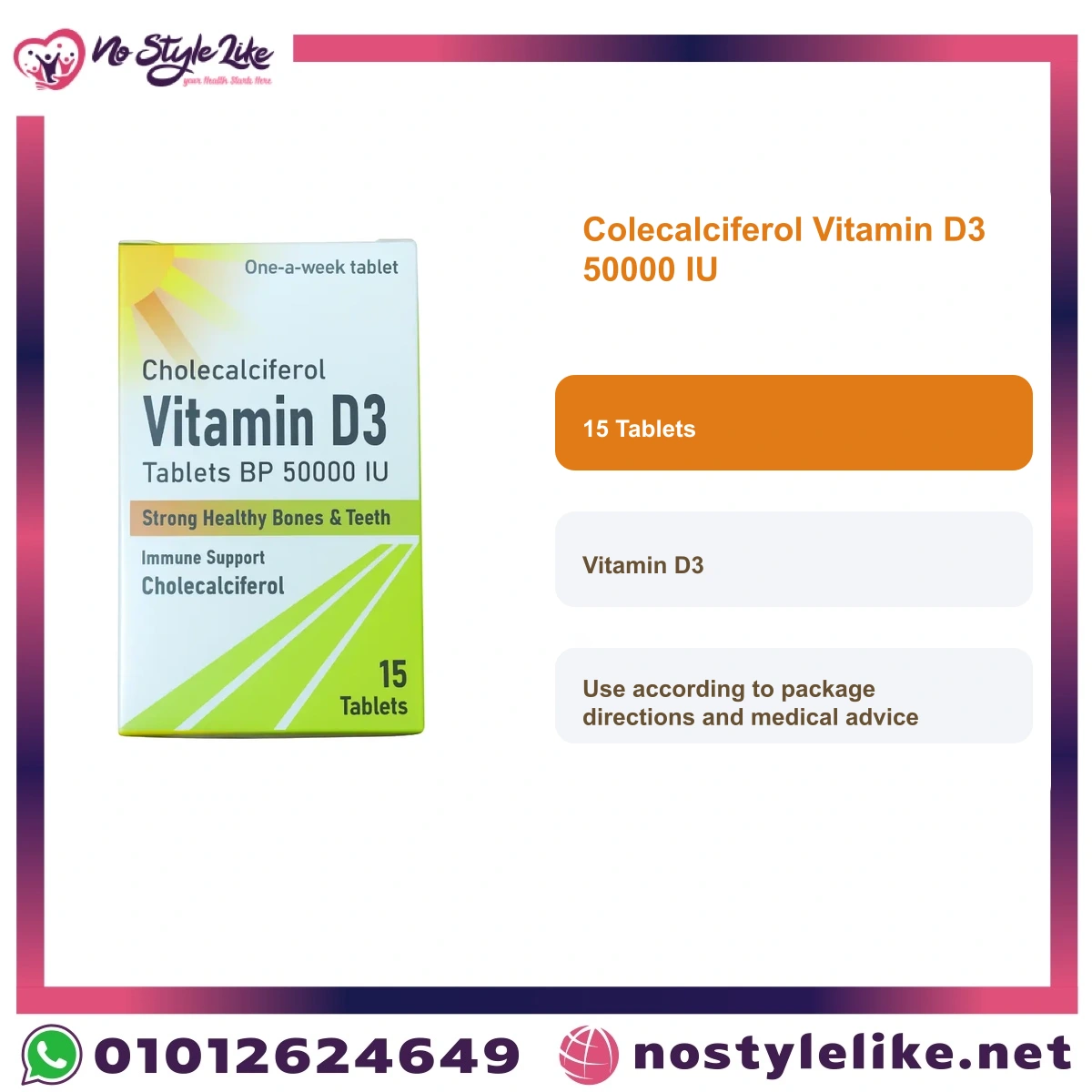
What is Cholecalciferol Vitamin D3 50,000 IU?
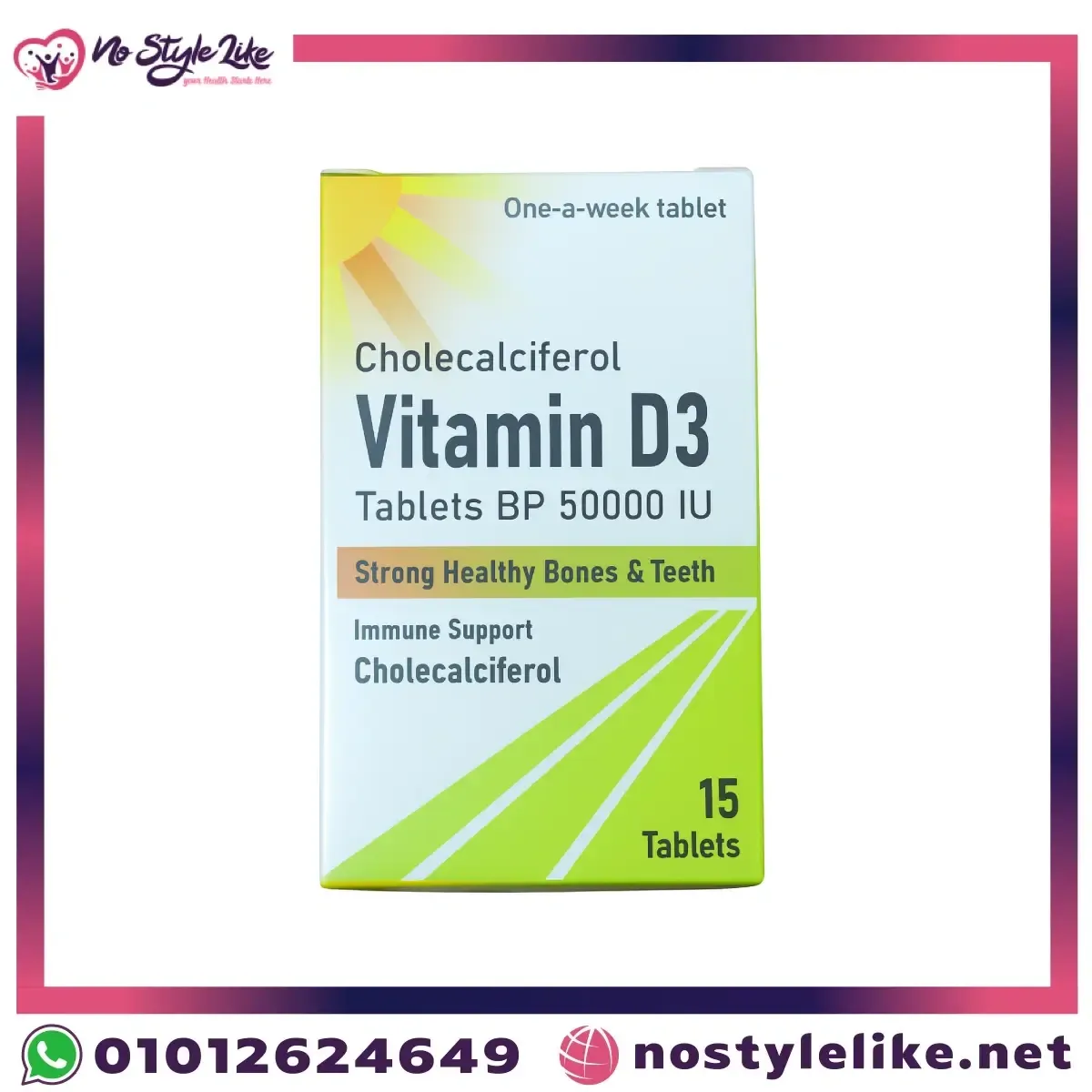
Vitamin D3 (Cholecalciferol) is a fat-soluble vitamin essential for calcium and phosphorus regulation in the body. It plays a vital role in maintaining bone density, supporting immunity, and preventing rickets and osteoporosis.
The 50,000 IU strength is considered a therapeutic high dose, usually prescribed for people with severe Vitamin D deficiency. It is typically taken once weekly rather than daily, ensuring adequate replenishment of Vitamin D stores under medical supervision.
Benefits of Vitamin D3 50,000 IU
✅ Strengthens bones and teeth by enhancing calcium absorption.
✅ Prevents osteoporosis and bone fractures.
✅ Boosts immune function, reducing risk of frequent infections.
✅ Supports muscle strength and prevents weakness.
✅ Improves mood and may help with seasonal affective disorder (SAD).
✅ Reduces risk of autoimmune diseases such as rheumatoid arthritis.
✅ Maintains cardiovascular health by regulating calcium metabolism.
✅ Supports maternal health and fetal bone development during pregnancy.
✅ Helps reduce inflammation in chronic conditions.
✅ Improves overall vitality and energy levels.
Indications for Use
Severe Vitamin D deficiency confirmed by blood test.
Osteoporosis or bone thinning.
Rickets in children or osteomalacia in adults.
Muscle weakness and fatigue due to low Vitamin D.
Recurrent infections linked to weak immunity.
Supportive therapy in chronic kidney or liver disease.
Preventive care in individuals with limited sun exposure.
Dosage & Administration
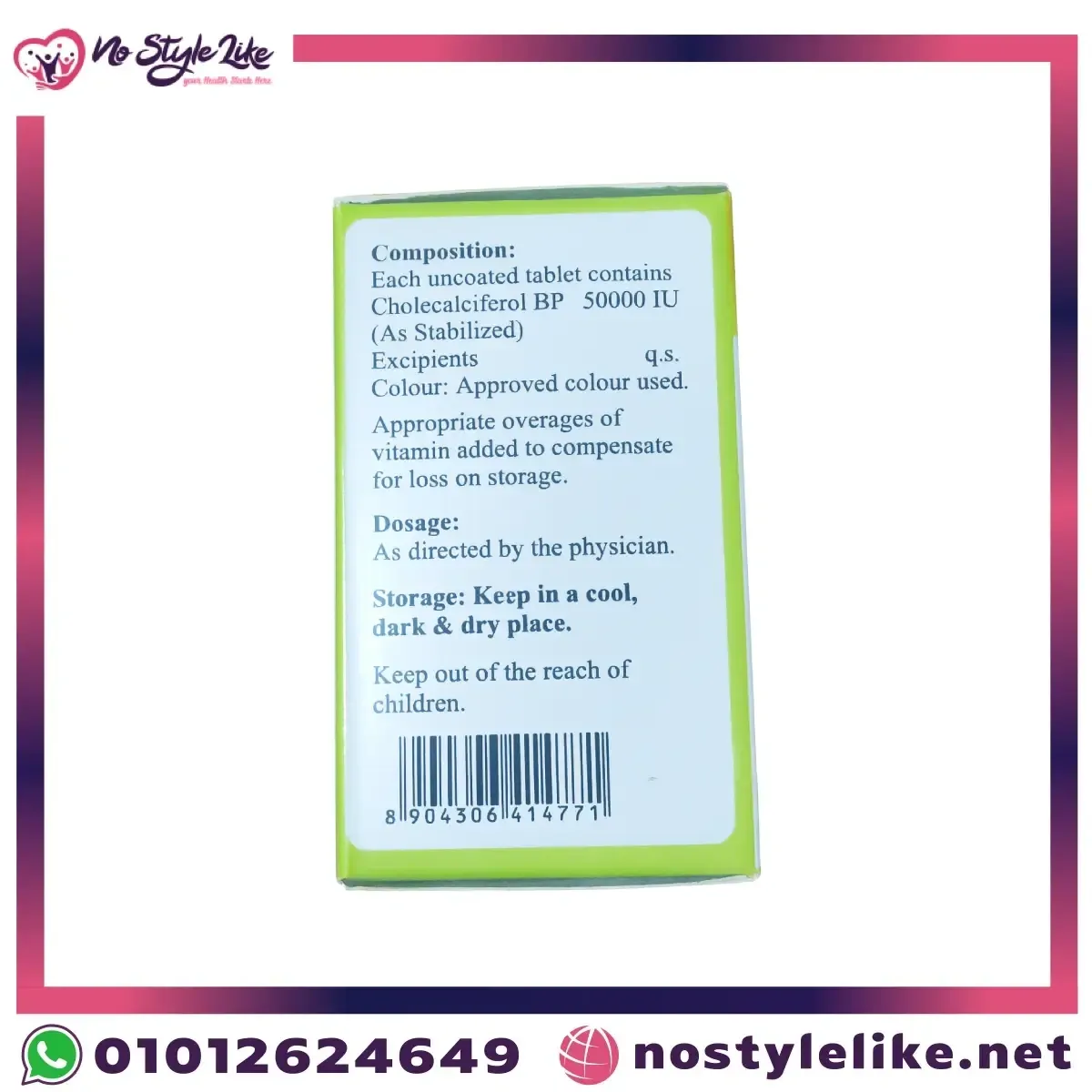
Recommended dose: 1 tablet (50,000 IU) once weekly or as prescribed by your doctor.
Tablets should be taken after a meal with water to enhance absorption.
Do not exceed the prescribed dose to avoid Vitamin D toxicity.
⚠️ Important: This is a high-strength therapeutic supplement, not intended for daily use unless specifically directed by a physician.
Possible Side Effects
Excessive intake of Vitamin D3 can lead to:
Nausea or vomiting.
Loss of appetite.
Constipation or stomach pain.
Headache and dizziness.
Increased calcium levels in the blood (hypercalcemia).
If any of these symptoms occur, medical attention should be sought immediately.
Warnings & Precautions
Consult your doctor if you have:
Chronic kidney disease.
Heart disease.
History of kidney stones.
Not recommended for children unless prescribed.
Use during pregnancy or breastfeeding only under strict medical guidance.
Avoid prolonged use without monitoring Vitamin D blood levels.
Drug Interactions
Vitamin D3 may interact with:
Corticosteroids – can reduce calcium absorption.
Antiepileptic drugs (phenytoin, phenobarbital) – increase Vitamin D metabolism.
Thiazide diuretics – risk of hypercalcemia.
Digoxin and other cardiac glycosides – may increase risk of heart rhythm disturbances.
Always inform your healthcare provider about any medications or supplements you are taking before starting Vitamin D3.
Internal Links (Related Products)
User Reviews ⭐⭐⭐⭐⭐
★★★★★ “Excellent supplement, my Vitamin D levels improved significantly.”
★★★★★ “I no longer feel bone pain after a month of use.”
★★★★☆ “Very effective, but dosage must be followed carefully.”
★★★★★ “Best treatment for my severe deficiency.”
★★★★★ “Highly recommended by my doctor, noticeable results.”
Frequently Asked Questions (FAQs)
What is the difference between Vitamin D2 and D3?
Vitamin D3 is more effective in raising and maintaining Vitamin D blood levels than D2.How long does it take for Vitamin D3 50,000 IU to work?
Most patients notice improvements within a few weeks of regular use.Can I take this dose daily?
No, this is a high-dose weekly supplement. Daily use may cause toxicity.Does it help with joint pain?
Yes, if the pain is linked to Vitamin D deficiency.Is it safe for children?
Only under pediatric prescription.Does it cause weight gain?
No, Vitamin D3 does not directly cause weight gain.Can it be taken during pregnancy?
Yes, but only under medical supervision.Should I take calcium with it?
In some cases, doctors recommend combining it with calcium supplements.What are the signs of too much Vitamin D?
Hypercalcemia, nausea, headache, and kidney issues.How should I store the tablets?
In a cool, dry place away from direct sunlight.
Related Products & Useful Resources
You may also like related products such as Buy Panadol Cold & Flu 24 Caplets – , Panadol Extra 24 Tablets from our store.
For more trusted medical information, refer to MedlinePlus. Always consult your doctor or pharmacist before use.
How to check your pack is genuine
We import directly and hand over the box sealed, exactly as it reached us. Before you accept delivery, check these five things in front of the courier:
- Manufacturer and country of origin printed on the carton itself, not on a sticker placed over it.
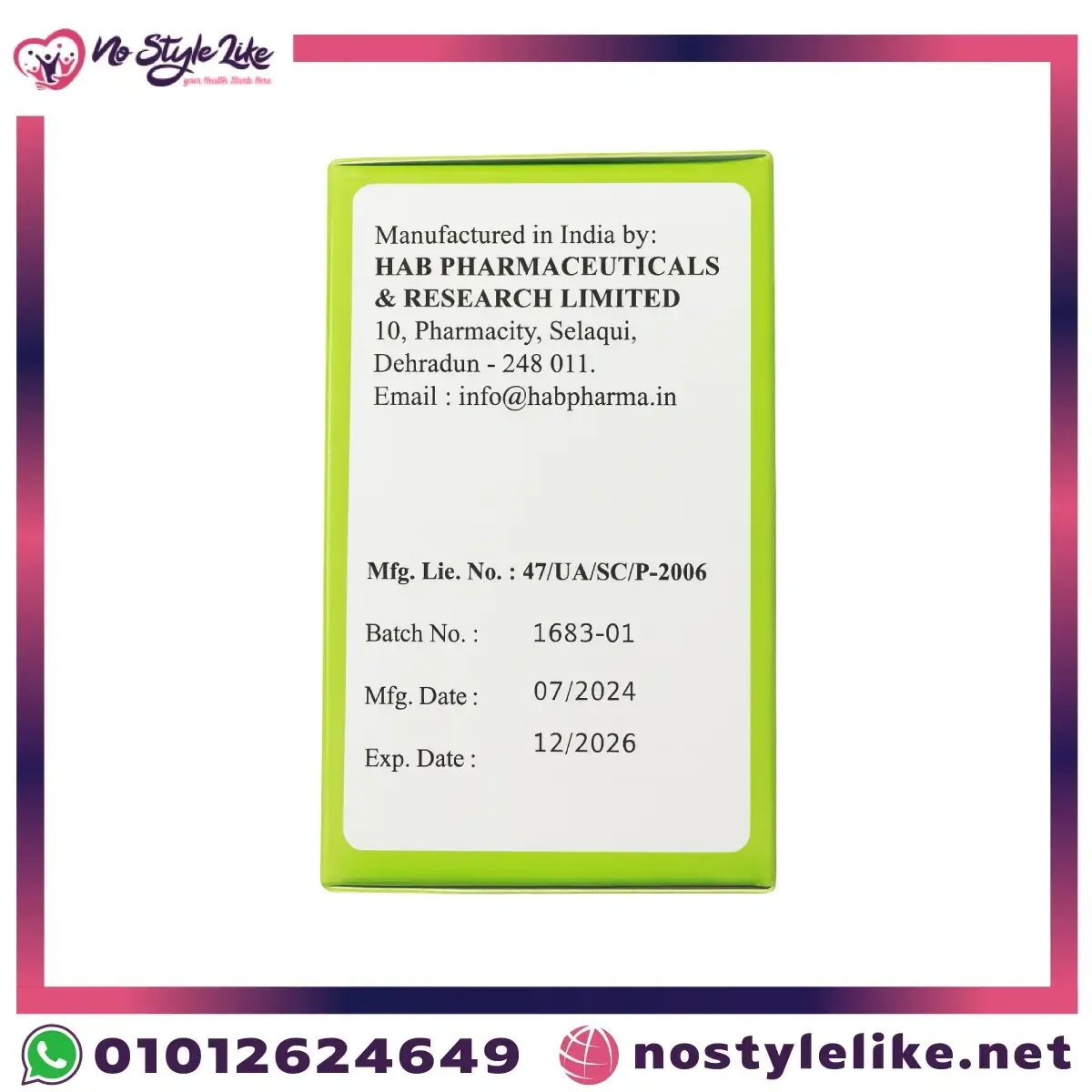
- Expiry date and batch/lot number printed on the carton and repeated on the inner blister, and the two must match.
- The outer carton is intact, not opened or re-sealed, with complete blister strips and no missing tablets.
- The patient leaflet is inside, in the language of the country of origin, matching the strength printed on the box.
- Strength and tablet count on the carton are exactly what you ordered. Check both before paying.
The No Style Like guarantee
If anything above does not match on delivery, refuse the parcel on the spot and you pay nothing. Heat-sensitive medicines ship in packaging that protects the storage temperature, and we make sure the expiry date covers your full course. Message us on WhatsApp before ordering and we will send you a photo of the exact pack in stock with its expiry date.




Reviews
There are no reviews yet.